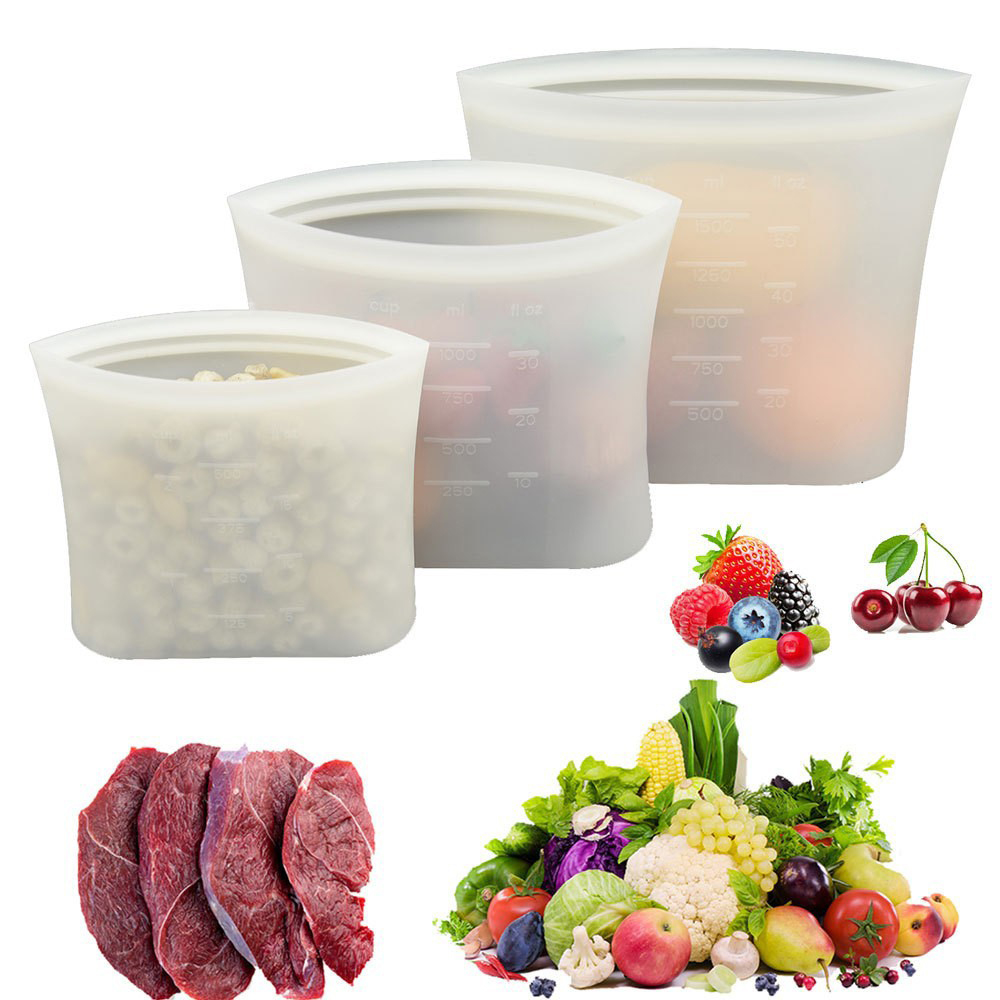
Dlaczego warto wybrać silikonowe pudełko na lunch Bento zamiast plastikowego?

W świecie przechowywania żywności silikon stał się wiodącym materiałem ze względu na swoją wszechstronność, trwałość i bezpieczeństwo. Wraz ze wzrostem troski o środowisko, firmy poszukują zrównoważonych alternatyw dla tradycyjnych plastikowych pojemników. W tym artykule omówimy zalety silikonowych pojemników na lunch bento i sposób, w jaki wyróżniają się one na rynku hurtowym.

Jeśli chodzi o pojemniki na żywność, wybór między silikonem a plastikiem często sprowadza się do kwestii bezpieczeństwa, trwałości i wpływu na środowisko. Silikonowe pojemniki na lunch bento oferują szereg zalet, z którymi tradycyjne plastikowe odpowiedniki nie mogą się równać. Zagłębmy się w różnice, które sprawiają, że silikon jest preferowanym wyborem zarówno dla wielu firm, jak i konsumentów.

Bezpieczeństwo i ochrona zdrowia

Plastikowe pojemniki na lunch nie są trwałe i odporne na wysokie temperatury. Nie można ich podgrzewać w kuchence mikrofalowej i są szkodliwe dla naszego zdrowia. Badania wykazały, że plastyfikatory mogą prowadzić do przedwczesnego dojrzewania, zwłaszcza u dziewcząt. Plastyfikatory mogą pochodzić z plastikowych pojemników i plastikowych toreb, zwłaszcza gdy plastikowe produkty są używane do przechowywania gorących potraw.

Silikonowe pojemniki na lunch są wykonane z silikonu spożywczego przeznaczonego do kontaktu z żywnością i mogą wytrzymać temperatury od -20 ℃ do 220 ℃. Wystarczy podgrzać je w kuchence mikrofalowej, aby w kilka minut otrzymać gorący posiłek.
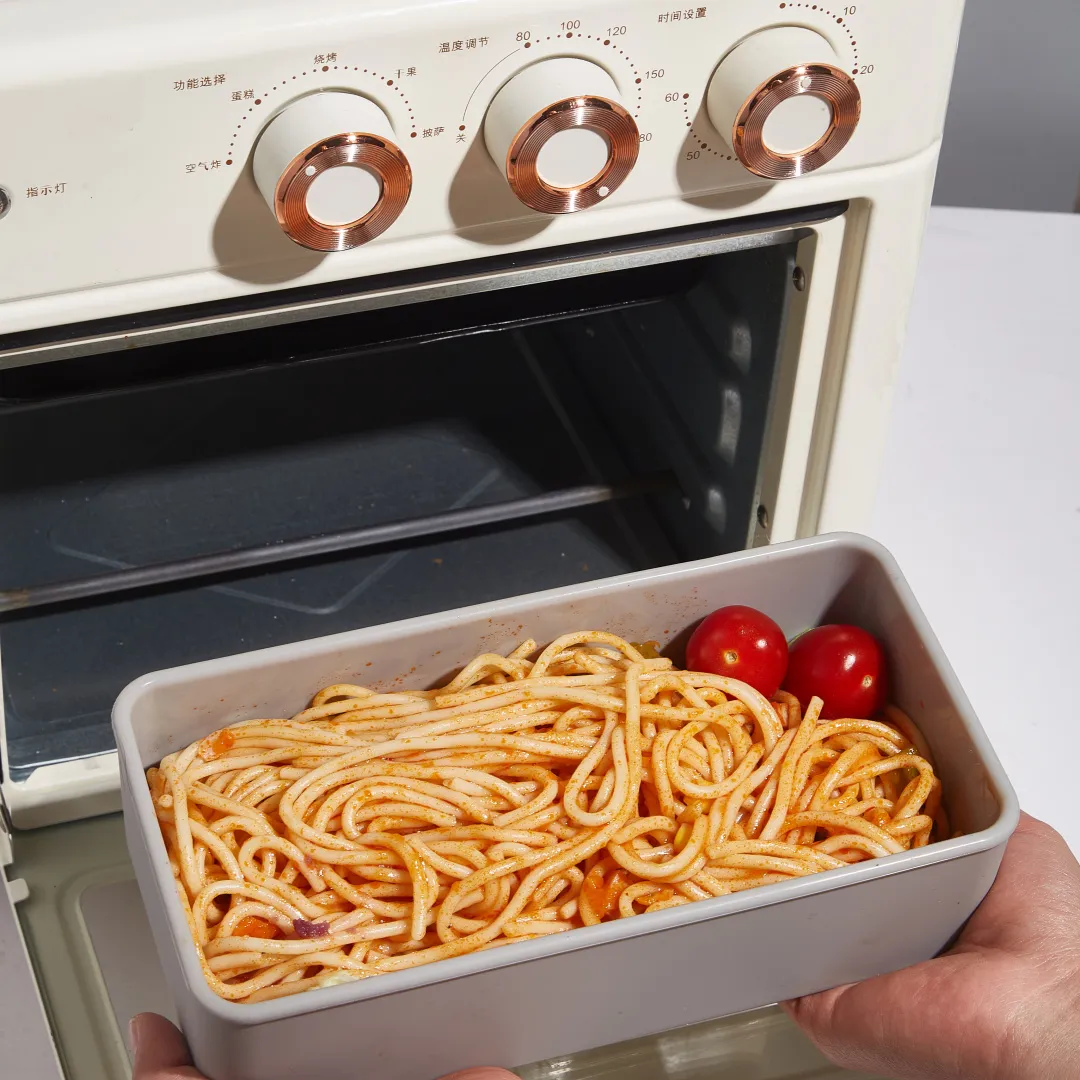
Silicone Bento Lunch Box

Trwałość i długowieczność

Plastikowe pojemniki mogą z czasem ulegać degradacji, stając się kruche i podatne na pękanie, co może prowadzić do wycieków i nieapetycznego wyglądu. Silikon jest jednak znany ze swojej odporności i długowieczności. Silikonowe pojemniki na lunch bento mogą wytrzymać ekstremalne temperatury bez wypaczania lub utraty kształtu, co czyni je długoterminową inwestycją dla firm.

Przyjazny dla środowiska i zrównoważony

Wpływ plastiku na środowisko jest istotną kwestią, a wiele firm stawia obecnie na przyjazne dla środowiska alternatywy. Silikonowe pojemniki na lunch bento nie tylko nadają się do recyklingu, ale także są zrównoważone, ponieważ mogą być używane wielokrotnie, zmniejszając zapotrzebowanie na jednorazowe plastikowe pojemniki.

Niestandardowe Silikonowe pudełka na lunch Bento

Dla firm, które chcą zaoferować swoim klientom unikalny i spersonalizowany produkt, możliwość personalizacji ma kluczowe znaczenie. Jako fabryka silikonu, JEWELIVES specjalizuje się w tworzeniu niestandardowych silikonowych pudełek na lunch, które spełniają specyficzne potrzeby naszych klientów hurtowych. Nasze opcje dostosowywania obejmują zarówno kolor i projekt, jak i rozmiar i funkcjonalność, zapewniając, że marka każdego klienta jest reprezentowana w sposób, który rezonuje z jego rynkiem docelowym.
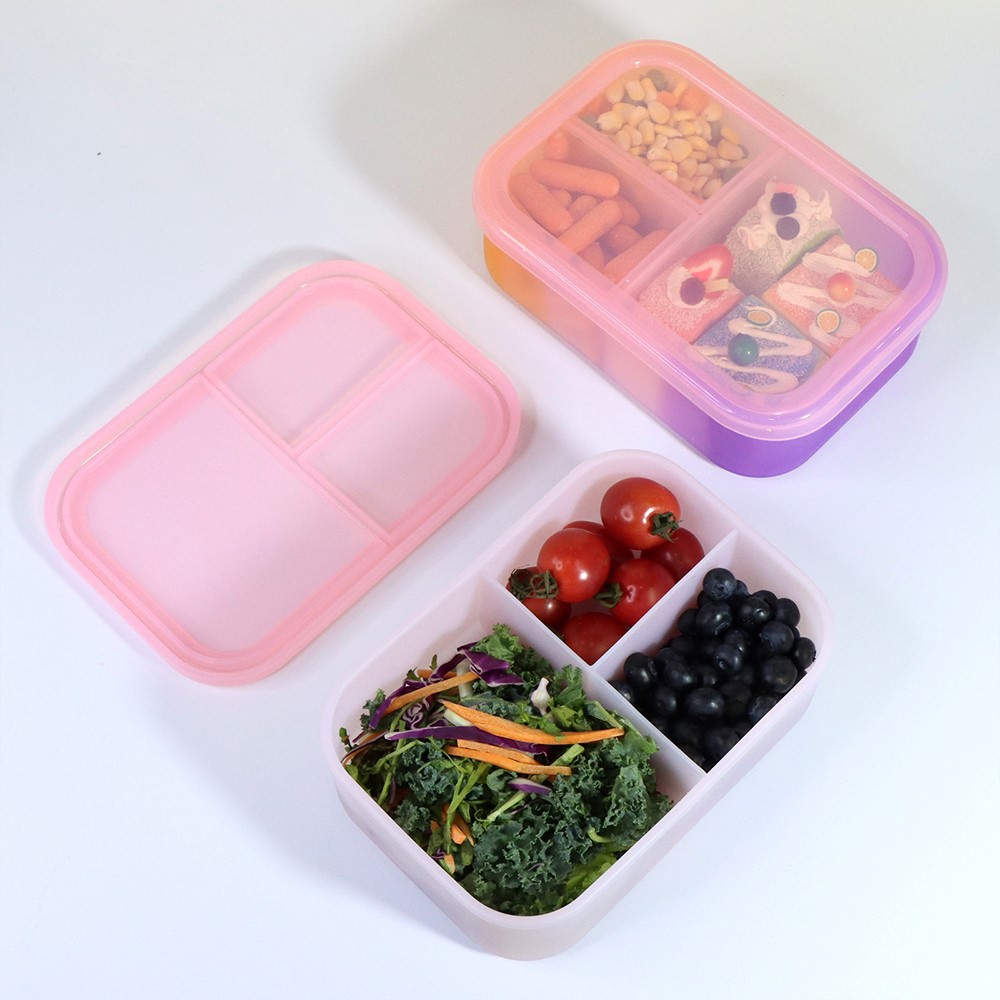
Silicone Bento Lunch Box

Zalety silikonu w przechowywaniu żywności

Właściwości silikonu sprawiają, że jest to idealny materiał do przechowywania żywności. Jest nieprzywierający, łatwy w czyszczeniu i odporny na plamy i zapachy. Cechy te są szczególnie korzystne w przypadku pojemników na żywność, ponieważ zapewniają, że żywność pozostaje świeża i nieskażona. Pojemniki na lunch JEWELIVES można myć w zmywarce. Nie musisz robić tego sam, a silikonowe pojemniki na lunch pozostaną czyste.

Personalizacja i rynek hurtowy

Na konkurencyjnym rynku hurtowym oferowanie produktów z możliwością personalizacji może być istotnym punktem sprzedaży. JEWELIVES rozumie znaczenie personalizacji i ściśle współpracuje z klientami w celu stworzenia silikonowych pojemników na lunch bento, które odzwierciedlają tożsamość ich marki. Doświadczenie naszej fabryki w produkcji silikonu pozwala nam oferować poziom personalizacja która nie ma sobie równych w branży.

Przy JEWELIVESJesteśmy dumni z tego, że jesteśmy wiodącą fabryką silikonu, która dostarcza innowacyjne i konfigurowalne rozwiązania dla rynku hurtowego. Nasze silikonowe pojemniki na lunch bento to nie tylko pojemniki; są one odzwierciedleniem naszego zaangażowania w jakość, zrównoważony rozwój i zadowolenie klientów. Dla firm, które chcą wywrzeć pozytywny wpływ na swoich klientów i środowisko, JEWELIVES jest partnerem, któremu można zaufać. Skontaktuj się z nami już dziś, aby omówić, w jaki sposób nasze konfigurowalne produkty silikonowe mogą podnieść poziom Twojej oferty hurtowej.
Powiązany post

Introduction to Silicone Manufacturing Silicone manufacturing is a specialized industry that requires a deep understanding of material science, chemical engineering, and environmental management. As a leading silicone factory, we pride ourselves on our ability to create custom silicone products tailored to the unique needs of our wholesale clients. This article delves into the manufacturing process, health and safety considerations, and the management strategies that ensure the highest standards of quality and compliance. 1. The Manufacturing Process of Silicone 1.1 Overview of the Manufacturing Process The silicone manufacturing process involves the transformation of raw silicone materials into finished products through curing and vulcanization. Curing refers to the process where silicone compounds harden through the addition of heat or moisture, while vulcanization involves the use of catalysts to speed up the hardening process. Over the years, we have perfected these processes to ensure the production of durable and high-quality silicone products. Curing with Peroxides During the vulcanization process employing peroxides, peroxides are incorporated into the silicone compound, which triggers a reaction leading to material solidification. This approach is renowned for its dependability and its capability to attain broad hardness levels in the end products. It is applicable for general silicone rubber goods, like those used in wires and cables, and also for oil-resistant and solvent-resistant silicone rubbers. Vulcanization with Platinum Catalysts On the other hand, vulcanization using a platinum catalyst is a more specialized process that allows for exceptional control of the reaction and produces items with superior purity and performance. This method is particularly suited for manufacturing custom silicone products that require high precision and consistency. It is ideal for products where environmental protection and hygiene conditions are of higher concern, such as food-grade silicone products and medical devices. 1.2 Chemical Composition and Volatile Emissions The chemical composition of silicone materials includes base polymers, fillers, and additives. Additives play a crucial role in enhancing the properties of silicone products, such as flexibility, heat resistance, and UV stability. Curing agents and catalysts are essential for initiating and controlling the polymerization reactions that lead to the formation of the silicone product. 1.3 Common Volatiles in Silicone Manufacturing During the manufacturing process, various volatile organic compounds (VOCs) can be emitted, including methyl siloxanes and other siloxane oligomers. These emissions can have environmental and health implications, which is why our silicone factory has implemented stringent measures to minimize their release. 2. Health, Safety, and Environmental Impact 2.1 Health and Safety Risks in the Manufacturing Environment The health and safety of our workers is paramount. In the silicone manufacturing environment, exposure to uncured silicone, catalysts, and other chemicals can pose risks. Therefore, we have established safety measures and protocols that include the use of personal protective equipment (PPE) and regular health check-ups for our employees. 2.2 Impact of Volatiles on the Environment The release of volatiles into the environment can contribute to air pollution and have long-term effects on ecosystems. As a responsible silicone factory, we are committed to reducing our environmental footprint by adopting advanced technologies that minimize VOC emissions and by recycling waste materials whenever possible. 2.3 Regulatory Compliance and Standards Adherence to regulations is a cornerstone of our operations. Both national and international standards, such as those set by the European Union's REACH regulations and the United States' EPA guidelines, dictate the allowable levels of VOC emissions and the safety measures that must be in place. Our silicone factory is fully compliant with these standards, ensuring that our operations are both safe and environmentally responsible. 3. Management Strategies 3.1 Implementing Safety Measures and Protocols To safeguard our workers and the environment, we have implemented a range of safety measures and protocols. These include the use of closed-loop systems to capture and treat emissions, regular equipment maintenance to prevent leaks, and comprehensive training programs for our staff. 3.2 Advancements in Process and Material Technology Innovation is at the heart of our silicone manufacturing process. We continuously invest in research and development to improve our manufacturing processes and material technologies. This includes exploring new catalysts that reduce VOC emissions and developing silicone compounds with enhanced properties for applications like silicone lunch boxes and water bottles. 3.3 Regulatory Compliance and Environmental Management Our commitment to regulatory compliance extends beyond mere adherence to standards. We actively engage with regulatory bodies to ensure that our practices are not only compliant but also contribute to the development of more stringent environmental protections. Our environmental management system is certified to ISO 14001, demonstrating our dedication to sustainable practices. 4. Conclusion Silicone manufacturing is a complex process that requires a delicate balance between product quality, worker safety, and environmental responsibility. As a silicone factory specializing in custom silicone products, we are committed to maintaining the highest standards across all aspects of our operations. By investing in advanced technologies, adhering to strict safety protocols, and prioritizing environmental stewardship, we ensure that our silicone products meet the needs of our wholesale clients while also protecting the health of our workers and the planet.
Baby Silicone Products
Canton Fair 2025
Silicone bento box
Przewiń do góry

Kontakt