Russian
  English
  French
  German
  Spanish
  Polish
  Chinese
  Japanese
  Korean
Содержание
Silicone brushes and scrubbers are widely used in kitchens, bakeries, bathrooms, and personal care applications. Thanks to their heat resistance, flexibility, and hygiene advantages, they have become a popular alternative to traditional bristle brushes.
For brands and buyers looking to develop custom silicone brushes, understanding the materials, molding processes, and production workflow is essential. This guide explains how silicone brushes are made—from raw material selection to final quality inspection.
What Is a Silicone Brush?
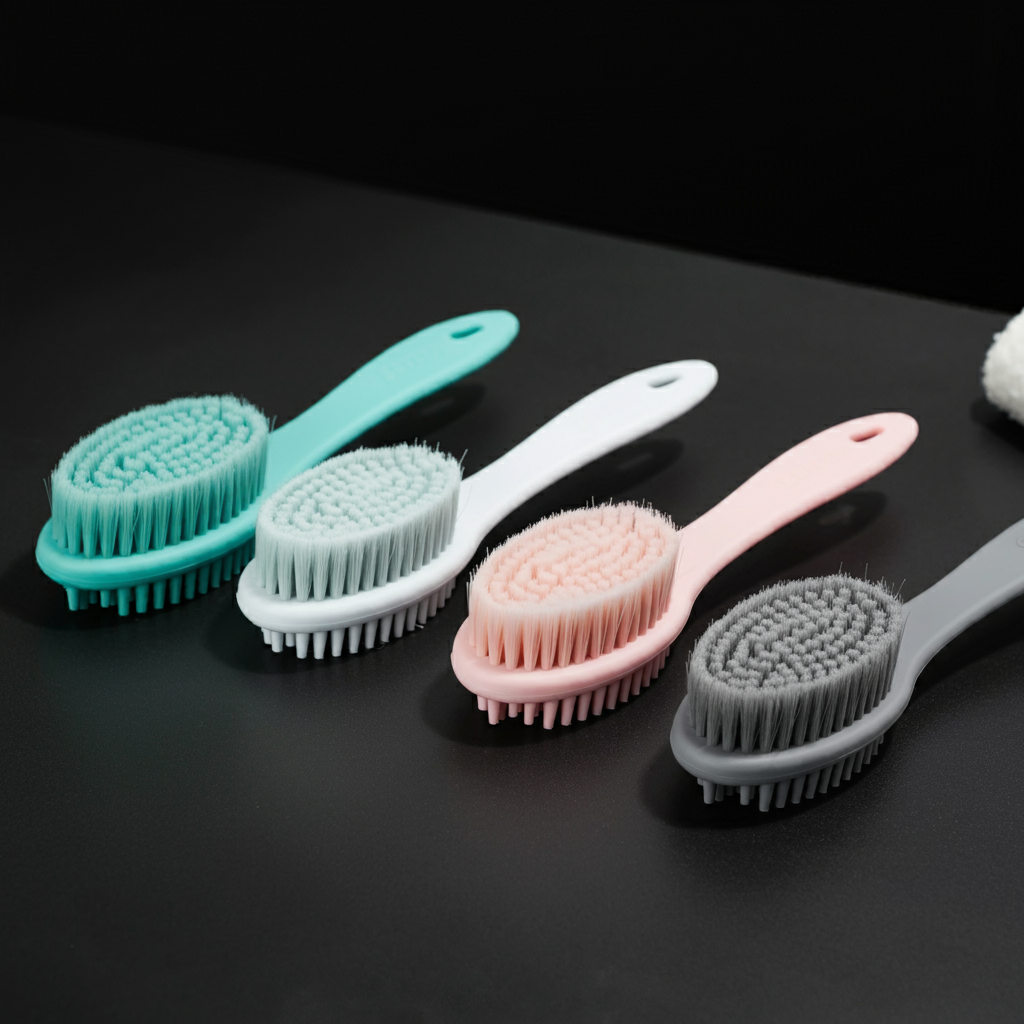
A silicone brush is a cleaning or application tool made from food-grade or industrial-grade silicone. Unlike traditional fiber or nylon brushes, silicone brushes are non-porous, flexible, and resistant to heat and chemicals.
Common applications include:
Baking and pastry brushing
Oil and sauce spreading
Grill and BBQ use
Kitchen and bathroom cleaning
Cosmetic or craft applications
Most silicone brushes are designed to withstand temperatures from -40°C to 230°C, making them suitable for both freezing and high-heat environments.
Key Advantages of Silicone Brushes
Food-Safe and Non-Toxic
High-quality silicone brushes are made from food-grade silicone, free from BPA and harmful substances. When properly cured, they meet standards such as FDA, LFGB, RoHS, and SGS.
Heat Resistance
Silicone does not melt, deform, or release chemicals under normal baking or cooking temperatures, making it ideal for oven and grill use.
Soft, Durable, and Flexible
The elastic structure allows brushes to reach corners and uneven surfaces without scratching cookware or molds.
Easy to Clean
Silicone surfaces resist oil buildup and stains. Brushes can be washed with water, placed in a dishwasher, or sterilized when required.
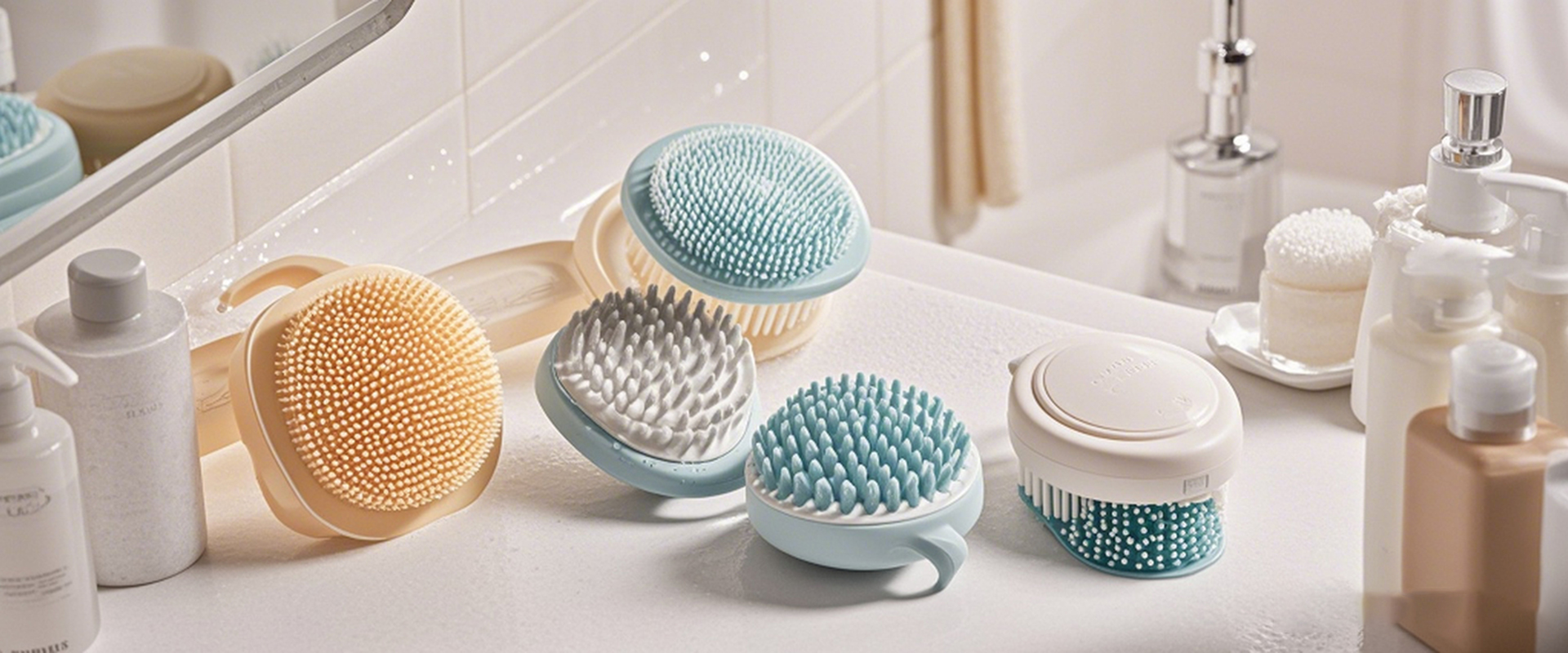
Materials and Molding Methods for Silicone Brushes
Different silicone brush designs require different molding technologies. In professional manufacturing, the most common processes include:
Compression Molding (HTV Silicone)
Uses solid silicone rubber
Suitable for thicker or structured designs
Cost-effective for medium to large volumes
Liquid Silicone Rubber (LSR) Injection Molding
High precision and consistency
Ideal for food-grade and medical-grade products
Smooth surface finish and low defect rate
Drip or Overmolding Processes
Used for multi-material or soft-touch designs
Allows creative shapes and ergonomic handles
At Jewelives, silicone brushes and scrubbers are mainly produced using HTV compression molding and LSR injection molding, depending on product requirements.
Customization Options for Silicone Brushes
OEM and ODM customization plays a key role in brand differentiation. Silicone brushes can be customized in multiple ways:
Appearance
Shapes: round, flat, square, or custom designs
Colors: standard colors or Pantone-matched shades
Effects: solid, translucent, marble, or multi-color
Material Properties
Hardness range: 5–80 Shore A
Material type: HTV silicone or LSR
Safety level: food-grade or medical-grade
Transparency: translucent to highly transparent
Branding Methods
Logo molded directly into tooling
Screen printing
Laser engraving
Heat transfer printing
Packaging and Logistics
Individual polybags
Back card or PET boxes
Custom color boxes
Shipping via air, sea, or express courier
Step-by-Step Silicone Brush Manufacturing Process
Product Design
Create a 3D structure based on function, ergonomics, and branding needs.Tooling Development
Molds are produced using steel, aluminum, or copper, depending on durability and precision requirements.Raw Material Preparation
High-quality fumed silicone rubber is selected, mixed with color pigments according to Pantone standards, and weighed precisely.Molding and Curing
Silicone is injected or compressed into molds under controlled temperature and pressure.Demolding and Trimming
Finished parts are removed and excess material is trimmed.Secondary Vulcanization
Heat treatment in an oven (typically 2–4 hours) removes residual catalysts and odors to meet FDA or LFGB standards.Logo Application
Branding is added through molding, printing, or engraving if required.Final Quality Inspection
Products are checked for appearance, dimensions, material integrity, and safety compliance before packing.
Why Work with Jewelives for Silicone Brush OEM/ODM Projects?
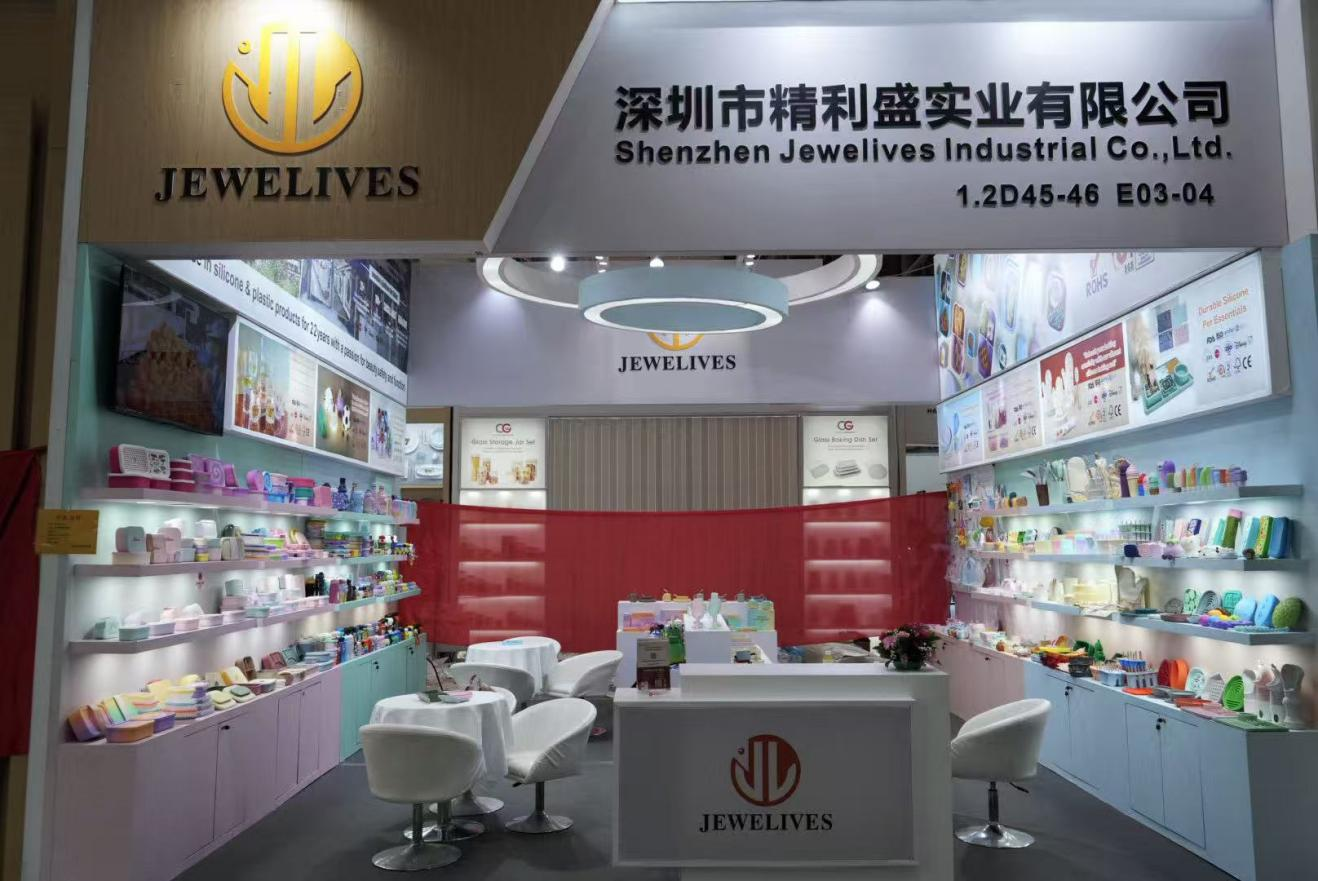
With over 21 years of silicone manufacturing experience, Jewelives provides end-to-end support for silicone brush development, including:
In-house tooling workshop with CNC and EDM machines
More than 50 molding machines for stable mass production
Strong R&D team supporting material and structure optimization
Certifications including ISO 9001, ISO 14001, BSCI, Sedex, GMP, Disney FAMA
Flexible OEM and ODM services for global brands
By controlling tooling, molding, and quality inspection in-house, Jewelives helps clients shorten lead times and reduce development risks.
FAQ: Silicone Brushes Manufacturing
Are silicone brushes safe for food contact?
Yes, when made from certified food-grade silicone and properly cured.
What is the difference between HTV and LSR silicone brushes?
HTV suits thicker designs and lower tooling cost, while LSR offers higher precision and consistency.
Can I customize color and logo?
Yes. Colors can be Pantone-matched, and logos can be molded, printed, or engraved.
Do silicone brushes need secondary vulcanization?
Most HTV silicone brushes do. LSR products may not require it.