German
  English
  French
  Spanish
  Russian
  Polish
  Chinese
  Japanese
  Korean
Inhalt
Are Silicone Products Safe for Cooking? The 2026 Complete Guide
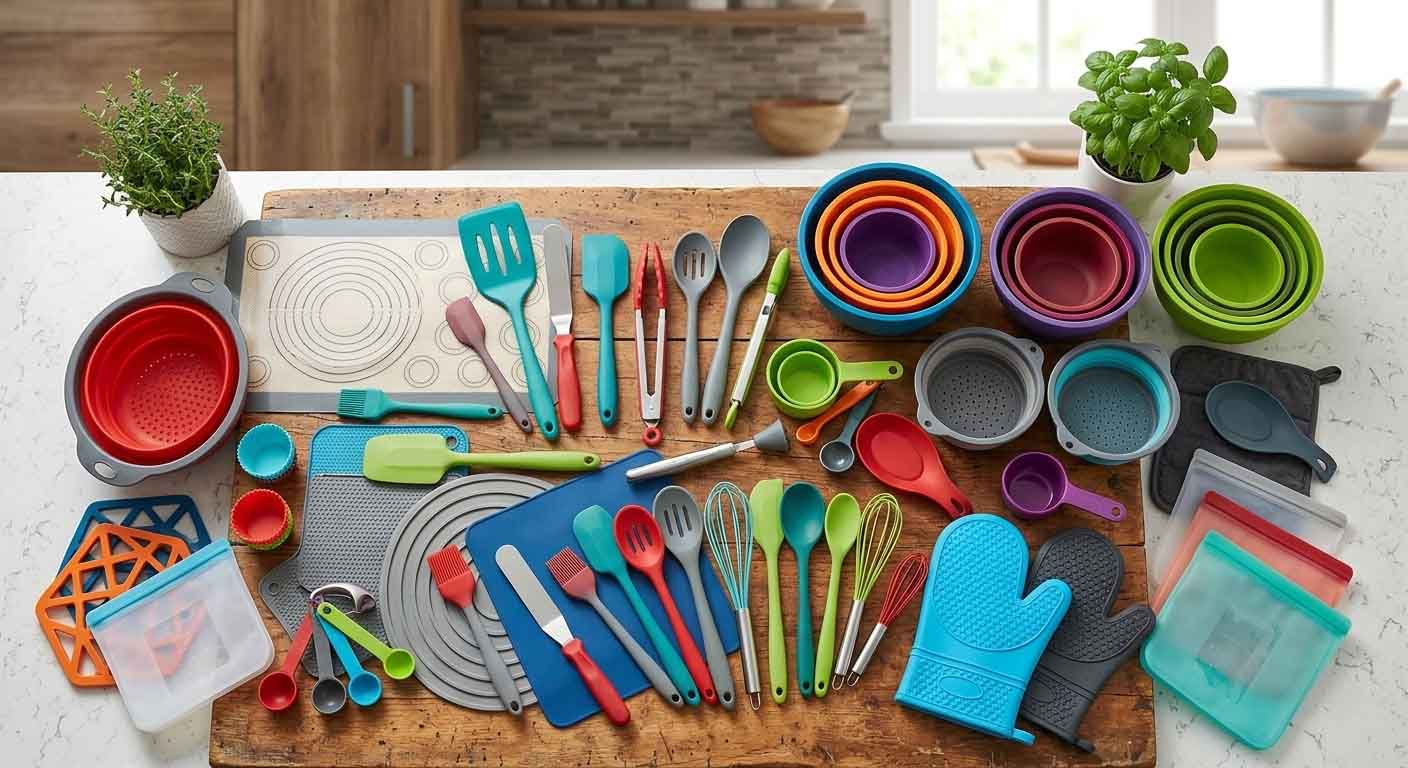
Silicone kitchen tools are now common in modern homes. From spatulas and baking mats to foldable containers and food storage lids, silicone has become a popular alternative to plastic and metal.
But one important question remains: Are silicone products safe for cooking, especially at high temperatures?
Based on current material science and global food-contact standards, this guide explains what makes silicone safe, where the risks come from, and how to choose high-quality products.
What Is Food-Grade Silicone?
Silicone is a synthetic elastomer made from silicon dioxide (derived from sand). Unlike many plastics, it does not contain:
BPA
Phthalates
PVC
Lead
High-quality food-grade silicone is chemically stable and does not react with food or beverages under normal cooking conditions.
Because of this stability, silicone is widely used in:
Baking molds
Spatulas and utensils
Air fryer liners
FDA vs. LFGB: What Safety Standards Matter?
When asking “Are silicone products safe?”, certification is critical.
FDA (U.S. Standard)
The U.S. Food and Drug Administration regulates materials intended for food contact. FDA-compliant silicone must meet extraction and migration limits to ensure no harmful substances leach into food.
LFGB (German / EU Standard)
LFGB is considered stricter in certain testing procedures. Products that pass LFGB testing are often preferred for European markets.
If a silicone product is properly tested under FDA or LFGB standards, it is considered safe for cooking and food contact.
How Much Heat Can Silicone Handle?
Most high-quality silicone products are rated for:
-40°C to 230°C (-40°F to 446°F)
Within this range, silicone remains stable and does not degrade.
However, problems may occur when:
Exposed to direct flame
Placed under a broiler
Heated beyond recommended limits
Monitoring oven temperature and avoiding open flames are key to long-term safety.
The Importance of “Pure” Silicone (Avoiding Fillers)
Not all silicone products on the market are made equally.
Some low-cost products contain plastic or mineral fillers to reduce production costs. These fillers may:
Produce odors when heated
Reduce elasticity
Affect long-term durability
Simple Quality Check
A common method used in the industry is twisting a thin section of silicone:
High-quality silicone maintains consistent color
Filled silicone may show white streaking
For brands and bulk buyers, third-party testing reports are more reliable than visual inspection.
Benefits of Silicone for Cooking
Beyond safety, silicone offers practical advantages that support modern kitchens.
Non-Stick Performance
Silicone surfaces reduce the need for excess oil or butter when baking.
Durability
Unlike wood, silicone does not crack. Unlike plastic, it does not melt under normal cooking temperatures.
Hygienic Surface
Silicone is non-porous, reducing bacterial absorption compared to some traditional materials.
Environmentally Conscious Choice
Silicone does not break down into microplastics like conventional plastics.
Safety Tips for Using Silicone Kitchenware
To maximize product lifespan and safety:
Do not place silicone directly on stovetop burners
Avoid cutting directly on silicone surfaces
Clean gently to prevent surface damage
Replace products that show cracking or unusual odor
Choosing certified products and using them within recommended temperature ranges ensures safe daily cooking.
Are Silicone Products Safe for Cooking? Final Answer
Yes — food-grade silicone products are safe for cooking when properly manufactured and used within temperature limits.
The key factors are:
Verified FDA or LFGB compliance
No filler materials
Correct curing process
Responsible usage
When these conditions are met, silicone remains one of the safest and most stable materials for kitchen applications.
Why Manufacturers Matter: The Role of Proper Production
Safety does not depend on silicone as a material alone—it also depends on how it is manufactured.
With over 21 years of silicone production experience, Juwelen focuses on:
100% food-grade raw materials
Strict temperature-controlled vulcanization
Optional secondary curing to remove residual catalysts
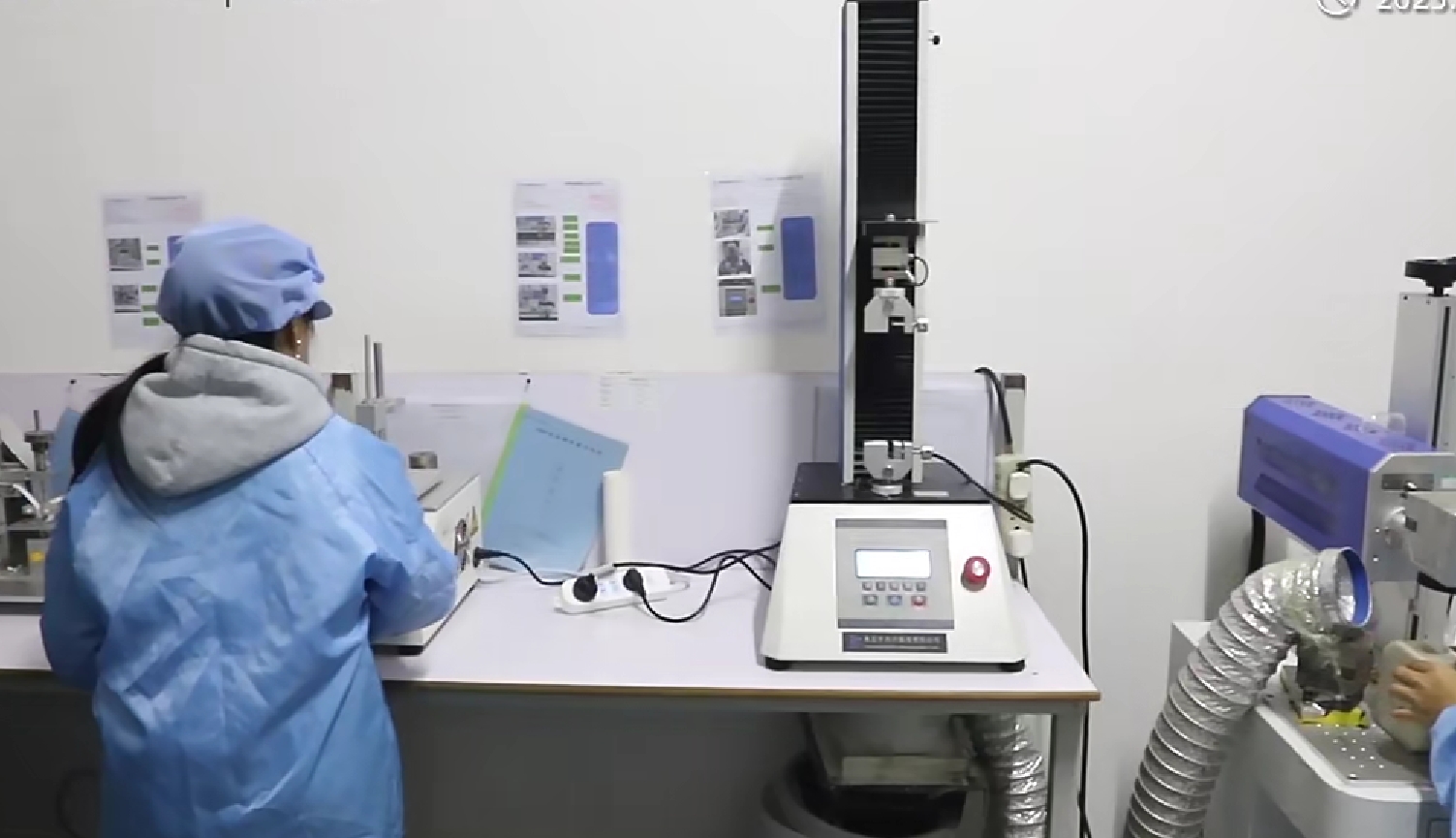
Third-party compliance testing
OEM and ODM customization for global brands
Our manufacturing facilities operate under ISO 9001 and ISO 14001 systems, with additional certifications including BSCI, Sedex, GMP, and Disney FAMA. This ensures consistent quality across kitchenware, bakeware, and custom silicone projects.
FAQ: Silicone Cooking Safety
Is silicone safer than plastic for cooking?
In high-heat conditions, food-grade silicone is generally more stable than many common plastics.
Can silicone release toxins when heated?
Properly cured, certified silicone does not release harmful substances within its temperature range.
Is platinum-cured silicone better?
Platinum-cured silicone is often preferred for food and medical applications due to lower residual byproducts.
When should silicone products be replaced?
If you notice cracking, surface damage, or persistent odor, replacement is recommended.