German
  English
  French
  Spanish
  Russian
  Polish
  Chinese
  Japanese
  Korean
Inhalt
Consumers today pay much closer attention to food safety and sustainability when purchasing kitchen products. As reusable kitchenware becomes more popular, many buyers ask the same question: is food grade silicone better than plastic?
Both materials are widely used in kitchen products, but they perform very differently in areas such as heat resistance, durability, environmental impact, and safety.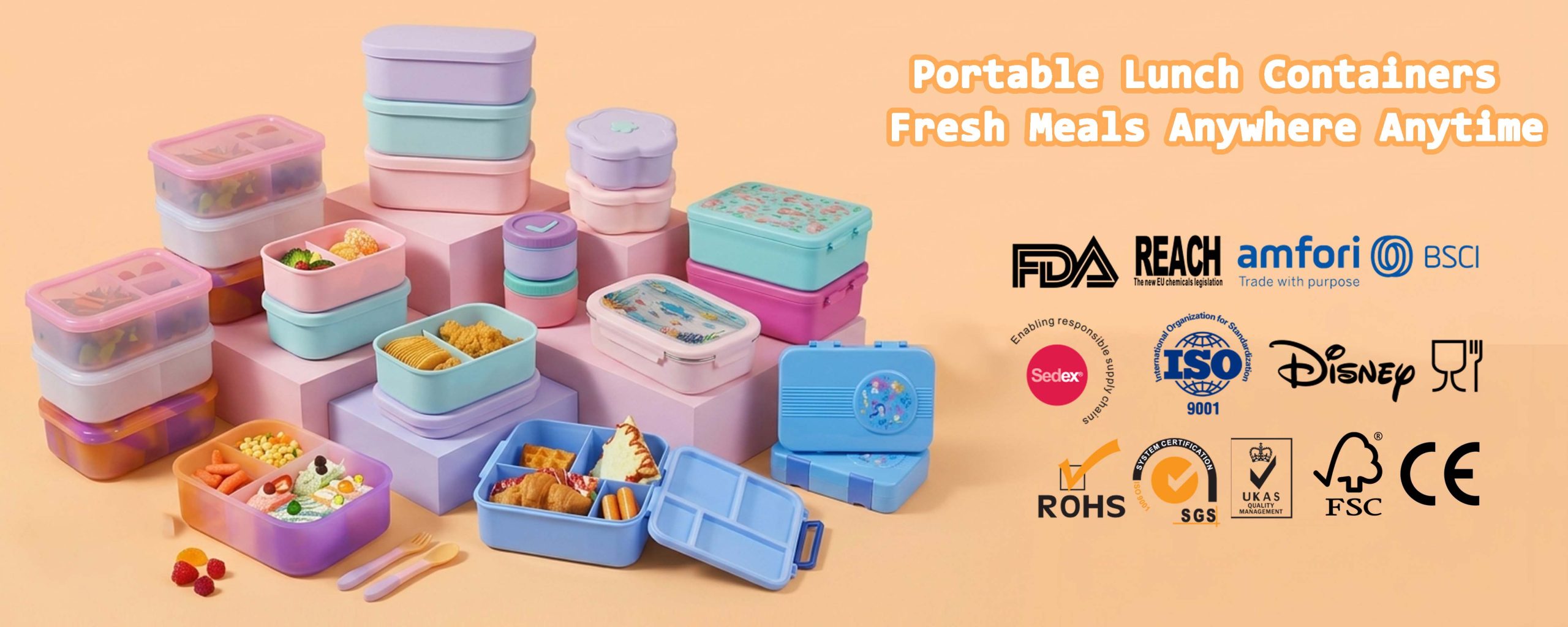
What Is Food Grade Silicone?
Food grade silicone is a flexible synthetic material made from silicon, oxygen, carbon, and hydrogen. High-quality food grade silicone is BPA-free, odorless, and heat resistant.
It is commonly used for:
- Baking mats
- Spatulas
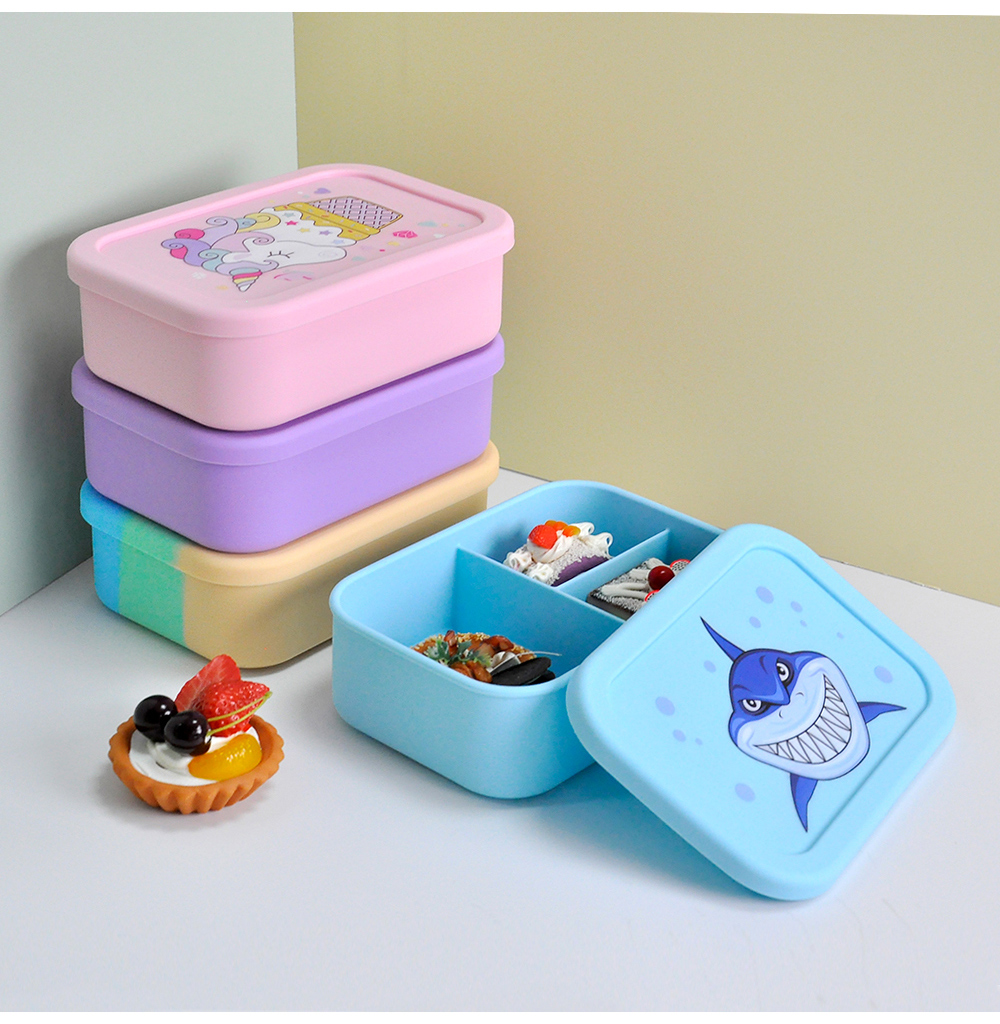
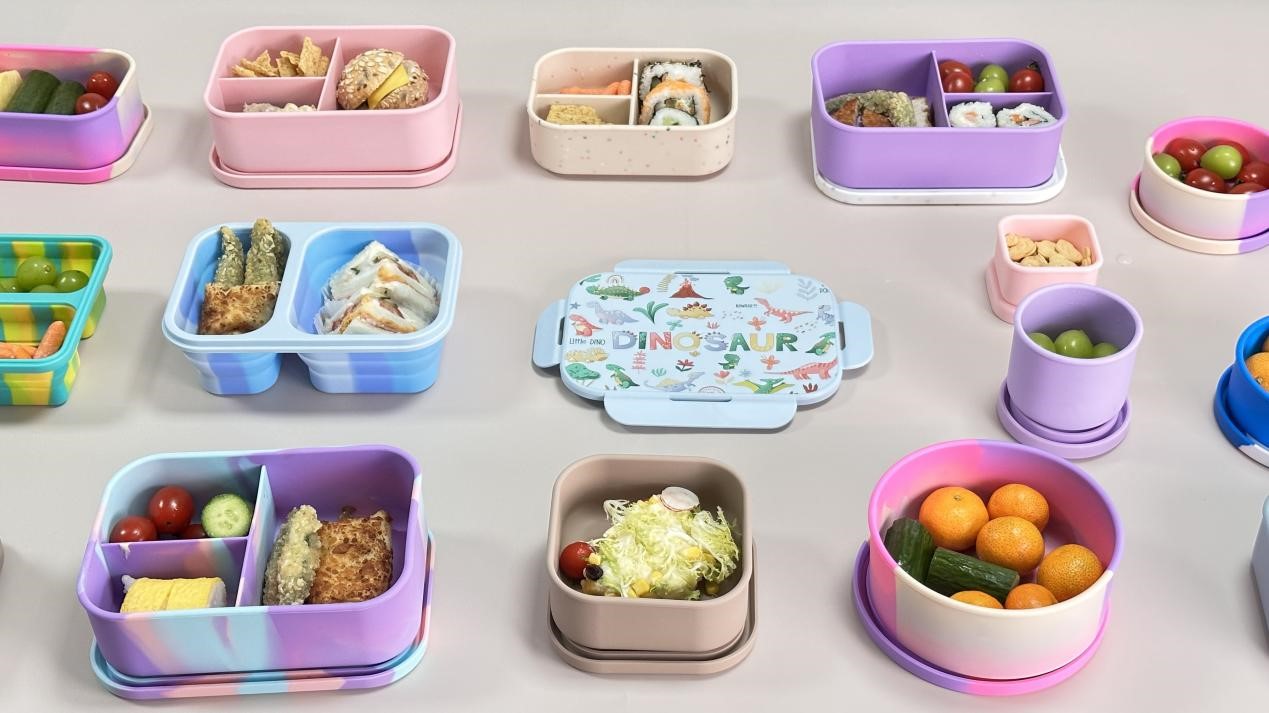
- Silicone lunch boxes
- Collapsible water bottles
- Ice trays
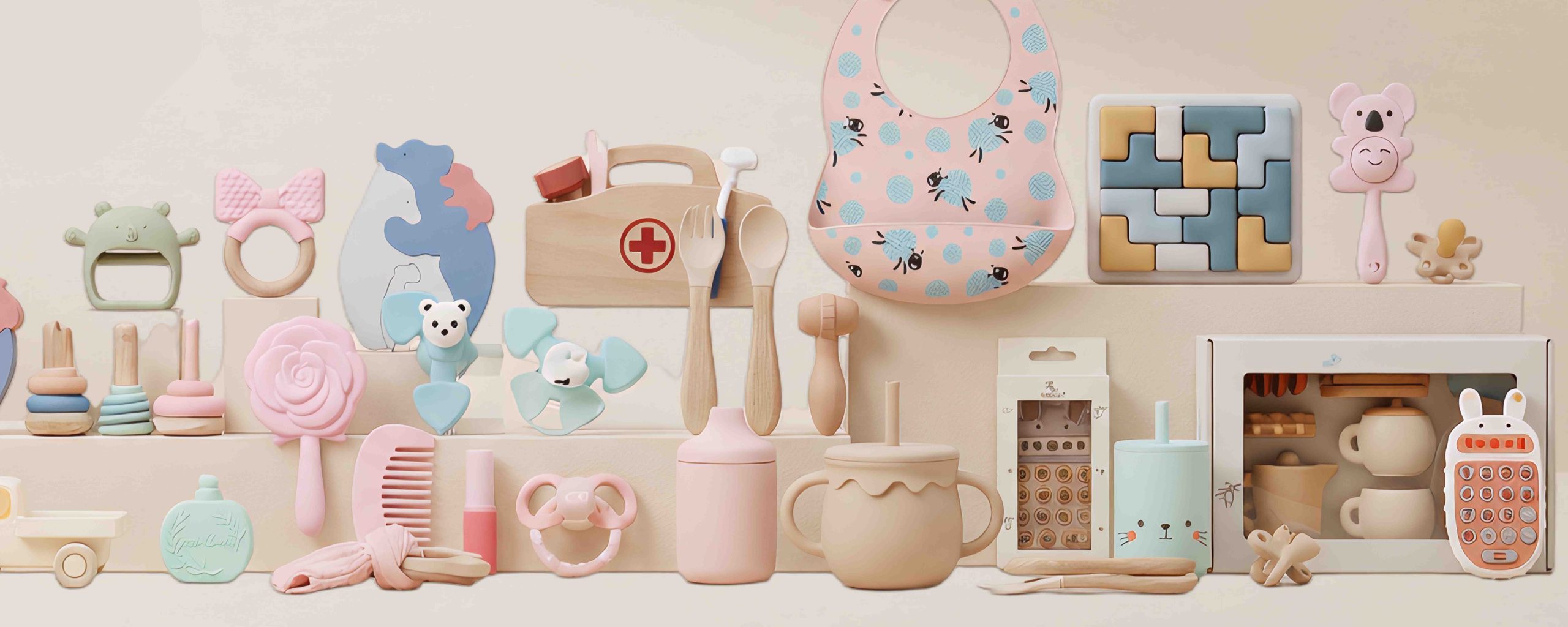
- Baby feeding products
- Storage containers
What Is Plastic?
Plastic kitchenware is usually made from materials such as polypropylene, polyethylene, or polycarbonate.
Plastic products are lightweight and inexpensive but may degrade under high temperatures.
Some low-quality plastics may also contain BPA or other chemicals.
Heat Resistance Comparison
One of silicone’s biggest advantages is heat resistance.
Food grade silicone typically withstands temperatures between -40°C and 230°C.
Plastic products usually have lower heat resistance and may warp or release odors under high heat.
This makes silicone a better choice for:
- Baking
- Microwave use
- Steaming
- Hot liquid storage
Durability Comparison
Silicone products are highly flexible and resistant to cracking.
Plastic products may become brittle over time.
High-quality silicone products also resist:
- UV exposure
- Moisture
- Staining
- Odor absorption
Environmental Impact
Consumers increasingly prefer reusable products that reduce disposable waste.
Silicone products have longer lifespans and reduce reliance on single-use plastics.
While silicone is not biodegradable, durable reusable silicone products help reduce overall waste generation.
Why Brands Prefer Silicone Products in 2026
Global brands are launching more silicone-based kitchenware because consumers prioritize:
- BPA-free materials
- Wiederverwendbarkeit
- Food safety
- Modern product design
- Nachhaltigkeit
How Jewelives Supports Silicone Kitchen Product Brands
Jewelives specializes in customized food-grade silicone products for international customers.
The company provides:
- OEM and ODM services
- Custom molds
- FDA and LFGB compliant materials
- Logo printing
- Packaging customization
Jewelives develops silicone kitchenware products including:
- Silicone baking mats
- Silicone lunch boxes
- Silicone storage containers
- Silicone water bottles
- Silicone utensils
Abschließende Überlegungen
Food grade silicone offers significant advantages over plastic for kitchen applications.
With superior heat resistance, flexibility, and durability, silicone products are becoming one of the fastest-growing kitchenware categories in 2026.
FAQ
Is food grade silicone safer than plastic?
Food grade silicone is generally considered safer for high-temperature cooking because it is BPA-free and chemically stable.
Can silicone replace plastic kitchenware?
Many reusable kitchen products now use silicone instead of plastic because of its durability and heat resistance.
Does silicone contain BPA?
High-quality food grade silicone is BPA-free.