German
  English
  French
  Spanish
  Russian
  Polish
  Chinese
  Japanese
  Korean
Inhalt
Launching a silicone product brand has become an attractive opportunity for entrepreneurs, retailers, and established businesses seeking to expand their product portfolios. Silicone products are widely used across baby care, kitchenware, drinkware, beauty accessories, pet supplies, promotional gifts, and consumer electronics due to their durability, flexibility, safety, and eco-friendly characteristics. With the support of OEM and ODM manufacturing, businesses can enter the market quickly without investing in expensive production facilities. Understanding the process from product development to market launch is essential for building a competitive and profitable silicone brand.
Why Silicone Products Continue to Gain Market Demand
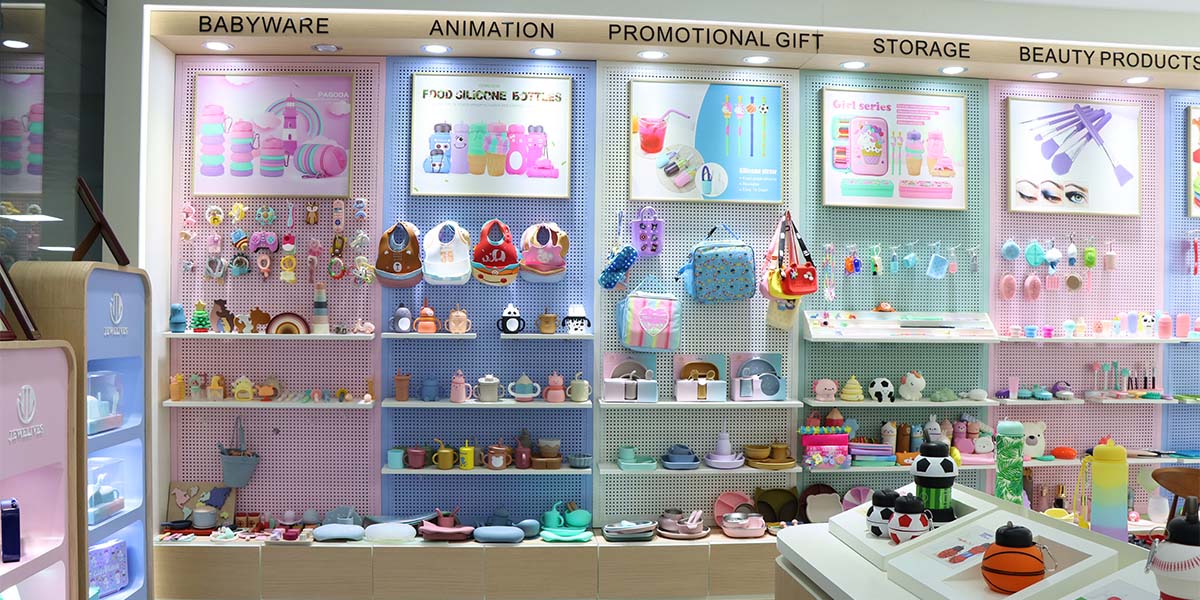
Silicone has become one of the most versatile materials in modern manufacturing. Consumers increasingly prefer products that are reusable, BPA-free, food-grade, and environmentally conscious. As governments and consumers seek alternatives to disposable plastics, silicone products continue to gain popularity in both retail and wholesale markets.
★ Popular Silicone Product Categories
• Baby feeding products and bibs
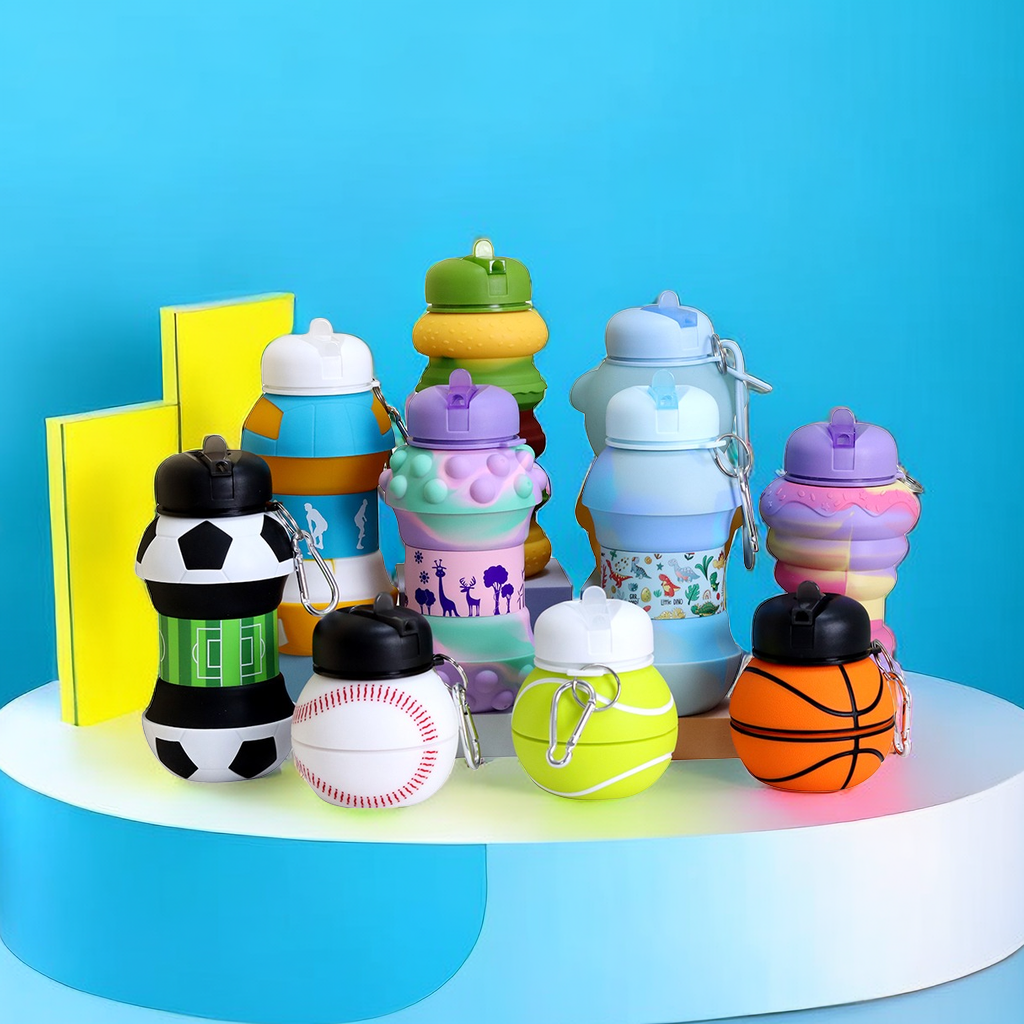
• Foldable water bottles and drinkware
• Kitchen utensils and bakeware
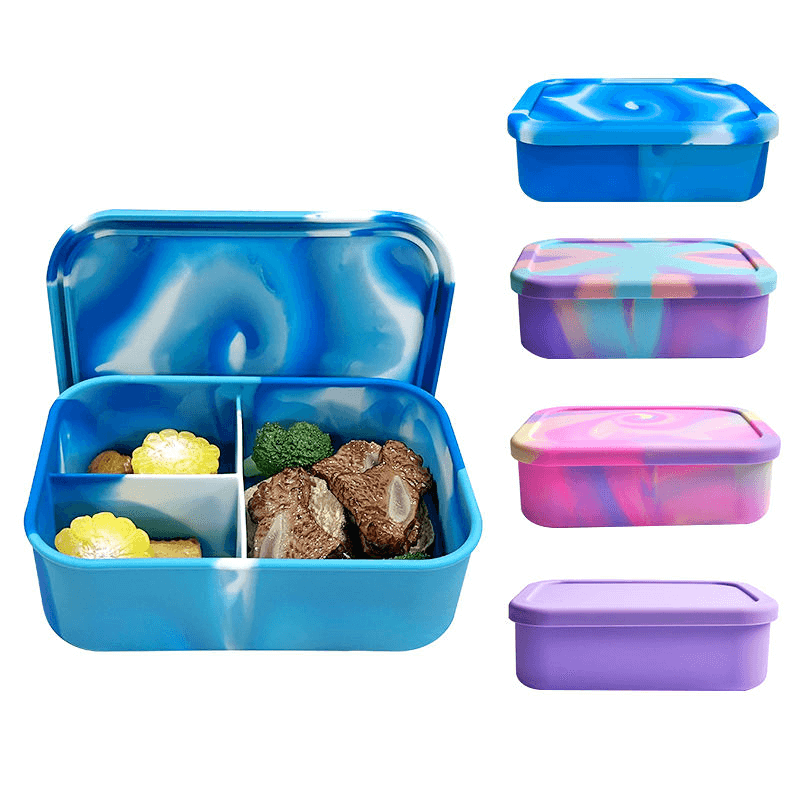
• Lunch boxes and food storage containers
• Ice trays and molds
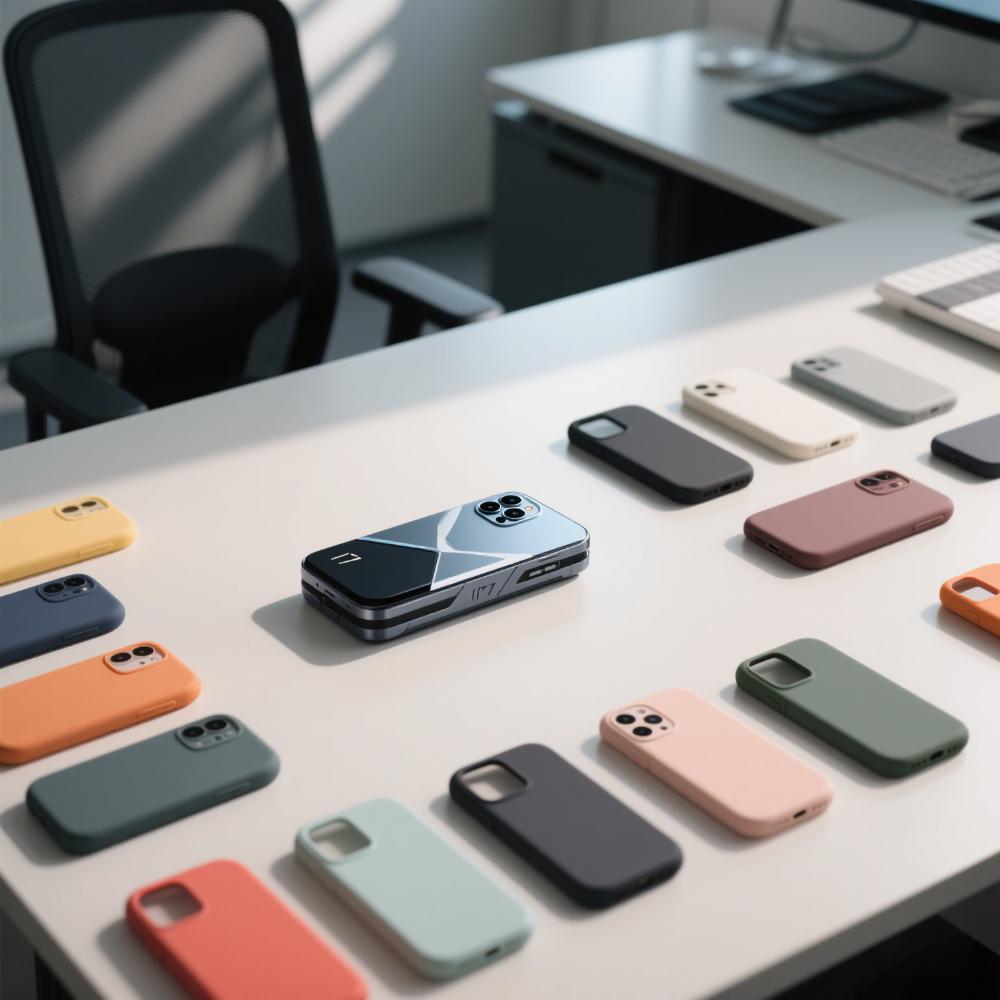
• Phone accessories and protective cases
• Pet feeding products
• Promotional and customized corporate gifts
Understanding OEM and ODM Manufacturing
Before launching a silicone product brand, it is important to understand the differences between OEM and ODM manufacturing models.
OEM (Original Equipment Manufacturing)
OEM manufacturing allows businesses to provide their own product design, specifications, logo requirements, packaging concepts, and branding elements. The manufacturer then produces the products according to those requirements. This approach is ideal for brands seeking exclusive products and greater market differentiation.
ODM (Original Design Manufacturing)
ODM manufacturing involves selecting existing product designs from a manufacturer and customizing them with logos, packaging, colors, and branding. This approach reduces development costs and accelerates market entry.
Tip: Startups often choose ODM products to validate market demand before investing in fully customized OEM solutions.
Step 1: Identify a Profitable Market Niche
The first step in building a successful silicone brand is selecting a market niche with strong demand and manageable competition. Instead of selling generic silicone products, focus on solving specific customer problems.
For example, parents may seek safer feeding products for babies, travelers may want collapsible drinkware, and environmentally conscious consumers may prefer reusable food storage solutions. Identifying a niche helps create a stronger brand identity and improves marketing effectiveness.
✓ Questions to Evaluate Your Niche
Is there consistent demand?
Can you offer unique features?
Are profit margins attractive?
Can the products be expanded into a collection?
Does the niche align with your target audience?
Step 2: Develop Your Brand Positioning
Successful brands sell more than products; they communicate a clear value proposition. Determine what your brand represents before contacting manufacturers.
Your positioning may focus on sustainability, premium quality, child safety, modern aesthetics, travel convenience, or innovative functionality. Consistent branding helps customers recognize and trust your products.
Essential Branding Elements
- Brand name and trademark
- Logo design
- Color palette
- Brand story
- Packaging design
- Product photography standards
- Marketing message
Step 3: Find a Reliable Silicone Manufacturer
Selecting the right manufacturing partner is one of the most important decisions in your business journey. A reliable silicone factory should offer stable production capacity, quality control systems, product development support, and international certifications.
When evaluating suppliers, review their production capabilities, certifications, customization options, tooling experience, testing procedures, and export experience.
Important Certifications to Consider
✔ ISO 9001 Quality Management
✔ ISO 14001 Environmental Management
✔ BSCI Social Compliance
✔ Sedex Audit
✔ FDA Compliance
✔ LFGB Food Contact Standards
✔ Disney FAMA (when applicable)
✔ GMP Manufacturing Standards
Step 4: Create Product Specifications
Whether using OEM or ODM services, detailed specifications reduce production risks and ensure consistency. The more information provided to the manufacturer, the smoother the development process.
Specification Details May Include
- Product dimensions
- Material requirements
- Color options
- Logo placement
- Surface finish
- Packaging requirements
- Compliance standards
- Target retail pricing
Manufacturers typically provide engineering drawings, 3D renderings, and prototype samples before mass production begins.
Step 5: Prototype Development and Testing
Sampling is a critical phase of product development. During this stage, you can verify product appearance, functionality, dimensions, color consistency, and user experience.
Testing may include food-contact safety verification, durability testing, dishwasher resistance, temperature resistance, drop testing, and packaging validation.
⚠ Never skip the sample approval process. Correcting problems before mass production is significantly less expensive than fixing inventory issues after production is complete.
Step 6: Build Attractive Packaging
Packaging plays a major role in customer perception. High-quality packaging can increase perceived value, improve shelf appeal, and strengthen brand recognition.
Many silicone brands invest in custom packaging solutions such as printed gift boxes, eco-friendly paper packaging, reusable storage bags, and retail-ready display boxes.
Packaging Objectives
- Protect the product during transportation
- Communicate product benefits
- Display certifications and compliance information
- Strengthen brand identity
- Improve customer experience
Step 7: Plan Your Pricing Strategy
A strong pricing strategy balances profitability with market competitiveness. Calculate all costs associated with manufacturing, shipping, packaging, customs duties, marketing, and platform fees.
Many successful silicone brands target retail prices that provide sufficient margin for future growth, promotional campaigns, and distribution partnerships.
Typical Cost Components
Product manufacturing
Tooling and mold costs
Packaging expenses
Freight and logistics
Import duties
Marketing expenses
Marketplace commissions
Step 8: Establish Quality Control Procedures
Quality consistency is essential for long-term brand success. Develop inspection procedures covering incoming materials, production processes, finished goods, and packaging.
Many importers use third-party inspections before shipment to verify product quality, quantity, and packaging standards.
Recommended Inspection Stages
- Raw material inspection
- In-process production checks
- Finished goods inspection
- Packaging verification
- Pre-shipment inspection
Step 9: Build Your Sales Channels
After production is ready, establish multiple sales channels to maximize market reach. Depending on your business model, you may sell directly to consumers, retailers, distributors, or corporate buyers.
Popular channels include branded e-commerce websites, online marketplaces, wholesale platforms, social media commerce, retail partnerships, and promotional product distributors.
Growth Strategy: Combining direct-to-consumer sales with wholesale distribution often creates a balanced revenue structure and improves brand visibility.
Step 10: Invest in Digital Marketing
Even the best products require effective marketing. Build a long-term marketing strategy focused on search engine optimization, content marketing, email campaigns, social media engagement, influencer partnerships, and paid advertising.
Educational content performs particularly well for silicone products because consumers often search for information related to safety, sustainability, maintenance, and product comparisons.
High-Converting Content Ideas
- Product usage guides
- Safety comparison articles
- Cleaning and maintenance tips
- Industry trend reports
- Customer success stories
- Product demonstration videos
Common Challenges and How to Overcome Them
Every product launch faces obstacles. Common challenges include minimum order quantities, mold investment costs, supply chain delays, quality inconsistencies, and increasing competition.
The most successful brands overcome these challenges through careful planning, strong supplier relationships, continuous product innovation, and consistent customer engagement.
Key Success Factors
✓ Reliable manufacturing partners
✓ Strong brand identity
✓ Product differentiation
✓ Consistent quality control
✓ Effective digital marketing
✓ Long-term customer relationships
Schlussfolgerung
Launching a silicone product brand through OEM and ODM manufacturing provides entrepreneurs with a practical pathway into a growing global market. By selecting the right niche, building a compelling brand, partnering with an experienced manufacturer, implementing strict quality standards, and executing effective marketing strategies, businesses can create sustainable growth opportunities and establish a strong position within the silicone products industry. With careful planning and continuous innovation, a silicone brand can evolve from a single product launch into a recognized and trusted international business.
Frequently Asked Questions
1. What is the difference between OEM and ODM Silikonherstellung?
OEM manufacturing allows brands to create fully customized products, while ODM manufacturing uses existing product designs that can be customized with branding and packaging.
2. How much investment is needed to start a silicone product brand?
Investment requirements vary depending on product complexity, mold development, packaging customization, order quantity, and marketing strategy.
3. What certifications should food-grade silicone products have?
Common requirements include FDA compliance, LFGB testing, and quality management certifications such as ISO 9001.
4. How long does silicone product development take?
Most projects require several weeks to several months depending on mold development, sampling revisions, testing requirements, and production schedules.
5. Can small businesses start with low order quantities?
Yes. Many manufacturers offer ODM products with lower minimum order quantities, allowing startups to test market demand before scaling production.