German
  English
  French
  Spanish
  Russian
  Polish
  Chinese
  Japanese
  Korean
Inhalt
How to Start a Hair Scalp Massager Business: The 2026 Professional Guide
The global beauty landscape in 2026 has undergone a fundamental shift. We are no longer just in the era of “hair care”; we have entered the era of “scalp wellness.” Consumers have realized that healthy hair begins at the root, leading to a massive surge in demand for specialized tools. At the forefront of this movement is the silicone hair scalp massager—a simple yet transformative device that has evolved from a niche spa accessory into a daily shower essential.
Unlike the bath bomb industry, which relies on consumable chemistry and shelf-life management, a hair scalp massager business is built on ergonomic design, material safety, and structural durability. This guide provides a modular blueprint for entrepreneurs looking to build a premium brand in the 2026 self-care market.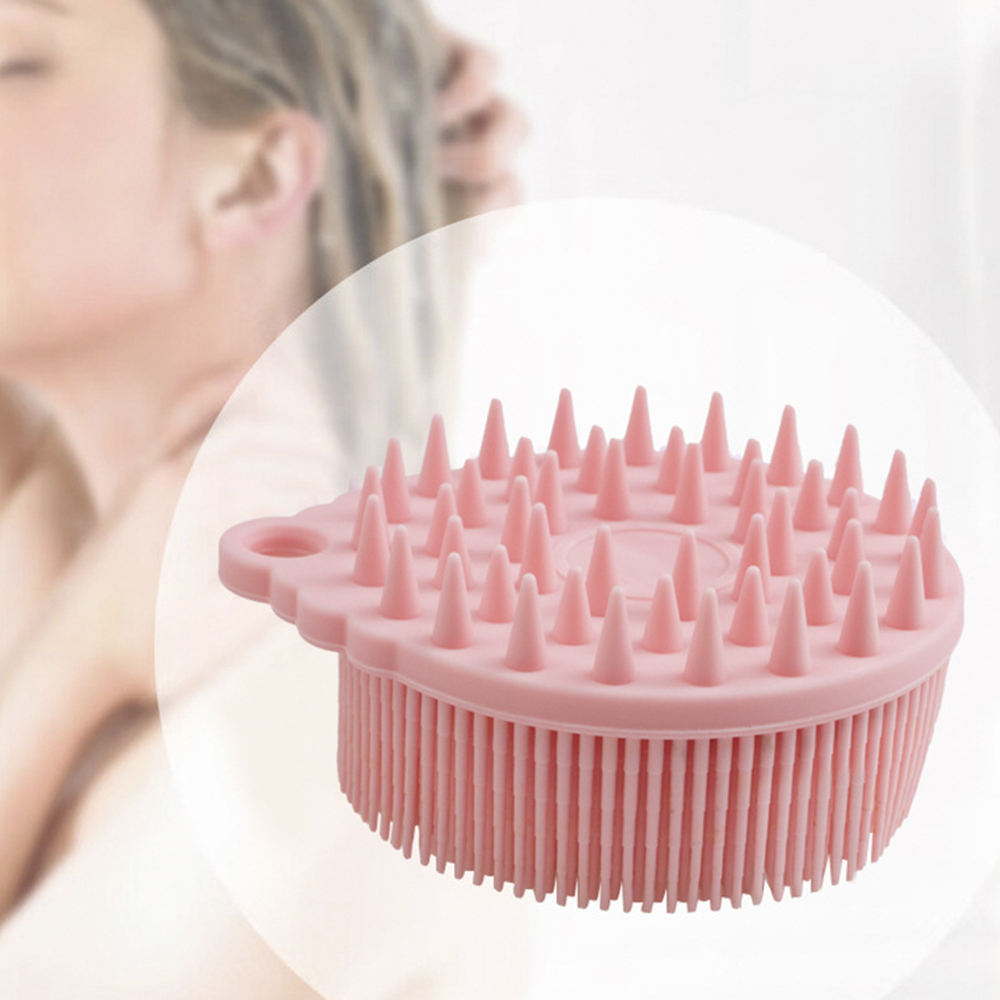
1. Market Analysis: Identifying the “Skinification” Trend
In 2026, the “skinification of hair” is the dominant trend. This means consumers are treating their scalps with the same rigor they treat their faces—exfoliating, hydrating, and stimulating blood flow.
Defining Your Target Audience
To stand out, you cannot simply sell a “brush.” You must solve a specific problem.
The High-Stress Professional: Focus on the “spa-at-home” experience, emphasizing tension relief and migraine reduction.
The Post-Gym Consumer: Market your tool as the ultimate deep-cleanse device to remove sweat and buildup after intense workouts.
The Thinning Hair Segment: Position the massager as a tool to stimulate follicles and improve the efficacy of hair growth serums.
2. Product Engineering: Beyond the Basic Scrub
A high-quality silicone hair brush comb is an engineering feat. In 2026, the market is tired of “cheap plastic” handles that snap or collect mold. To compete, your design must prioritize ergonomics and hygiene.
Bristle Density and Hardness
The effectiveness of a silicone hair scalp massager depends on its “durometer” (the measure of material hardness).
Soft Bristles (30-40 Shore A): Best for sensitive scalps and fine hair.
Firm Bristles (50-60 Shore A): Ideal for deep exfoliation and thick, curly hair.
Hybrid Designs: Many successful 2026 brands utilize multi-length bristles to reach the scalp through dense hair while providing a surface-level massage.
Ergonomic Handle Design
The “grip” is where many brands fail. Whether it is a “winged” handle for wet hands or a “knob” style that fits in the palm, the tool must feel like an extension of the hand. In 2026, anti-slip textures are a standard requirement for stadium-safe and shower-safe accessories.
3. Material Science: The Case for 100% Silicone
Safety is non-negotiable in the beauty industry. While many low-cost competitors use TPE or cheap plastics, a premium phone case brand or beauty brand should always opt for high-grade silicone.
Platinum-Cured Silicone: This is the gold standard for 2026. It ensures the product is 100% BPA-free, odorless, and resistant to mold and bacteria—a common issue with hollow, plastic-based scrubbers.
Heat and Chemical Resistance: A professional-grade silicone hair brush comb must withstand high shower temperatures and the chemical complexity of medicated shampoos without degrading.
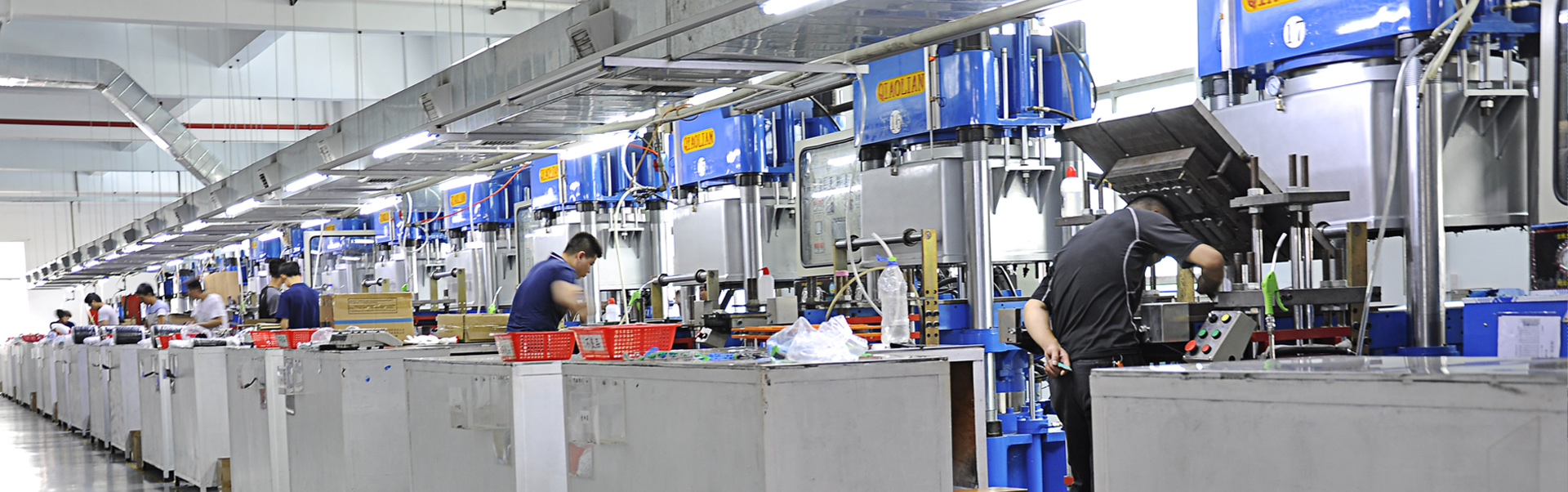
4. Sourcing a Reliable Silicone Hair Scalp Massager Factory
Your manufacturer is your most important partner. In 2026, transparency and ethical standards are the primary drivers of consumer trust.
Essential Factory Credentials
When vetting a manufacturer, ensure they hold the following certifications:
ISO 9001 & ISO 14001: For quality and environmental management.
BSCI or Sedex: To ensure ethical labor practices (vital for modern “conscious” branding).
FDA/LFGB Compliance: Even though it’s not for food, “food-grade” silicone is a powerful marketing claim that proves purity.
Manufacturing Techniques: LSR vs. Compression
For high-precision beauty tools, Liquid Silicone Rubber (LSR) injection molding is superior to traditional compression. LSR allows for intricate bristle shapes, zero “flash” (excess material), and a much more luxurious “soft-touch” finish.
5. Logistics and “Bulk” Inventory Strategy
Managing inventory is where most businesses live or die. Purchasing in bulk is essential to protect your margins, especially when competing on price-sensitive platforms.
| Factor | Dropshipping Model | Bulk Inventory Model (Recommended) |
| Profit Margin | 15% – 25% | 50% – 75% |
| Qualitätskontrolle | Virtually none | 100% Inspection before shipping |
| Verpackung | Generic/Boring | Custom, branded, eco-friendly |
| Shipping Speed | 7-21 days | 2-day (via local fulfillment) |
By ordering bulk units from a certified factory, you can customize the color (using Pantone matching) and emboss your logo directly onto the mold, creating a “moat” around your brand that copycats cannot easily cross.
6. Multi-Channel Sales: Amazon, Beauty Shops, and Beyond
In 2026, a brand must be “everywhere.” Diversifying your sales channels mitigates risk.
Dominating Amazon
Amazon remains the primary search engine for beauty tools.
PPC Strategy: Target long-tail keywords like “exfoliating silicone hair scalp massager for curly hair.”
Fulfillment by Amazon (FBA): This is essential for the “Prime” badge, which significantly increases conversion rates.
Partnering with the Local Beauty Shop
While online is huge, the “sensory” nature of silicone makes it perfect for brick-and-mortar.
Wholesale: Approach independent Beauty Shop owners with a “counter-top display” offer.
Salon Collaborations: Offer professional-grade scrubbers to hair salons. Stylists can use them during the shampoo phase and sell them as a “retail add-on” to customers.
7. Marketing: The Power of Social Proof
In 2026, people don’t buy products; they buy results.
UGC (User Generated Content): A 15-second TikTok of someone using a silicone hair brush comb and showing their “healthy scalp” results is worth $10,000 in traditional advertising.
The “Satisfying” Factor: Lean into the ASMR (Autonomous Sensory Meridian Response) trend. The sound and visual of silicone bristles moving through hair is highly engaging on social media.
Educational Content: Create “how-to” guides on scalp detoxification. Explain how the massager increases microcirculation to promote hair thickness.
8. Compliance, Safety, and Quality Control
Before your product reaches the consumer, it must pass rigorous testing.
Physical Testing: Ensure the bristles do not detach (choking hazard) and that the handle can withstand significant “pull force.”
Chemical Testing: Verify that the silicone does not “bleed” dye when exposed to oils and hot water.
Final Inspection: Hire a third-party agency to inspect 20% of your bulk order before it leaves the factory floor.
FAQ: Starting a Hair Scalp Massager Business
Q1: How much does it cost to start a scalp massager brand in 2026?
If you are ordering bulk inventory (approx. 500–1,000 units), you should plan for an initial investment of $3,000 to $6,000. This covers custom tooling (if your design is unique), inventory, and basic branding.
Q2: Can I sell the same design as everyone else?
You can, but it is a race to the bottom on price. In 2026, successful brands use custom silicone molds to create unique bristle patterns or ergonomic handles that competitors don’t have.
Q3: Is silicone better than plastic for hair brushes?
Absolutely. Silicone is non-porous (so it won’t grow mold), it is heat resistant, and it is much gentler on the delicate skin of the scalp compared to hard plastic bristles.
Q4: How do I handle competition on Amazon?
Focus on “Brand Registry” and “A+ Content.” Use professional photography that highlights the purity of your silicone and your social responsibility certifications (BSCI/ISO).
Q5: What is the average lead time for a custom order?
Typically, mold development takes 25–30 days, and mass production takes another 15–20 days. Including shipping, you should plan for a 2-month window from design to launch.