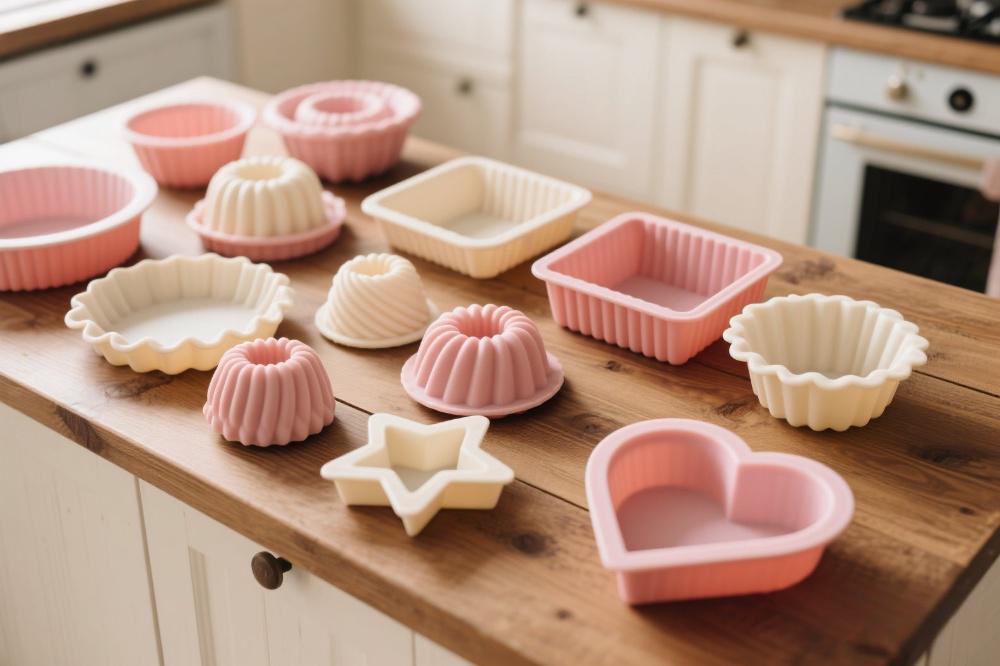
Is Silicone Molds Safe for Steaming?

Is Silicone Molds Safe for Steaming?

Silicone molds have become an essential part of modern kitchens and craft studios, used for baking, steaming, freezing, and even candle making. Whether you’re using chocolate molds, ice cube trays, or cake molds, one question often arises: Are silicone molds safe for steaming? The short answer is yes — if they’re made from 100% food-grade silicone.


1. Understanding Food-Grade Silicone

Food-grade silicone is a non-toxic, BPA-free material made primarily from silica (sand) and oxygen. It’s widely used in kitchenware because of its flexibility, high heat resistance, and chemical stability. Certified FDA and LFGB silicone molds are tested to ensure they do not release harmful substances when exposed to heat or moisture.

Unlike plastic molds that can melt or release toxins, food-grade silicone remains stable even under extreme temperatures. This makes it a safe choice for steaming, baking, and freezing alike.


2. Temperature Resistance and Safety

Silicone molds are known for their wide temperature tolerance — from -40°C (-40°F) to 230°C (446°F). This means you can safely use them in:

  • Steamers

  • Ovens

  • Microwaves

  • Dishwashers

  • Freezers

When used for steaming, silicone molds don’t deform, melt, or leach chemicals into your food. That’s why many households use them for steamed cakes, egg bites, and dim sum.

However, always make sure your mold is labeled as “food-grade” or “FDA/LFGB approved.” Industrial-grade or low-quality silicone may contain fillers or plastic additives that can release odors or toxins when heated.


3. Best Silicone Molds for Steaming

Not all molds are made the same. Here are a few silicone products suitable for steaming and versatile kitchen use:

  • Silicone Cake Mold: Perfect for steaming sponge cakes, muffins, and puddings.

  • Chocolate Molds: Can double as mini steam molds for small desserts.

  • Ice Cube Trays: Great for portioning sauces or baby food to steam later.

  • Silicone Candle Molds: Although primarily for crafts, the same production-grade silicone can withstand steam temperatures — just ensure they are not scented or colored for food use.

Each of these molds is flexible, reusable, and easy to clean, making them an eco-friendly alternative to disposable plastic containers.


4. How to Use Silicone Molds for Steaming Safely

To ensure the best results and safety when steaming with silicone molds:

  1. Place the mold on a stable tray or rack inside the steamer to prevent tipping.

  2. Avoid direct contact with boiling water — keep it slightly above the water level.

  3. Do not cover with plastic wrap — steam needs to circulate evenly.

  4. Clean thoroughly after each use to remove oil residue and prevent discoloration.

  5. Avoid sharp tools when removing food to prevent tearing the mold.Silicone Cake Molds

Following these simple tips ensures your silicone chocolate molds, ice cube trays, or cake molds remain durable and food-safe for years.


5. Environmental and Health Benefits

Silicone is a more sustainable choice compared to single-use plastics. It is reusable, odorless, and recyclable, helping reduce plastic waste in the kitchen. Moreover, silicone molds are non-stick, so you can cook or steam without using excess oils or parchment paper — supporting a healthier and greener cooking lifestyle.


6. Final Thoughts

So, are silicone molds safe for steaming? Absolutely — as long as they’re made from 100% food-grade, BPA-free silicone and certified by FDA or LFGB standards.
Whether you’re preparing steamed desserts, molding chocolates, or freezing ice cubes, silicone molds are a versatile, durable, and eco-friendly choice for both home cooks and professionals.

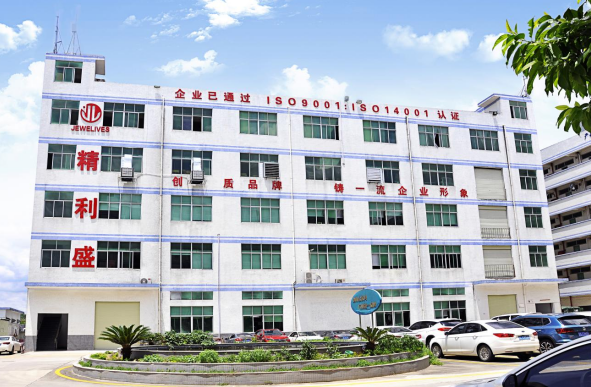
If you’re sourcing high-quality silicone molds such as cake molds, ice cube trays, or custom chocolate molds, jewelives Silicone Factory offers OEM & ODM manufacturing using certified food-grade silicone materials. We supply to global brands and ensure every product meets international safety standards.
Verwandter Posten

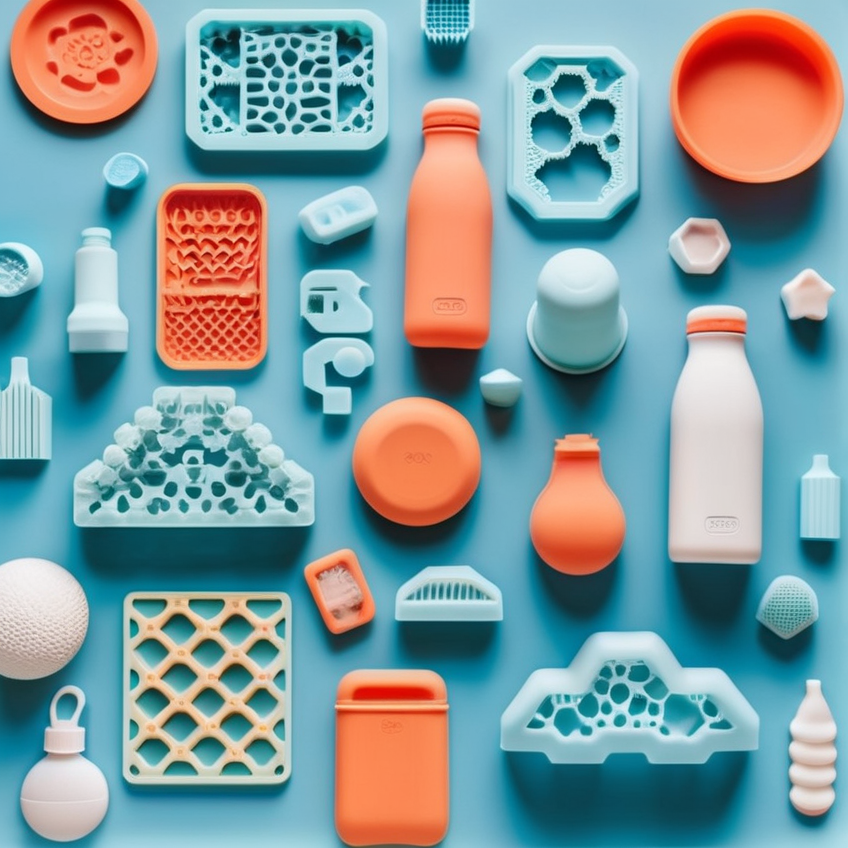
Silicone Materials
Jewelives Comoany
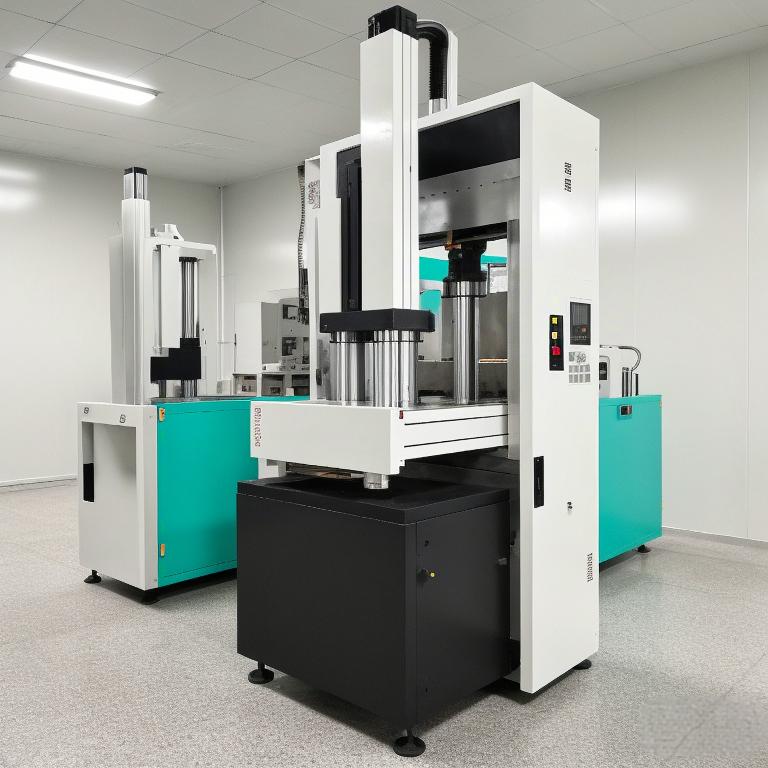
Introduction to Silicone Manufacturing Silicone manufacturing is a specialized industry that requires a deep understanding of material science, chemical engineering, and environmental management. As a leading silicone factory, we pride ourselves on our ability to create custom silicone products tailored to the unique needs of our wholesale clients. This article delves into the manufacturing process, health and safety considerations, and the management strategies that ensure the highest standards of quality and compliance. 1. The Manufacturing Process of Silicone 1.1 Overview of the Manufacturing Process The silicone manufacturing process involves the transformation of raw silicone materials into finished products through curing and vulcanization. Curing refers to the process where silicone compounds harden through the addition of heat or moisture, while vulcanization involves the use of catalysts to speed up the hardening process. Over the years, we have perfected these processes to ensure the production of durable and high-quality silicone products. Curing with Peroxides During the vulcanization process employing peroxides, peroxides are incorporated into the silicone compound, which triggers a reaction leading to material solidification. This approach is renowned for its dependability and its capability to attain broad hardness levels in the end products. It is applicable for general silicone rubber goods, like those used in wires and cables, and also for oil-resistant and solvent-resistant silicone rubbers. Vulcanization with Platinum Catalysts On the other hand, vulcanization using a platinum catalyst is a more specialized process that allows for exceptional control of the reaction and produces items with superior purity and performance. This method is particularly suited for manufacturing custom silicone products that require high precision and consistency. It is ideal for products where environmental protection and hygiene conditions are of higher concern, such as food-grade silicone products and medical devices. 1.2 Chemical Composition and Volatile Emissions The chemical composition of silicone materials includes base polymers, fillers, and additives. Additives play a crucial role in enhancing the properties of silicone products, such as flexibility, heat resistance, and UV stability. Curing agents and catalysts are essential for initiating and controlling the polymerization reactions that lead to the formation of the silicone product. 1.3 Common Volatiles in Silicone Manufacturing During the manufacturing process, various volatile organic compounds (VOCs) can be emitted, including methyl siloxanes and other siloxane oligomers. These emissions can have environmental and health implications, which is why our silicone factory has implemented stringent measures to minimize their release. 2. Health, Safety, and Environmental Impact 2.1 Health and Safety Risks in the Manufacturing Environment The health and safety of our workers is paramount. In the silicone manufacturing environment, exposure to uncured silicone, catalysts, and other chemicals can pose risks. Therefore, we have established safety measures and protocols that include the use of personal protective equipment (PPE) and regular health check-ups for our employees. 2.2 Impact of Volatiles on the Environment The release of volatiles into the environment can contribute to air pollution and have long-term effects on ecosystems. As a responsible silicone factory, we are committed to reducing our environmental footprint by adopting advanced technologies that minimize VOC emissions and by recycling waste materials whenever possible. 2.3 Regulatory Compliance and Standards Adherence to regulations is a cornerstone of our operations. Both national and international standards, such as those set by the European Union's REACH regulations and the United States' EPA guidelines, dictate the allowable levels of VOC emissions and the safety measures that must be in place. Our silicone factory is fully compliant with these standards, ensuring that our operations are both safe and environmentally responsible. 3. Management Strategies 3.1 Implementing Safety Measures and Protocols To safeguard our workers and the environment, we have implemented a range of safety measures and protocols. These include the use of closed-loop systems to capture and treat emissions, regular equipment maintenance to prevent leaks, and comprehensive training programs for our staff. 3.2 Advancements in Process and Material Technology Innovation is at the heart of our silicone manufacturing process. We continuously invest in research and development to improve our manufacturing processes and material technologies. This includes exploring new catalysts that reduce VOC emissions and developing silicone compounds with enhanced properties for applications like silicone lunch boxes and water bottles. 3.3 Regulatory Compliance and Environmental Management Our commitment to regulatory compliance extends beyond mere adherence to standards. We actively engage with regulatory bodies to ensure that our practices are not only compliant but also contribute to the development of more stringent environmental protections. Our environmental management system is certified to ISO 14001, demonstrating our dedication to sustainable practices. 4. Conclusion Silicone manufacturing is a complex process that requires a delicate balance between product quality, worker safety, and environmental responsibility. As a silicone factory specializing in custom silicone products, we are committed to maintaining the highest standards across all aspects of our operations. By investing in advanced technologies, adhering to strict safety protocols, and prioritizing environmental stewardship, we ensure that our silicone products meet the needs of our wholesale clients while also protecting the health of our workers and the planet.
Silicone Baby Teether Toy Set
Nach oben scrollen

Kontakt