German
  English
  French
  Spanish
  Russian
  Polish
  Chinese
  Japanese
  Korean
Inhalt
The Strategic Guide to Sourcing Professional Silicone Ice Molds
For brand retailers and sourcing professionals, navigating the silicone manufacturing landscape requires a balance of chemical safety, engineering precision, and consumer appeal. Whether you are developing custom silicone molds for a new product line or stocking high-volume silicone ice trays, this guide outlines the critical pillars of quality based on industry-leading standards.
1. Material Integrity: Beyond “Food Grade”
The foundation of any high-performing silicone food molds is the raw material. Retailers must distinguish between basic compliance and premium safety.
LFGB vs. FDA Standards: While both are safe, LFGB (the European standard) is the gold standard for silicone freezer molds. It involves more rigorous testing for volatile organic compounds, ensuring that products like silicone ice block moulds remain odorless and neutral in taste.
The Platinum Cure Advantage: For items with prolonged food contact, such as silicone freeze pop molds or silicone pop molds, platinum-cured silicone is preferred over peroxide-cured. It prevents “blooming” (a white powdery residue) and ensures the material remains clear and durable over thousands of uses.
Verifying Purity: A reputable supplier should provide a Material Safety Data Sheet (MSDS). Retailers can perform a “twist test” on a silicone mould tray—if the material turns white when stretched, it contains fillers that may degrade the product’s lifespan.
2. Design Engineering: Function Meets Aesthetics
A well-designed silicone ice ball molds or silicone sphere ice mould must do more than just look good; it must function flawlessly for the end-user.
Structural Integrity: Spherical ice cube tray designs require precise wall thickness to prevent bulging during the freezing process. Similarly, silicone ice block mold units need reinforced rims to stay stable when being transported from the sink to the freezer.
Ease of Release: The “Shore A” hardness (durometer) of the silicone is critical. For mini silicone molds or silicone mini ice cube trays, a lower hardness (softer) allows for easier popping of contents, whereas silicone ice cubes trays might require a slightly firmer build for stacking.
Advanced Customization: The rise of custom 3d silicone molds allows brands to create unique shapes. Utilizing custom silicone ice molds or customizable silicone ice cube tray options helps a brand stand out in a crowded retail market.
3. Production Excellence & Technical Support
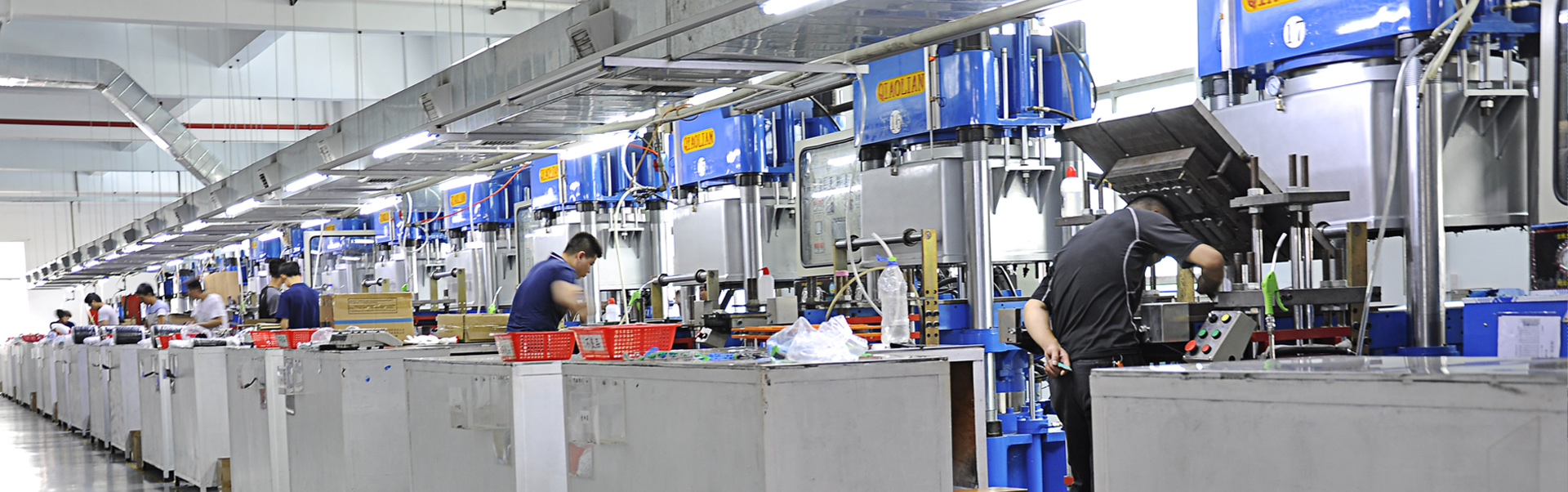
Selecting a factory for custom made silicone molds involves auditing their technical capabilities and social compliance.
LSR vs. Compression Molding: For high-precision items like silicone ice cream moulds or detailed silicone candy mold shapes, Liquid Silicone Rubber (LSR) injection is the superior choice. It offers tighter tolerances and reduces “flash” (excess material), which is vital for custom ice trays silicone.
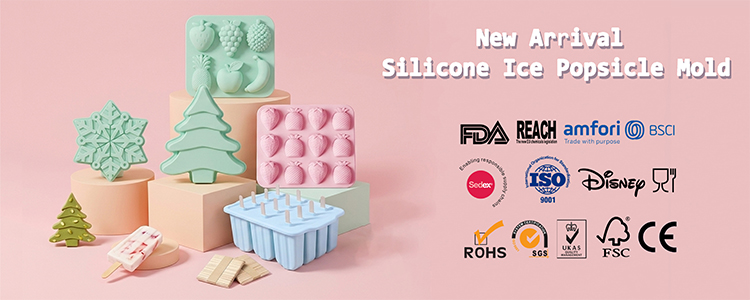
Audit Readiness: A reputable factory must maintain ISO 9001 and undergo social audits like BSCI or Sedex. This protects your brand from ethical risks and ensures consistent quality for custom silicone molds for candles or custom baking molds.
Prototyping: Professional suppliers of silicone mold making supplies should offer rapid 3D prototyping. This allows you to test a silicone ball ice mold or silicone ice sphere mould before committing to expensive steel mold tooling.

4. Consumer Usage & Maintenance
The success of a product at the retail level depends on the consumer’s experience. High-quality silicone tray moulds should offer versatility and durability.
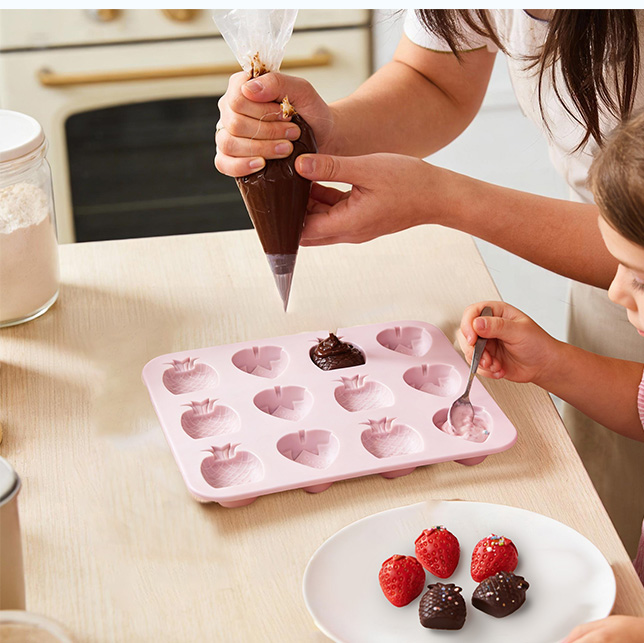
Temperature Versatility: Premium silicone ice cream mold products should safely handle a range from -40°C to 230°C. This allows a custom silicone ice cube trays to be used for baking or candy making as well.
Hygiene & Cleaning: Silicone’s non-porous nature makes it resistant to bacteria. Ensure your silicone ice block moulds are dishwasher safe. For specialized items like custom candle molds or custom silicone molds for candles, instructions on how to remove wax residue add value for the consumer.

Summary Checklist for Retailers
| Merkmal | Professional Standard | Why It Matters |
| Material | Platinum-Cured LFGB | Safety & Odor Prevention |
| Produktion | LSR Injection | Precision & No Burrs |
| Audit | BSCI / Sedex / Disney FAMA | Brand Protection |
| Gestaltung | 3D Prototyping | Market Differentiation |