How to Put Logo or Pattern on Silicone Bowls?

How to Put Logo or Pattern on Silicone Bowls?

Silicone bowls have become one of the most popular modern tableware options for families, restaurants, baby feeding brands, promotional gifts and outdoor dining. Flexible, durable and completely reusable, they solve the problems of broken plastic bowls, stained stainless steel and fragile glass. Even with everyday use, silicone tableware maintains its shape and can easily be passed down to siblings or reused for years.

Many brands, supermarkets, baby feeding companies and distributors now customize silicone bowls with company logos or creative patterns to enhance brand recognition. But how are logos actually added to silicone bowls?

This guide explains common printing methods, safety requirements, and the most efficient ways to customize silicone bowls for commercial and promotional use.


What Are Silicone Bowls Used For?

Silicone kitchen bowls are made from food-grade silicone—a non-toxic, flexible material resistant to heat, cold and impact. Their advantages make them ideal for:

  • Baby feeding bowls

  • Camping and outdoor tableware

  • Pet food bowls

  • Promotional gifts for brands

  • Restaurant and take-away food service

  • Home baking and microwave heating

They are:
Unbreakable
Stackable & space-saving
Microwave, dishwasher, freezer & oven safe
Heat-resistant up to 230°C depending on material
Safe for children and food contact


Benefits of Silicone Bowls

Fonctionnalité Why it matters
Non-toxic Free of BPA, PVC, phthalates and latex
Heat & freeze safe Can go from microwave or oven directly to the freezer
Soft & unbreakable Ideal for babies, kids and elderly use
Odor and stain resistant No flavor transfer and easy cleaning
Reusable & eco-friendly Replaces single-use plastic bowls

These benefits make silicone bowls a popular choice in the baby product industry, kitchenware retail, corporate gifting and promotional markets.


Why Add a Logo or Pattern on Silicone Bowls?

Printing or engraving a logo turns a simple product into a branded asset:

Brand awareness
Retail & wholesale promotion
Personalized designs for gift sets
Stronger customer loyalty
Professional and premium appearance

Businesses that commonly customize silicone bowls:

  • Baby products & feeding brands

  • Retail chain stores

  • Supermarket and lifestyle brands

  • Promotional gift suppliers

  • Restaurants and cafés

  • Pet product brands


How to Put Logos or Patterns on Silicone Bowls

Different decoration techniques are used depending on the logo style, colors and surface texture. The most common and durable methods include:


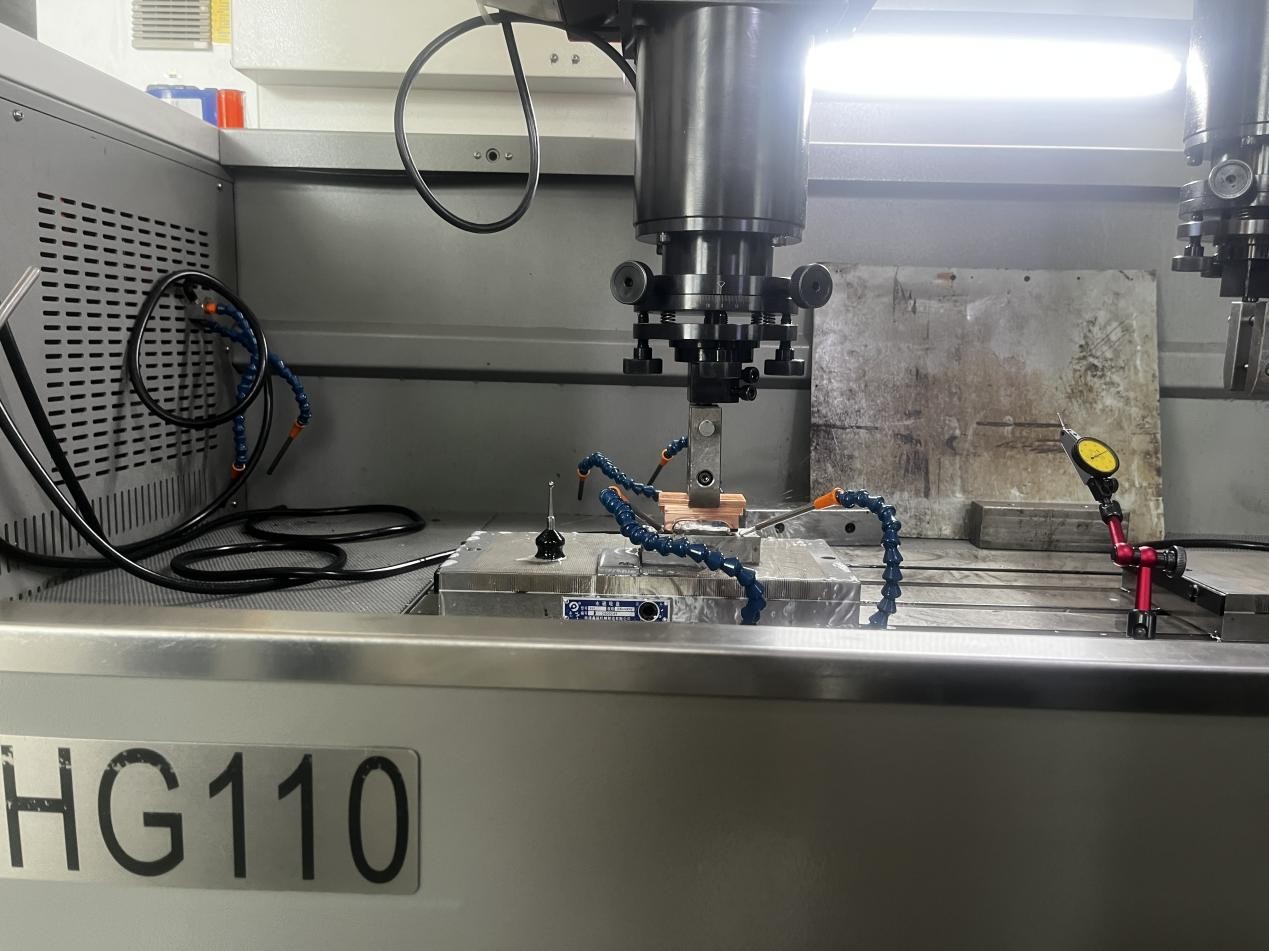
1. CNC Mold Engraving (Embossed / Debossed)

The logo is engraved directly into the metal mold during production.
Most durable
No ink or coating—safe for food contact
Permanent and will never fade
Ideal for baby feeding bowls and brand sets

Best choice for baby brands, kitchenware brands and premium OEM manufacturing.


2. Laser Engraving

A laser burns the design onto the silicone surface for a sharp, permanent mark.

  • Works on curved and flat surfaces

  • Fine lines and small text stay clear

  • Won’t wash, peel or fade

  • Great for long-term branding and personalization


3. Pad Printing

A silicone pad transfers ink from a printing plate onto the bowl.

  • Works on curved and uneven surfaces

  • Good for simple, single-color logos

  • Common in promotional merchandise


4. Heat Transfer Printing

Heat and pressure move a printed film onto the silicone surface.

  • Supports multi-color, gradients & detailed artwork

  • Smooth and bright finish

  • Ideal for colorful baby bowls or gift sets


5. In-Mold Decoration (IMD)

Graphics are printed on a film and placed inside the mold before injection.

  • Very durable and scratch-resistant

  • Multi-color and complex designs supported

  • Professional finish for high-volume orders


Which Method Should You Choose?

Méthode Best For Food-Safe Durability
CNC Engraving Baby bowls, premium brands ⭐⭐⭐⭐⭐
Laser Engraving Custom name/logo ⭐⭐⭐⭐⭐
Pad Printing Budget promotions ✅ (food-safe ink) ⭐⭐⭐
Heat Transfer Multi-color artwork ⭐⭐⭐⭐
IMD High-end retail products ⭐⭐⭐⭐⭐

Conclusion

Adding a logo or pattern to silicone bowls is a smart way to build brand value, support wholesale marketing and create memorable gift or retail products. With the right printing method—especially CNC mold engraving or laser marking—logos remain permanent, safe and professional.

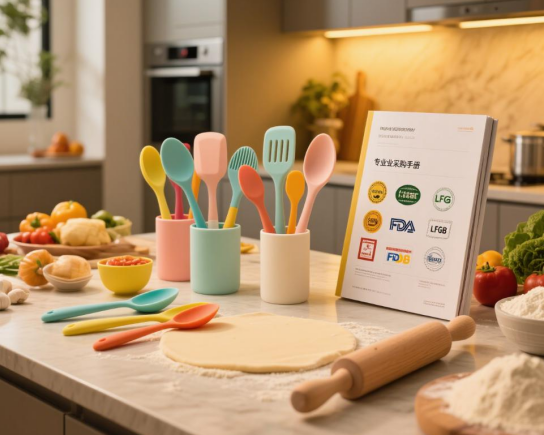
If you need OEM or ODM customized silicone bowls, suction bowls, silicone dinner sets, or baby tableware with logo printing options, professional silicone manufacturers can handle mold development, design and mass production with full certification (FDA, LFGB, BPA-free).


Want custom silicone bowls with your brand logo?
Tell me your quantity, color, and logo requirements, and I can help draft product copy, pricing structure, and RFQ templates for suppliers.
Poste connexe

Host's speech
Adult Silicone Bibs
Introduction to Silicone Manufacturing Silicone manufacturing is a specialized industry that requires a deep understanding of material science, chemical engineering, and environmental management. As a leading silicone factory, we pride ourselves on our ability to create custom silicone products tailored to the unique needs of our wholesale clients. This article delves into the manufacturing process, health and safety considerations, and the management strategies that ensure the highest standards of quality and compliance. 1. The Manufacturing Process of Silicone 1.1 Overview of the Manufacturing Process The silicone manufacturing process involves the transformation of raw silicone materials into finished products through curing and vulcanization. Curing refers to the process where silicone compounds harden through the addition of heat or moisture, while vulcanization involves the use of catalysts to speed up the hardening process. Over the years, we have perfected these processes to ensure the production of durable and high-quality silicone products. Curing with Peroxides During the vulcanization process employing peroxides, peroxides are incorporated into the silicone compound, which triggers a reaction leading to material solidification. This approach is renowned for its dependability and its capability to attain broad hardness levels in the end products. It is applicable for general silicone rubber goods, like those used in wires and cables, and also for oil-resistant and solvent-resistant silicone rubbers. Vulcanization with Platinum Catalysts On the other hand, vulcanization using a platinum catalyst is a more specialized process that allows for exceptional control of the reaction and produces items with superior purity and performance. This method is particularly suited for manufacturing custom silicone products that require high precision and consistency. It is ideal for products where environmental protection and hygiene conditions are of higher concern, such as food-grade silicone products and medical devices. 1.2 Chemical Composition and Volatile Emissions The chemical composition of silicone materials includes base polymers, fillers, and additives. Additives play a crucial role in enhancing the properties of silicone products, such as flexibility, heat resistance, and UV stability. Curing agents and catalysts are essential for initiating and controlling the polymerization reactions that lead to the formation of the silicone product. 1.3 Common Volatiles in Silicone Manufacturing During the manufacturing process, various volatile organic compounds (VOCs) can be emitted, including methyl siloxanes and other siloxane oligomers. These emissions can have environmental and health implications, which is why our silicone factory has implemented stringent measures to minimize their release. 2. Health, Safety, and Environmental Impact 2.1 Health and Safety Risks in the Manufacturing Environment The health and safety of our workers is paramount. In the silicone manufacturing environment, exposure to uncured silicone, catalysts, and other chemicals can pose risks. Therefore, we have established safety measures and protocols that include the use of personal protective equipment (PPE) and regular health check-ups for our employees. 2.2 Impact of Volatiles on the Environment The release of volatiles into the environment can contribute to air pollution and have long-term effects on ecosystems. As a responsible silicone factory, we are committed to reducing our environmental footprint by adopting advanced technologies that minimize VOC emissions and by recycling waste materials whenever possible. 2.3 Regulatory Compliance and Standards Adherence to regulations is a cornerstone of our operations. Both national and international standards, such as those set by the European Union's REACH regulations and the United States' EPA guidelines, dictate the allowable levels of VOC emissions and the safety measures that must be in place. Our silicone factory is fully compliant with these standards, ensuring that our operations are both safe and environmentally responsible. 3. Management Strategies 3.1 Implementing Safety Measures and Protocols To safeguard our workers and the environment, we have implemented a range of safety measures and protocols. These include the use of closed-loop systems to capture and treat emissions, regular equipment maintenance to prevent leaks, and comprehensive training programs for our staff. 3.2 Advancements in Process and Material Technology Innovation is at the heart of our silicone manufacturing process. We continuously invest in research and development to improve our manufacturing processes and material technologies. This includes exploring new catalysts that reduce VOC emissions and developing silicone compounds with enhanced properties for applications like silicone lunch boxes and water bottles. 3.3 Regulatory Compliance and Environmental Management Our commitment to regulatory compliance extends beyond mere adherence to standards. We actively engage with regulatory bodies to ensure that our practices are not only compliant but also contribute to the development of more stringent environmental protections. Our environmental management system is certified to ISO 14001, demonstrating our dedication to sustainable practices. 4. Conclusion Silicone manufacturing is a complex process that requires a delicate balance between product quality, worker safety, and environmental responsibility. As a silicone factory specializing in custom silicone products, we are committed to maintaining the highest standards across all aspects of our operations. By investing in advanced technologies, adhering to strict safety protocols, and prioritizing environmental stewardship, we ensure that our silicone products meet the needs of our wholesale clients while also protecting the health of our workers and the planet.
silicone feeding set
Retour en haut

Nous contacter