French
  English
  German
  Spanish
  Russian
  Polish
  Chinese
  Japanese
  Korean
Contenu
The global silicone maternity and baby products industry is entering a new stage of development in 2026. Parents are no longer choosing products only by price, color, or basic function. They increasingly evaluate material safety, practical design, environmental impact, product durability, manufacturing transparency, and compatibility with modern family routines.
Silicone has become an important material across baby feeding, maternity care, food storage, teething, bathing, and travel categories. Its flexibility, temperature resistance, reusable nature, and ability to support creative product structures make it attractive to brands seeking alternatives to conventional rigid plastics. However, market growth is also creating higher expectations. In 2026, successful suppliers must combine material performance with verified compliance, thoughtful engineering, distinctive aesthetics, and reliable global production.
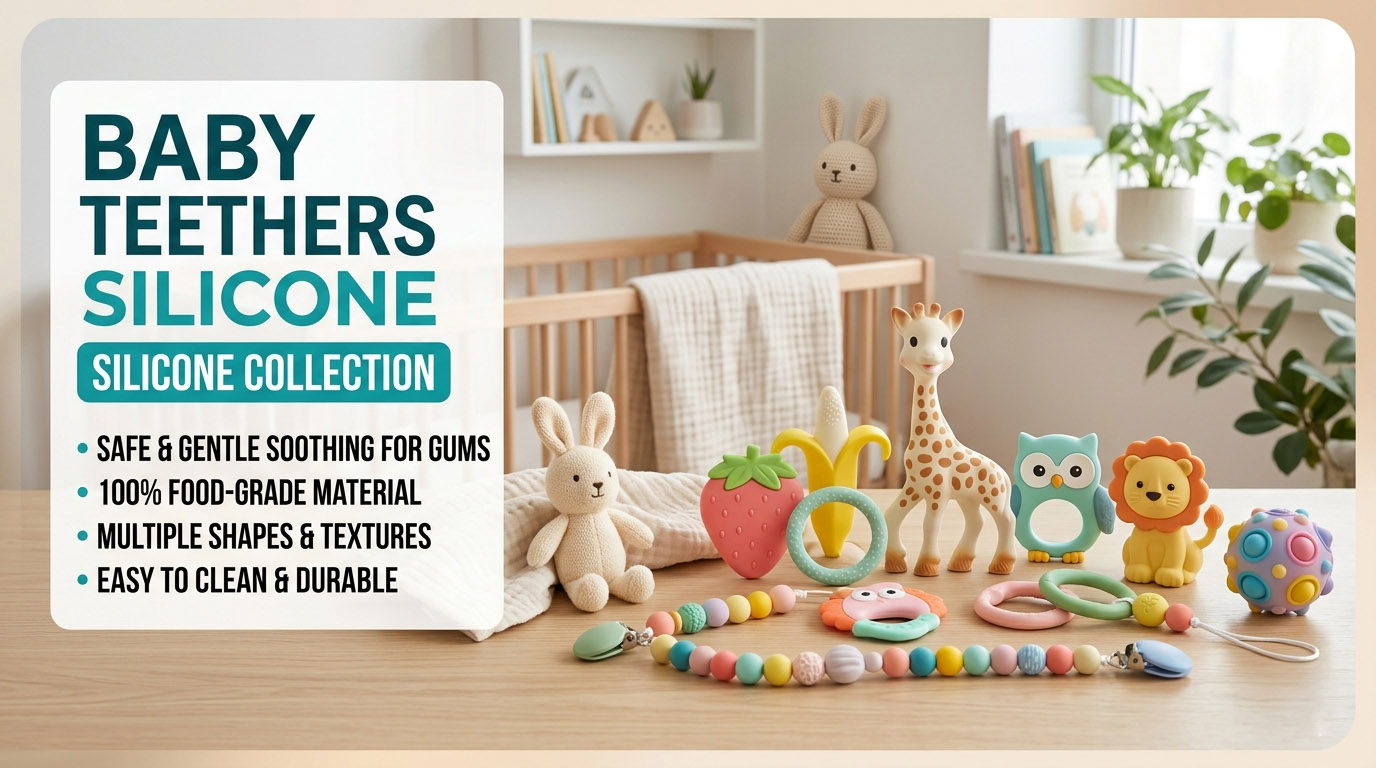
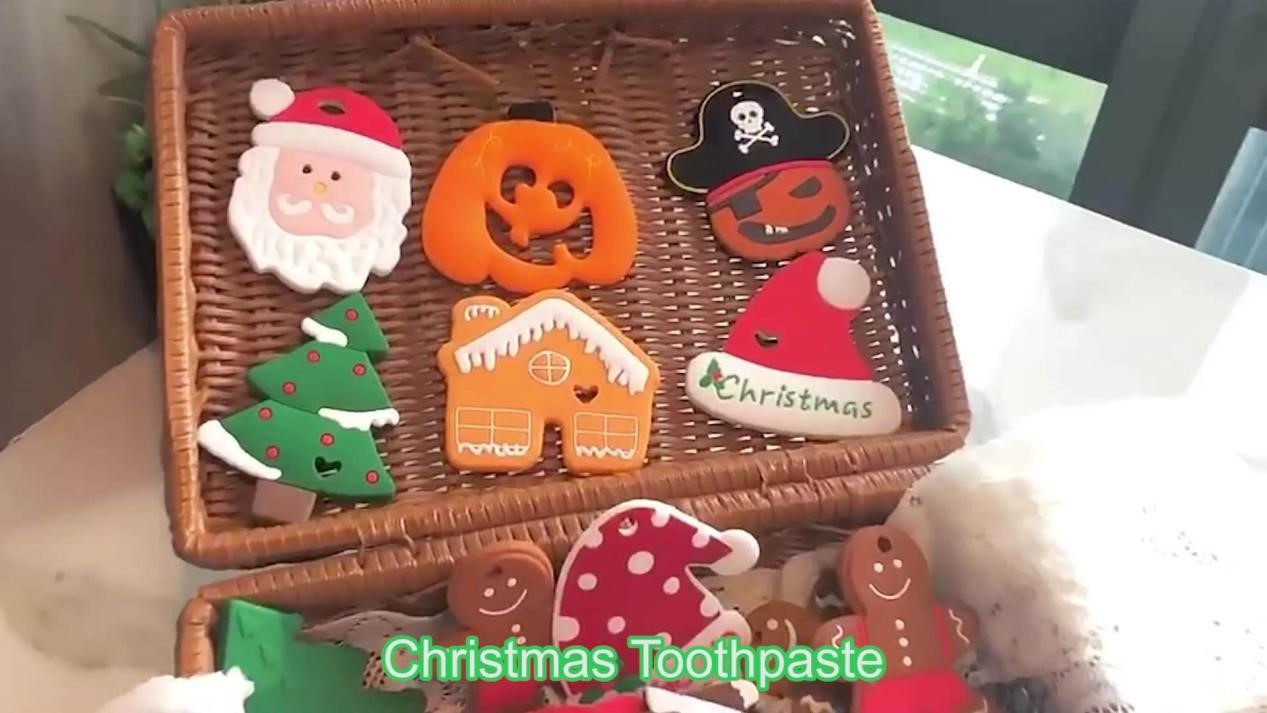
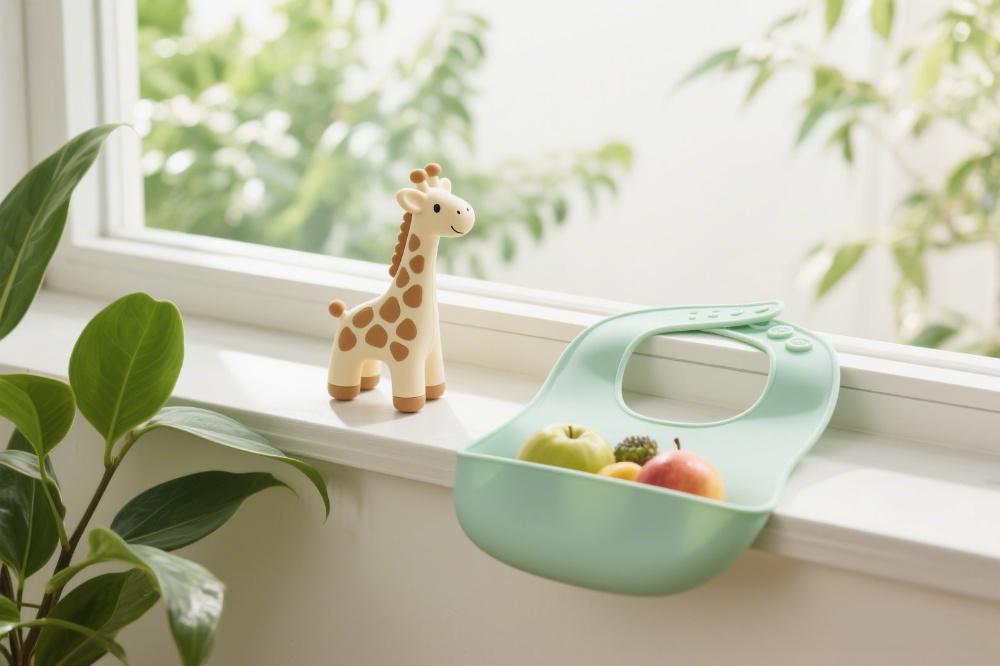
Material Safety Is Becoming the Primary Purchase Driver
Safety has always been essential in the baby product industry, but consumers in 2026 are more informed and more cautious. Parents frequently search for terms such as food-grade silicone, BPA-free baby feeding products, LFGB-compliant silicone, FDA-compliant materials, and phthalate-free baby products before making a purchase.
This behavior is encouraging brands to provide clearer information about raw materials, testing methods, production environments, and intended product use. General statements such as “safe silicone” are no longer enough for professional buyers. Retailers, distributors, and private-label brands increasingly request material specifications, migration test reports, declarations of conformity, batch records, and documentation from accredited laboratories.
Regulatory developments are also influencing product development. The European Union’s restrictions on bisphenol A in food-contact materials have increased attention on chemical safety throughout feeding and food-storage categories. Although silicone and plastic are different material systems, the broader regulatory direction is clear: products intended for babies and food contact must be supported by stronger risk assessment and supply-chain control.
- Traceable food-grade silicone raw materials
- Relevant FDA, LFGB, REACH, or regional compliance testing
- BPA-free, PVC-free, and phthalate-free product declarations
- Controlled molding, curing, cleaning, and inspection procedures
- Complete documentation for each target market
Reusable Products Are Replacing Disposable Solutions
Sustainability remains one of the most influential trends shaping the silicone maternity and baby products industry in 2026. Families are looking for products that can be cleaned, reused, stored, and passed from one child to another. Silicone bibs, snack cups, freezer trays, breast milk storage containers, feeding sets, and collapsible bottles fit naturally into this preference for lower-waste daily routines.
The strongest sustainable products are not marketed only as reusable. They are engineered for long service life. A reusable product that stains easily, absorbs odors, cracks at a folding point, or becomes difficult to clean will not satisfy environmentally conscious consumers. Brands therefore need to consider durability, cleaning efficiency, packaging reduction, replaceable components, and end-of-use guidance from the beginning of product development.
Durability Is Becoming a Sustainability Metric
In 2026, sustainability claims are becoming more specific. Instead of relying on vague phrases such as “eco-friendly,” brands are communicating measurable benefits, including estimated reuse cycles, reduced dependence on disposable bags, compact shipping volume, minimal packaging, or multi-stage product use.
For manufacturers, this creates opportunities to improve tear resistance, wall thickness, hinge design, surface finish, and structural stability. Long-lasting performance can become a stronger competitive advantage than simply offering a lower unit price.
Minimalist Design Is Evolving into Functional Aesthetics
Soft neutral colors, Scandinavian-inspired palettes, and simple forms continue to influence the maternity and baby market. Beige, sage green, muted blue, dusty pink, terracotta, oatmeal, and Nordic purple remain popular because they coordinate easily with modern kitchens, nurseries, and social media photography.
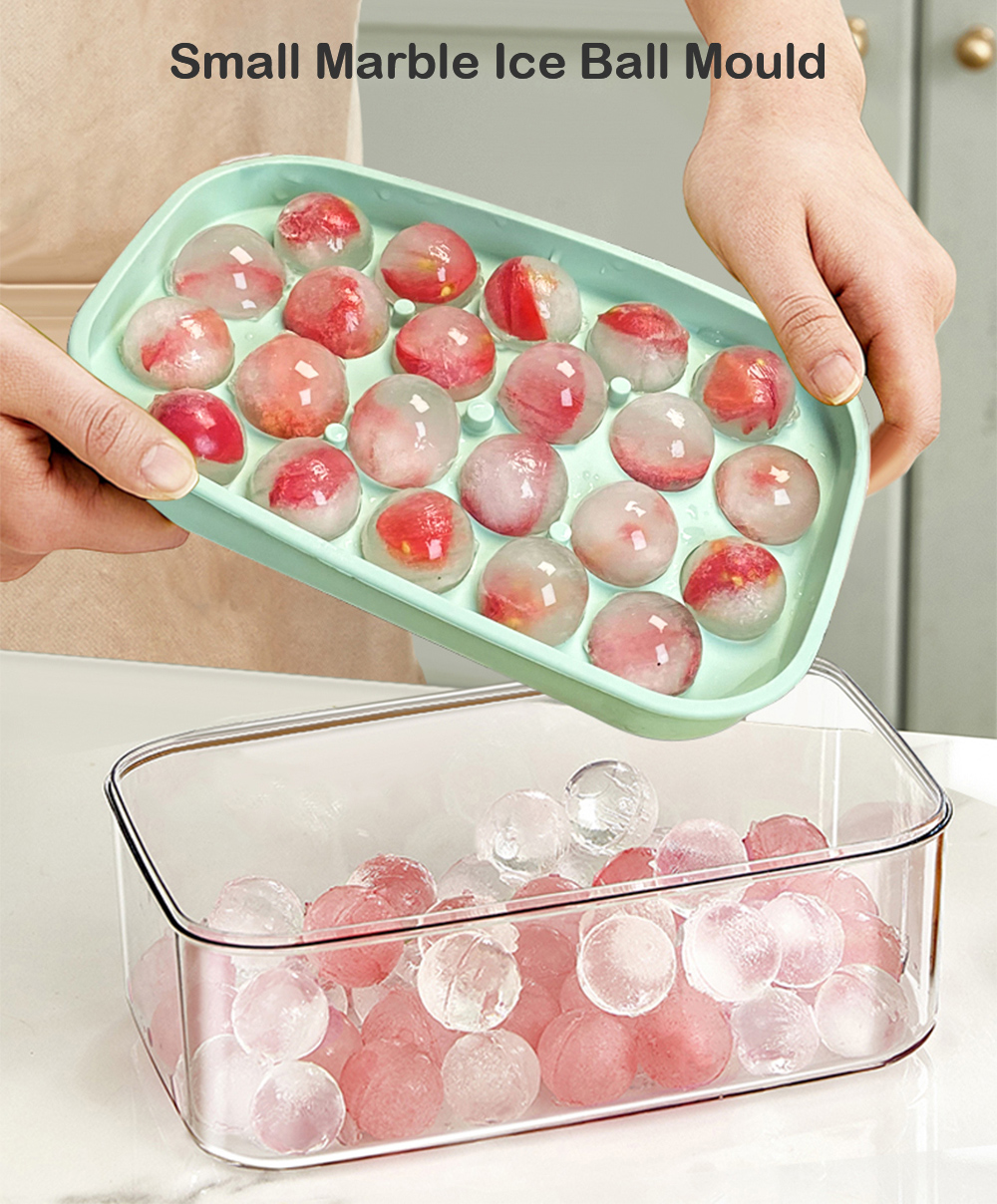
However, appearance alone is no longer sufficient. In 2026, buyers are placing greater value on functional aesthetics: products that look refined while solving real problems. Examples include silicone bibs with deeper food-catching pockets, divided plates with improved portion layouts, snack cups with softer access openings, foldable bottles with more stable bases, and freezer trays with clearer portion markings.
Design Details That Influence Conversion
- Rounded profiles that appear safe and comfortable
- Coordinated color collections that encourage multi-item purchases
- Compact storage structures for apartments and travel
- Easy-grip surfaces for parents and developing children
- Simple visual instructions molded directly into products
This trend is especially important for online sales. Consumers often make decisions based on product thumbnails, short videos, and a limited number of detail images. A recognizable silhouette, clear functional feature, or distinctive color combination can improve product differentiation in crowded marketplaces.
Ergonomic Products Are Supporting Independent Feeding
The growth of baby-led feeding and independent eating continues to influence product design. The World Health Organization recommends introducing appropriate complementary foods at around six months while continuing breastfeeding. This stage creates demand for plates, bowls, spoons, cups, bibs, freezer trays, and food-storage systems designed for developing motor skills and family convenience.
Silicone is well suited to this category because it can provide soft edges, flexible handles, non-slip bases, and child-friendly shapes. Nevertheless, good design requires more than adding suction to the bottom of a plate. Manufacturers must evaluate suction performance on different table surfaces, release-tab placement, bowl depth, spoon angles, handle dimensions, and the balance between flexibility and stability.
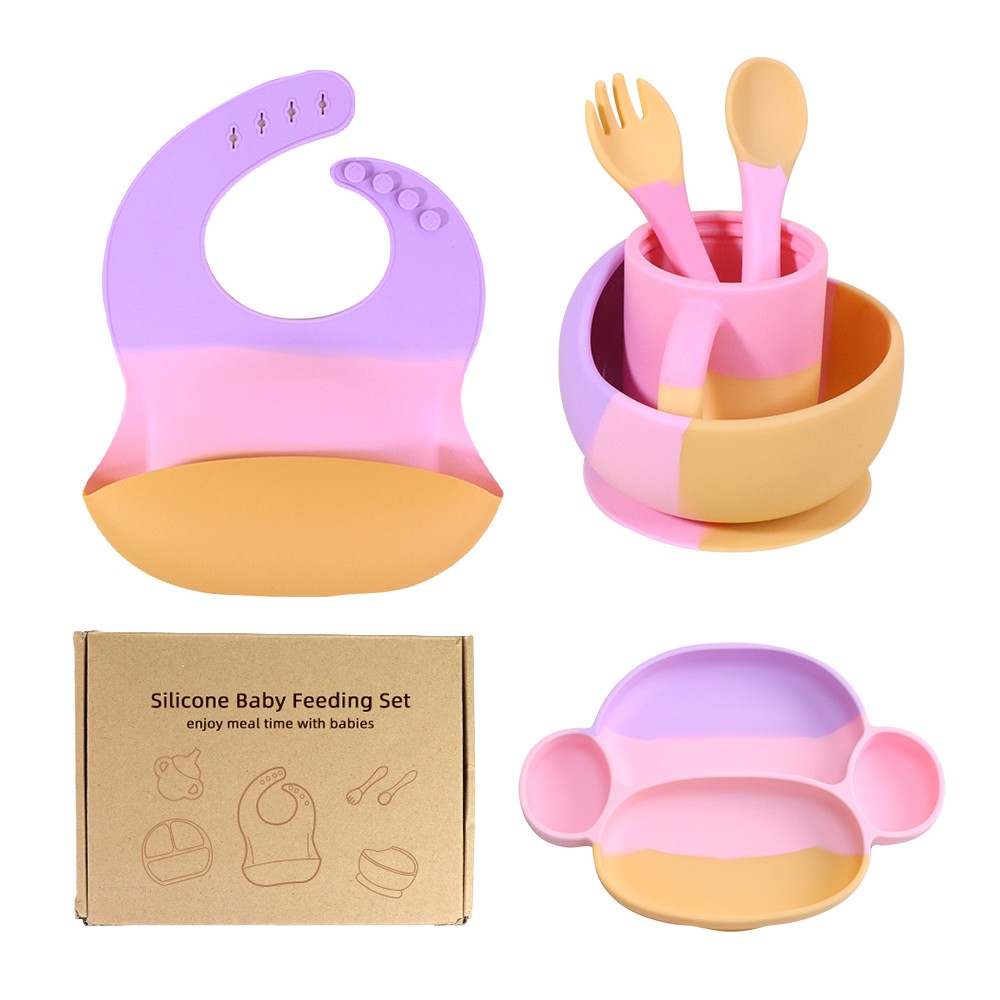
Suction plates, divided bowls, training cups, soft-tip spoons, adjustable bibs, portion freezer trays, snack containers, and coordinated feeding gift sets continue to attract interest from retailers and private-label brands.
Maternity Products Are Becoming More Portable and Discreet
Modern maternity products are increasingly designed around mobility. Mothers may need to pump, collect milk, store accessories, manage feeding, or recover after childbirth while moving between home, work, healthcare facilities, and travel environments.
This is driving demand for compact milk collectors, foldable washing containers, breast pump accessories, leak-resistant storage products, portable cleaning tools, and discreet wearable components. Silicone’s flexibility and skin-friendly feel make it valuable in many of these applications, but products intended for prolonged body contact require careful attention to surface texture, pressure distribution, ventilation, and hygiene.
Successful maternity products in 2026 are also emotionally considerate. Their design language avoids making users feel that medical-looking equipment dominates daily life. Soft colors, compact shapes, quiet components, and discreet storage cases can improve both usability and consumer confidence.
Hygiene and Easy Cleaning Are Essential Design Requirements
Parents want products that can be cleaned thoroughly without complicated disassembly. As a result, seamless structures, wide openings, dishwasher-compatible designs, and fewer hidden cavities are gaining importance.
A product may look attractive in a rendering but still create hygiene problems if food collects around narrow joints or if water remains trapped inside a hollow section. Brands should evaluate products under realistic conditions involving milk, fruit, sauces, oils, repeated heating, refrigeration, and dishwasher cycles.
Hygiene-Focused Engineering Priorities
| Design Area | Preferred Direction |
|---|---|
| Product structure | Fewer seams, joints, and inaccessible spaces |
| Openings | Wide enough for cleaning brushes and visual inspection |
| Surface finish | Smooth, consistent, and resistant to residue accumulation |
| Components | Easy to separate, identify, clean, and reassemble |
Premium Customization Is Expanding Private-Label Opportunities
Customization is becoming more sophisticated. Buyers are moving beyond adding a logo to an existing product. They want exclusive shapes, proprietary functions, customized color systems, branded packaging, unique surface patterns, and coordinated product collections.
For silicone manufacturers, this trend increases the importance of in-house industrial design, mold engineering, prototyping, color matching, and intellectual property support. A supplier that can identify structural risks before tooling begins can help brands reduce development costs and shorten the route from concept to market.
Low-volume market testing is also becoming more valuable. Online brands often prefer to validate a color, package, or product concept before placing a large order. Flexible minimum order quantities, modular tooling, and efficient sample development can therefore create a competitive advantage.
Supply-Chain Transparency Is Becoming a Brand Asset
Global buyers increasingly want to understand where products are made, how materials are controlled, and whether factories follow recognized quality, environmental, and social responsibility systems. Certifications such as ISO 9001, ISO 14001, BSCI, Sedex, GMP, and ISO 13485 can support buyer evaluations when they are relevant to the product and manufacturing scope.
Transparency also extends to production capacity, lead times, quality inspection, mold ownership, intellectual property protection, and contingency planning. Brands need suppliers that can maintain stable delivery during seasonal peaks, promotional campaigns, and unexpected changes in regional demand.
Manufacturing diversification is another important consideration. Suppliers with production options in more than one country may help international customers manage tariffs, logistics risks, sourcing policies, and regional market requirements. However, consistency across production locations is essential. Raw-material approval, process parameters, inspection standards, and documentation must be aligned.
E-Commerce Is Changing Product Development Priorities
E-commerce continues to influence how silicone maternity and baby products are designed, packaged, and marketed. Products must now perform well not only in the home but also on digital storefronts.
Distinctive visual features can improve click-through rates, while compact packaging may reduce fulfillment costs. Clear benefits such as leak resistance, foldability, suction strength, portion control, or one-handed operation must be easy to demonstrate in short videos and product images.
Online reviews also provide manufacturers and brands with continuous product-development data. Repeated complaints about odor, weak suction, difficult cleaning, unstable lids, or confusing assembly should be treated as engineering feedback rather than isolated customer-service issues.
Giftable Product Sets Are Growing
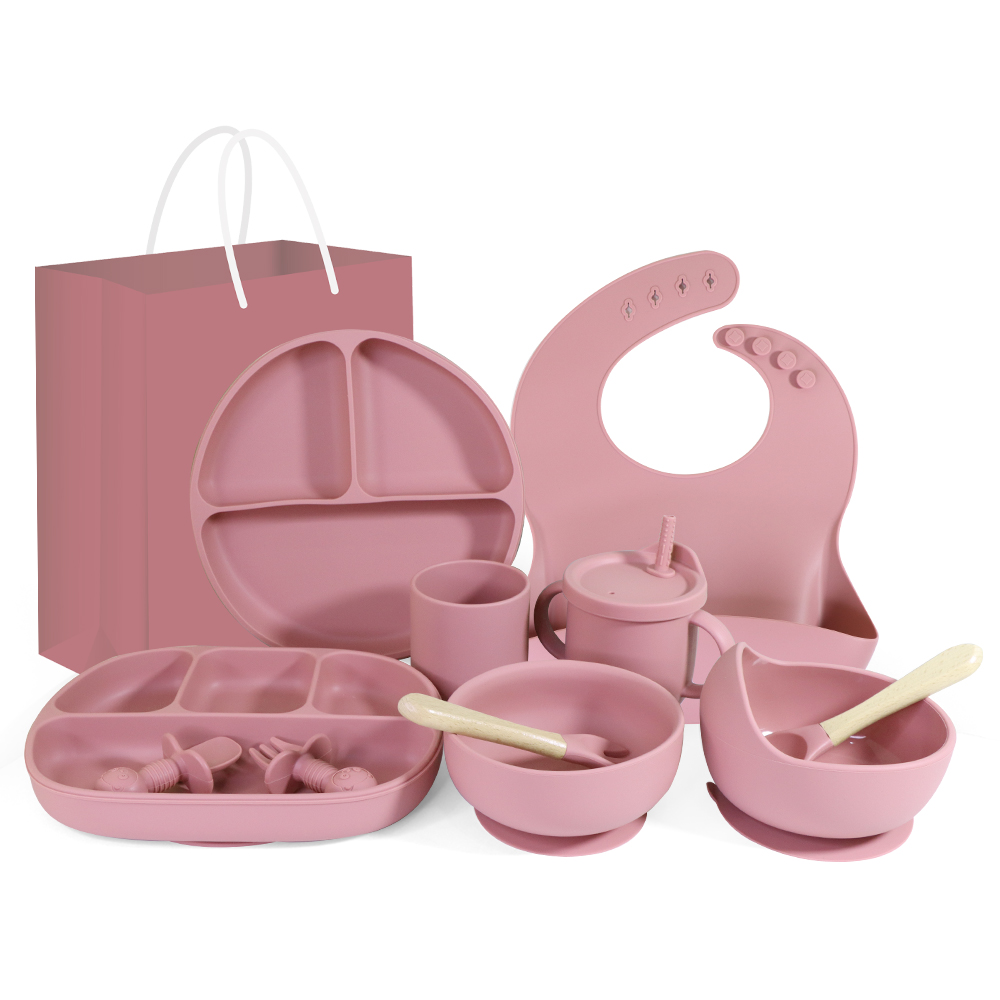
Baby showers, birth celebrations, first birthdays, and maternity gifts continue to support demand for coordinated silicone sets. A unified color palette and thoughtful packaging can transform practical feeding items into premium gifts.
For brands, sets can increase average order value and strengthen visual identity. For manufacturers, modular product families make it easier to offer different combinations for entry-level, standard, and premium price segments.
Smart Features Must Remain Simple and Safe
Technology is gradually entering maternity and baby care through temperature indicators, feeding trackers, wearable pumping systems, and connected health accessories. Yet the most successful products are likely to use technology selectively.
Parents generally do not want every feeding accessory to require an application, battery, or complicated setup. Smart features must solve a clear problem without reducing cleanability, portability, safety, or reliability. Silicone components may support these products by providing seals, flexible interfaces, protective covers, and skin-contact surfaces.
What These Trends Mean for Brands and Manufacturers
The silicone maternity and baby products industry in 2026 rewards companies that connect consumer insight with disciplined manufacturing. Attractive colors can create initial attention, but long-term market performance depends on safe materials, dependable structures, hygienic design, credible compliance, and consistent product quality.
Brands should involve manufacturers early, especially when developing foldable structures, thin-wall components, multi-material assemblies, complex undercuts, or products requiring precise suction and sealing performance. Early engineering review can reduce mold revisions and prevent problems that may only become visible after mass production.
Manufacturers, meanwhile, must move beyond competing only on price. Investment in design, automation, quality systems, testing, patents, and global production flexibility can create stronger differentiation. Suppliers that understand target consumers and retail channels are better positioned to recommend commercially viable solutions instead of merely following drawings.
In 2026, the global silicone maternity and baby products market is being shaped by stricter safety expectations, reusable lifestyles, ergonomic feeding designs, portable maternity solutions, premium customization, and transparent manufacturing. Silicone remains highly relevant because it supports flexible structures, comfortable surfaces, temperature resistance, and distinctive product aesthetics. The strongest growth opportunities will belong to companies that transform these material advantages into products that are genuinely safer, easier to clean, more durable, and better suited to modern family life.
Frequently Asked Questions
Why is silicone popular for maternity and baby products?
Silicone is flexible, durable, temperature resistant, and suitable for many reusable product structures. When the correct material formulation and testing standards are applied, it can be used for feeding accessories, storage products, maternity components, bath toys, and other daily-care items.
What certifications should buyers request from a silicone baby product manufacturer?
Requirements depend on the product and destination market. Buyers commonly request relevant FDA or LFGB testing, REACH documentation, material declarations, migration reports, and factory management certifications. Documentation should always match the exact product, material, and intended use.
Which silicone baby product categories have strong potential in 2026?
Promising categories include suction feeding sets, adjustable bibs, training cups, snack containers, breast milk storage solutions, portion freezer trays, portable cleaning accessories, collapsible travel products, and coordinated baby gift sets.
How can brands differentiate silicone baby products in a competitive market?
Brands can differentiate through proprietary functions, ergonomic improvements, exclusive colors, patented structures, better packaging, verified safety documentation, and product collections designed around specific parenting routines rather than isolated items.
What should brands evaluate before selecting a silicone manufacturer?
Brands should evaluate material control, product-development experience, mold engineering, testing support, quality systems, production capacity, intellectual property protection, communication efficiency, delivery reliability, and the supplier’s ability to maintain consistent standards across production batches.