Difficultés et défis spécifiques auxquels est confrontée l'industrie mondiale des silicones en 2024

Dans l'arène manufacturière du 21e siècle, le silicone, en tant que matériau multifonctionnel et de haute performance, est omniprésent, de l'emballage des composants électroniques de précision aux produits de cuisine de la vie quotidienne, la popularité du silicone est telle qu'il est devenu un élément essentiel de l'industrie manufacturière et de l'économie. produits en silicone a été témoin du développement rapide de la science des matériaux. Avec le développement continu de l'environnement industriel mondial, l'industrie du silicone est entrée dans une nouvelle ère pleine d'opportunités et d'épines. 2024, une année apparemment banale pour l'industrie du silicone, annonce une série de changements complexes et profonds qui exigeront des entreprises du secteur qu'elles fassent preuve d'une capacité d'adaptation et d'innovation sans précédent.

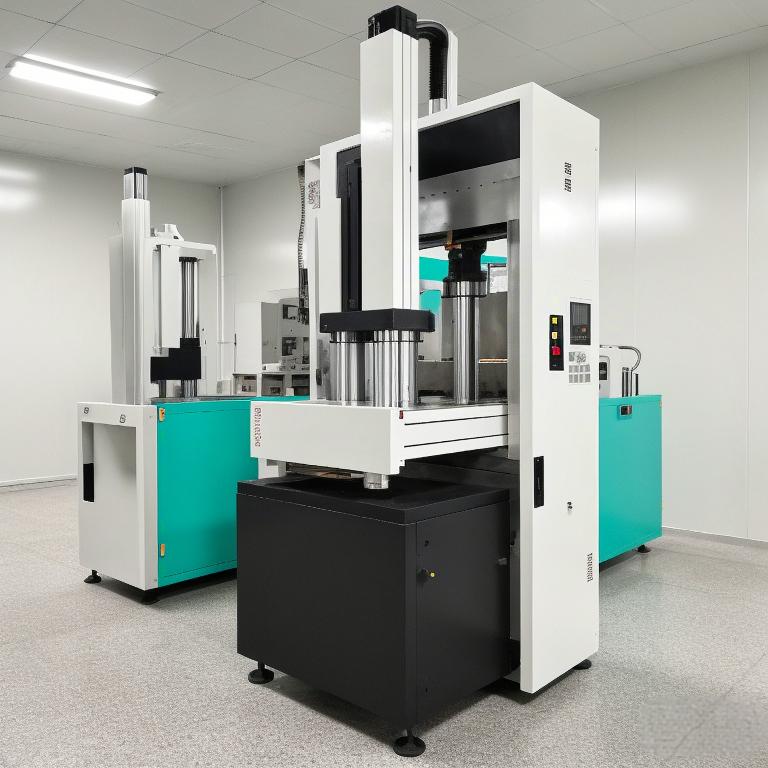
Liquid Silicone Rubber

  1. Fluctuations du prix des matières premières des produits en silicone
    La production de silicone dépend de matières premières à base de silicium. La volatilité de l'économie mondiale, l'instabilité de la chaîne d'approvisionnement ou tout changement dans l'origine des matières premières peuvent entraîner des fluctuations du prix des matières premières, ce qui augmente le coût de production et affecte les marges bénéficiaires.
  2. L'incertitude dans l'environnement du commerce international
    Bien que les importations de moules en silicone aient diminué, reflétant l'amélioration de la capacité de production nationale, l'incertitude de l'environnement commercial mondial (comme les politiques tarifaires et les frictions commerciales) peut encore avoir un impact sur les exportations de l'industrie, en particulier pour les entreprises qui dépendent fortement du marché international.
  3. Exigences en matière de protection de l'environnement et de développement durable
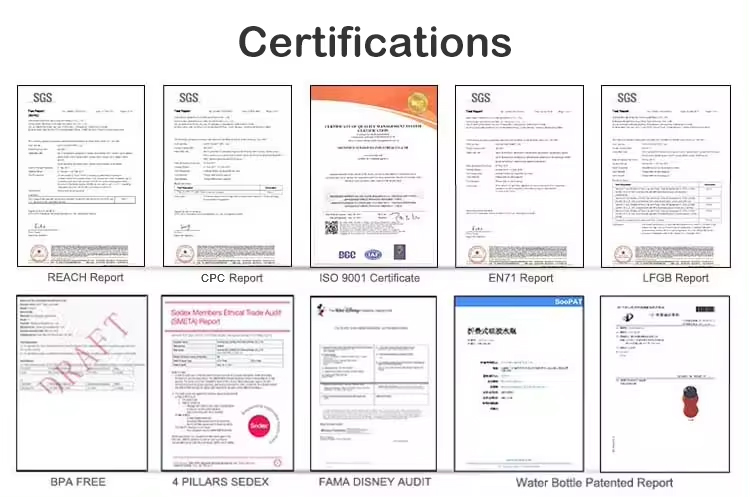
    Avec la prise de conscience mondiale de la protection de l'environnement, l'industrie du silicone doit faire face à des réglementations environnementales plus strictes et à la préférence des consommateurs pour des produits durables. Les entreprises doivent donc améliorer leurs processus de production afin de réduire la pollution de l'environnement tout en développant des produits en silicone biodégradables ou respectueux de l'environnement. Les produits en silicone de JEWELIVES ont obtenu plusieurs certifications nationales et internationales en matière de protection de l'environnement, notamment RoHS, PAHs, REACH, FDA/LFGB, ce qui permet de garantir l'approvisionnement.Certification
  4. Innovations technologiques dans les produits en silicone
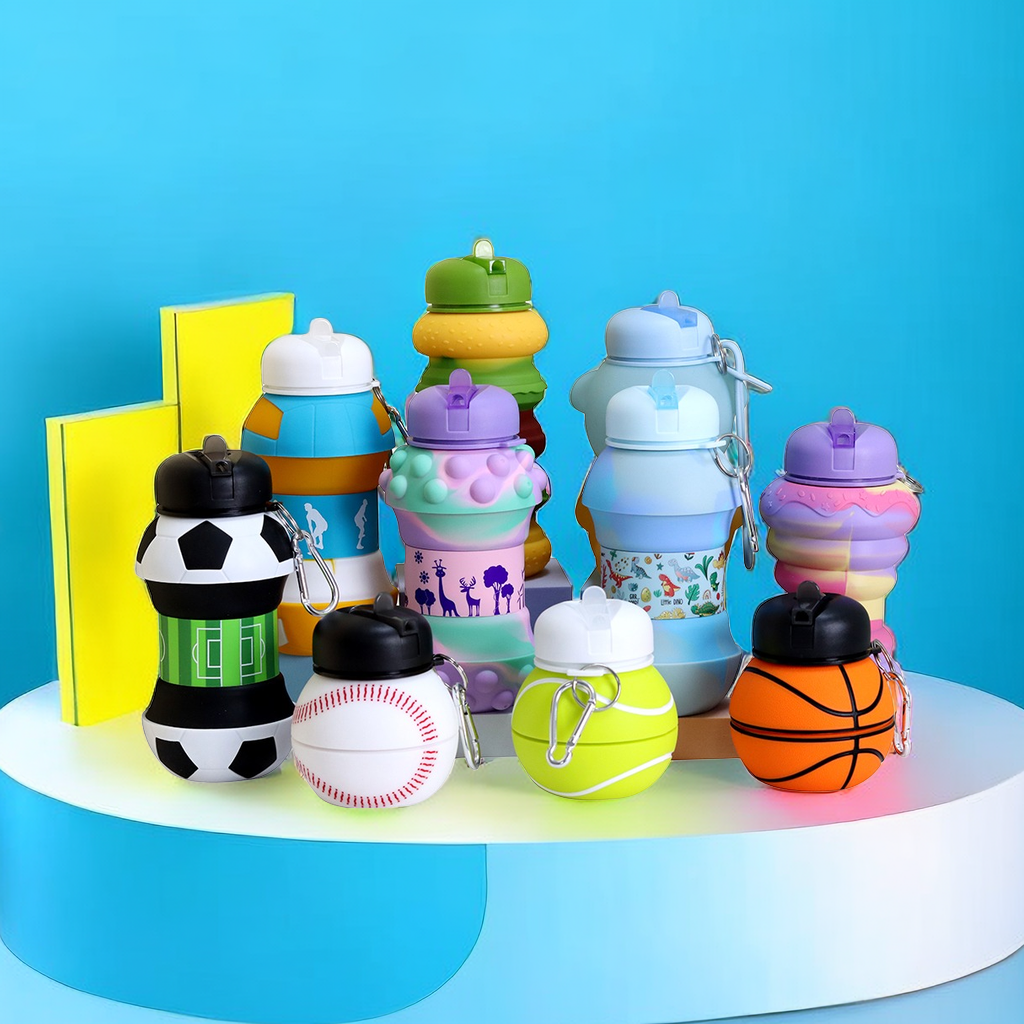
    Pour répondre à la demande de silicone performant et multifonctionnel dans diverses industries, les entreprises doivent continuer à mener des activités de recherche, de développement et d'innovation technologiques. Il s'agit notamment d'améliorer la résistance à la température, les propriétés mécaniques et la transparence des produits, mais aussi d'améliorer l'efficacité de la production et l'application de l'automatisation et de la technologie de fabrication intelligente. Les dernières recherches de JEWELIVES et le développement de ce verre à vin en silicone, à la fois respectueux de l'environnement, à la mode, portable, très résistant, non déformable, à haute transmission, ont été largement plébiscités par le marché.
  5. La menace des matériaux alternatifs
    Avec les progrès de la science des matériaux, de nouveaux matériaux pourraient remplacer les produits traditionnels à base de silicone, ce qui obligerait l'industrie du silicone à continuer à prouver la valeur unique de ses produits et leur caractère irremplaçable.
  6. La situation économique mondiale
    La santé globale de l'économie mondiale affectera la demande de produits à base de silicone, en particulier dans les secteurs de la construction, de l'automobile, de l'électronique et d'autres industries où le silicone est largement utilisé, le ralentissement économique pourrait réduire la demande de silicone.En conclusionEn 2024, l'industrie des silicones devrait être confrontée à de multiples défis, qui devront être relevés par l'innovation technologique, la diversification des marchés, la maîtrise des coûts et la conformité.
Poste connexe

Custom Kids Lunch Box Set
Liquid silicone molding mold
Collapsible water bottle
Introduction to Silicone Manufacturing Silicone manufacturing is a specialized industry that requires a deep understanding of material science, chemical engineering, and environmental management. As a leading silicone factory, we pride ourselves on our ability to create custom silicone products tailored to the unique needs of our wholesale clients. This article delves into the manufacturing process, health and safety considerations, and the management strategies that ensure the highest standards of quality and compliance. 1. The Manufacturing Process of Silicone 1.1 Overview of the Manufacturing Process The silicone manufacturing process involves the transformation of raw silicone materials into finished products through curing and vulcanization. Curing refers to the process where silicone compounds harden through the addition of heat or moisture, while vulcanization involves the use of catalysts to speed up the hardening process. Over the years, we have perfected these processes to ensure the production of durable and high-quality silicone products. Curing with Peroxides During the vulcanization process employing peroxides, peroxides are incorporated into the silicone compound, which triggers a reaction leading to material solidification. This approach is renowned for its dependability and its capability to attain broad hardness levels in the end products. It is applicable for general silicone rubber goods, like those used in wires and cables, and also for oil-resistant and solvent-resistant silicone rubbers. Vulcanization with Platinum Catalysts On the other hand, vulcanization using a platinum catalyst is a more specialized process that allows for exceptional control of the reaction and produces items with superior purity and performance. This method is particularly suited for manufacturing custom silicone products that require high precision and consistency. It is ideal for products where environmental protection and hygiene conditions are of higher concern, such as food-grade silicone products and medical devices. 1.2 Chemical Composition and Volatile Emissions The chemical composition of silicone materials includes base polymers, fillers, and additives. Additives play a crucial role in enhancing the properties of silicone products, such as flexibility, heat resistance, and UV stability. Curing agents and catalysts are essential for initiating and controlling the polymerization reactions that lead to the formation of the silicone product. 1.3 Common Volatiles in Silicone Manufacturing During the manufacturing process, various volatile organic compounds (VOCs) can be emitted, including methyl siloxanes and other siloxane oligomers. These emissions can have environmental and health implications, which is why our silicone factory has implemented stringent measures to minimize their release. 2. Health, Safety, and Environmental Impact 2.1 Health and Safety Risks in the Manufacturing Environment The health and safety of our workers is paramount. In the silicone manufacturing environment, exposure to uncured silicone, catalysts, and other chemicals can pose risks. Therefore, we have established safety measures and protocols that include the use of personal protective equipment (PPE) and regular health check-ups for our employees. 2.2 Impact of Volatiles on the Environment The release of volatiles into the environment can contribute to air pollution and have long-term effects on ecosystems. As a responsible silicone factory, we are committed to reducing our environmental footprint by adopting advanced technologies that minimize VOC emissions and by recycling waste materials whenever possible. 2.3 Regulatory Compliance and Standards Adherence to regulations is a cornerstone of our operations. Both national and international standards, such as those set by the European Union's REACH regulations and the United States' EPA guidelines, dictate the allowable levels of VOC emissions and the safety measures that must be in place. Our silicone factory is fully compliant with these standards, ensuring that our operations are both safe and environmentally responsible. 3. Management Strategies 3.1 Implementing Safety Measures and Protocols To safeguard our workers and the environment, we have implemented a range of safety measures and protocols. These include the use of closed-loop systems to capture and treat emissions, regular equipment maintenance to prevent leaks, and comprehensive training programs for our staff. 3.2 Advancements in Process and Material Technology Innovation is at the heart of our silicone manufacturing process. We continuously invest in research and development to improve our manufacturing processes and material technologies. This includes exploring new catalysts that reduce VOC emissions and developing silicone compounds with enhanced properties for applications like silicone lunch boxes and water bottles. 3.3 Regulatory Compliance and Environmental Management Our commitment to regulatory compliance extends beyond mere adherence to standards. We actively engage with regulatory bodies to ensure that our practices are not only compliant but also contribute to the development of more stringent environmental protections. Our environmental management system is certified to ISO 14001, demonstrating our dedication to sustainable practices. 4. Conclusion Silicone manufacturing is a complex process that requires a delicate balance between product quality, worker safety, and environmental responsibility. As a silicone factory specializing in custom silicone products, we are committed to maintaining the highest standards across all aspects of our operations. By investing in advanced technologies, adhering to strict safety protocols, and prioritizing environmental stewardship, we ensure that our silicone products meet the needs of our wholesale clients while also protecting the health of our workers and the planet.
Retour en haut

Nous contacter