French
  English
  German
  Spanish
  Russian
  Polish
  Chinese
  Japanese
  Korean
Contenu
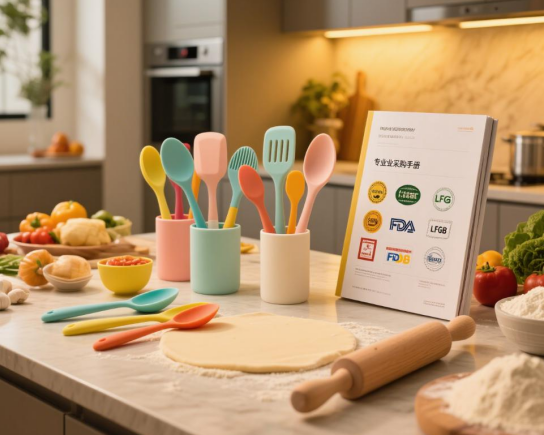
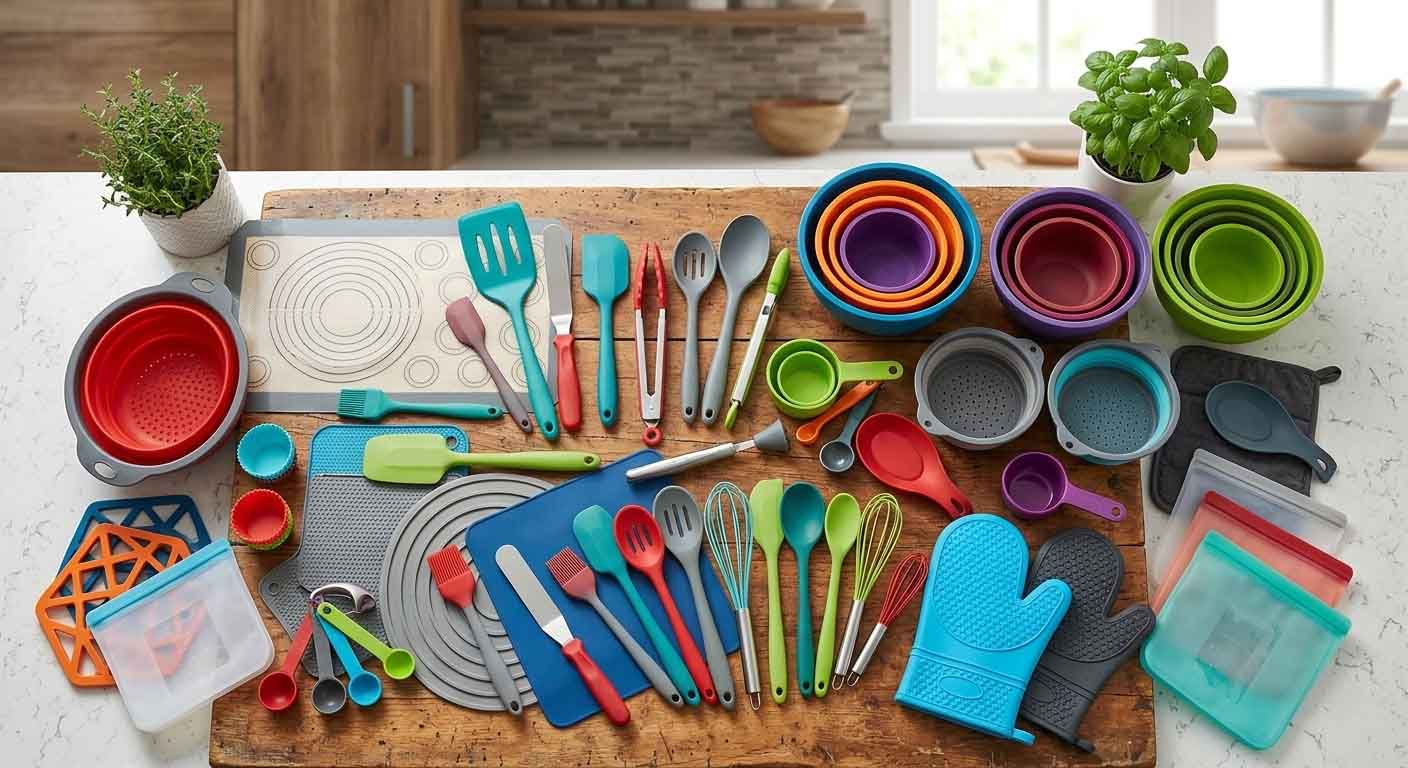
Silicone kitchen products have become a staple in modern households, commercial kitchens, and food service industries worldwide. From baking mats and spatulas to collapsible food containers and ice molds, silicone products are valued for their flexibility, durability, food safety, and resistance to extreme temperatures. However, not all silicone kitchen products are created equal. The difference between an average product and a premium one lies in the manufacturing process, material quality, engineering precision, and quality control standards implemented throughout production.
Understanding the manufacturing process behind high-quality silicone kitchen products helps buyers, distributors, retailers, and private-label brands make informed sourcing decisions. It also highlights why reputable manufacturers invest heavily in advanced production equipment, material testing, and strict quality assurance procedures to ensure product safety and long-term performance.
Why Manufacturing Quality Matters in Silicone Kitchen Products
Kitchen products come into direct contact with food, beverages, and cooking surfaces. As a result, they must meet stringent safety, durability, and hygiene requirements. Poor manufacturing practices can lead to product deformation, unpleasant odors, discoloration, cracking, or the migration of harmful substances.
✓ Characteristics of High-Quality Silicone Kitchen Products
• Made from food-grade silicone materials
• BPA-free and non-toxic
• Excellent temperature resistance
• Long-lasting flexibility and durability
• Odor-resistant and stain-resistant
• Easy to clean and dishwasher safe
• Consistent color and surface finish
• Compliant with FDA or LFGB standards
To achieve these characteristics, manufacturers follow a carefully controlled production process that begins with raw material selection and continues through molding, finishing, testing, packaging, and final inspection.
Step 1: Selecting Premium Silicone Raw Materials
The foundation of every high-quality silicone kitchen product starts with the selection of raw materials. Food-grade silicone is produced from silica, a naturally occurring material derived from quartz sand. Through a series of chemical processes, silica is transformed into flexible silicone compounds suitable for food-contact applications.
Manufacturers sourcing premium-grade silicone prioritize purity, consistency, and compliance with international food safety regulations. Raw material suppliers typically provide certifications and testing reports to verify quality standards before production begins.
Important: Food-grade silicone used in kitchen products should be free from BPA, PVC, phthalates, and other potentially harmful substances.
Common Material Standards
- FDA Food Contact Compliance
- LFGB Food Safety Standards
- REACH Compliance
- RoHS Requirements
- BPA-Free Verification
Step 2: Material Mixing and Color Preparation
After raw silicone materials are approved, they enter the mixing stage. During this process, silicone compounds are blended with curing agents, pigments, and specialized additives to achieve desired physical and aesthetic properties.
Modern silicone factories use precision mixing equipment to ensure even distribution of color and additives throughout the silicone compound. Consistency during this stage is critical because uneven mixing can result in color variations, weak structural performance, or surface defects.
★ Factors Controlled During Mixing
• Silicone viscosity
• Pigment concentration
• Material hardness
• Heat resistance properties
• Elasticity requirements
• Product transparency levels
Step 3: Mold Design and Tooling Development
Before production can begin, engineers design precision molds that define the final shape and dimensions of the product. Tooling quality directly impacts product appearance, consistency, and manufacturing efficiency.
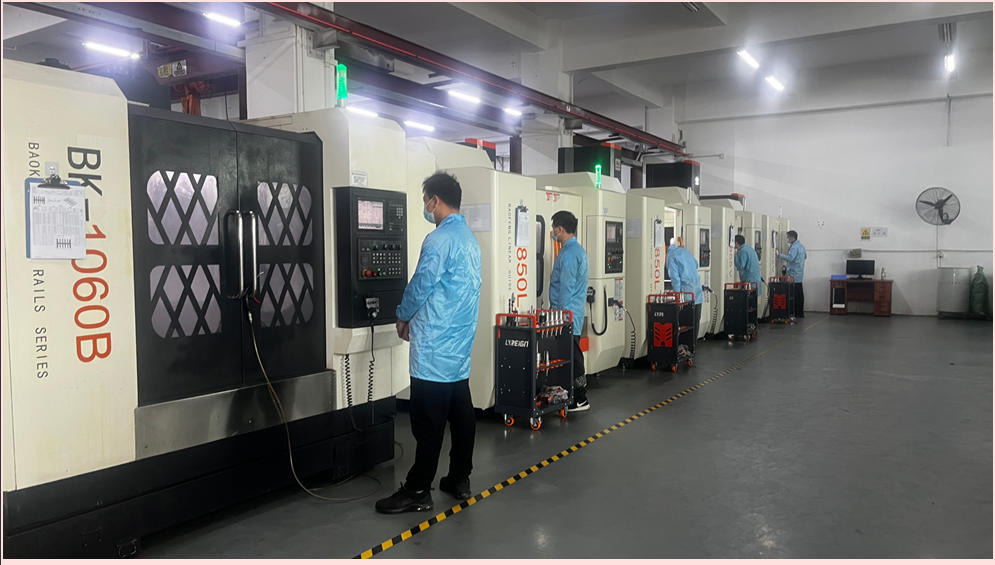
Computer-aided design software is commonly used to create detailed mold drawings. Advanced CNC machining equipment then manufactures mold components with extremely tight tolerances.
For complex kitchen products such as collapsible lunch boxes, multi-compartment food containers, or ergonomic cooking utensils, mold design may require multiple engineering revisions before mass production.
Benefits of Precision Tooling
✔ Improved dimensional accuracy
✔ Better product consistency
✔ Reduced material waste
✔ Faster production cycles
✔ Enhanced surface finish quality
 Step 4: Silicone Compression Molding
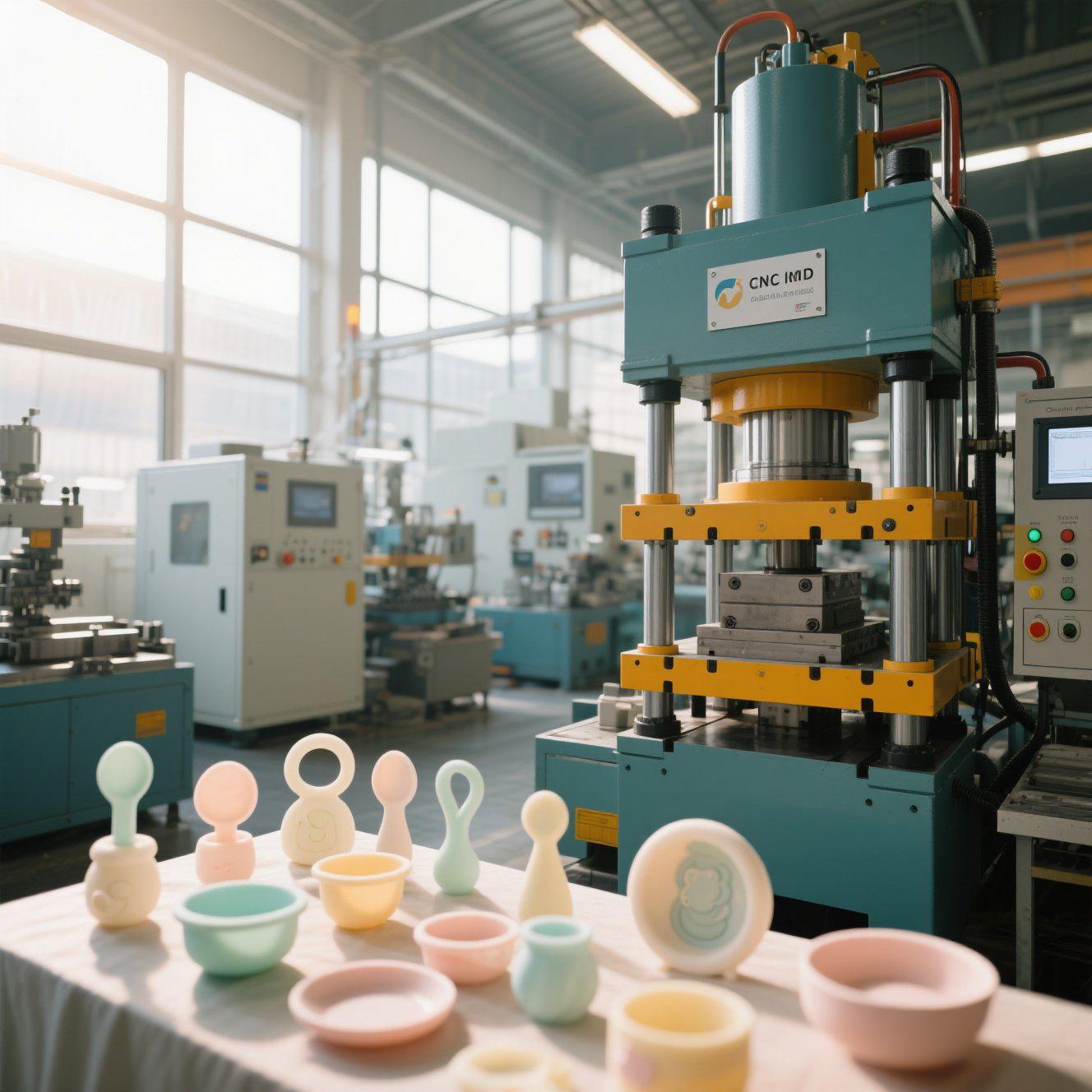 Step 4: Silicone Compression Molding
Compression molding remains one of the most widely used manufacturing methods for silicone kitchen products. During this process, pre-measured silicone material is placed into a heated mold cavity.
The mold is then closed under high pressure, forcing the silicone to fill every detail of the mold. Heat activates the curing process, transforming the material into its final shape.
Depending on product complexity, curing times can vary from several seconds to several minutes. Precise control of temperature, pressure, and curing duration is essential for maintaining product consistency.
Advantages of Compression Molding
- Excellent dimensional stability
- Suitable for food-grade applications
- Efficacité élevée de la production
- Strong structural integrity
- Reduced material waste
Step 5: Liquid Silicone Injection Molding for Advanced Products
For highly detailed or precision-engineered kitchen products, manufacturers may utilize liquid silicone rubber (LSR) injection molding technology. This process involves injecting liquid silicone directly into a closed mold under controlled pressure.
Injection molding is particularly suitable for products requiring intricate details, thin walls, and high-volume production. It also delivers exceptional consistency between production batches.
⚙ Common Products Manufactured Using LSR Technology
• Silicone baby feeding accessories
• Premium kitchen utensils
• Precision seals and components
• Complex food storage lids
• Specialty baking accessories
Step 6: Trimming and Surface Finishing
Once molded products are removed from the mold, excess material known as flash must be removed. Trimming ensures clean edges and improves overall appearance.
Manufacturers may perform trimming manually, mechanically, or through automated cryogenic deflashing systems. Surface finishing processes can also include polishing, texturing, laser engraving, logo printing, and decorative treatments.
Attention to detail during finishing significantly influences product aesthetics and customer satisfaction.
Step 7: Post-Curing for Enhanced Safety and Performance
Premium silicone kitchen products often undergo a secondary heating process known as post-curing. This stage helps remove residual volatile compounds while improving heat resistance and long-term durability.
Post-curing is especially important for food-contact products because it enhances odor resistance and contributes to overall product safety.
✓ Benefits of Post-Curing
• Reduced odor levels
• Improved food safety
• Enhanced temperature resistance
• Better mechanical strength
• Longer product lifespan
Step 8: Product Testing and Quality Assurance
Quality control is one of the most critical stages of silicone kitchen product manufacturing. Reputable factories establish comprehensive testing procedures to verify safety, durability, and performance.
Testing may be conducted internally or through independent laboratories depending on customer requirements and target market regulations.
Typical Testing Procedures
- Food-contact safety testing
- Temperature resistance testing
- Tensile strength evaluation
- Tear resistance testing
- Dishwasher durability testing
- Color fastness verification
- Odor assessment
- Dimensional inspection
Quality First: High-quality manufacturers inspect products throughout production rather than waiting until the final stage to identify defects.
Step 9: Branding, Logo Printing, and Customization
Many silicone kitchen products are manufactured for private-label brands. During this stage, logos, product markings, packaging elements, and custom color schemes are applied according to customer specifications.
Customization options help businesses differentiate their products and build stronger brand recognition within competitive retail markets.
Popular Customization Options
- Embossed logos
- Debossed logos
- Silk-screen printing
- Laser engraving
- Custom packaging
- Retail gift boxes
- Color matching services
Step 10: Packaging and Shipment Preparation
After final inspection, products are carefully packaged to protect them during storage and transportation. Packaging requirements vary depending on customer preferences, retail requirements, and distribution channels.
Manufacturers may offer eco-friendly packaging solutions, barcode labeling, custom inserts, and retail-ready packaging formats to support brand objectives.
📦 Packaging Priorities
• Product protection
• Brand presentation
• Logistics efficiency
• Sustainability goals
• Regulatory compliance
How Advanced Manufacturing Improves Product Quality
Leading silicone manufacturers continue investing in automation, quality systems, research and development, and advanced molding technologies. These investments improve production consistency, reduce defects, increase efficiency, and support the development of innovative kitchen products.
Factories equipped with hydraulic presses, injection molding machines, CNC machining centers, and dedicated quality laboratories are often better positioned to deliver consistent results for global brands and distributors.
Conclusion
The manufacturing process behind high-quality silicone kitchen products involves far more than simply molding silicone into a desired shape. Every stage—from raw material selection and precision tooling to post-curing, testing, customization, and packaging—plays a crucial role in ensuring product safety, durability, functionality, and consumer satisfaction. Businesses seeking reliable silicone kitchenware suppliers should prioritize manufacturers with strong engineering capabilities, recognized certifications, modern production facilities, and comprehensive quality control systems. By understanding how premium silicone products are made, buyers can make more informed sourcing decisions and build stronger, more trusted product brands.
Frequently Asked Questions
1. What makes food-grade silicone safe for kitchen products?
Food-grade silicone is non-toxic, BPA-free, odor-resistant, and capable of meeting food-contact safety standards such as FDA and LFGB requirements.
2. Why is post-curing important for silicone kitchenware?
Post-curing helps remove residual compounds, improves heat resistance, reduces odors, and enhances the overall safety and durability of silicone products.
3. What manufacturing method is commonly used for silicone kitchen products?
Compression molding is the most common method, while liquid silicone injection molding is used for highly detailed and precision-engineered products.
4. How can buyers verify silicone product quality?
Buyers should review certifications, request testing reports, evaluate factory capabilities, inspect samples, and verify quality control procedures before placing orders.
5. What certifications should a silicone kitchen product manufacturer have?
Common certifications include ISO 9001, ISO 14001, BSCI, FDA compliance, LFGB testing, Sedex audits, and other quality management standards depending on the target market.