English
  French
  German
  Spanish
  Russian
  Polish
  Chinese
  Japanese
  Korean
Contents
China has become one of the world’s most important production centers for silicone products, supplying international brands, wholesalers, retailers, importers, and product developers. From silicone kitchenware and baby feeding products to medical components and industrial parts, Chinese manufacturers offer extensive production capabilities, competitive costs, flexible customization, and mature supply chains.
However, choosing the right supplier requires more than comparing quotations. Buyers must evaluate manufacturing experience, quality systems, material compliance, engineering support, production capacity, communication efficiency, and intellectual property protection. This guide introduces five notable silicone manufacturers in China and explains how international buyers can select a dependable OEM or ODM partner.
Why Source Silicone Products from China?
China has developed a complete silicone manufacturing ecosystem. Raw material suppliers, mold makers, injection molding factories, packaging manufacturers, testing laboratories, and export service providers are often located within the same industrial region. This concentration helps shorten product development cycles and gives buyers access to a broad range of manufacturing technologies.
Developed OEM and ODM Capabilities
Many Chinese silicone factories provide both OEM and ODM services. OEM production is suitable for buyers with completed drawings, samples, or product specifications. ODM services are useful for companies that need help with product structure, appearance, material selection, prototyping, or packaging. A capable supplier can transform an initial idea into a manufacturable product while controlling tooling costs and production risks.
Flexible Material and Process Options
Chinese factories commonly work with food-grade silicone, liquid silicone rubber, high-consistency rubber, platinum-cured silicone, and silicone combined with plastic, stainless steel, glass, or electronic components. Available processes may include compression molding, liquid silicone injection molding, overmolding, silk-screen printing, laser engraving, heat transfer, and silicone color mixing.
Experience Serving Global Markets
Export-oriented manufacturers are familiar with the expectations of buyers in North America, Europe, Japan, Australia, and the Middle East. They can often support barcode labeling, multilingual packaging, retail-ready cartons, marketplace packaging requirements, and third-party product testing. This export experience can significantly reduce avoidable compliance and delivery problems.
Top Silicone Manufacturers in China
The following companies represent different strengths within China’s silicone industry. The list should be used as a sourcing reference rather than a universal ranking. Buyers should always conduct a factory audit, request relevant reports, approve production samples, and verify that the selected manufacturer matches the technical requirements of the specific project.
1. Jewelives
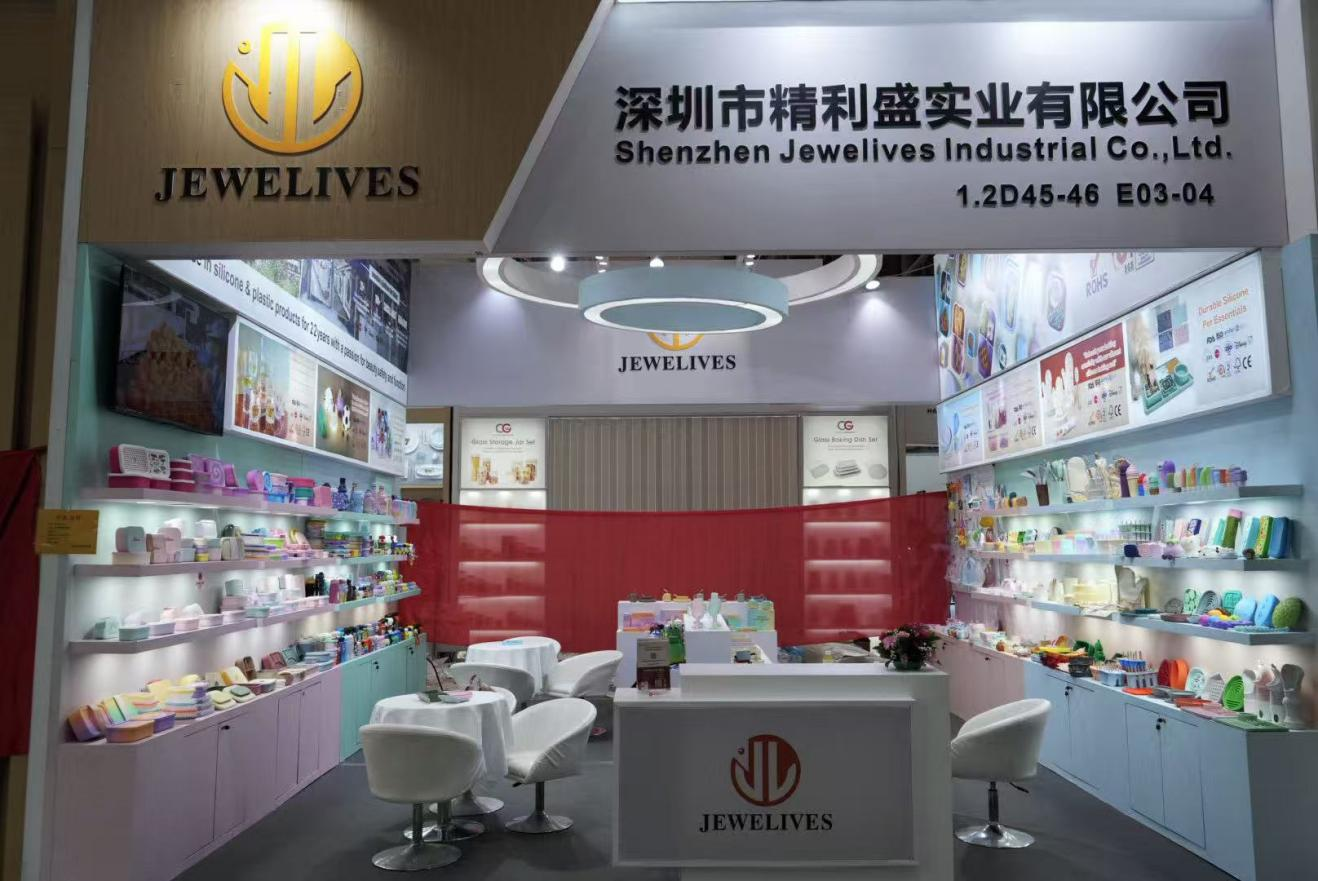
Jewelives is an experienced silicone products manufacturer providing integrated OEM and ODM services for international brands, wholesalers, distributors, and retailers. Founded in 2003, the company has more than 20 years of manufacturing experience and production bases in Shenzhen, China, and Vietnam.
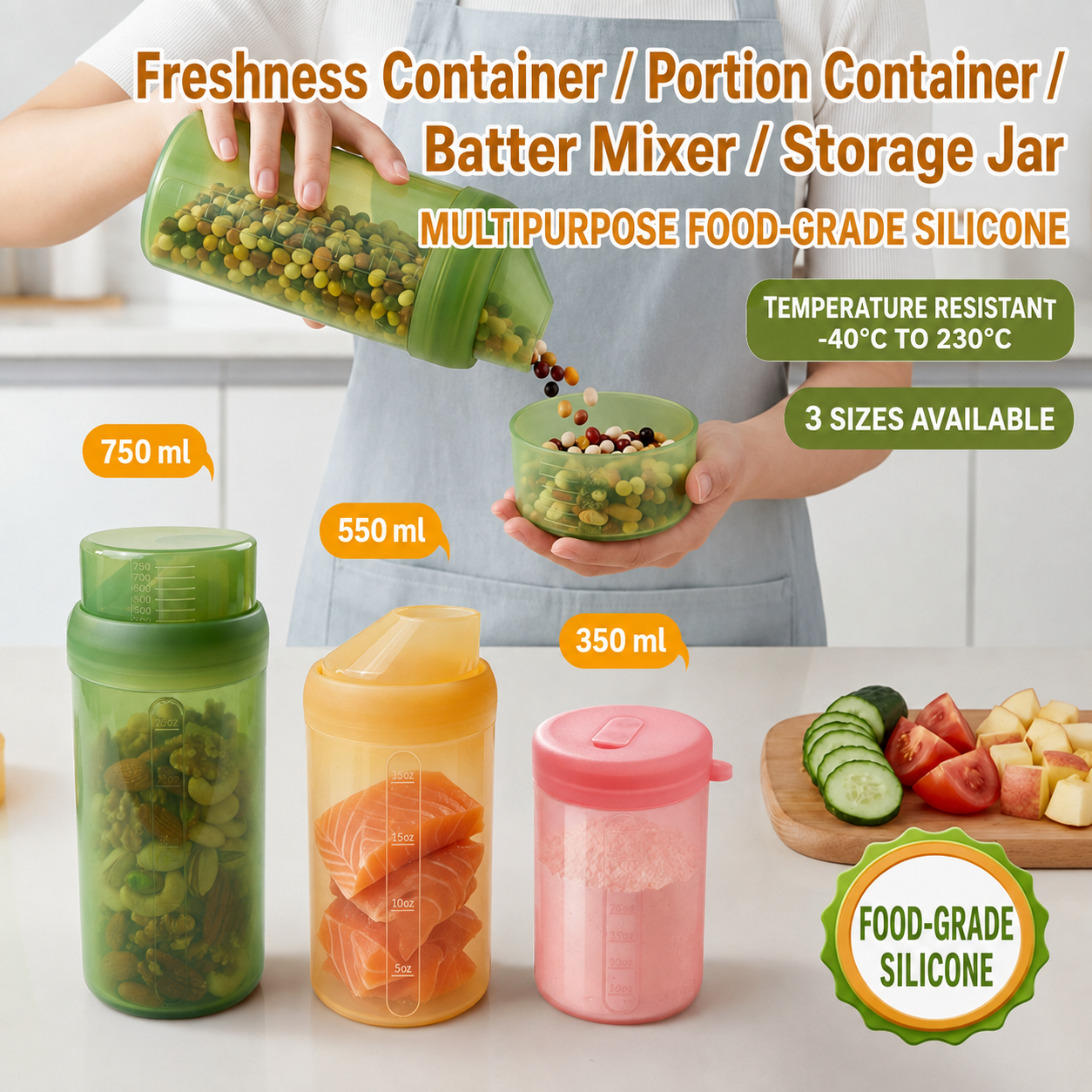
Its product portfolio covers silicone foldable bottles, food storage containers, lunch boxes, baby bibs, feeding products, ice trays, kitchen accessories, silicone phone cases, and other customized silicone items. This broad product range makes Jewelives particularly suitable for buyers planning multiple product categories or coordinated silicone collections.
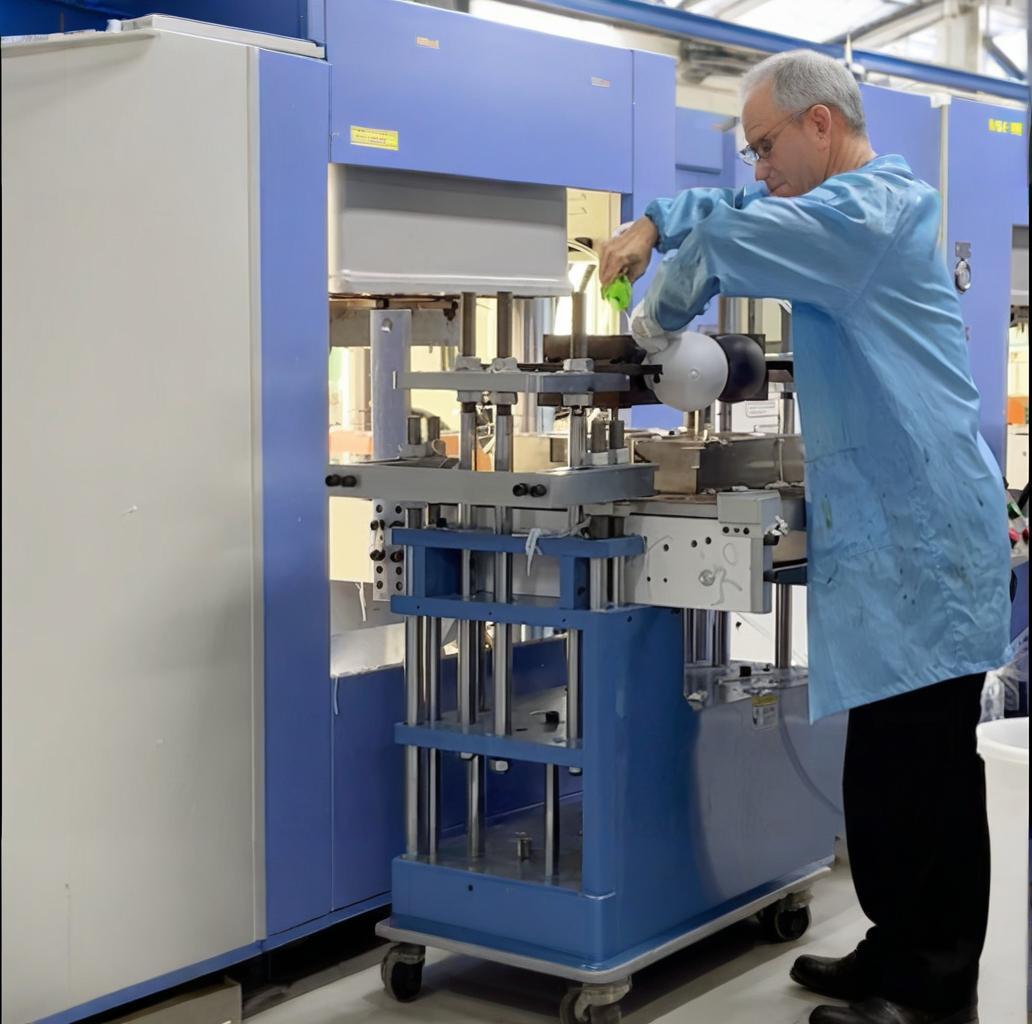
The company operates approximately 50 hydraulic presses, 50 injection molding machines, and 10 CNC machines. Its in-house research and development team includes around 20 specialists, supporting product design, structural improvement, tooling, sample development, and mass-production preparation. Jewelives develops more than 1,000 new designs annually and owns over 500 patents.
Why Buyers Consider Jewelives
✓ More than 20 years of silicone manufacturing experience
✓ Production facilities in Shenzhen and Vietnam
✓ In-house product development and mold-making support
✓ Extensive silicone household and baby product portfolio
✓ OEM and ODM services for customized colors, logos, structures, and packaging
Jewelives maintains management and compliance credentials including ISO 9001, ISO 14001, ISO 13485, BSCI, Sedex, GMP, Disney FAMA, and IATF 16949. Buyers should still confirm which certification, audit, or product report applies to their particular order and target market.
Best suited for: Brands, importers, supermarkets, distributors, and product developers seeking a comprehensive silicone OEM or ODM partner with substantial equipment, product development resources, and diversified manufacturing capabilities.
How to Choose a Reliable Silicone Manufacturer in China
Verify That the Supplier Is a Real Manufacturer
Some suppliers operate mainly as trading companies, while others own production facilities. A trading company is not automatically unsuitable, but buyers should understand who will manufacture the order. Request a live factory tour, business registration information, equipment list, production videos, and recent audit documents. A physical or third-party factory audit provides stronger evidence than marketing materials alone.
Check Material Safety and Product Compliance
Food-contact and baby products may require testing based on the destination market. Buyers should discuss applicable FDA requirements, LFGB testing, EU food-contact regulations, REACH, RoHS, or other standards before production. Reports must correspond to the actual material formulation, color, product type, and intended use.
Evaluate Engineering and Tooling Ability
A strong manufacturer should identify undercuts, difficult demolding areas, weak structures, inconsistent wall thickness, and potential deformation before opening a production mold. Ask whether the supplier has in-house CNC equipment, mold designers, product engineers, and prototype services. Early design-for-manufacturing feedback can prevent expensive tooling modifications.
Define Quality Standards Before Production
Quality disputes frequently occur because acceptance criteria were not documented. The purchase agreement should define dimensions, hardness, color tolerance, weight, surface finish, odor requirements, printing durability, functional tests, packaging, and acceptable quality limits. The approved pre-production sample should be signed, dated, and retained as the standard for mass production.
Compare Total Cost Instead of Unit Price
The lowest quotation may exclude mold modifications, special packaging, testing, inspection, shipping preparation, or material upgrades. Compare quotations using the same specifications and Incoterms. A slightly higher unit price can be more economical if the supplier provides stable quality, fewer defects, better engineering, and more reliable delivery.
Understanding Chinese Business and Manufacturing Practices
Successful sourcing in China often depends on long-term cooperation and clear communication. Chinese business culture values stable relationships, mutual respect, and dependable commitments. Regular communication can improve production coordination, but all important specifications and approvals should still be recorded in writing.
Buyers should also plan around Chinese public holidays, especially the Chinese New Year period. Many factories experience increased demand before the holiday and reduced capacity during the shutdown. Orders that must ship early in the year should be scheduled well in advance, with sufficient time for raw material preparation, production, inspection, and transportation.
Color expectations should be communicated using recognized references such as Pantone codes together with approved physical samples. Cultural descriptions such as “warm red” or “Nordic green” are open to interpretation. Physical confirmation is particularly important because silicone color can appear different under various lighting conditions and surface textures.
Recommended Silicone Product Development Process
① Requirement confirmation: Define the product application, dimensions, material, hardness, colors, target market, order quantity, and packaging.
② Design review: Evaluate drawings, structure, molding feasibility, assembly, and expected performance.
③ Prototype and quotation: Review appearance, dimensions, usability, estimated mold cost, unit price, and lead time.
④ Tooling and sampling: Produce the mold, inspect trial samples, test functionality, and complete necessary revisions.
⑤ Pre-production approval: Approve the final sample, color, logo, packaging, inspection criteria, and production schedule.
⑥ Mass production and inspection: Monitor production, perform quality checks, and arrange final inspection before shipment.
⑦ Shipping and review: Confirm export documentation, carton information, transportation arrangements, and post-delivery feedback.
Conclusion
The best silicone manufacturer in China is not necessarily the company offering the lowest price or the largest product catalog. The right supplier is the one whose equipment, engineering knowledge, quality system, communication ability, and product experience match the buyer’s project.
Jewelives is a strong option for businesses seeking integrated OEM and ODM support for silicone household, kitchen, storage, baby, and lifestyle products. Xiamen Better Silicone Rubber, Dongguan Invotive, Newtop Silicone, and Hongju Silicone provide additional capabilities for custom consumer products, technical components, and molded rubber applications.
Before placing an order, buyers should compare samples, audit production capabilities, confirm compliance requirements, document quality standards, and clarify tooling ownership. A structured qualification process helps establish a stable supply chain and supports the successful development of safe, functional, and commercially competitive silicone products.
Frequently Asked Questions
1. What is the typical MOQ for custom silicone products?
The minimum order quantity depends on product size, molding process, material, color, logo method, and packaging. Standard products may have relatively flexible quantities, while fully customized products normally require a larger production run. Buyers should request quotations at several quantity levels to compare costs.
2. How long does a custom silicone project take?
A project commonly includes design review, prototyping, mold production, sampling, testing, mass production, and inspection. The schedule may range from several weeks to several months depending on complexity and revisions. Confirm separate lead times for tooling, samples, production, packaging, and shipping.
3. Can Chinese manufacturers create custom colors and logos?
Yes. Common options include Pantone color matching, molded logos, debossed or embossed branding, silk-screen printing, laser engraving, heat transfer, and customized packaging. Buyers should test the chosen decoration method for adhesion, abrasion resistance, washing, and expected usage conditions.
4. How can buyers protect a new silicone product design?
Use confidentiality agreements, register relevant intellectual property in important markets, define ownership of drawings and molds, and limit access to sensitive files. Buyers should obtain professional legal advice because enforcement procedures and intellectual property rights vary between countries.
5. Should buyers arrange a third-party inspection?
A third-party pre-shipment inspection is recommended for new suppliers, large orders, complex products, or strict retail programs. The inspection should use agreed specifications, approved samples, packaging requirements, and sampling standards. It provides additional verification but does not replace effective production quality control.