Are Silicone Plates Non Toxic?

Are Silicone Plates Non-Toxic? | Safe Baby Feeding Sets

Introduction

Parents and health-conscious families often ask: Are silicone plates non-toxic? With the rising popularity of eco-friendly tableware such as the suction bowl and plate or the silicone bib and bowl set, concerns about safety are more relevant than ever. This article explains why certified silicone is considered safe, where potential risks come from, and how to select the right non-toxic options like a silicone bento lunch box or baby feeding set.


What Does “Non-Toxic Silicone” Mean?

Non-toxic silicone refers to food-grade or LFGB-certified silicone that has passed strict safety tests. It does not release harmful chemicals like BPA, PVC, lead, or phthalates, even under high heat. Safe silicone can handle temperatures between -40°C and 230°C (-40°F to 446°F), making it suitable for microwaves, dishwashers, ovens, and freezers.

The U.S. FDA (Food and Drug Administration) has classified silicone as safe for cooking and food use since 1979. In Europe, LFGB certification goes a step further with stricter migration tests, ensuring nothing harmful leaches into food.


Why Some Consumers Worry About Silicone Plates

Despite its safety record, some silicone products raise concerns due to:

  • Cheap manufacturing – Industrial-grade or oil-filled silicone may release toxins at high temperatures.

  • Lack of certification – Without FDA or LFGB testing, safety cannot be guaranteed.

  • Consumer confusion – Many people aren’t aware of the difference between genuine food-grade silicone and low-quality imitations.


Benefits of Certified Silicone Plates

  1. Perfect for Babies and Toddlers – Soft yet sturdy, ideal for a suction bowl and plate that prevents spills.

  2. Complete Mealtime Solutions – Pairs well with a silicone bib and bowl set for easy feeding and cleanup.

  3. Versatile for Families – A silicone bento lunch box is durable, lightweight, and safer than plastic, making it perfect for school or work.

  4. Safe in Heat and Cold – Microwave-safe, freezer-safe, and oven-safe without harmful leaching.

  5. Eco-Friendly and Durable – Long-lasting and reusable, reducing reliance on disposable plastics.

    silicone bib and bowl set
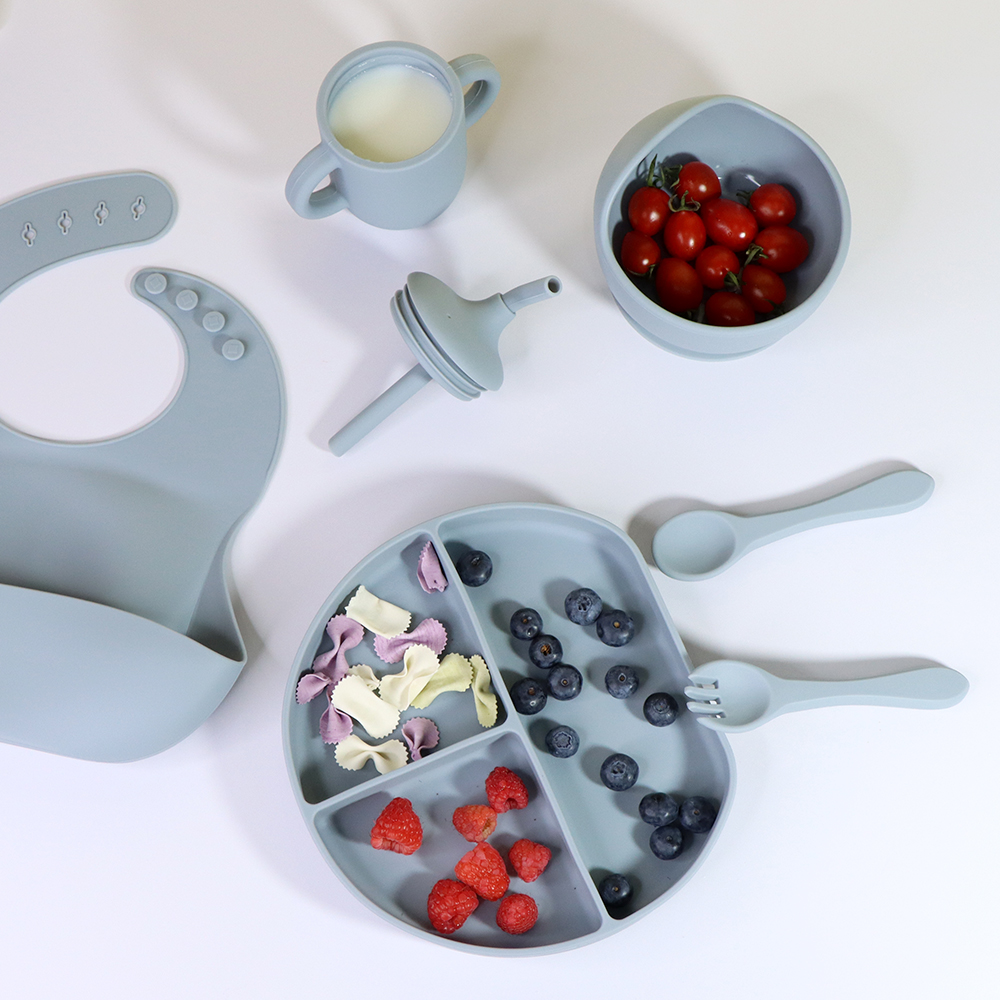
    silicone bib and bowl set

How to Ensure Your Silicone Tableware Is Truly Non-Toxic

  • Choose products labeled FDA-approved or LFGB-tested.

  • Avoid very cheap silicone with a sticky surface or chemical smell.

  • Select brands that provide test reports for their silicone baby feeding sets.

  • For children, always check labels for BPA-free, PVC-free, and phthalate-free assurance.


結論

So, are silicone plates non-toxic? The answer is yes—if you choose high-quality, certified products. From a suction bowl and plate to a silicone bib and bowl set or a silicone bento lunch box, food-grade silicone offers safety, durability, and convenience for modern families.

で Jewelives, we specialize in manufacturing premium silicone tableware, including feeding sets, suction bowls, weaning plates, and lunch boxes. With over 500 patented designs and certifications like FDA, LFGB, and ISO 9001, our products are trusted worldwide.

? 連絡先 Jewelives today to explore our catalog or request a custom silicone feeding collection for your brand.

関連記事

Silicone Tap Night Lights
Silicone Wristband Set
Introduction to Silicone Manufacturing Silicone manufacturing is a specialized industry that requires a deep understanding of material science, chemical engineering, and environmental management. As a leading silicone factory, we pride ourselves on our ability to create custom silicone products tailored to the unique needs of our wholesale clients. This article delves into the manufacturing process, health and safety considerations, and the management strategies that ensure the highest standards of quality and compliance. 1. The Manufacturing Process of Silicone 1.1 Overview of the Manufacturing Process The silicone manufacturing process involves the transformation of raw silicone materials into finished products through curing and vulcanization. Curing refers to the process where silicone compounds harden through the addition of heat or moisture, while vulcanization involves the use of catalysts to speed up the hardening process. Over the years, we have perfected these processes to ensure the production of durable and high-quality silicone products. Curing with Peroxides During the vulcanization process employing peroxides, peroxides are incorporated into the silicone compound, which triggers a reaction leading to material solidification. This approach is renowned for its dependability and its capability to attain broad hardness levels in the end products. It is applicable for general silicone rubber goods, like those used in wires and cables, and also for oil-resistant and solvent-resistant silicone rubbers. Vulcanization with Platinum Catalysts On the other hand, vulcanization using a platinum catalyst is a more specialized process that allows for exceptional control of the reaction and produces items with superior purity and performance. This method is particularly suited for manufacturing custom silicone products that require high precision and consistency. It is ideal for products where environmental protection and hygiene conditions are of higher concern, such as food-grade silicone products and medical devices. 1.2 Chemical Composition and Volatile Emissions The chemical composition of silicone materials includes base polymers, fillers, and additives. Additives play a crucial role in enhancing the properties of silicone products, such as flexibility, heat resistance, and UV stability. Curing agents and catalysts are essential for initiating and controlling the polymerization reactions that lead to the formation of the silicone product. 1.3 Common Volatiles in Silicone Manufacturing During the manufacturing process, various volatile organic compounds (VOCs) can be emitted, including methyl siloxanes and other siloxane oligomers. These emissions can have environmental and health implications, which is why our silicone factory has implemented stringent measures to minimize their release. 2. Health, Safety, and Environmental Impact 2.1 Health and Safety Risks in the Manufacturing Environment The health and safety of our workers is paramount. In the silicone manufacturing environment, exposure to uncured silicone, catalysts, and other chemicals can pose risks. Therefore, we have established safety measures and protocols that include the use of personal protective equipment (PPE) and regular health check-ups for our employees. 2.2 Impact of Volatiles on the Environment The release of volatiles into the environment can contribute to air pollution and have long-term effects on ecosystems. As a responsible silicone factory, we are committed to reducing our environmental footprint by adopting advanced technologies that minimize VOC emissions and by recycling waste materials whenever possible. 2.3 Regulatory Compliance and Standards Adherence to regulations is a cornerstone of our operations. Both national and international standards, such as those set by the European Union's REACH regulations and the United States' EPA guidelines, dictate the allowable levels of VOC emissions and the safety measures that must be in place. Our silicone factory is fully compliant with these standards, ensuring that our operations are both safe and environmentally responsible. 3. Management Strategies 3.1 Implementing Safety Measures and Protocols To safeguard our workers and the environment, we have implemented a range of safety measures and protocols. These include the use of closed-loop systems to capture and treat emissions, regular equipment maintenance to prevent leaks, and comprehensive training programs for our staff. 3.2 Advancements in Process and Material Technology Innovation is at the heart of our silicone manufacturing process. We continuously invest in research and development to improve our manufacturing processes and material technologies. This includes exploring new catalysts that reduce VOC emissions and developing silicone compounds with enhanced properties for applications like silicone lunch boxes and water bottles. 3.3 Regulatory Compliance and Environmental Management Our commitment to regulatory compliance extends beyond mere adherence to standards. We actively engage with regulatory bodies to ensure that our practices are not only compliant but also contribute to the development of more stringent environmental protections. Our environmental management system is certified to ISO 14001, demonstrating our dedication to sustainable practices. 4. Conclusion Silicone manufacturing is a complex process that requires a delicate balance between product quality, worker safety, and environmental responsibility. As a silicone factory specializing in custom silicone products, we are committed to maintaining the highest standards across all aspects of our operations. By investing in advanced technologies, adhering to strict safety protocols, and prioritizing environmental stewardship, we ensure that our silicone products meet the needs of our wholesale clients while also protecting the health of our workers and the planet.
Silicone Rubber Phone Cases
上部へスクロール

お問い合わせ