Japanese
  English
  French
  German
  Spanish
  Russian
  Polish
  Chinese
  Korean
内容
How to Find a Silicone Product Manufacturer for Your Product in 10 Steps
Finding a reliable manufacturing partner is the most critical hurdle for any brand owner, entrepreneur, or procurement manager looking to bring a new concept to life. In 2026, the global silicone market has shifted toward high-precision, medical-grade, and eco-conscious solutions. Whether you are developing silicone baby tableware, a leak-proof シリコーン弁当箱, or a high-performance silicone bottle, the quality of your supplier dictates your brand’s reputation.
This comprehensive guide breaks down the process into 10 actionable steps to help you find, vet, and partner with the ideal シリコーン工場.
1. Technical Foundations: Building Your Product Blueprint
The journey to creating high-quality custom silicone products begins long before you contact a manufacturer. In 2026, factories expect a high level of “Design for Manufacturing” (DFM) readiness.
-
The Tech Pack: You need a comprehensive technical file. This includes 3D CAD files (STEP or IGES format) and 2D technical drawings that specify tolerances.
-
Defining Durometer: Silicone hardness is measured in Shore A. For example, silicone baby tableware usually requires a softer touch (40-50 Shore A), while a シリコーン弁当箱 lid might need a firmer seal (60-70 Shore A).
-
Color Specifications: Use international Pantone (PMS) codes. Professional factories can match colors with 98% accuracy, ensuring your brand identity remains consistent across different product lines.
By providing clear specifications, you prevent “assumption-based” quoting, which often leads to hidden costs later in the silicone mold development phase.
2. Material Science: Selecting the Right Silicone Grade
Not all silicone is created equal. Your choice of material affects safety, durability, and cost.
-
Solid Silicone Rubber (SSR): Typically used in compression molding. It is cost-effective for large, simple items like kitchen mats or basic silicone tray moulds.
-
Liquid Silicone Rubber (LSR): This is the gold standard for 2026. If you are looking for lsr manufacturers, you are likely prioritizing precision and hygiene. LSR is injected in a closed system, making it ideal for silicone baby tableware because it minimizes human contact and environmental contamination.
-
Food-Grade vs. Medical-Grade: Ensure your material matches your application. A silicone bottle intended for infants requires medical-grade or “platinum-cured” silicone to ensure zero odors and no chemical leaching.
3. Geographic Strategy: Why Location Matters in 2026
While manufacturing has diversified, the Pearl River Delta (Shenzhen, Dongguan, and Zhongshan) remains the world’s most sophisticated silicone hub.
-
The Ecosystem Advantage: A シリコーン工場 in Shenzhen has immediate access to high-grade steel for a silicone mold, specialized pigment suppliers, and advanced logistics hubs.
-
The Vietnam Alternative: Many leading manufacturers, such as Jewelives, have expanded with secondary facilities in Vietnam. This provides retailers with a “China Plus One” strategy, helping to mitigate trade tariffs and diversify supply chain risks while maintaining high engineering standards.
4. Navigating Sourcing Platforms Like a Pro
Platforms like Alibaba, Global Sources, and Made-in-China are powerful tools if you know how to filter the noise.
-
The “Trading Company” Trap: Many entities on these platforms are middle-men. Look for “Factory” status. A true シリコーン工場 will have photos of their hydraulic presses, injection machines (like those from Arburg or Engel), and an in-house mold-making shop.
-
Verification Levels: Look for “Verified” or “Pro” badges. These indicate that third-party agencies like SGS or TÜV Rheinland have physically visited the site to verify production capacity and legal existence.
5. Compliance and Safety: Your Brand’s Shield
In the modern market, a single safety recall can bankrupt a startup. For products like a シリコーン弁当箱 or infant items, certifications are non-negotiable.
-
FDA vs. LFGB: While FDA (USA) is common, LFGB (Germany/Europe) is significantly more rigorous regarding the migration of substances. High-end brands often default to LFGB to ensure global market access.
-
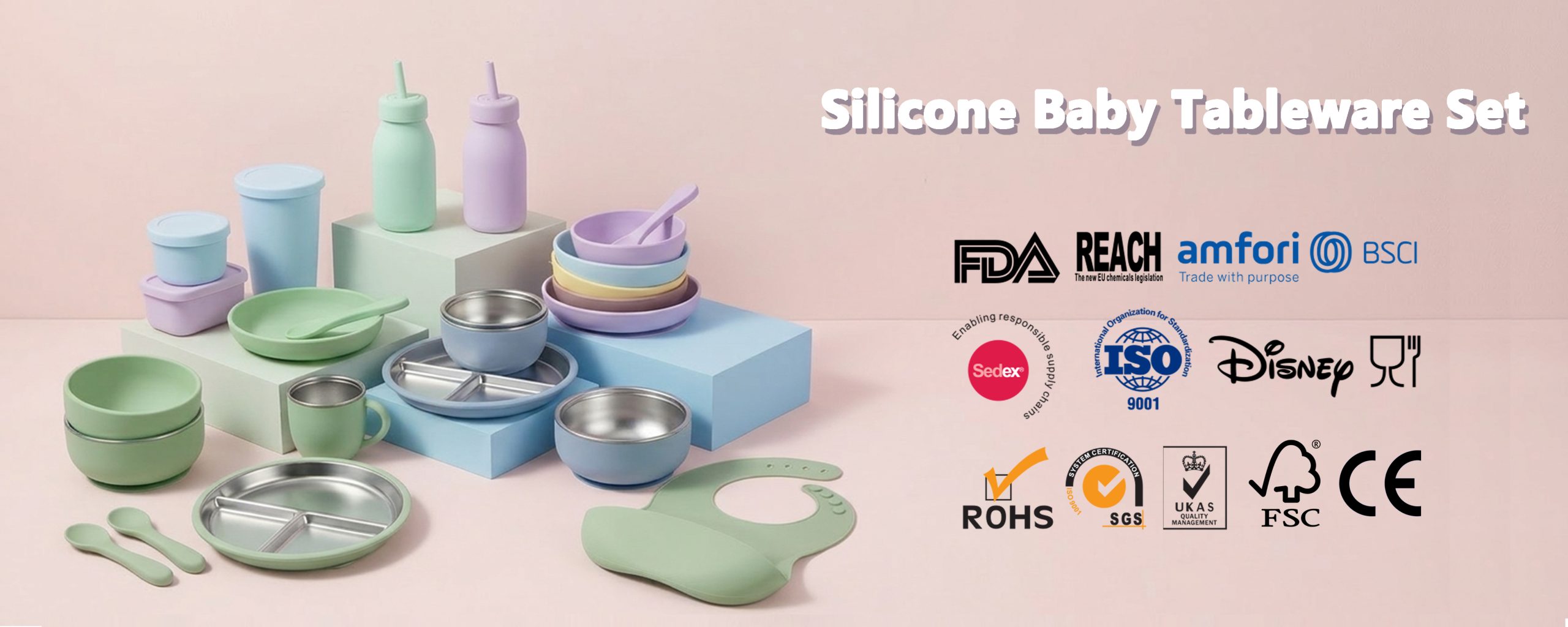
Chemical Transparency: Ask for REACH and RoHS compliance. This ensures your custom silicone products are free from heavy metals and restricted hazardous substances.
-
BPA-Free Certification: While most silicone is naturally BPA-free, having a formal test report for your silicone baby tableware is essential for consumer trust.
6. The RFQ (Request for Quote) Masterclass
A vague inquiry gets a vague price. To get an accurate quote from a シリコーン工場, your RFQ must be structured.
-
Tooling/Mold Costs: Ask for the price of a multi-cavity silicone mold. A 4-cavity mold costs more upfront but lowers the “per-piece” cost significantly.
-
MOQ (Minimum Order Quantity): Many high-quality lsr manufacturers have MOQs of 1,000 to 3,000 units due to machine setup times.
-
Packaging and Assembly: Does the price include polybags, color boxes, or FNSKU labeling for Amazon? Professional manufacturers like Jewelives offer “one-stop” services, including final retail packaging.
7. The Engineering Phase: Mastering the Silicone Mold
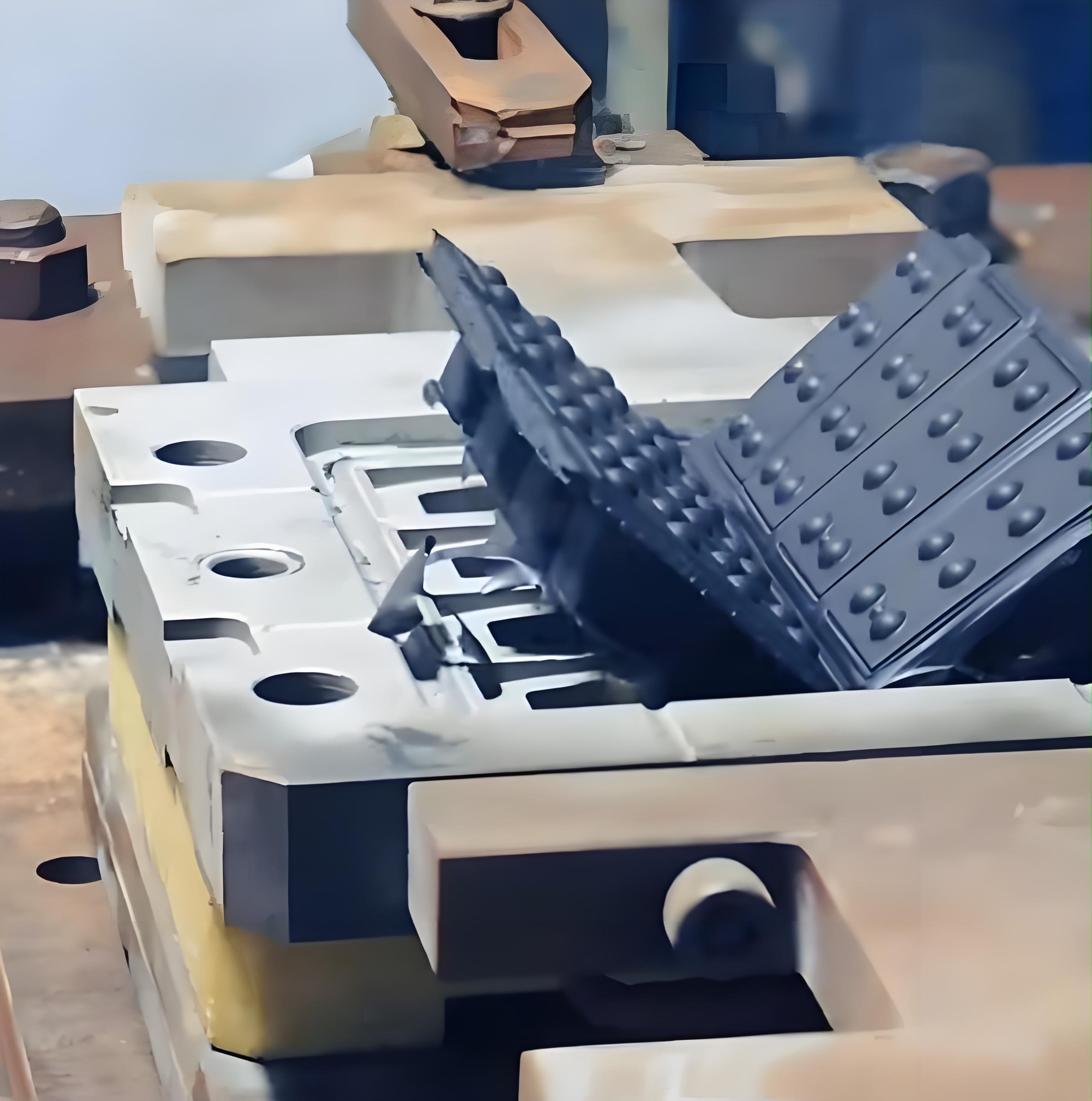
The silicone mold is your most significant investment. It determines the final “finish” of your product.
-
Steel Grades: For long-term production (100k+ units), insist on high-grade hardened steel (like S136). For short runs, aluminum or lower-grade steel may suffice but will degrade faster.
-
The Prototype (Mock-up): Before spending thousands on a steel silicone mold, request a 3D-printed or CNC-machined sample. While the texture won’t match silicone perfectly, it allows you to test the ergonomics of a silicone bottle or the fit of a lid.
-
Pilot Tooling: Consider a “bridge mold” (single-cavity) to produce a few hundred units for market testing before committing to mass-production tooling.
8. Social Responsibility and Ethical Audits
Consumers in 2026 demand ethical transparency. You cannot afford to be associated with a “sweatshop” factory.
-
BSCI and Sedex: These are the gold standards for social compliance. They ensure the factory adheres to fair labor practices, safe working conditions, and environmental regulations.
-
Disney FAMA: If you ever plan to produce licensed content, your シリコーン工場 must be Disney FAMA certified.
-
Jewelives Example: As a veteran with 23 years of experience, Jewelives maintains all these certifications, ensuring that your custom silicone products are manufactured under the highest ethical standards.
9. Quality Control (QC) and Testing Protocols
Quality control is not a “final step”—it’s a continuous process.
-
IQC (Incoming Quality Control): Ensure the factory tests the raw silicone material for purity before it enters the machine.
-
In-Process QC: For a シリコーン弁当箱, workers should check for “flash” (excess material) and air bubbles every hour.
-
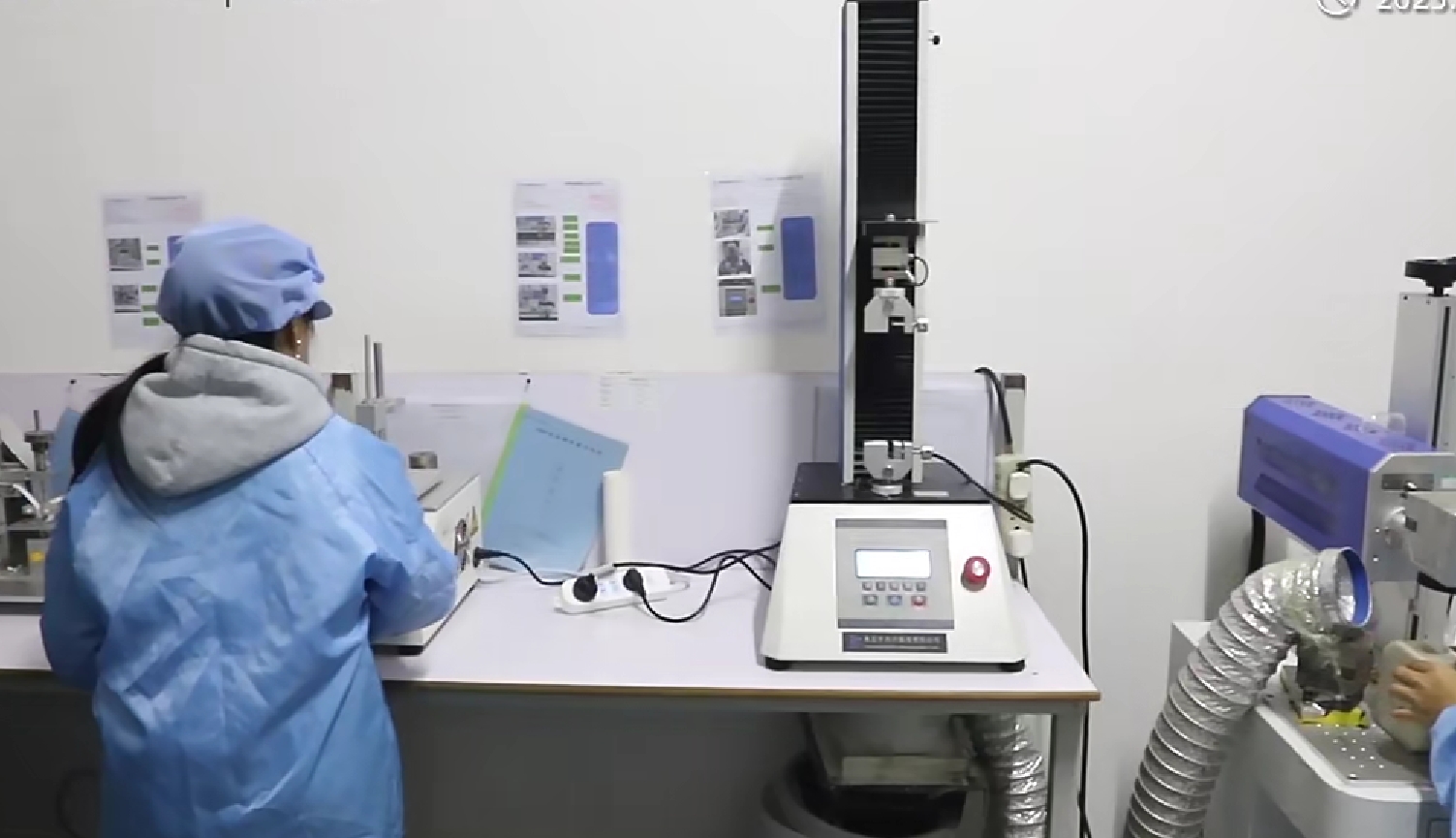
The Pull Test: For a silicone bottle or baby products, the factory should perform “pull tests” to ensure components don’t detach and become choking hazards.
-
Third-Party Inspection: Always hire an outside agency (like QIMA or V-Trust) to inspect at least 20% of the finished goods before you send the final payment.

10. 2026 Logistics: Scaling and Global Distribution
The final step is getting your products from the シリコーン工場 to your warehouse or 3PL.
-
Shipping Strategy: With the volatile logistics landscape of 2026, consider “Split Shipping.” Ship a small portion via Air Freight to launch quickly, and the remaining 90% via Sea Freight to maximize profit margins.
-
Customs Readiness: Ensure your manufacturer provides the correct HS Codes (Harmonized System). For example, a シリコーン弁当箱 is categorized differently than silicone baby tableware, and the wrong code can lead to hefty fines or delays at the border.
Frequently Asked Questions
Q1: What is the average lead time for a custom silicone mold?
In 2026, the standard lead time for a high-precision silicone mold is 25 to 35 days. This includes the time for mold design, CNC machining, EDM (Electrical Discharge Machining), and initial T1 (Trial 1) samples.
Q2: Why is LSR more expensive than compression molding?
LSR manufacturers use specialized injection machines and closed-loop systems that require a higher initial investment. However, LSR offers faster cycle times, zero waste, and much higher precision. For items like silicone baby tableware, the safety and quality of LSR usually justify the 15-20% higher cost.
Q3: How do I know if a factory is using 100% pure silicone?
You should request a “Specific Gravity” test report. Pure silicone usually has a specific gravity around 1.1 to 1.2. You can also perform a “pinch test” or “twist test” on a sample—if the material turns white at the stress point, it likely contains cheap plastic fillers.
Q4: Can I customize the texture of my silicone products?
Yes. During the silicone mold making process, the steel can be treated with sandblasting, chemical etching, or laser engraving to create different textures, from “soft touch” matte to high-gloss finishes.
Q5: Do silicone products expire in a warehouse?
High-quality custom silicone products are incredibly stable. When stored in a cool, dry place away from direct UV light, silicone products can remain in perfect condition for 5 to 10 years without losing their elasticity or safety properties.
Q6: Can a silicone factory help with my brand packaging?
Top-tier manufacturers like Jewelives offer full OEM/ODM services. This includes sourcing FSC-certified paper boxes, designing custom inserts for a シリコーン弁当箱, and applying barcodes, so the product is “shelf-ready” the moment it arrives.