Japanese
  English
  French
  German
  Spanish
  Russian
  Polish
  Chinese
  Korean
内容
How to Test Silicone Quality: The Ultimate 2026 Guide to Material Excellence
In the 2026 consumer landscape, silicone has become the backbone of high-performance products. From the sleek silicone phone case protecting your latest iphone to the medical-grade components in advanced healthcare, the material’s versatility is unmatched. However, with market saturation comes a significant challenge: the proliferation of low-quality, “filled” silicone.
For a manufacturer, poor quality silicone means catastrophic product failures and brand-damaging recalls. For the consumer, it means exposure to hidden toxins and subpar performance. Whether you are sourcing in bulk or purchasing a single custom item, knowing how to verify silicone quality is a non-negotiable skill. This guide provides a deep-dive into the sensory, physical, and chemical testing protocols used by industry experts to ensure material integrity.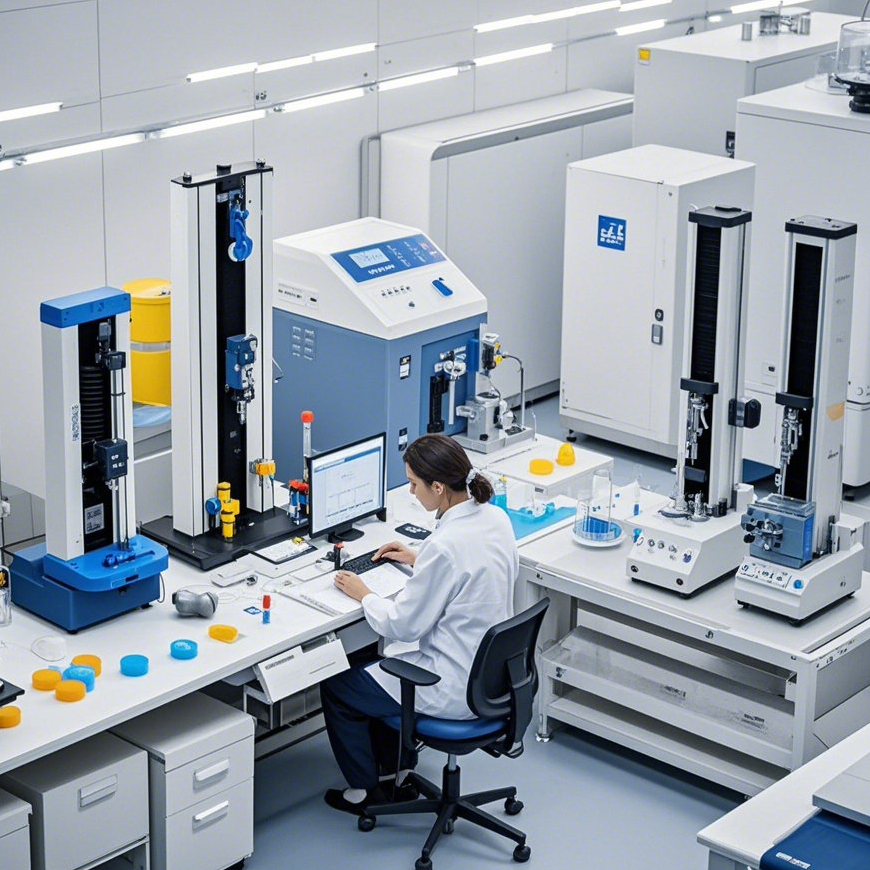
1. Why Silicone Quality Matters in 2026
Silicone is prized for its “siloxane” backbone—a chain of alternating silicon and oxygen atoms. This structure is what allows it to remain stable at temperatures ranging from -40℃-230℃. However, to lower the Price, some factories add “fillers” (like calcium carbonate) or use industrial-grade instead of food-grade catalysts.
Testing ensures:
-
Safety: Preventing the migration of heavy metals or volatile organic compounds (VOCs).
-
Durability: Ensuring an android case or kitchen tool doesn’t crack, yellow, or lose its shape.
-
Brand Authority: A high-quality finish with a crisp Logo reflects a brand that doesn’t cut corners.
2. The Sensory “DIY” Toolkit: Initial Quality Assessment
Before sending samples to a multi-thousand-dollar laboratory, you can perform several high-accuracy “field tests” to weed out obvious counterfeits.
The “Pinch and Twist” Test
This is the most famous quick-check for fillers.
-
Take the silicone product (like a custom baby plate or a Samsung case) and pinch a corner or an edge.
-
Twist it firmly and pull.
-
The Result: Pure, high-quality silicone will maintain its color throughout the stretch. If the stretched area turns white, it indicates the presence of cheap plastic fillers. These fillers compromise the heat resistance and safety of the product.
The Olfactory (Odor) Audit
High-quality, well-vulcanized silicone should be virtually odorless.
-
The Red Flag: If you unbox a shipment and smell a pungent, “chemical,” or vinegar-like odor, the silicone has likely been poorly cured or contains low-quality additives. For products like baby bibs or kitchenware, any odor is a sign of industrial-grade material that is not food-safe.
The Tactile “Hand-Feel” Check
Premium silicone has a distinct texture. It should feel soft, smooth, and slightly “skin-like” without being tacky.
-
Static Attraction: High-quality silicone, especially when treated with a nano-coating, should not act like a “dust magnet.” If the product feels “sticky” and immediately attracts lint, it may be a lower-grade standard silicone rather than the superior liquid silicone variant.
3. Physical Performance Testing: Stress and Stability
A professional manufacturer must ensure that the product can survive the rigors of daily use. This involves measuring the physical limits of the material.
Tensile Strength and Rebound
Silicone is known for its elasticity. In a lab setting, we use a tensile testing machine to measure “elongation at break.”
-
Rebound Test: Stretch a silicone band to 300% of its original length and release it. High-quality silicone should snap back to its exact original dimensions almost instantly. Any permanent deformation or “creep” suggests a weak molecular cross-linking during the molding process.
Temperature Resistance Verification
Silicone’s primary selling point is its thermal stability.
-
The Heat Test: Place a sample in a controlled oven at 200℃ for 30 minutes.
-
The Result: Quality silicone will show no change in color, flexibility, or size. Industrial-grade or “filled” silicone may become brittle, develop a “burnt” smell, or show surface coking. This is critical for items like baking mats or high-performance seals.
4. The Combustion Test: The Ultimate Truth
When in doubt, burn it. The way silicone reacts to fire is a definitive indicator of its chemical purity.
Warning: This test should only be performed in a controlled, ventilated environment by professionals.
| Material Property | Pure Silicone | Counterfeit/TPE/Plastic |
| Smoke Color | Clean White Smoke | Thick Black Smoke |
| Residue | Fine White Ash (Silica) | Sticky Black Char/Lumps |
| Odor | Neutral or faint | Pungent plastic/chemical smell |
The white ash left behind by pure silicone is essentially SiO2 (silicon dioxide), confirming the absence of carbon-heavy plastic fillers.
5. Advanced Laboratory Analysis: Chemical & Safety Compliance
For brands selling on Amazon or in global markets, “hand tests” are not enough to satisfy regulatory bodies. You need certified lab reports.
Migration Testing (LFGB vs. FDA)
These tests measure how many substances “migrate” from the silicone into food or the body.
-
FDA (US): Focuses on basic safety and extraction limits.
-
LFGB (Germany/EU): The “Gold Standard.” It includes stricter tests for sensory (taste/odor) and specific migration of harmful substances like “extractable organics.”
GC-MS and ICP-OES Analysis
-
GC-MS (Gas Chromatography-Mass Spectrometry): Used to identify Volatile Organic Compounds (VOCs). This ensures that the silicone is “post-cured” properly to remove any residual siloxanes.
-
ICP-OES: Used to detect heavy metals like lead, cadmium, or mercury. This is vital for custom baby products where ingestion risks are high.
6. How to Audit a Silicone Manufacturer
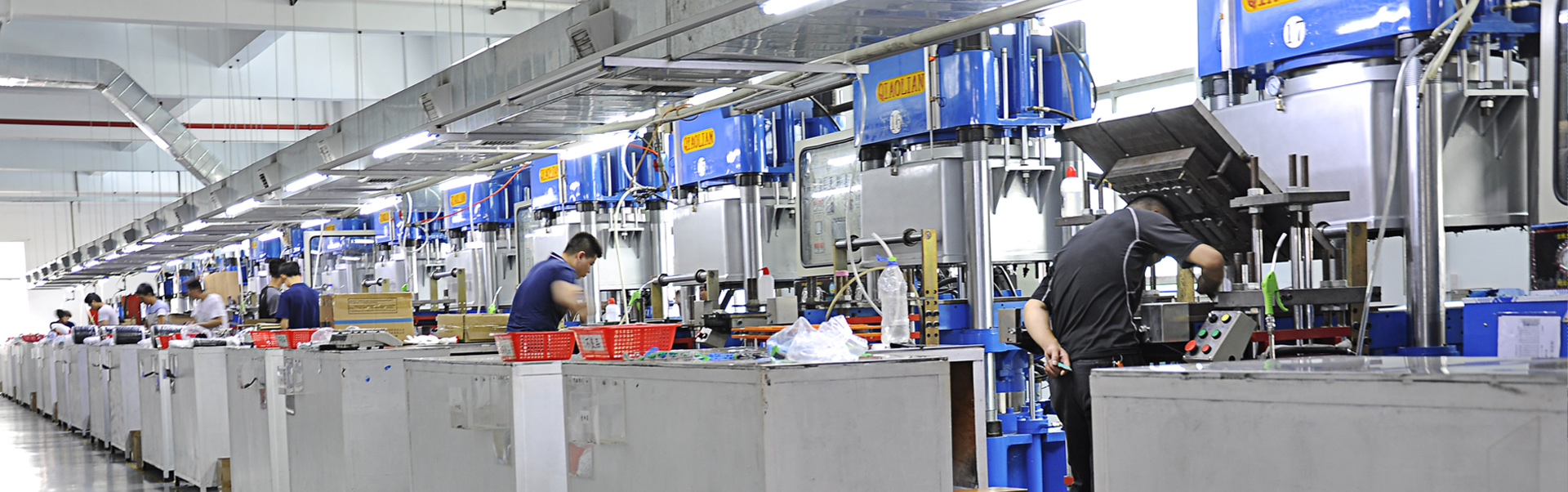
Quality isn’t just tested at the end; it’s built into the process. When choosing a manufacturer, ask the following questions to ensure they maintain high standards:
-
Do you use Vacuum Mixing? This removes micro-bubbles that cause structural weaknesses.
-
What is your Post-Curing protocol? High-quality products should be “baked” in a secondary oven (typically at 200℃ for 4 hours) to ensure all volatile substances are evaporated.
-
Is your silicone Platinum-Cured or Peroxide-Cured? Platinum curing is more expensive but results in a purer, clearer, and non-yellowing product—perfect for a high-end iphone or Samsung case.
-
Can you provide a Traceability System? Top-tier factories use blockchain or batch-coding to track raw materials back to the original silicone supplier.
7. Strategic Importance for Different Industries
Testing protocols should be tailored to the product’s application.
-
Electronics (Iphone/Android Cases): Focus on UV aging tests (to prevent yellowing) and dimensional accuracy (controlled within 0.1 mm) to ensure a perfect fit for the device buttons and ports.
-
Medical/Baby Care: Prioritize biocompatibility and cytotoxicity tests. The silicone must not cause irritation or allergic reactions when in contact with skin or mucous membranes.
-
Industrial/Automotive: Focus on chemical resistance. Soak the sample in oils or fuels for 24 hours to observe if it swells or loses its tensile strength.

8. Conclusion: Quality as a Competitive Advantage
In 2026, the Price of a product is no longer just a number; it is a reflection of the testing and engineering behind it. Cutting corners on silicone quality might save pennies in production but will cost thousands in returns and lost consumer trust.
By combining simple sensory checks like the “pinch test” with rigorous laboratory certifications (FDA/LFGB), brands can confidently launch custom silicone lines that stand the test of time. Whether it’s a high-precision Logo on a premium case or the safety-first design of a baby teether, quality is the only sustainable business model.
FAQ: Silicone Quality Testing
Q1: Why does some silicone turn white when I stretch it?
This is the “stress whitening” effect caused by cheap plastic fillers or “stretching agents.” Pure silicone has high molecular elasticity and will not change color under tension.
Q2: Is “Food Grade” silicone the same as “Medical Grade”?
No. While both are safe, Medical Grade silicone undergoes more rigorous biocompatibility testing (ISO 10993) to ensure it can stay in contact with the human body for extended periods without reaction.
Q3: How do I remove the “new silicone” smell from a product?
A slight smell can occur if the product was packaged immediately after post-curing. Boiling the product in water for 5 minutes or placing it in a well-ventilated area for 24 hours should eliminate it. If the smell persists, the quality is likely poor.
Q4: Does the color of the silicone affect its quality?
The color itself (pigment) doesn’t affect quality, but the uniformity of the color does. Streaks or “marbling” in a solid-colored product suggest poor mixing of the masterbatch, which can lead to weak spots in the material.
Q5: Can I test if a silicone case is UV-resistant?
This requires an aging chamber in a lab. However, you can ask your manufacturer for an “Accelerated Aging Report.” High-quality liquid silicone is naturally more resistant to yellowing than standard silicone.