물병이 공으로 변신할 수 있나요?

편리함과 효율성이 가장 중요한 시대에 맞춤형 접이식 물병이라는 개념은 이동 중 수분 섭취에 대한 우리의 생각을 혁신적으로 바꿔놓았습니다. 등산객이나 모험을 즐기는 사람들처럼 야외 활동을 자주 하는 사람들에게는 믿을 수 있고 공간을 절약하며 안전한 음용 솔루션이 필수적입니다. 플라스틱이나 스테인리스 스틸로 만든 기존의 물병은 유연하지 않고 무겁고 잠재적인 건강 위험으로 인해 이러한 요구를 충족시키지 못하는 경우가 많습니다. 이 모든 문제를 해결할 수 있는 다목적 소형 솔루션인 접이식 물병의 세계로 들어가 보세요.
Collapsible water bottle

수분 공급의 진화: 경직성에서 유연성으로: 수분 공급의 진화

많은 사람에게 개인 물병은 일상적인 동반자입니다. 하지만 아웃도어 활동을 즐기는 사람들에게는 단순한 용기가 아닌 그 이상의 것이 필요합니다. 일반적인 물병, 특히 용량이 큰 물병은 이미 꽉 찬 배낭에 추가하기에는 번거로운 짐이 될 수 있습니다. 이때 접이식 물병이 탁월한 성능을 발휘합니다. 비어 있을 때 압축할 수 있어 소중한 짐 공간을 절약할 수 있다는 점에서 상당한 이점을 제공합니다. 실리콘 공장으로, 쥬얼리 는 기능성과 맞춤화를 모두 강조하는 도매 시장에 특화된 맞춤형 솔루션 제작을 전문으로 합니다.
Collapsible water bottle

소재의 중요성: 실리콘의 선택

물병을 만드는 데 사용되는 소재는 물병의 성능과 안전성에 매우 중요합니다. 화학물질이 용출될 수 있고 뜨거운 액체에는 적합하지 않은 기존 플라스틱 보틀이나 무거운 스테인리스 스틸과 달리, JEWELIVES 접이식 보틀은 식품에 안전한 고급 실리콘을 사용합니다. 이러한 소재 선택은 가볍고 내구성이 뛰어날 뿐만 아니라 유해 물질이 들어있지 않다는 것을 보장합니다. 실리콘 공장을 운영하고 있는 JEWELIVES는 고객 맞춤형 제품을 제공할 수 있다는 자부심을 가지고 있습니다. 접이식 물병 최고 수준의 품질과 안전 기준을 충족하는 제품으로, 안목 있는 도매 고객에게 이상적인 옵션입니다.

다채로운 옵션: 다양한 취향에 어필하기: 다채로운 옵션

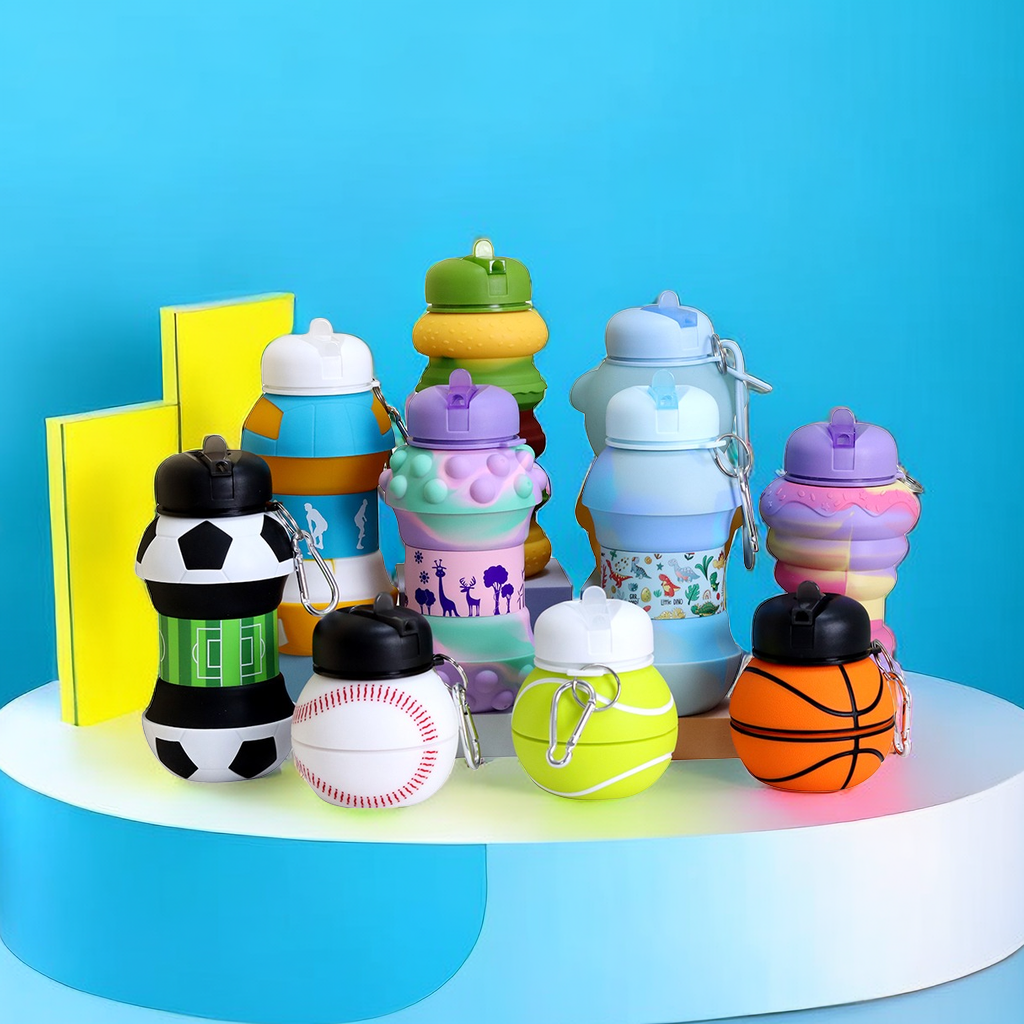
쥬얼리브 접이식 물병의 가장 큰 특징 중 하나는 다양하고 매력적인 디자인입니다. 클래식한 흑백 축구공, 복고풍의 검은색 농구공, 우아한 흰색 골프공, 트렌디한 노란색 테니스공 등 다양한 모양으로 제공되는 이 물병은 기능뿐만 아니라 스타일리시한 액세서리로도 손색이 없습니다. 다양한 연령대와 선호도에 맞는 다양한 색상을 선택할 수 있어 모든 취향에 맞는 디자인을 찾을 수 있습니다. 도매업체 입장에서는 시장에서 눈에 띄는 다양하고 매력적인 제품 라인을 제공할 수 있다는 것을 의미합니다.
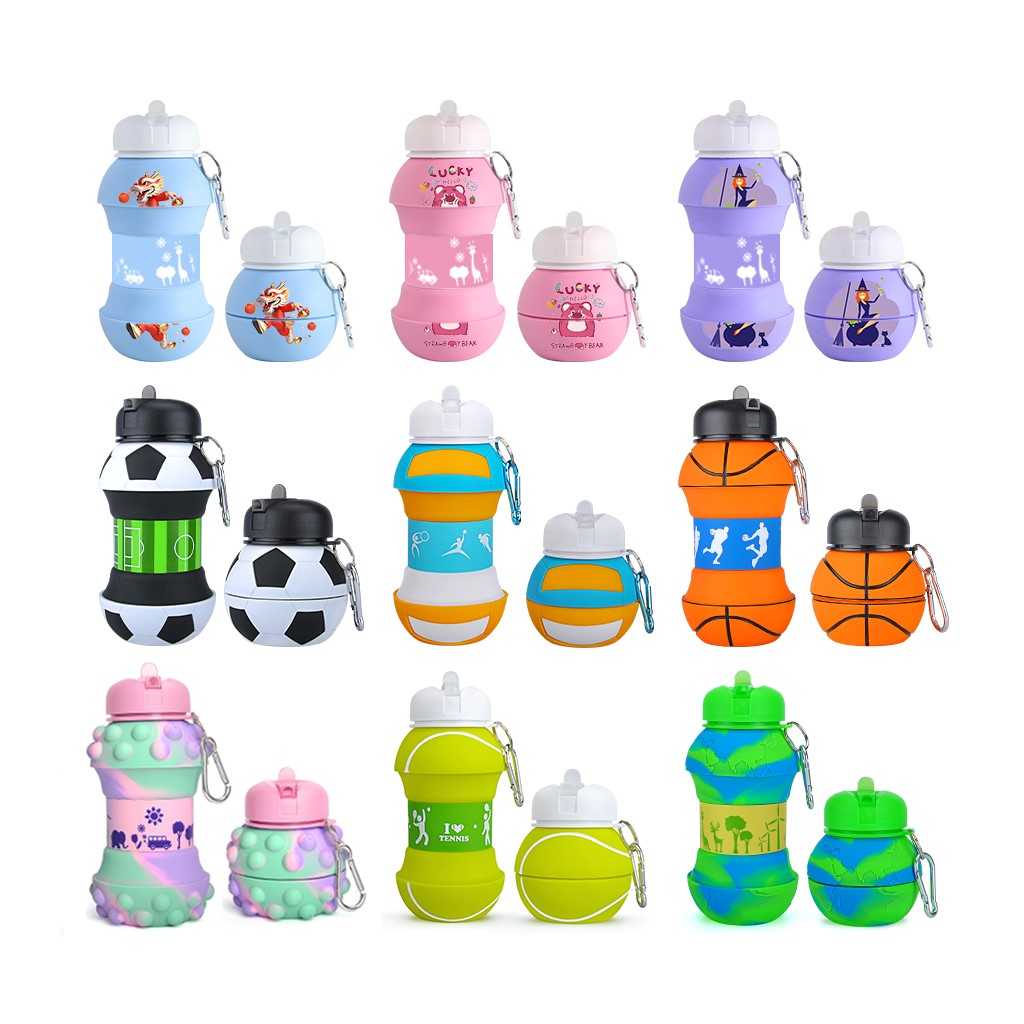
Collapsible water bottle

공간 절약형 디자인: 필요할 때만 컴팩트하게

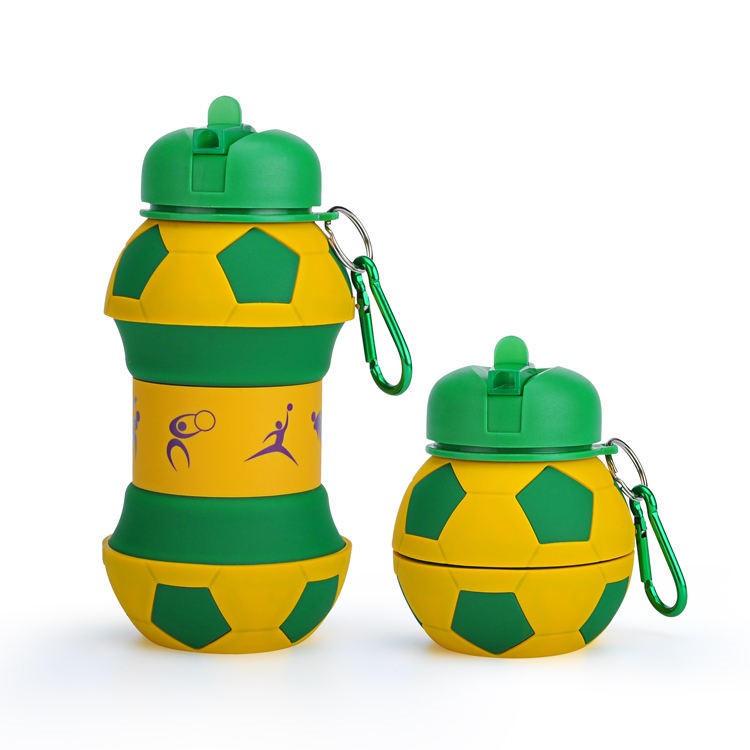
쥬얼리브 접이식 젖병의 가장 매력적인 특징은 독특한 접이식 메커니즘입니다. 보틀을 사용하지 않을 때는 공처럼 컴팩트한 형태로 쉽게 압축할 수 있어 배낭이나 캐리어에서 최소한의 공간만 차지합니다. 이러한 특성 덕분에 여행자, 특히 실용성과 스타일을 중시하는 여행자에게 필수 아이템이 될 것입니다. 550ML와 1000ML 용량의 이 물병은 부피가 크지 않으면서도 충분한 수분을 공급하며, 작은 사이즈의 경우 무게가 156g에 불과합니다. 가볍고 컴팩트한 크기 덕분에 실용적이고 바람직한 제품을 공급하고자 하는 도매업체에게 탁월한 선택이 될 것입니다.

휴대용 수분 공급의 미래 - 접이식 물병

휴대용 수분 공급의 한계를 뛰어넘는 혁신을 지속하는 가운데, 접이식 물병은 중요한 도약을 의미합니다. 넓은 물통의 장점과 컴팩트하고 접을 수 있는 디자인의 편리함을 결합하여 현대의 모험가들을 위한 맞춤형 솔루션을 제공하는 JEWELIVES. 품질, 맞춤화, 고객 만족에 대한 당사의 노력은 기대 이상의 제품을 제공하는 도매 시장의 선도적인 공급업체로 자리매김했습니다. 실용성, 휴대성, 개인 맞춤화가 결합된 JEWELIVES 접이식 보틀과 함께 수분 보충의 미래를 열어보세요.
관련 게시물

Introduction to Silicone Manufacturing Silicone manufacturing is a specialized industry that requires a deep understanding of material science, chemical engineering, and environmental management. As a leading silicone factory, we pride ourselves on our ability to create custom silicone products tailored to the unique needs of our wholesale clients. This article delves into the manufacturing process, health and safety considerations, and the management strategies that ensure the highest standards of quality and compliance. 1. The Manufacturing Process of Silicone 1.1 Overview of the Manufacturing Process The silicone manufacturing process involves the transformation of raw silicone materials into finished products through curing and vulcanization. Curing refers to the process where silicone compounds harden through the addition of heat or moisture, while vulcanization involves the use of catalysts to speed up the hardening process. Over the years, we have perfected these processes to ensure the production of durable and high-quality silicone products. Curing with Peroxides During the vulcanization process employing peroxides, peroxides are incorporated into the silicone compound, which triggers a reaction leading to material solidification. This approach is renowned for its dependability and its capability to attain broad hardness levels in the end products. It is applicable for general silicone rubber goods, like those used in wires and cables, and also for oil-resistant and solvent-resistant silicone rubbers. Vulcanization with Platinum Catalysts On the other hand, vulcanization using a platinum catalyst is a more specialized process that allows for exceptional control of the reaction and produces items with superior purity and performance. This method is particularly suited for manufacturing custom silicone products that require high precision and consistency. It is ideal for products where environmental protection and hygiene conditions are of higher concern, such as food-grade silicone products and medical devices. 1.2 Chemical Composition and Volatile Emissions The chemical composition of silicone materials includes base polymers, fillers, and additives. Additives play a crucial role in enhancing the properties of silicone products, such as flexibility, heat resistance, and UV stability. Curing agents and catalysts are essential for initiating and controlling the polymerization reactions that lead to the formation of the silicone product. 1.3 Common Volatiles in Silicone Manufacturing During the manufacturing process, various volatile organic compounds (VOCs) can be emitted, including methyl siloxanes and other siloxane oligomers. These emissions can have environmental and health implications, which is why our silicone factory has implemented stringent measures to minimize their release. 2. Health, Safety, and Environmental Impact 2.1 Health and Safety Risks in the Manufacturing Environment The health and safety of our workers is paramount. In the silicone manufacturing environment, exposure to uncured silicone, catalysts, and other chemicals can pose risks. Therefore, we have established safety measures and protocols that include the use of personal protective equipment (PPE) and regular health check-ups for our employees. 2.2 Impact of Volatiles on the Environment The release of volatiles into the environment can contribute to air pollution and have long-term effects on ecosystems. As a responsible silicone factory, we are committed to reducing our environmental footprint by adopting advanced technologies that minimize VOC emissions and by recycling waste materials whenever possible. 2.3 Regulatory Compliance and Standards Adherence to regulations is a cornerstone of our operations. Both national and international standards, such as those set by the European Union's REACH regulations and the United States' EPA guidelines, dictate the allowable levels of VOC emissions and the safety measures that must be in place. Our silicone factory is fully compliant with these standards, ensuring that our operations are both safe and environmentally responsible. 3. Management Strategies 3.1 Implementing Safety Measures and Protocols To safeguard our workers and the environment, we have implemented a range of safety measures and protocols. These include the use of closed-loop systems to capture and treat emissions, regular equipment maintenance to prevent leaks, and comprehensive training programs for our staff. 3.2 Advancements in Process and Material Technology Innovation is at the heart of our silicone manufacturing process. We continuously invest in research and development to improve our manufacturing processes and material technologies. This includes exploring new catalysts that reduce VOC emissions and developing silicone compounds with enhanced properties for applications like silicone lunch boxes and water bottles. 3.3 Regulatory Compliance and Environmental Management Our commitment to regulatory compliance extends beyond mere adherence to standards. We actively engage with regulatory bodies to ensure that our practices are not only compliant but also contribute to the development of more stringent environmental protections. Our environmental management system is certified to ISO 14001, demonstrating our dedication to sustainable practices. 4. Conclusion Silicone manufacturing is a complex process that requires a delicate balance between product quality, worker safety, and environmental responsibility. As a silicone factory specializing in custom silicone products, we are committed to maintaining the highest standards across all aspects of our operations. By investing in advanced technologies, adhering to strict safety protocols, and prioritizing environmental stewardship, we ensure that our silicone products meet the needs of our wholesale clients while also protecting the health of our workers and the planet.
Iphone 17 Phone Cases 5
Silicone food box container
맨 위로 스크롤

문의하기