Korean
  English
  French
  German
  Spanish
  Russian
  Polish
  Chinese
  Japanese
콘텐츠
Difference Between Silicone and Liquid Silicone Phone Case: The 2026 Industry Comparison
In the fast-paced world of mobile accessories in 2026, the demand for high-performance protection has reached an all-time high. As smartphones like the latest iphone and Samsung flagship models become increasingly sophisticated—and expensive—the “armor” we choose for them must do more than just look good. Silicone has long been the backbone of the accessory industry, but as technology has evolved, a clear divide has emerged between traditional solid silicone and the advanced Liquid Silicone Rubber (LSR).
For a brand owner or a consumer, understanding the nuance between these two materials is the difference between a product that feels “cheap” and one that feels “premium.” This guide will dissect the chemical, structural, and market differences between standard and liquid silicone cases, helping you decide which is best for your brand’s next android or iOS collection.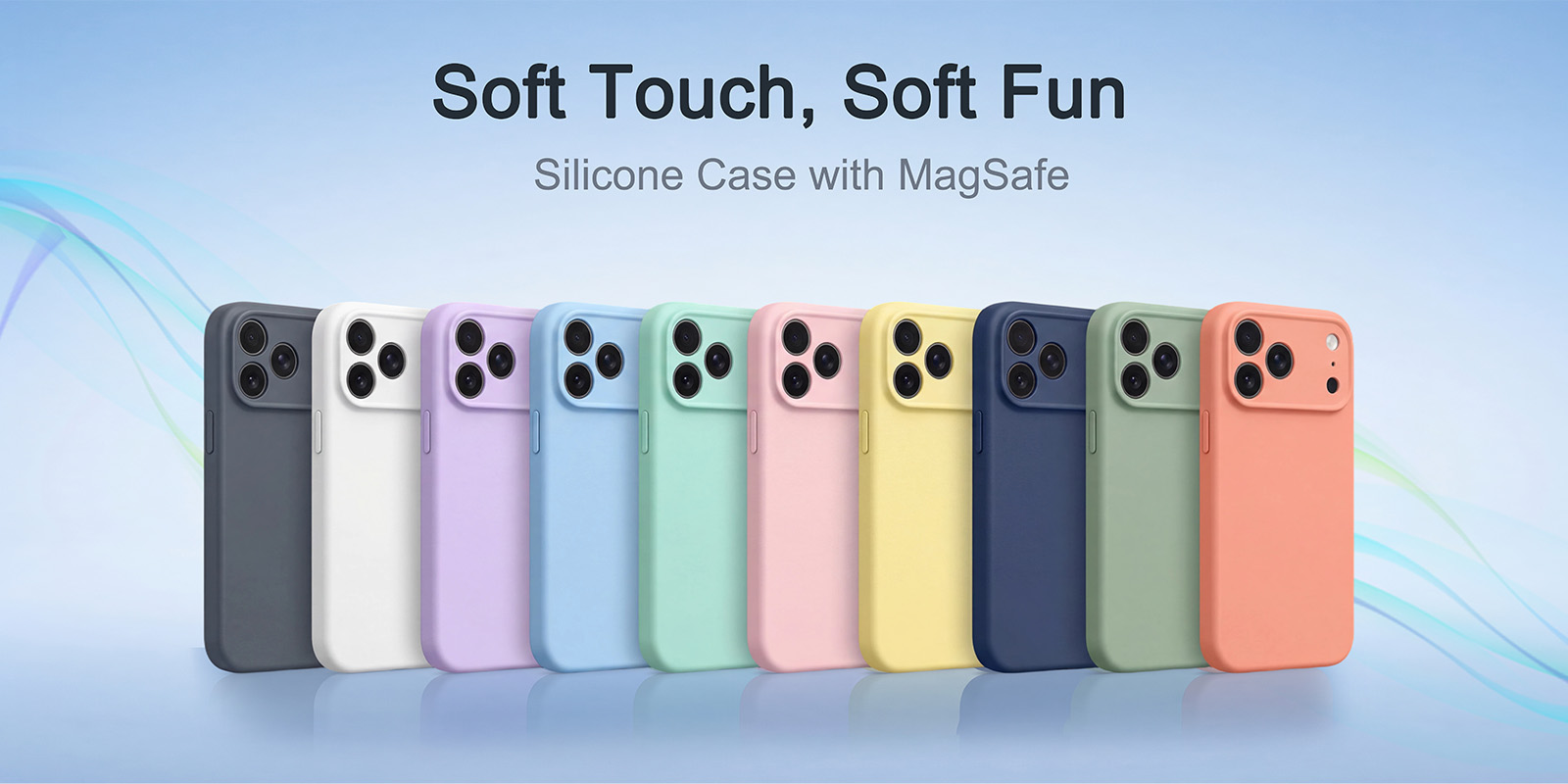
1. Molecular Foundations: Solid vs. Liquid
The primary difference between these two products starts at the molecular level. Standard silicone, often referred to as High-Consistency Rubber (HCR), is essentially a solid-state material. To turn it into a phone case, a manufacturer must use high-heat vulcanization to “cure” the rubber into a specific shape. Because the starting material is a dense gum, the resulting case is often thicker and somewhat rigid.
In contrast, liquid silicone is exactly what the name implies: a two-part liquid compound that is injected into a mold. This process, known as Liquid Silicone Rubber (LSR) injection molding, allows for a much tighter molecular structure. When the liquid components are mixed and heated, they form a cross-linked bond that is significantly more stable than solid silicone. This stability is what gives liquid silicone its signature “silk-like” feel and superior elasticity.
2. The Manufacturing Process: Precision and Efficiency
The way a case is made directly impacts its final quality and Price.
Standard Silicone (Compression Molding)
Standard cases are typically made via compression molding. A pre-measured piece of solid silicone is placed in a heated mold cavity and pressed into shape. This is a labor-intensive process that often results in “flash”—excess material that must be manually trimmed away. Because of this manual element, standard silicone cases are often the budget-friendly option. However, the lack of precision can sometimes lead to a loose fit, especially around the volume buttons of a modern iphone.
Liquid Silicone (LSR Injection)
LSR cases are produced using high-precision injection machines. The liquid is pumped into a closed-loop system, which eliminates human contact and environmental contamination. This results in a “clean-room” quality product. For a manufacturer, LSR technology allows for incredibly thin walls (as thin as 0.4mm) while maintaining structural integrity. This is why liquid silicone cases feel so sleek and “barely there” on your device.
3. Tactile Experience: Grip vs. Stickiness
If you have ever pulled a phone case out of your pocket and found it covered in lint and dust, you were likely using a standard silicone case.
-
Standard Silicone: The surface energy of solid silicone is relatively high, which can result in a “tacky” or sticky feeling. Over time, as the material absorbs oils from your skin, it can develop a glossy, greasy sheen that is difficult to clean.
-
Liquid Silicone: Liquid silicone undergoes a secondary surface treatment (often a Nano-oil coating) that creates a soft-matte, “skin-friendly” finish. It provides a secure grip that prevents your Samsung from sliding off a table, but it is smooth enough to slide in and out of a pocket without attracting debris.

4. Protection and Shock Absorption
The ultimate goal of any case is to safeguard the device. While both materials are rubbery and offer decent bounce, their performance during a high-impact drop differs.
Standard silicone relies on “bulk” for protection. Because it is a denser, less flexible material, it needs to be thick to absorb energy. Liquid silicone, however, has superior elasticity. It can stretch further without tearing and has a higher energy-absorption rate. This means a liquid silicone case can be thinner than a standard one while offering equal or better protection for an android flagship’s curved glass edges.
Furthermore, liquid silicone is more resistant to “aging.” Standard silicone can become brittle or lose its shape over 12–18 months of use. Liquid silicone maintains its form-factor and protective qualities for years, ensuring the “fit” remains as tight as the day it was unboxed.
5. Aesthetics and Color Fidelity
In 2026, the “look” of a case is just as important as its function.
-
Color Matching: Both materials allow for Pantone color matching. However, because liquid silicone is a purer compound, colors appear more vibrant and “true.”
-
Yellowing Resistance: Traditional clear silicone cases are notorious for turning yellow due to UV exposure. Liquid silicone has a much higher resistance to UV rays, meaning your “Crystal Clear” or “Pastel Pink” case will stay that color much longer.
-
Design Versatility: Because LSR molding is so precise, it allows for more intricate Custom designs. Whether it is a sharp-edged geometric pattern or a delicate texture, liquid silicone captures the details that compression molding simply cannot.
6. Branding and Customization: Adding Your Logo
For a business, the ability to add a 로고 is non-negotiable. The two materials offer different possibilities for branding.
-
Standard Silicone: Branding is often done via silkscreen printing or by engraving the logo into the mold (debossing). While effective, silkscreen on standard silicone can sometimes peel over time.
-
Liquid Silicone: Because liquid silicone is often paired with a rigid internal PC (Polycarbonate) frame and a microfiber lining, it offers a “three-layer” structure. This allows for premium branding options, such as laser-etched logos or high-definition heat transfer prints that are bonded into the material for permanent durability.
7. The Cost Analysis: Is LSR Worth the Price?
When sourcing from a manufacturer, you will notice a significant difference in Price between the two.
A standard silicone case might cost $1.00–$2.00 at the factory level, while a high-quality liquid silicone case could be $3.50–$6.00. Why the gap?
-
Machine Cost: LSR injection machines cost hundreds of thousands of dollars, whereas compression presses are relatively cheap.
-
Material Purity: Liquid silicone raw material is significantly more expensive than solid gum.
-
Tooling Complexity: An LSR silicone mold requires high-grade steel and complex cooling channels.
However, for a premium phone case brand, the higher Price is an investment in customer satisfaction. The lower return rate and higher perceived value allow for much larger retail margins.
8. Sustainability and Environmental Impact
In 2026, “disposable” culture is fading. Standard silicone cases are often discarded quickly because they look “ugly” after a few months of use. This leads to massive amounts of waste.
Liquid silicone cases, due to their durability and resistance to discoloration, stay on the phone longer. By extending the lifecycle of the accessory, we reduce the total volume of plastic and silicone entering landfills. Additionally, the LSR manufacturing process is more efficient, producing less “scrap” material during production compared to compression molding.
결론
The choice between standard silicone and liquid silicone depends on your market positioning. If you are aiming for the “budget” or “disposable” segment, standard silicone is a functional, low-cost solution.
However, if you are building a premium phone case brand for the latest iphone or Samsung S-series, liquid silicone is the undeniable winner. Its silk-like texture, superior protection, and long-lasting aesthetic appeal make it the “gold standard” of 2026. Investing in the higher initial Price of liquid silicone pays off through brand loyalty, fewer customer complaints, and a product that truly respects the high-end technology it protects.
FAQ: Silicone vs. Liquid Silicone
Q1: How can I tell if a case is real liquid silicone? Perform the “Pinch Test.” If you twist the case and white “fillers” appear in the stretch, it is likely cheap, standard silicone. Liquid silicone will maintain its color even under extreme tension. Additionally, liquid silicone has a unique “soft-touch” feel that is smooth, not rubbery.
Q2: Will a liquid silicone case protect my phone from a 6-foot drop? Yes, especially if the case features a “three-layer” design (Liquid Silicone + PC Frame + Microfiber Lining). This structure provides a rigid skeleton and a soft shock-absorber, making it highly effective for high-impact drops.
Q3: Can I get a Custom color for my brand? Absolutely. Any professional manufacturer can match your brand’s specific Pantone color. For liquid silicone, we recommend ordering in bulk to ensure color consistency across the entire production run.
Q4: Is liquid silicone safe for children? Yes. High-quality liquid silicone is often “Food Grade” or “Medical Grade,” meaning it is free from BPA, Phthalates, and Lead. It is non-toxic and odorless, making it a safe choice for users of all ages.
Q5: Why do some liquid silicone cases have a “seam” line? A visible seam line is usually a sign of lower-quality tooling. High-end 사용자 지정 molds used in LSR injection are designed to hide the parting line, resulting in a seamless, “unibody” look that is characteristic of premium brands.