Korean
  English
  French
  German
  Spanish
  Russian
  Polish
  Chinese
  Japanese
콘텐츠
Choosing the right manufacturing partner is one of the most important decisions when sourcing silicone products. Many buyers assume that a trading company and a professional 실리콘 공장 offer similar services because both can supply products. However, there are significant differences in production capabilities, quality control, pricing, product development, and long-term cooperation. Understanding these differences can help importers, wholesalers, brand owners, and distributors reduce sourcing risks while improving product quality and supply chain efficiency.
Whether you are developing custom silicone baby products, kitchenware, drinkware, promotional gifts, or industrial silicone components, partnering directly with a professional silicone factory often provides greater flexibility, technical support, and cost advantages than purchasing through a trading company. This guide explains the key differences and helps you determine which supplier model best fits your business needs.
 Understanding the Difference Between a Silicone Factory and a Trading Company
 Understanding the Difference Between a Silicone Factory and a Trading Company
Although both suppliers sell silicone products, their business models are fundamentally different.
🏭 Professional Silicone Factory
A manufacturer that owns production facilities, engineering teams, molding equipment, quality control systems, and production workers. The factory is directly responsible for manufacturing products from raw materials to finished goods.
📦 Trading Company
A trading company generally does not manufacture products itself. Instead, it sources products from one or multiple factories and resells them to customers while managing communication, quotations, logistics, and customer service.
Both business models have their place in global sourcing, but for companies seeking customized silicone products and long-term manufacturing partnerships, working directly with an experienced factory often creates greater value.
Direct Manufacturing Capability
The most obvious difference is production capability. A professional silicone factory owns manufacturing equipment such as hydraulic compression molding machines, liquid silicone injection molding machines, CNC machining centers, silicone mixing equipment, and quality testing laboratories.
Because production takes place inside the factory, customers have greater visibility into manufacturing schedules, process control, and production quality.
✓ Factory Advantage: Direct production management enables faster response times, better communication, and greater manufacturing transparency.
Strong Engineering and Product Development Support
Professional silicone factories typically employ experienced engineers, industrial designers, mold designers, and research and development specialists. Their technical teams participate in product optimization before tooling begins.
This engineering support helps customers improve product functionality, simplify manufacturing, reduce production costs, and shorten development cycles.
Engineering Services Often Include
• Product design optimization
• 3D CAD modeling
• Mold flow analysis
• Prototype development
• Material recommendations
• Cost reduction suggestions
Trading companies may coordinate these services, but they usually rely on external factories for technical expertise.
Better Quality Control Throughout Production
Quality control is one of the strongest advantages of working directly with a silicone manufacturer. Since production is managed internally, quality inspectors can monitor every manufacturing stage instead of inspecting only finished products.
Typical Factory Inspection Process
- Incoming raw material inspection
- Silicone mixing verification
- Mold setup inspection
- In-process production monitoring
- Appearance inspection
- Dimension measurement
- Packaging verification
- Pre-shipment inspection
Trading companies often depend on factory inspection reports or third-party inspections because they do not supervise production continuously.
More Competitive Factory Pricing
When purchasing directly from a manufacturer, buyers eliminate at least one layer of distribution. This often results in lower production costs, especially for medium and large-volume orders.
Factories can also recommend manufacturing improvements that reduce material consumption, simplify tooling, or increase production efficiency, creating additional cost savings.
💰 Cost Advantages of Working with a Factory
✔ Lower unit prices
✔ Reduced communication costs
✔ Faster quotation updates
✔ Better long-term pricing stability
✔ Fewer intermediary markups
Greater Customization Flexibility
Many silicone brands require custom products that reflect their unique market positioning. Professional factories are equipped to support OEM and ODM manufacturing with extensive customization options.
Customization May Include
- Exclusive product designs
- Custom molds
- Private label branding
- Custom Pantone colors
- Logo embossing and debossing
- Laser engraving
- Retail packaging
- Gift box design
Since factories manage production internally, they can evaluate customization feasibility more accurately and suggest design improvements before production starts.
Faster Product Development
Developing a new silicone product involves multiple stages, including concept design, engineering review, mold development, sample production, testing, and mass production.
When customers communicate directly with factory engineers, technical questions can be resolved immediately, significantly reducing development time.
⚙ Direct Communication Improves Efficiency
• Faster sample revisions
• Shorter tooling adjustments
• Immediate engineering feedback
• Better production scheduling
Access to Advanced Manufacturing Equipment
Professional silicone factories invest heavily in manufacturing technology to improve production capacity and consistency.
Modern facilities commonly include hydraulic presses, liquid silicone injection molding machines, CNC machining centers, automatic trimming equipment, laser engraving machines, automated packaging lines, and laboratory testing equipment.
Advanced Equipment Supports
• Higher production capacity
• Improved precision
• Lower defect rates
• Consistent product quality
• Faster order fulfillment
Comprehensive Certification Support
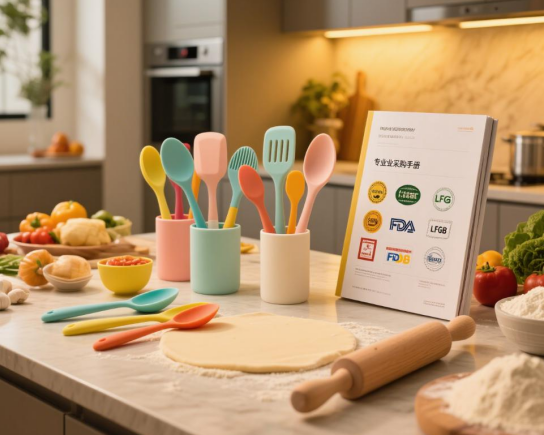
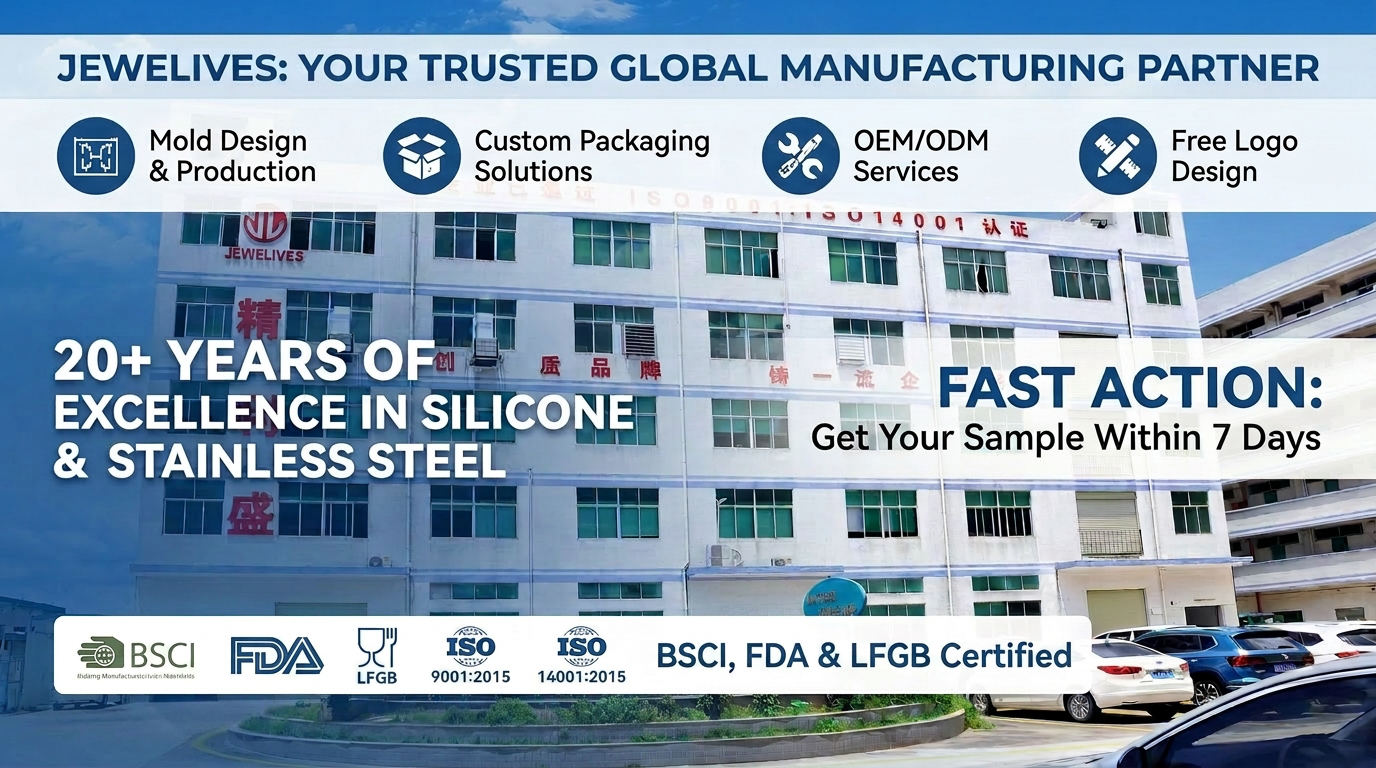
Professional manufacturers serving international markets usually maintain recognized certifications and compliance systems. These certifications demonstrate their commitment to quality management, environmental responsibility, and social compliance.
Common Factory Certifications
- ISO 9001 Quality Management
- ISO 14001 Environmental Management
- BSCI Social Compliance
- Sedex Audit
- FDA Food Contact Compliance
- LFGB Food Safety Testing
- Disney FAMA Authorization
- GMP Manufacturing Standards
Trading companies may provide certification documents from their manufacturing partners, but they generally do not hold production-related certifications themselves.
Better Supply Chain Stability
Working directly with a factory improves production planning and inventory management. Manufacturers have better visibility into raw material availability, production capacity, tooling schedules, and shipping timelines.
Long-term factory partnerships also allow customers to reserve production capacity during peak seasons, reducing supply chain disruptions.
Supply Chain Benefits
✓ More accurate delivery schedules
✓ Better inventory planning
✓ Stable production capacity
✓ Faster problem resolution
Long-Term Partnership Opportunities
Professional silicone factories often view customers as long-term business partners rather than one-time buyers. As cooperation grows, manufacturers gain a deeper understanding of product requirements, quality expectations, packaging preferences, and future development plans.
This long-term collaboration often leads to continuous product innovation, improved manufacturing efficiency, preferential pricing, and priority production scheduling.
When Does a Trading Company Make Sense?
Although factories offer many advantages, trading companies can still be valuable in certain situations.
A Trading Company May Be Suitable When:
• You need multiple product categories from different factories.
• Your order volume is relatively small.
• You prefer a single sourcing contact for multiple suppliers.
• You require consolidated shipments from various manufacturers.
• You have limited sourcing experience in overseas markets.
For highly customized silicone products, however, direct cooperation with a qualified factory generally provides better technical support, pricing transparency, and quality consistency.
How to Identify a Genuine Silicone Factory
Not every supplier claiming to be a manufacturer actually owns production facilities. Before selecting a partner, buyers should conduct due diligence.
Checklist for Factory Verification
- Request factory audit reports.
- Review production equipment and workshop photos.
- Verify business licenses and manufacturing scope.
- Ask for certification documents.
- Schedule a factory visit or virtual audit.
- Review product development capabilities.
- Evaluate engineering and quality teams.
- Request product samples before mass production.
⭐ Key Recommendation
A professional silicone factory should be able to demonstrate its manufacturing capabilities, quality management systems, engineering expertise, production capacity, and compliance certifications with confidence and transparency.
결론
While both factories and trading companies play important roles in the global supply chain, their strengths differ significantly. A professional silicone factory provides direct manufacturing, stronger engineering support, comprehensive quality control, competitive pricing, advanced production technology, and extensive customization capabilities. These advantages are especially valuable for businesses developing OEM or ODM silicone products and building long-term brands. By carefully evaluating supplier capabilities and verifying manufacturing credentials, buyers can establish reliable partnerships that support consistent product quality, efficient production, and sustainable business growth.
Frequently Asked Questions
1. Is buying directly from a silicone factory always cheaper than using a trading company?
In many cases, yes. Purchasing directly from a factory removes intermediary costs, especially for medium and large production volumes. However, small orders or multi-category sourcing projects may sometimes benefit from a trading company’s consolidated services.
2. Can a professional silicone factory provide OEM and ODM services?
Yes. Most experienced silicone manufacturers offer comprehensive OEM and ODM solutions, including product design, mold development, branding, packaging, and mass production.
3. What certifications should I look for when selecting a silicone factory?
Look for certifications such as ISO 9001, ISO 14001, BSCI, Sedex, FDA, LFGB, GMP, and other compliance documents relevant to your target market and product category.
4. How can I verify whether a supplier is a real factory?
Request factory audit reports, production photos, certification documents, equipment lists, virtual or on-site factory tours, and product samples before placing production orders.
5. Why do global brands prefer working directly with professional silicone factories?
Direct cooperation provides greater control over product quality, engineering support, customization, production scheduling, pricing transparency, and long-term supply chain stability.