Russian
  English
  French
  German
  Spanish
  Polish
  Chinese
  Japanese
  Korean
Содержание
Custom silicone teether manufacturing has become an important opportunity for baby product brands, distributors, and private-label sellers that want to create safe, attractive, and marketable infant products. As parents continue to prioritize comfort, safety, and product quality, silicone teethers have become one of the most trusted items in the baby care category. Their soft texture, flexible structure, and easy-to-clean surface make them a practical choice for babies during the teething stage.
For brands planning to launch their own teether collection, the manufacturing process matters just as much as the final product design. A successful silicone teether is not simply a molded item. It is the result of careful material selection, ergonomic design, precise mold development, controlled production, and strict quality inspection. This article explains the full custom silicone teether manufacturing process and shows how baby product brands can work with an OEM or ODM factory to develop products that are safe, competitive, and ready for global markets.
Why Silicone Teethers Are Popular in the Baby Product Market
Silicone teethers are widely used because they combine comfort, durability, and convenience. Babies can hold them easily, chew them safely, and benefit from the soft sensory surface during teething. For parents, silicone teethers are appealing because they are easy to wash, reusable, lightweight, and available in many shapes and colors.
★ Why Brands Invest in Silicone Teethers
• Strong consumer demand in baby care
• High perceived value for retail and gifting
• Easy to customize for private labels
• Suitable for e-commerce and offline retail
• Available in many shapes and styles
• Supports product bundles and collections
The market also favors silicone because it supports modern parenting habits. Many buyers now look for baby items that are reusable, food-contact safe, and simple to clean. According to the U.S. Consumer Product Safety Commission, teethers and teething toys intended to soothe a child fall under toy safety requirements and must comply with relevant standards such as ASTM F963-17 in the United States.
Step 1: Start With the Right Product Concept
The first stage of silicone teether manufacturing is product planning. Before mold development begins, the brand and manufacturer should define the product concept in detail. This includes the shape, size, function, target age group, and visual style of the teether.
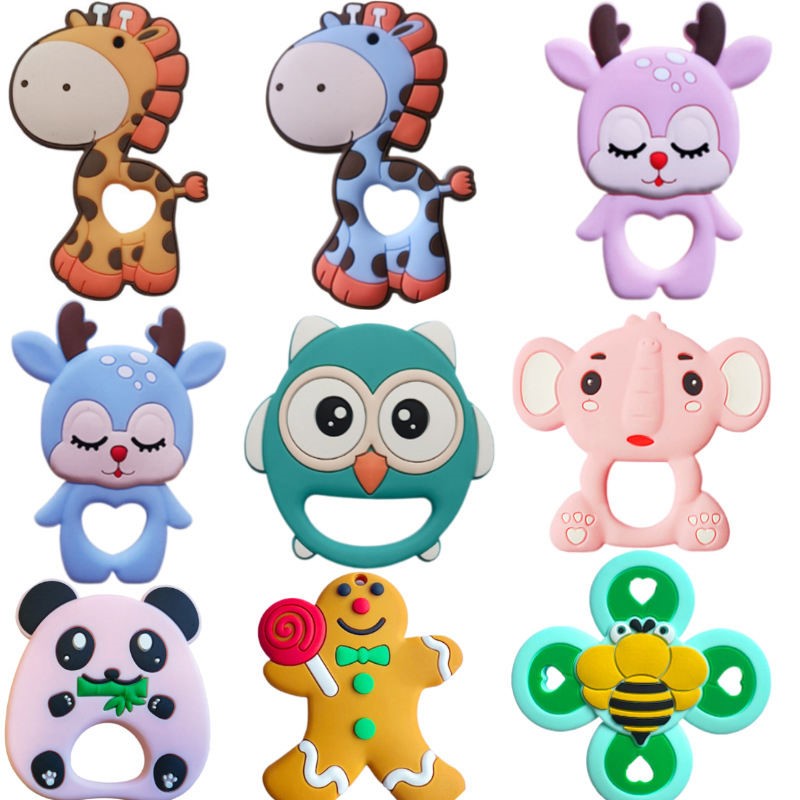
Some brands choose simple geometric shapes, while others prefer animal shapes, fruit shapes, ring designs, or educational characters. The selected concept should be attractive to parents, safe for babies to hold, and practical to manufacture. A well-defined concept makes later engineering and mold development much easier.
Tip: A successful teether concept should combine visual appeal, grasping comfort, and safe chewing design in a single product.
Step 2: Select Safe and Suitable Silicone Materials
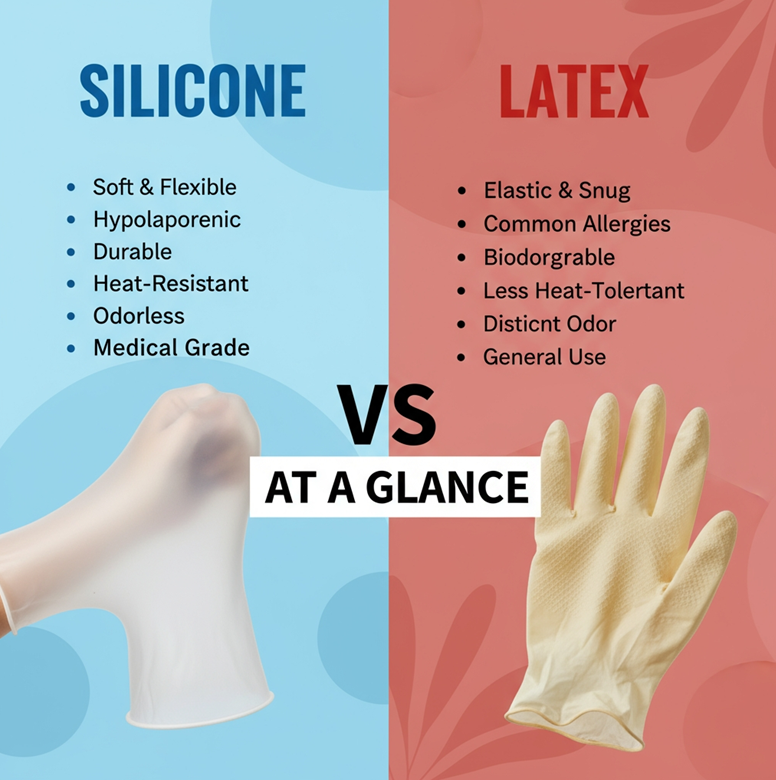
Material selection is one of the most important parts of the manufacturing process. High-quality silicone teethers are generally made from food-grade or baby-safe silicone that is soft, durable, and suitable for repeated chewing. Buyers should confirm that the material is free from harmful substances and suitable for the target sales market.
Food-contact standards and baby product safety expectations vary by market, but the material should always be clean, stable, and appropriate for infant use. The FDA regulates food-contact-related products and maintains oversight for food, medical devices, and other categories that affect consumer safety.
Common Silicone Material Requirements
- Soft and flexible texture
- Odor-free surface
- Stable performance under heat and cold
- Good tear resistance
- Easy cleaning and maintenance
- Suitable for repeated chewing
- Consistent color and finish
Important: A baby teether should not rely on appearance alone. Material quality affects durability, safety, and the overall user experience.
Step 3: Design for Baby Safety and Comfort
A professional silicone teether must be designed around the needs of babies and the expectations of parents. The product should be easy to grip, comfortable to chew, and free from unnecessary risks. Rounded edges, balanced weight, and a stable structure are essential design elements.
Design also affects brand identity. Many baby brands use customized silhouettes, soft pastel colors, and playful details to make their products more appealing on store shelves and product pages. At the same time, design must support manufacturing efficiency so the product can be produced consistently during mass production.
Design Features That Matter Most
- Easy-to-hold shape
- Safe chewing areas
- No sharp corners or rough edges
- Proper thickness and structure
- Balanced size for small hands
- Visual appeal for retail and gifting
- Brand-specific style and storytelling
Step 4: Develop the Mold
Once the product concept is approved, the next stage is mold development. This is where the teether’s shape becomes a physical product. A skilled mold engineer translates the design into a precise tool that can be used for repeated production.
Mold quality determines the consistency of the final product. If the mold is poorly designed, the teether may have uneven edges, inconsistent thickness, weak details, or reduced production efficiency. For this reason, experienced silicone factories spend significant time refining the mold before mass production begins.
Mold Development Includes
• 3D drawing review
• Structural engineering evaluation
• Tooling design confirmation
• CNC mold machining
• Prototype testing
• Mold adjustment and optimization
This stage is especially important for brands that want a unique product in a crowded market. Custom molds create exclusive designs that are more difficult for competitors to copy.
Step 5: Create Prototypes and Samples
Sampling is the stage where ideas become real products for testing. Brands should review samples carefully before moving to full production. Sampling allows both the manufacturer and the brand to check appearance, color, feel, chewability, size, and overall quality.
Most factories will produce at least one round of samples, and often several revisions are needed before approval. This is normal, especially for custom teether projects with unique shapes or color matching requirements. Good sampling reduces the chance of costly problems during mass production.
What to Check in a Sample
- Silicone softness
- Shape accuracy
- Surface finish
- Color consistency
- Logo quality
- Gripping comfort
- Packaging appearance
- Overall safety impression
Best Practice: Approve the sample only after checking product feel, visual details, and packaging together, not separately.
Step 6: Consider OEM and ODM Manufacturing Options
Custom silicone teether projects usually fall into two manufacturing models: OEM and ODM. Understanding the difference helps brands choose the right path based on budget, launch timing, and product goals.
OEM Manufacturing
OEM is the better choice when a brand wants an exclusive product developed from its own concept. The manufacturer creates the mold, produces the sample, and then handles mass production according to the brand’s specifications. OEM is ideal for companies that want stronger product differentiation.
ODM Manufacturing
ODM is useful when a brand wants to launch faster by using an existing product structure with custom colors, logos, packaging, or minor design adjustments. ODM can shorten development time and reduce tooling costs while still supporting private-label branding.
OEM Is Best For
• Brands seeking exclusivity
• Long-term product lines
• New shapes and structures
• Stronger market differentiation
ODM Is Best For
• Faster product launches
• Lower initial investment
• Smaller development teams
• Private-label beginners
Step 7: Apply Brand Customization
Customization is one of the main reasons baby brands choose silicone teethers. Color, logo, packaging, and shape all help create a memorable brand experience. The more consistent the product looks across the entire collection, the stronger the brand identity becomes.
Popular customization options include Pantone color matching, embossed or debossed logos, custom gift boxes, printed sleeves, barcode labels, and retail-ready packaging. Some brands also develop matching product series that include teethers, bibs, bowls, and feeding sets.
Common Customization Options
• Custom shapes
• Pantone colors
• Logo embossing
• Logo debossing
• Laser engraving
• Printed packaging
• Retail box design
• Collection bundling
Step 8: Run Quality Control During Production
Quality control should happen throughout the manufacturing process, not only at the end. Professional factories inspect raw materials, verify molds, monitor production, and test finished items before shipment. This reduces defects and helps ensure that each teether matches the approved sample.
Typical Quality Control Stages
- Raw material inspection
- Color and hardness verification
- Mold setup inspection
- In-process monitoring
- Final product inspection
- Packaging inspection
- Pre-shipment audit
Parents expect baby products to be safe and reliable. A teether that arrives with surface flaws, weak details, or inconsistent colors can quickly damage a brand’s reputation. That is why strict quality control is essential for every production batch.
Step 9: Prepare Packaging for Retail and E-Commerce
Packaging plays a major role in how silicone teethers are perceived by customers. For retail shelves, packaging should be visually attractive and informative. For e-commerce, packaging should be sturdy enough to protect the product during shipping while still looking premium when opened by the customer.
A well-designed package should communicate safety, usability, and brand value. It should also support the target market’s buying habits. In many Western and Asian baby product markets, clean design, clear product information, and eco-conscious packaging can significantly improve customer trust.
Packaging Goals
✔ Protect the product
✔ Communicate brand identity
✔ Display product benefits
✔ Improve shelf appeal
✔ Support online unboxing experiences
Why Product Safety Should Never Be Ignored
Baby teethers are designed for infants, which means product safety must be treated as a top priority. Products should be designed to reduce choking risks, avoid detachable small parts, and maintain structural stability during use. Recent safety notices in the baby toy market show why brands should pay close attention to design and compliance.
A safe silicone teether is not only about material choice. It is also about structure, manufacturing consistency, testing, and packaging. The safest products are the result of thoughtful engineering and careful production control from start to finish.
Safety Reminder: Always check for sharp edges, loose parts, weak joints, and any design element that could create a choking hazard.
How Silicone Teether Brands Can Stand Out
In a competitive baby products market, successful teether brands do more than offer a basic chewing toy. They develop thoughtful products with strong branding, attractive packaging, and reliable product quality. This helps create trust among parents and buyers.
Brands can stand out by offering unique shapes, coordinated color collections, eco-friendly packaging, gift-ready product sets, and clear positioning such as sensory support, travel convenience, or minimalist nursery style.
Ways to Build Stronger Market Appeal
- Develop exclusive shapes
- Use calming, modern colors
- Create matching baby product series
- Offer premium packaging
- Highlight safety and comfort
- Build a clear brand story
Conclusion
Custom silicone teether manufacturing is a complete process that combines product design, mold development, material selection, sampling, mass production, quality control, and packaging. For baby product brands, the goal is not only to create a visually appealing teether but also to develop a product that is safe, durable, and ready for market success.
Working with a skilled OEM or ODM silicone factory allows brands to move from idea to finished product with greater confidence. By paying close attention to material quality, engineering, compliance, and branding, businesses can develop silicone teethers that meet consumer expectations and support long-term growth in the baby product market.
Frequently Asked Questions
1. What is the best material for a silicone teether?
The best option is a safe, soft, high-quality silicone material suitable for infant use, with stable performance, a clean surface, and appropriate compliance for the target market.
2. What is the difference between OEM and ODM silicone teether manufacturing?
OEM creates a teether based on your custom concept and mold design, while ODM uses an existing structure with custom colors, logos, or packaging.
3. How long does custom teether mold development take?
The timeline depends on the design complexity, sample revisions, and tooling requirements. Simpler projects move faster, while exclusive shapes usually require more engineering time.
4. What should brands check before mass production?
Brands should confirm sample approval, material quality, mold accuracy, packaging details, testing standards, and quality inspection procedures before moving to bulk production.
5. Why do baby brands choose custom silicone teethers?
Custom silicone teethers help brands stand out with exclusive designs, stronger brand identity, better retail presentation, and products that are easier to bundle into full baby collections.