How to Clean and Store Food Storage Bags

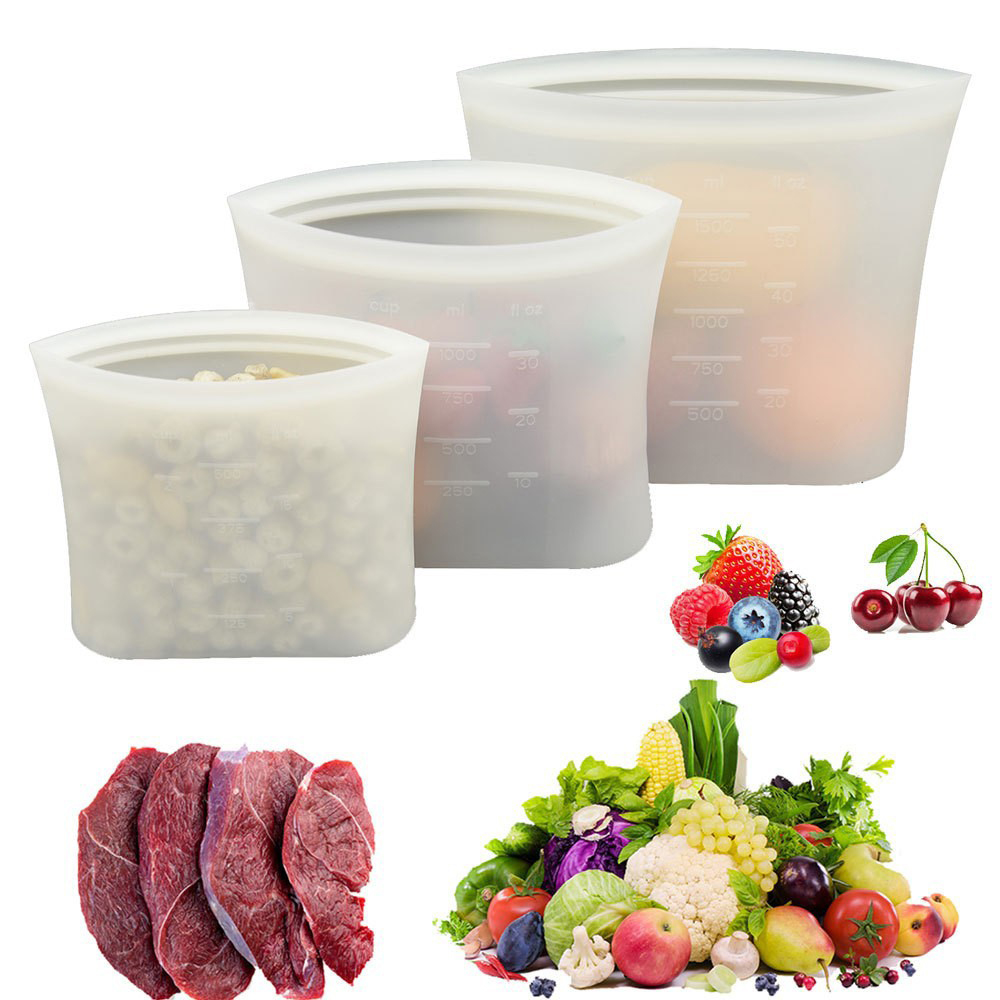
Reusable food storage bags are a smart alternative to disposable plastic, offering both convenience and sustainability. Made from materials that are BPA-free, non-toxic, freezer safe, and dishwasher safe, these bags are designed for long-term use—but proper care is essential to maintain their hygiene and performance.

In this guide, we’ll walk you through how to clean and store your food storage bags the right way, helping you extend their lifespan and keep your food safe.

Step-by-Step: How to Clean Food Storage Bags

1. Check If Your Bag Is Dishwasher Safe

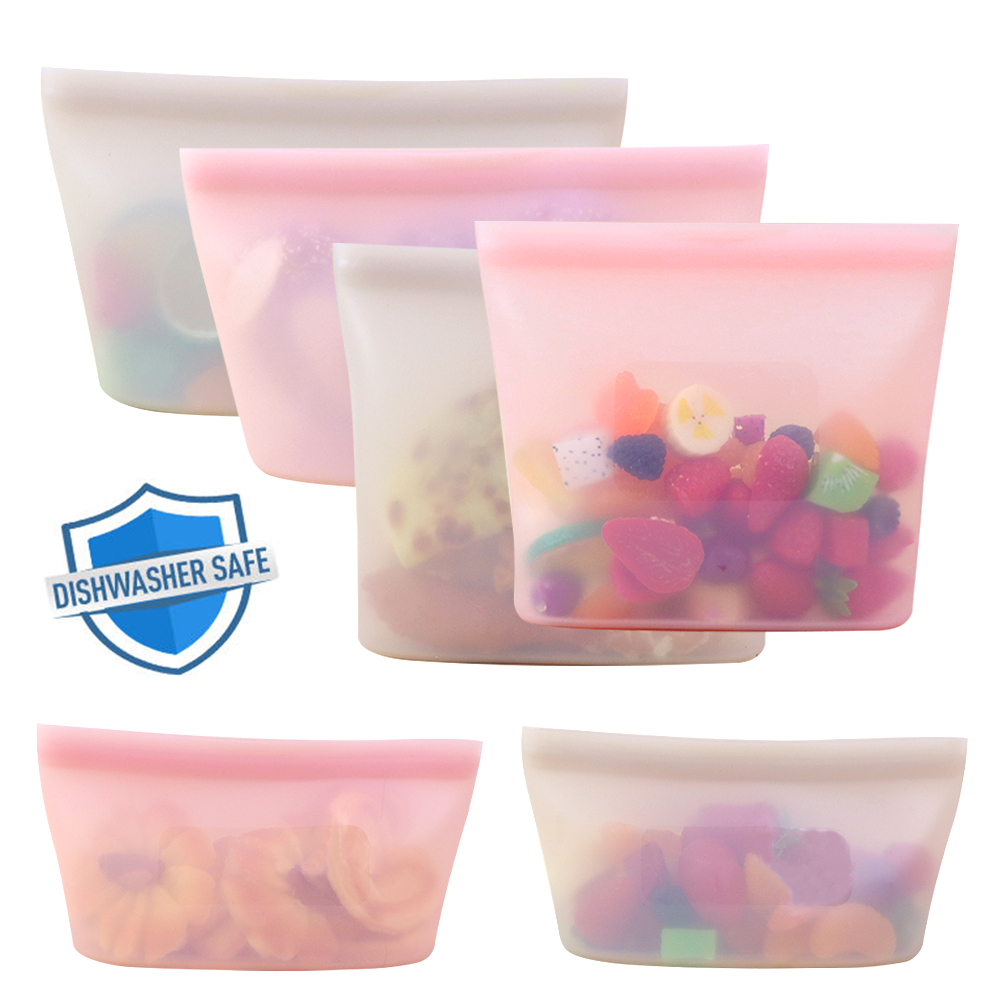
Many high-quality silicone or PEVA food bags are safe to clean in the dishwasher. If the product is labeled dishwasher safe, you can place it open on the top rack or bottom rack, depending on its size and manufacturer recommendation.

Use a gentle cycle to avoid warping or weakening the seal. Avoid extremely high heat settings.

Tip: Keep the bag open during the wash so water reaches all interior surfaces.

2. How to Hand Wash Food Bags Properly

If the bag isn’t designed for dishwasher use, hand-washing is a safe and effective alternative.

  • Fill the bag with warm water and add a few drops of mild dish soap.
  • Seal the bag and shake it gently to loosen any food particles.
  • Use a soft sponge or bottle brush to clean the interior thoroughly, including corners and the sealing edge.
  • Rinse well under clean water until no soap remains.

Avoid using rough scouring pads that could scratch or damage the non-toxic, BPA-free material.

3. Don’t Turn Bags Inside Out

While it might seem helpful, flipping bags inside out can stress the seams and seals, especially on silicone or multi-layered designs. Instead, clean them thoroughly from the inside without inverting them.

How to Dry and Store Reusable Bags

1. Dry Completely Before Storing

Moisture left inside a bag can lead to mold and bacteria growth. After washing:

  • Shake out any excess water.
  • Pat dry with a clean kitchen towel.
  • Place the bag upright or hang it open to air dry fully.

A bag drying rack or utensil stand works well to keep bags open and well-ventilated during drying.

2. Store in a Cool, Dry Place

Once completely dry, fold or lay flat your bags and store them in a clean drawer, cabinet, or kitchen basket. Thanks to their flexible and space-saving design, BPA-free food bags take up minimal space and are easy to organize.

Avoid placing them in areas exposed to direct sunlight or heat to maintain the integrity of the freezer-safe material.
1
Silicone food storage bag

Why Choose BPA-Free, Non-Toxic Food Storage Bags?

Beyond their convenience, reusable food bags made from food-grade silicone or PEVA offer several health and environmental benefits:

  • BPA-Free & Non-Toxic: No harmful chemicals will leach into your food.
  • Freezer Safe: Perfect for storing leftovers, fruits, vegetables, or even liquids.
  • Безопасен для посудомоечной машины: Easy cleaning without manual scrubbing.
  • Экологически чистый: Reduces plastic waste and single-use packaging.

 Final Thoughts

Taking a few extra minutes to properly clean and store your reusable food bags can ensure they remain safe, odor-free, and long-lasting. Whether you use them for meal prep, kids’ lunches, or freezer storage, these bags offer a reliable, non-toxic way to cut down on waste and keep food fresh.

Looking for certified food-grade silicone bags that are safe, stylish, and built to last?

Explore Jewelives’s collection of BPA-free, reusable food storage bags—perfect for daily use at home, school, work, or travel.
 

Related post

Feeding Kit1
Phone Case For Iphone 16 (3)
Introduction to Silicone Manufacturing Silicone manufacturing is a specialized industry that requires a deep understanding of material science, chemical engineering, and environmental management. As a leading silicone factory, we pride ourselves on our ability to create custom silicone products tailored to the unique needs of our wholesale clients. This article delves into the manufacturing process, health and safety considerations, and the management strategies that ensure the highest standards of quality and compliance. 1. The Manufacturing Process of Silicone 1.1 Overview of the Manufacturing Process The silicone manufacturing process involves the transformation of raw silicone materials into finished products through curing and vulcanization. Curing refers to the process where silicone compounds harden through the addition of heat or moisture, while vulcanization involves the use of catalysts to speed up the hardening process. Over the years, we have perfected these processes to ensure the production of durable and high-quality silicone products. Curing with Peroxides During the vulcanization process employing peroxides, peroxides are incorporated into the silicone compound, which triggers a reaction leading to material solidification. This approach is renowned for its dependability and its capability to attain broad hardness levels in the end products. It is applicable for general silicone rubber goods, like those used in wires and cables, and also for oil-resistant and solvent-resistant silicone rubbers. Vulcanization with Platinum Catalysts On the other hand, vulcanization using a platinum catalyst is a more specialized process that allows for exceptional control of the reaction and produces items with superior purity and performance. This method is particularly suited for manufacturing custom silicone products that require high precision and consistency. It is ideal for products where environmental protection and hygiene conditions are of higher concern, such as food-grade silicone products and medical devices. 1.2 Chemical Composition and Volatile Emissions The chemical composition of silicone materials includes base polymers, fillers, and additives. Additives play a crucial role in enhancing the properties of silicone products, such as flexibility, heat resistance, and UV stability. Curing agents and catalysts are essential for initiating and controlling the polymerization reactions that lead to the formation of the silicone product. 1.3 Common Volatiles in Silicone Manufacturing During the manufacturing process, various volatile organic compounds (VOCs) can be emitted, including methyl siloxanes and other siloxane oligomers. These emissions can have environmental and health implications, which is why our silicone factory has implemented stringent measures to minimize their release. 2. Health, Safety, and Environmental Impact 2.1 Health and Safety Risks in the Manufacturing Environment The health and safety of our workers is paramount. In the silicone manufacturing environment, exposure to uncured silicone, catalysts, and other chemicals can pose risks. Therefore, we have established safety measures and protocols that include the use of personal protective equipment (PPE) and regular health check-ups for our employees. 2.2 Impact of Volatiles on the Environment The release of volatiles into the environment can contribute to air pollution and have long-term effects on ecosystems. As a responsible silicone factory, we are committed to reducing our environmental footprint by adopting advanced technologies that minimize VOC emissions and by recycling waste materials whenever possible. 2.3 Regulatory Compliance and Standards Adherence to regulations is a cornerstone of our operations. Both national and international standards, such as those set by the European Union's REACH regulations and the United States' EPA guidelines, dictate the allowable levels of VOC emissions and the safety measures that must be in place. Our silicone factory is fully compliant with these standards, ensuring that our operations are both safe and environmentally responsible. 3. Management Strategies 3.1 Implementing Safety Measures and Protocols To safeguard our workers and the environment, we have implemented a range of safety measures and protocols. These include the use of closed-loop systems to capture and treat emissions, regular equipment maintenance to prevent leaks, and comprehensive training programs for our staff. 3.2 Advancements in Process and Material Technology Innovation is at the heart of our silicone manufacturing process. We continuously invest in research and development to improve our manufacturing processes and material technologies. This includes exploring new catalysts that reduce VOC emissions and developing silicone compounds with enhanced properties for applications like silicone lunch boxes and water bottles. 3.3 Regulatory Compliance and Environmental Management Our commitment to regulatory compliance extends beyond mere adherence to standards. We actively engage with regulatory bodies to ensure that our practices are not only compliant but also contribute to the development of more stringent environmental protections. Our environmental management system is certified to ISO 14001, demonstrating our dedication to sustainable practices. 4. Conclusion Silicone manufacturing is a complex process that requires a delicate balance between product quality, worker safety, and environmental responsibility. As a silicone factory specializing in custom silicone products, we are committed to maintaining the highest standards across all aspects of our operations. By investing in advanced technologies, adhering to strict safety protocols, and prioritizing environmental stewardship, we ensure that our silicone products meet the needs of our wholesale clients while also protecting the health of our workers and the planet.
Platinum Cured Silicone Vs Peroxide Curing Silicone
Прокрутить вверх

Свяжитесь с нами