The Ultimate Guide to Reusable Silicone Food Bags: Safety, Durability, and the Jewelives Advantage

The Ultimate Guide to Reusable Silicone Food Bags: Safety, Durability, and the Jewelives Advantage

In the modern quest for a sustainable kitchen, the transition from single-use plastics to reusable silicone food storage bags is no longer just a trend—it’s a necessity. However, as the market becomes saturated with varying grades of silicone, smart consumers and professional wholesalers are asking deeper questions: Is silicone truly safe for long-term food contact? How do you maintain these bags for maximum hygiene? And what makes a “premium” bag worth the investment?

As a leading silicone factory with 23 years of production expertise, Jewelives is here to provide an evidence-based deep dive into the world of high-performance silicone storage.

3 Size Bpa Free Silicone Food Storage Bag


1. How Safe is Silicone for Food Storage?

Safety is the cornerstone of the Jewelives philosophy. Unlike traditional plastic bags made from Low-Density Polyethylene (LDPE), which can leach BPA, phthalates, and microplastics when heated, high-quality silicone is a chemically inert polymer.

Platinum-Curing: The Gold Standard

At Jewelives, we utilize Platinum-Cured Silicone for our food storage lines. While standard peroxide-cured silicone is common in the industry, it can sometimes leave behind volatile organic by-products and a faint “rubbery” odor. Our platinum-cured bags are:

  • 100% BPA-Free & Non-Toxic: They do not react with acidic foods or beverages.

  • Temperature Stable: Rated for a wide range from -40°C to 230°C, they are safe for the freezer, microwave, and even sous-vide cooking.

  • Certified Purity: Our factory adheres to the strictest global standards, maintaining BSCI, ISO 9001, and Disney FAMA certifications. Every bag we produce meets both FDA and the more rigorous LFGB (European) standards, ensuring no chemical migration even under high-heat conditions.


2. Why “Thickness” is the Key to Performance

A common complaint with many silicone bags on the market today is their “flimsiness.” Thin bags often fail to stand upright, making them difficult to fill, and their seals are prone to popping open under pressure.

The Jewelives Difference: We have engineered our silicone food bags to be significantly thicker and sturdier than the industry average. This isn’t just about feel; it’s about functionality:

  1. Superior Leak-Proof Performance: The increased wall thickness allows for a more robust pinch-lock seal. Whether you are storing bone broth, marinades, or smoothies, our bags remain airtight and mess-free.

  2. Self-Standing Design: Because our silicone is thicker, the bags can stand upright on your counter, acting like a bowl during meal prep.

  3. Enhanced Durability: Thicker silicone is far more resistant to punctures from frozen food corners or accidental scrapes from kitchen utensils.Bpa Free Food Storage Bag


3. How to Clean Silicone Food Storage Bags for Long-Term Hygiene

Proper maintenance is crucial for keeping your silicone bags free from bacteria and lingering odors. Because silicone is non-porous, it doesn’t harbor mold like plastic can, but it does require correct handling.

Dishwasher Safe & Easy Maintenance

Our bags are 100% Dishwasher Safe. For the most effective clean:

  • Top Rack Placement: Place the bags upside down on the top rack. Ensure they are propped open so the water jets can reach the interior corners.

  • Hand Washing: For quick cleaning, use warm soapy water and a soft sponge. Avoid abrasive scrubbers that could create micro-scratches over time.

  • Deep Cleaning (The Pro Tip): If you’ve stored pungent foods like garlic or curry, a simple soak in a mixture of baking soda and warm water for 30 minutes will neutralize any odors.

  • Drying: Always ensure the bags are completely air-dried before sealing and storing them. We recommend placing them over a drying rack or a clean bottle to keep the mouth open.


4. How Long Do Silicone Food Bags Last?

Sustainability is defined by longevity. A single Jewelives silicone bag is designed to replace over 5,000 single-use plastic bags in its lifetime.

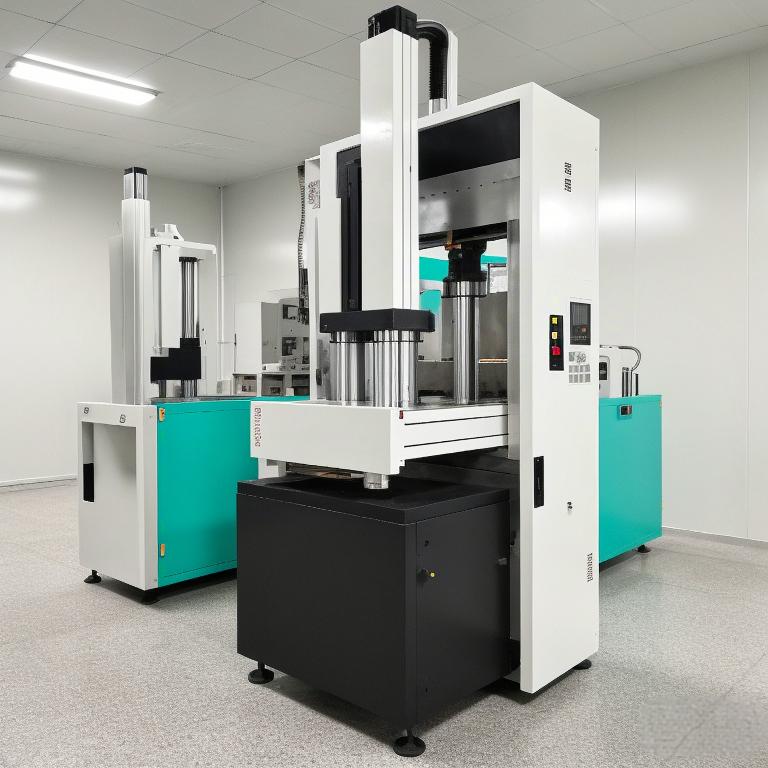
While cheap PEVA or low-grade silicone bags might tear or lose their seal within a year, a Jewelives bag—thanks to our 23 years of manufacturing refinement and 50 hydraulic presses—is built to last.

  • Expected Lifespan: With regular household use, our bags typically last between 5 to 10 years.

  • Resistance to Degradation: Unlike plastic, silicone does not become brittle in the freezer or melt in the microwave. It maintains its flexibility and sealing integrity through thousands of wash cycles.


5. Versatility: Three Sizes for Every Need

To optimize your kitchen organization, we offer our premium bags in three distinct sizes/capacities:

  1. Small (Snack Size): Ideal for nuts, cut fruit, or travel toiletries.

  2. Medium (Sandwich Size): The perfect choice for daily lunches and leftovers.

  3. Large (Gallon Size): A powerhouse for bulk freezing, marinating meats, or sous-vide meal prep.


Why Partner with Jewelives?

Choosing Jewelives means partnering with a silicone factory that values innovation as much as safety. With a dedicated team of 20 R&D specialists and over 500 patents, we don’t just follow market trends (we lead them). Whether you need a reliable supplier for your retail brand or a custom OEM/ODM solution, our state-of-the-art facility in China is equipped to deliver.

Take the Next Step Toward a Greener Kitchen

Don’t settle for flimsy, low-grade alternatives. Provide your customers with the thickness, safety, and durability that only a decade of expertise can produce.
Related post

Silicone Plate Factory
Custom Silicone Products
Introduction to Silicone Manufacturing Silicone manufacturing is a specialized industry that requires a deep understanding of material science, chemical engineering, and environmental management. As a leading silicone factory, we pride ourselves on our ability to create custom silicone products tailored to the unique needs of our wholesale clients. This article delves into the manufacturing process, health and safety considerations, and the management strategies that ensure the highest standards of quality and compliance. 1. The Manufacturing Process of Silicone 1.1 Overview of the Manufacturing Process The silicone manufacturing process involves the transformation of raw silicone materials into finished products through curing and vulcanization. Curing refers to the process where silicone compounds harden through the addition of heat or moisture, while vulcanization involves the use of catalysts to speed up the hardening process. Over the years, we have perfected these processes to ensure the production of durable and high-quality silicone products. Curing with Peroxides During the vulcanization process employing peroxides, peroxides are incorporated into the silicone compound, which triggers a reaction leading to material solidification. This approach is renowned for its dependability and its capability to attain broad hardness levels in the end products. It is applicable for general silicone rubber goods, like those used in wires and cables, and also for oil-resistant and solvent-resistant silicone rubbers. Vulcanization with Platinum Catalysts On the other hand, vulcanization using a platinum catalyst is a more specialized process that allows for exceptional control of the reaction and produces items with superior purity and performance. This method is particularly suited for manufacturing custom silicone products that require high precision and consistency. It is ideal for products where environmental protection and hygiene conditions are of higher concern, such as food-grade silicone products and medical devices. 1.2 Chemical Composition and Volatile Emissions The chemical composition of silicone materials includes base polymers, fillers, and additives. Additives play a crucial role in enhancing the properties of silicone products, such as flexibility, heat resistance, and UV stability. Curing agents and catalysts are essential for initiating and controlling the polymerization reactions that lead to the formation of the silicone product. 1.3 Common Volatiles in Silicone Manufacturing During the manufacturing process, various volatile organic compounds (VOCs) can be emitted, including methyl siloxanes and other siloxane oligomers. These emissions can have environmental and health implications, which is why our silicone factory has implemented stringent measures to minimize their release. 2. Health, Safety, and Environmental Impact 2.1 Health and Safety Risks in the Manufacturing Environment The health and safety of our workers is paramount. In the silicone manufacturing environment, exposure to uncured silicone, catalysts, and other chemicals can pose risks. Therefore, we have established safety measures and protocols that include the use of personal protective equipment (PPE) and regular health check-ups for our employees. 2.2 Impact of Volatiles on the Environment The release of volatiles into the environment can contribute to air pollution and have long-term effects on ecosystems. As a responsible silicone factory, we are committed to reducing our environmental footprint by adopting advanced technologies that minimize VOC emissions and by recycling waste materials whenever possible. 2.3 Regulatory Compliance and Standards Adherence to regulations is a cornerstone of our operations. Both national and international standards, such as those set by the European Union's REACH regulations and the United States' EPA guidelines, dictate the allowable levels of VOC emissions and the safety measures that must be in place. Our silicone factory is fully compliant with these standards, ensuring that our operations are both safe and environmentally responsible. 3. Management Strategies 3.1 Implementing Safety Measures and Protocols To safeguard our workers and the environment, we have implemented a range of safety measures and protocols. These include the use of closed-loop systems to capture and treat emissions, regular equipment maintenance to prevent leaks, and comprehensive training programs for our staff. 3.2 Advancements in Process and Material Technology Innovation is at the heart of our silicone manufacturing process. We continuously invest in research and development to improve our manufacturing processes and material technologies. This includes exploring new catalysts that reduce VOC emissions and developing silicone compounds with enhanced properties for applications like silicone lunch boxes and water bottles. 3.3 Regulatory Compliance and Environmental Management Our commitment to regulatory compliance extends beyond mere adherence to standards. We actively engage with regulatory bodies to ensure that our practices are not only compliant but also contribute to the development of more stringent environmental protections. Our environmental management system is certified to ISO 14001, demonstrating our dedication to sustainable practices. 4. Conclusion Silicone manufacturing is a complex process that requires a delicate balance between product quality, worker safety, and environmental responsibility. As a silicone factory specializing in custom silicone products, we are committed to maintaining the highest standards across all aspects of our operations. By investing in advanced technologies, adhering to strict safety protocols, and prioritizing environmental stewardship, we ensure that our silicone products meet the needs of our wholesale clients while also protecting the health of our workers and the planet.
Ice Cube Trays 2
Прокрутить вверх

Свяжитесь с нами