Russian
  English
  French
  German
  Spanish
  Polish
  Chinese
  Japanese
  Korean
Содержание
Why Silicone Baby Bibs Are Revolutionizing Mealtime
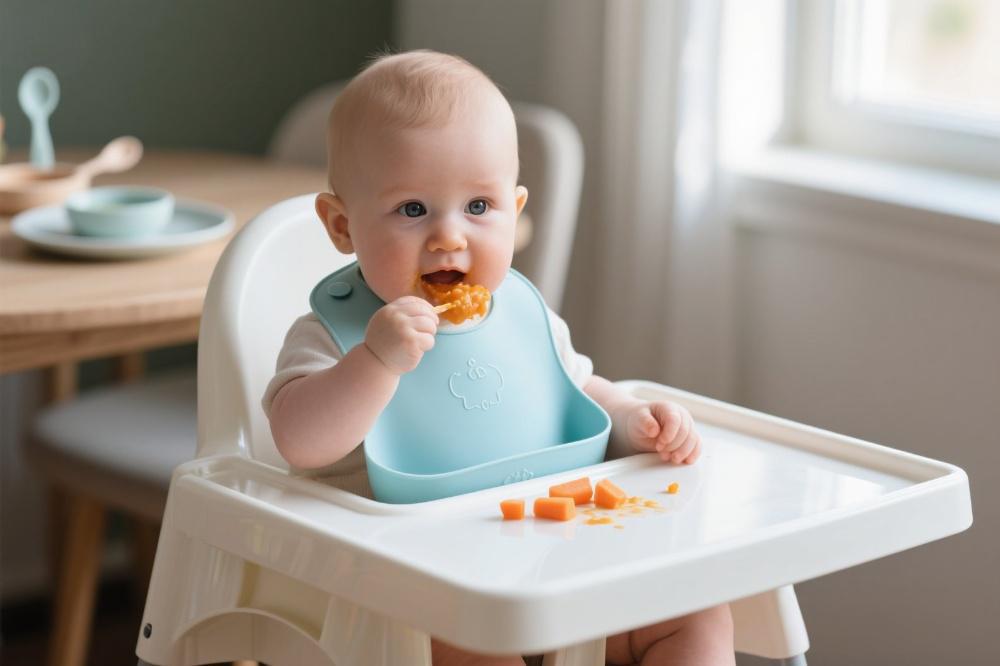
Parents worldwide are replacing traditional fabric bibs with innovative silicone baby bibs, and for good reason. Unlike cloth alternatives that quickly become soggy and stained, silicone bibs offer superior protection during feeding times while being remarkably easy to clean . The global market has seen a 35% increase in demand for these practical accessories as more families recognize their long-term value .
From a practical standpoint, these bibs solve the eternal parenting challenge: keeping babies clean while allowing them to explore food independently. As one mother shared, “After going through 8-10 cloth bibs daily, switching to silicone was life-changing – just rinse and it’s ready for the next meal!” . This sentiment echoes across parenting forums, highlighting the growing preference for this modern solution.
Key Features That Make Silicone Bibs Stand Out
Superior Waterproof Protection
Baby bibs waterproof designs create an impenetrable barrier between food and clothing. High-quality silicone completely repels liquids, unlike traditional bibs where moisture eventually seeps through . The best models feature raised edges or built-in pockets that catch 95% of falling food particles .
Unmatched Durability
While fabric bibs wear out after repeated washing, silicone bibs for baby maintain their integrity for years. Premium-grade silicone resists tearing, doesn’t retain odors, and withstands hundreds of dishwasher cycles without degradation . This longevity makes them particularly appealing to environmentally-conscious parents seeking sustainable alternatives to disposable options.
Thoughtful Design Elements
Современный baby silicone bibs incorporate several user-friendly features:
- Adjustable neck openings (9-13cm diameter) accommodate growing infants
- Flexible yet sturdy construction prevents uncomfortable rigidity
- Lightweight materials (typically 80-120g) don’t burden small children
- Smooth, rounded edges ensure safety during active use
Design Variations: Finding the Perfect Cute Baby Bibs
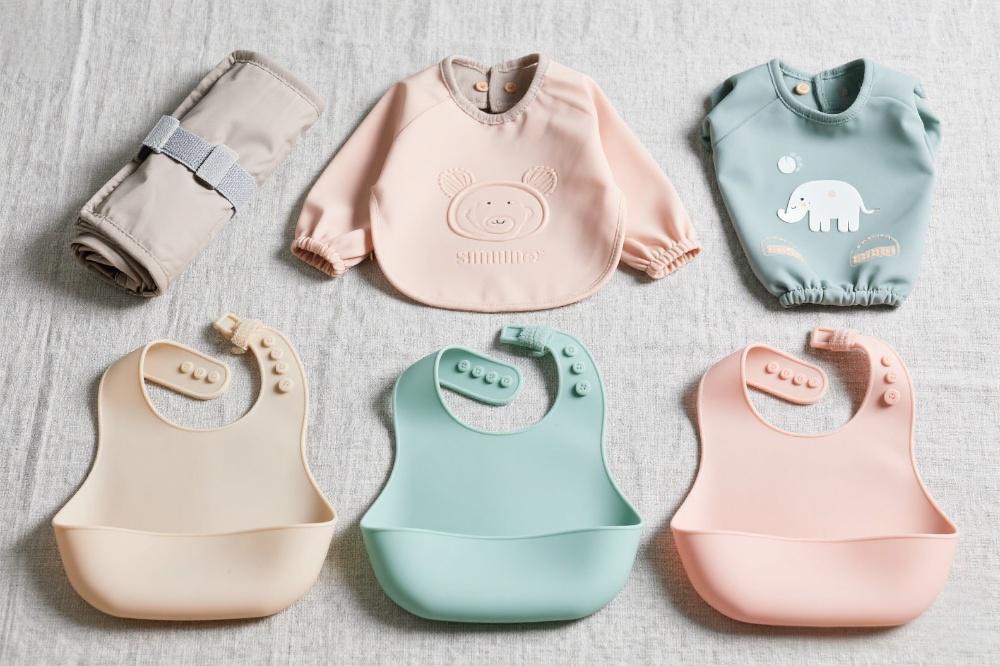
The market offers diverse styles to suit different needs and preferences:
Roll-Up Travel Bibs
Compact designs that fold into themselves, ideal for diaper bags and on-the-go use. Popular in urban areas where parents frequently dine out with toddlers .
Full-Coverage Smock Bibs
Extended coverage (often sleeved) protects clothing during particularly messy phases like self-feeding practice. Preferred by parents of 6-12 month olds .
Customizable Designer Bibs
Boutique buyers increasingly seek baby bibs for girls and boys with unique patterns – from minimalist Scandinavian prints to vibrant cartoon characters . One buyer noted, “Our customers will pay 20% more for exclusive designs they can’t find on Amazon” .
Functional Hybrids
Innovative combinations like silicone-lined fabric bibs merge absorbency with waterproofing, gaining popularity in cooler climates .
What Discerning Buyers Look for in Silicone Bibs
Safety Certification
International buyers consistently prioritize products meeting strict safety standards:
- FDA food-grade certification (non-negotiable for US/Canada buyers)
- EU EN71-3 compliance (essential for European markets)
- BPA/phthalate-free verification (increasingly demanded globally)
Ease of Maintenance
Commercial buyers emphasize products that simplify care routines:
- Dishwasher-safe (top-rack) capability
- Stain-resistant surfaces that don’t require scrubbing
- Quick-drying properties for high-rotation use
Age-Appropriate Functionality
Seasoned buyers select different styles for developmental stages:
- Soft, lightweight silicone bibfor 3-6 month olds (mainly drool protection)
- Structured bibs with deep pockets for 6-18 month olds learning to self-feed
- Larger coverage area for toddlers mastering utensils
Global Market Preferences and Purchasing Behaviors
North America
- Preference for bold, colorful designs and multipacks
- Strong demand for organic claims and eco-friendly packaging
- 72% of buyers search for “best silicone baby bibs” rather than generic terms
Европа
- Lean toward minimalist aesthetics and neutral tones
- Value multifunctional designs (e.g., bibs doubling as placemats)
- Willing to pay premium for patented features
Australia/New Zealand
- Favor practical designs suited for outdoor lifestyles
- High search volume for “travel-friendly baby bibs”
- Preference for reversible designs
Asia
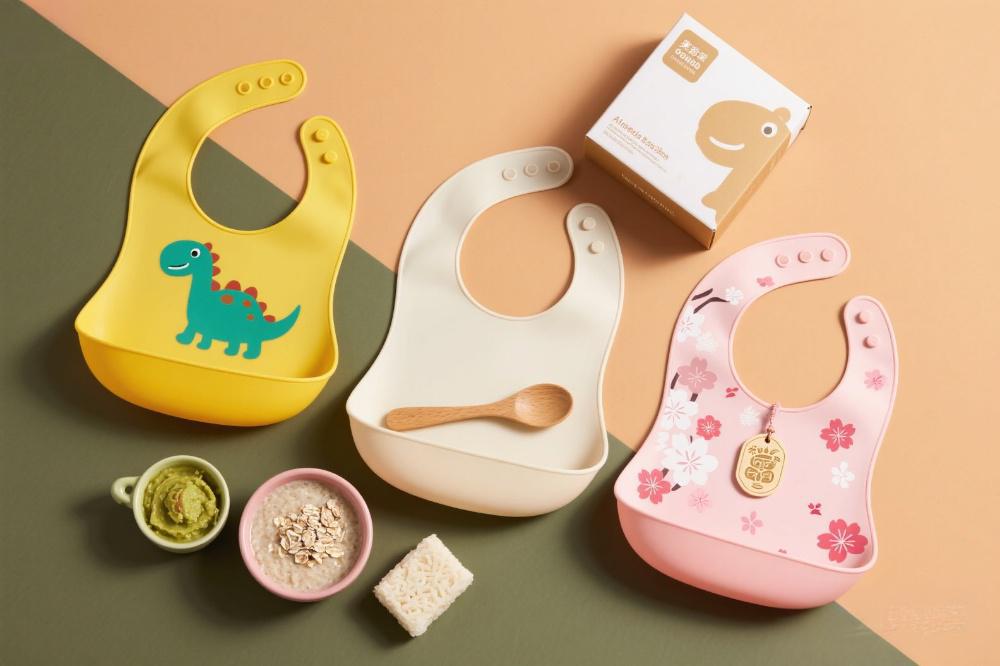
- Demand for cute characters and vibrant patterns
- Growing market for luxury baby gifts with custom packaging
- Popular searches include “baby shower silicone bib sets”
Customization Opportunities for Bulk Buyers
The most successful wholesale partnerships develop exclusive product lines addressing specific market gaps:
Niche Market Customization
- Organic-themed designs for health-conscious demographics
- Gender-neutral patterns appealing to modern parents
- Seasonal collections (e.g., holiday motifs) for gifting markets
Functional Enhancements
- Integrated teething edges for transitional-age babies
- Antimicrobial silicone formulations for daycare settings
- Temperature-sensitive color-changing designs
Branding Considerations
- Subtle logo placement that doesn’t compromise aesthetics
- Co-branding opportunities with pediatricians or parenting influencers
- Custom color matching for brand consistency
Addressing Common Concerns About Silicone Bibs
Comfort Questions
Some parents initially worry about rigidity, but high-quality silicone bibs use 2-3mm thickness for ideal flexibility. As one product developer explained, “We test our bibs on weighted dolls to ensure they don’t pull on a baby’s neck” .
Safety Misconceptions
While cheap knockoffs may use questionable materials, reputable manufacturers provide full material traceability. Food-grade silicone undergoes rigorous testing for heavy metals and chemical leaching .
Cost Considerations
Though the upfront cost exceeds fabric bibs, silicone’s longevity makes it more economical long-term. Retailers find customers appreciate this value proposition when clearly communicated .
The Future of Silicone Baby Bibs
Industry trends point toward several exciting developments:
Smart Features Integration
Early prototypes include:
- Moisture sensors alerting caregivers to change bibs
- Temperature indicators showing food safety
- RFID tags for daycare inventory management
Sustainable Innovations
- Plant-based silicone alternatives
- Recyclable/biodegradable options
- Take-back programs for worn products
Cross-Generational Designs
Adaptive bibs serving both infants and elderly users are gaining traction in markets with aging populations .
For wholesalers and brand owners, staying ahead means partnering with manufacturers capable of translating these trends into commercially viable products. The most successful collaborations combine market insight with technical expertise to create the next generation of waterproof bibs for baby that parents will eagerly add to their registries.
By focusing on genuine quality improvements rather than fleeting fads, businesses can build lasting reputations in this growing niche. As the market evolves, those offering thoughtful designs backed by rigorous safety standards will continue leading the category.