Russian
  English
  French
  German
  Spanish
  Polish
  Chinese
  Japanese
  Korean
Содержание
TPR (thermoplastic rubber) and silicone are two elastic materials widely used in consumer electronics, automotive components, kitchenware, baby products, and medical devices. Although they may feel similar to the touch, they differ significantly in temperature resistance, manufacturing process, safety compliance, recyclability, and cost structure.
For product developers, sourcing teams, and brand owners, understanding these differences early can prevent design mistakes and reduce long-term manufacturing risk.
What Is TPR (Thermoplastic Rubber)?
TPR belongs to the thermoplastic elastomer (TPE) family. It combines the flexibility of rubber with the processing advantages of plastic. Unlike traditional rubber, TPR does not require vulcanization and can be molded using standard injection molding equipment.
Core Properties of TPR
Soft, elastic, rubber-like feel
Fast injection molding cycles
Recyclable scrap material
Lower tooling and unit cost
Suitable for complex geometries
Because of these features, TPR is commonly used in phone cases, smart wearable accessories, grips, seals, and automotive interior parts.
What Is Silicone?
Silicone is a synthetic elastomer derived from silicon dioxide. It is valued for its thermal stability, chemical resistance, and long-term durability, especially in safety-critical applications.
Core Properties of Silicone
Wide temperature range: approximately -40°C to 230°C
Stable under heat, UV, and moisture
Odorless and non-toxic when food-grade or medical-grade
Excellent aging resistance
Limited recyclability
Silicone is widely used in bakeware, baby feeding products, medical components, seals, and high-temperature applications.
TPR vs Silicone — Key Differences That Matter in Manufacturing
Температурная стойкость
Silicone: Performs reliably in high-temperature environments, including ovens and sterilization
TPR: Heat resistance is limited, typically below 150°C
For baking, baby, or medical products, silicone is usually the required choice.
Безопасность и соблюдение норм
Silicone: Preferred for food-contact and medical-grade products due to its chemical stability
TPR: Can meet safety standards, but formulation quality depends heavily on material sourcing
Experienced manufacturers often guide clients toward silicone when FDA, LFGB, or medical compliance is required.
Manufacturing Process
TPR: Injection molding or extrusion, short cycle times, high production efficiency
Silicone: Compression molding or silicone injection molding with vulcanization
TPR favors high-volume, cost-sensitive projects, while silicone suits performance-driven designs.
Cost and Production Efficiency
TPR: Lower raw material cost, faster turnaround, easier recycling
Silicone: Higher material and tooling cost, but longer product lifespan
At Jewelives, material selection is often optimized by balancing product positioning, compliance needs, and target cost, especially for OEM and ODM projects.
Typical Applications for TPR and Silicone
Where TPR Works Best
Phone cases and electronic accessories
Smart wearables and grips
Automotive interior components
Protective housings and packaging
TPR allows complex injection designs and supports recyclable manufacturing systems.
Where Silicone Is the Better Choice
Baking mats and kitchenware
Medical tubing and masks
Seals exposed to heat or chemicals
For these applications, silicone’s stability and safety are critical.
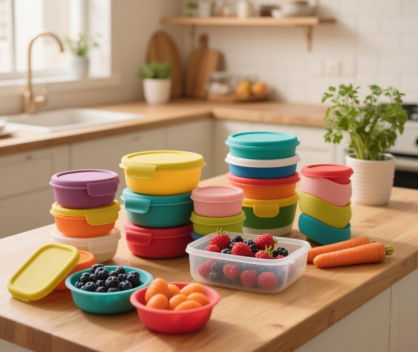
How Manufacturers Choose Between TPR and Silicone
There is no universally “better” material. The right choice depends on:
Temperature requirements
Safety and regulatory standards
Product lifecycle expectations
Cost targets
Production volume
With over 21 years of silicone manufacturing experience, Jewelives works closely with global brands to evaluate whether TPR, solid silicone, or liquid silicone rubber (LSR) is the best fit for each product concept.
Jewelives OEM & ODM Advantages in Material Selection
As an OEM/ODM silicone manufacturer, Jewelives supports clients from material evaluation to mass production, offering:
In-house R&D team with 20 engineers
Over 50 injection and compression molding machines
Certifications including ISO 9001, ISO 14001, BSCI, Sedex, GMP, Disney FAMA
Custom tooling development and rapid prototyping
Flexible OEM and ODM support for silicone and hybrid materials
This allows brands to reduce development risk and bring compliant products to market faster.
FAQ: TPR vs Silicone
Is TPR safer than silicone?
Both can be safe, but food-grade and medical-grade silicone offers higher chemical stability.
Can TPR replace silicone in baby products?
Generally no. Silicone is preferred for baby and food-contact applications.
Is silicone recyclable?
Silicone is durable but difficult to recycle. TPR performs better in recycling systems.
Which material is better for phone cases?
TPR is widely used due to cost efficiency and fast injection molding.