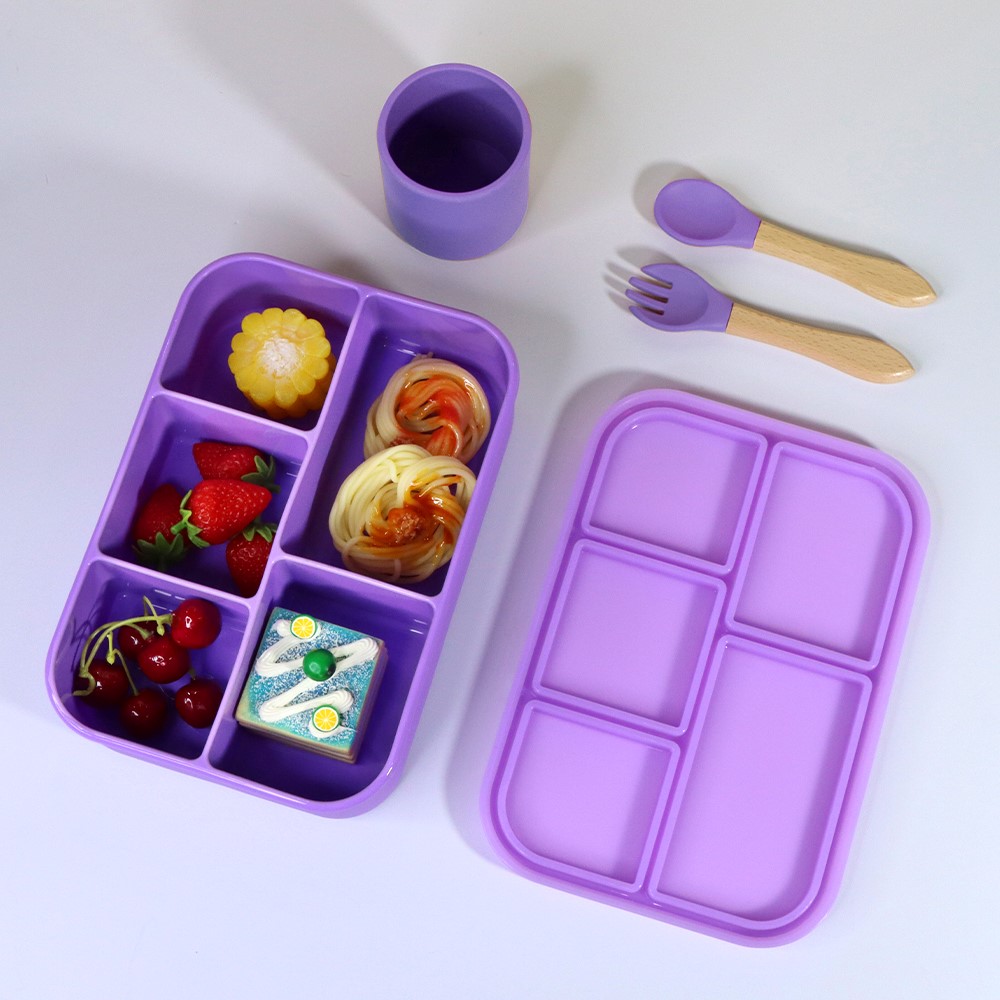
Каковы особенности силиконовой коробки Bento Box?

Силиконовые боксы для бенто обычно относятся к ланч-боксам и боксам для бенто, которые изготовлены из пищевого, экологически чистого силикона, который безопасен, нетоксичен, устойчив к холоду и температуре. Одна часть коробки складывается, что позволяет сэкономить много места в сложенном состоянии.

Кроме того, каковы другие особенности силиконового бокса Bento Box? Давайте познакомим вас с этим силиконовым складным ланч-боксом в качестве примера.
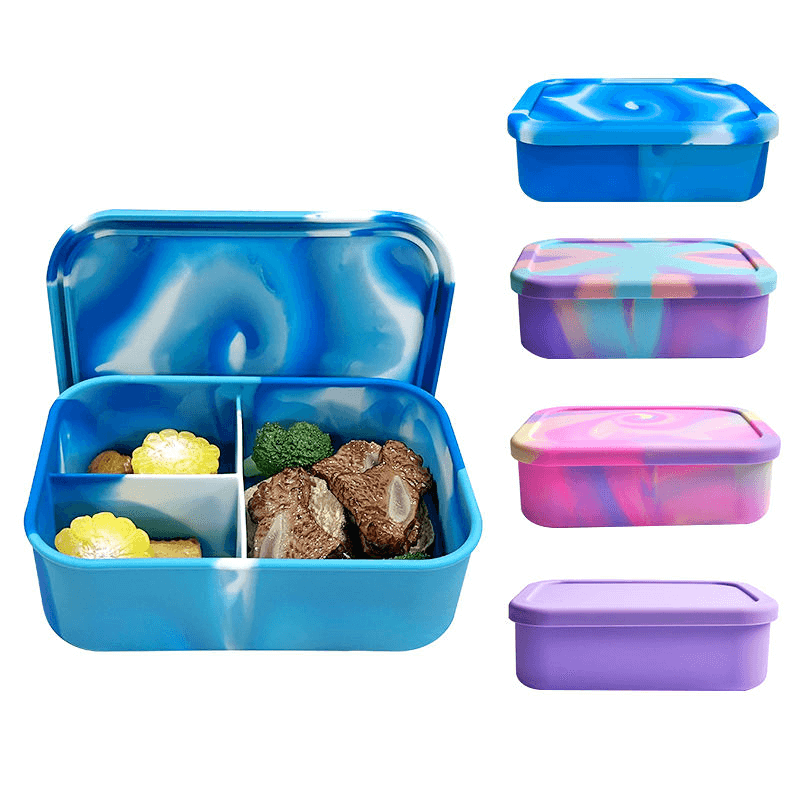
1.Материал изделия

Основной корпус ланч-бокса выполнен из пищевого силикона, который выдерживает температуру от -40 до 220°C, что позволяет разогревать его в духовке и замораживать продукты в холодильнике.

2.Вместимость

Три отделения вмещают 640 мл, 280 мл, 280 мл. Отделения разделяют различные продукты, чтобы сохранить их свежесть и предотвратить смешивание, а силиконовый материал обеспечивает долговечность и легкую очистку. Этот силиконовый бенто-бокс идеально подходит для подачи обедов детям в школе или детском саду и очень нравится родителям!
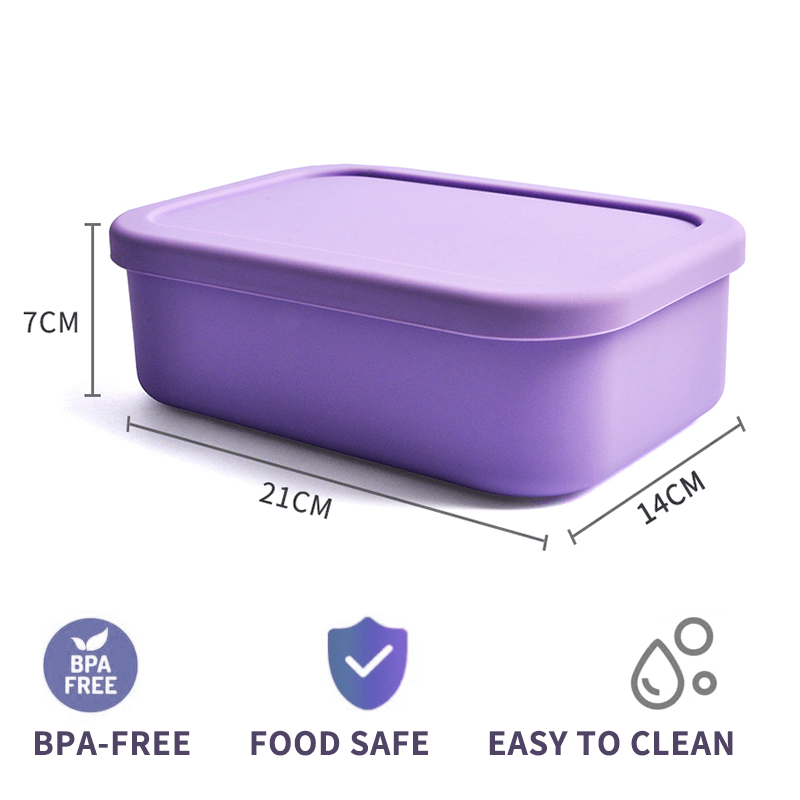
3.Персонализация продукции

Кастомизация продукта в основном отражается в настройке его цветов и логотипов. Например, три цвета tie-dye этой силиконовой коробки для бенто - самые популярные цвета на рынке, и они также являются главной особенностью, которая отличает ее от других коробок для бенто.

Jewelives специализируется на производстве силиконовых коробок для бенто, силиконовых бутылок для воды и силиконовых наборов для кормления для взрослых и детей. Мы используем пищевое сырье, высококристаллический прозрачный силикон для производства на заказ, а наша чистая и аккуратная фабрика, прошедшая аудит bsci и walmart, стандартизирована для производства высококачественной силиконовой продукции.
Related post

Liquid Silicone Injection Molding
Fda Approved Bento Box
Introduction to Silicone Manufacturing Silicone manufacturing is a specialized industry that requires a deep understanding of material science, chemical engineering, and environmental management. As a leading silicone factory, we pride ourselves on our ability to create custom silicone products tailored to the unique needs of our wholesale clients. This article delves into the manufacturing process, health and safety considerations, and the management strategies that ensure the highest standards of quality and compliance. 1. The Manufacturing Process of Silicone 1.1 Overview of the Manufacturing Process The silicone manufacturing process involves the transformation of raw silicone materials into finished products through curing and vulcanization. Curing refers to the process where silicone compounds harden through the addition of heat or moisture, while vulcanization involves the use of catalysts to speed up the hardening process. Over the years, we have perfected these processes to ensure the production of durable and high-quality silicone products. Curing with Peroxides During the vulcanization process employing peroxides, peroxides are incorporated into the silicone compound, which triggers a reaction leading to material solidification. This approach is renowned for its dependability and its capability to attain broad hardness levels in the end products. It is applicable for general silicone rubber goods, like those used in wires and cables, and also for oil-resistant and solvent-resistant silicone rubbers. Vulcanization with Platinum Catalysts On the other hand, vulcanization using a platinum catalyst is a more specialized process that allows for exceptional control of the reaction and produces items with superior purity and performance. This method is particularly suited for manufacturing custom silicone products that require high precision and consistency. It is ideal for products where environmental protection and hygiene conditions are of higher concern, such as food-grade silicone products and medical devices. 1.2 Chemical Composition and Volatile Emissions The chemical composition of silicone materials includes base polymers, fillers, and additives. Additives play a crucial role in enhancing the properties of silicone products, such as flexibility, heat resistance, and UV stability. Curing agents and catalysts are essential for initiating and controlling the polymerization reactions that lead to the formation of the silicone product. 1.3 Common Volatiles in Silicone Manufacturing During the manufacturing process, various volatile organic compounds (VOCs) can be emitted, including methyl siloxanes and other siloxane oligomers. These emissions can have environmental and health implications, which is why our silicone factory has implemented stringent measures to minimize their release. 2. Health, Safety, and Environmental Impact 2.1 Health and Safety Risks in the Manufacturing Environment The health and safety of our workers is paramount. In the silicone manufacturing environment, exposure to uncured silicone, catalysts, and other chemicals can pose risks. Therefore, we have established safety measures and protocols that include the use of personal protective equipment (PPE) and regular health check-ups for our employees. 2.2 Impact of Volatiles on the Environment The release of volatiles into the environment can contribute to air pollution and have long-term effects on ecosystems. As a responsible silicone factory, we are committed to reducing our environmental footprint by adopting advanced technologies that minimize VOC emissions and by recycling waste materials whenever possible. 2.3 Regulatory Compliance and Standards Adherence to regulations is a cornerstone of our operations. Both national and international standards, such as those set by the European Union's REACH regulations and the United States' EPA guidelines, dictate the allowable levels of VOC emissions and the safety measures that must be in place. Our silicone factory is fully compliant with these standards, ensuring that our operations are both safe and environmentally responsible. 3. Management Strategies 3.1 Implementing Safety Measures and Protocols To safeguard our workers and the environment, we have implemented a range of safety measures and protocols. These include the use of closed-loop systems to capture and treat emissions, regular equipment maintenance to prevent leaks, and comprehensive training programs for our staff. 3.2 Advancements in Process and Material Technology Innovation is at the heart of our silicone manufacturing process. We continuously invest in research and development to improve our manufacturing processes and material technologies. This includes exploring new catalysts that reduce VOC emissions and developing silicone compounds with enhanced properties for applications like silicone lunch boxes and water bottles. 3.3 Regulatory Compliance and Environmental Management Our commitment to regulatory compliance extends beyond mere adherence to standards. We actively engage with regulatory bodies to ensure that our practices are not only compliant but also contribute to the development of more stringent environmental protections. Our environmental management system is certified to ISO 14001, demonstrating our dedication to sustainable practices. 4. Conclusion Silicone manufacturing is a complex process that requires a delicate balance between product quality, worker safety, and environmental responsibility. As a silicone factory specializing in custom silicone products, we are committed to maintaining the highest standards across all aspects of our operations. By investing in advanced technologies, adhering to strict safety protocols, and prioritizing environmental stewardship, we ensure that our silicone products meet the needs of our wholesale clients while also protecting the health of our workers and the planet.
Dog Travel Water Bottles 2
Прокрутить вверх

Свяжитесь с нами