Russian
  English
  French
  German
  Spanish
  Polish
  Chinese
  Japanese
  Korean
Содержание
Food storage containers are used every day to organize leftovers, prepare meals, pack lunches, freeze ingredients, and reduce unnecessary food waste. Plastic containers have traditionally dominated this category because they are lightweight, familiar, and widely available. However, silicone storage containers are becoming an increasingly popular alternative for households, outdoor users, retailers, and food storage brands.
Silicone containers combine flexibility, durability, temperature resistance, and space-saving functionality. Many designs can be folded, compressed, nested, or rolled when they are not in use. This makes them especially practical for modern kitchens, apartments, lunch bags, travel, camping, and organized retail storage systems.
So, why choose silicone storage containers over plastic ones? This guide compares the two materials in terms of safety, durability, temperature performance, convenience, storage efficiency, cleaning, sustainability, and product customization. It also explains what consumers and commercial buyers should check before purchasing silicone food storage products.
What Are Silicone Storage Containers?
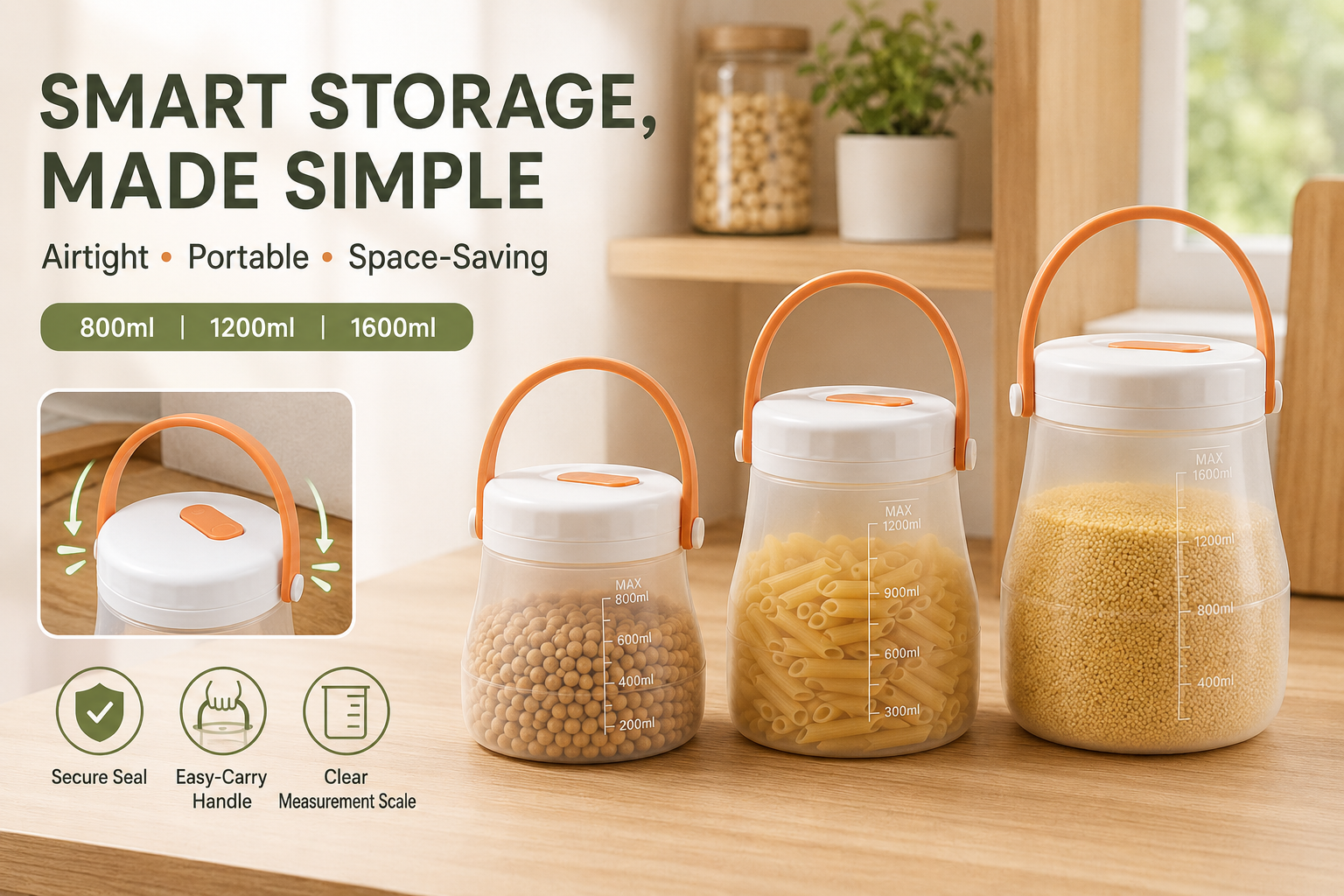
Silicone storage containers are flexible or semi-rigid containers made primarily from silicone rubber. Depending on the product design, they may include polypropylene lids, silicone sealing rings, plastic frames, stainless steel components, or integrated air valves. Common formats include collapsible lunch boxes, reusable food storage bags, freezer containers, snack boxes, meal-prep containers, and portable travel bowls.
Unlike conventional rigid plastic, silicone has an elastic molecular structure that allows the finished product to bend and recover its shape. Manufacturers can adjust the silicone formulation, hardness, wall thickness, and structural ribs to create products ranging from very soft storage bags to stable containers that hold their shape on a table.
1. Silicone Offers Greater Flexibility
Flexibility is one of the clearest advantages of silicone storage containers. A well-designed silicone container can be squeezed, folded, or compressed without cracking under normal use. This is helpful when storing containers in small kitchens, crowded cabinets, backpacks, suitcases, recreational vehicles, and lunch bags.
Rigid plastic containers usually occupy the same amount of space whether they are full or empty. Collapsible silicone containers can reduce their height after use, allowing several products to be stacked in a smaller area. This feature is particularly valuable for urban households where cupboard space is limited.
Flexible walls may also make it easier to remove frozen ingredients or sticky foods. Users can gently push the base or sides instead of scraping the container with a hard utensil. The actual experience depends on the product’s thickness and structure, so manufacturers must balance flexibility with sufficient support.
2. Better Performance Across Different Temperatures
Suitable silicone formulations can remain functional across a broad temperature range. This makes silicone storage containers useful for refrigerated food, frozen ingredients, room-temperature snacks, and certain reheating applications. In comparison, the heat resistance of plastic varies considerably according to the specific polymer used.
Some silicone containers are designed for freezer, microwave, oven, or dishwasher use, but buyers should never assume that every product supports every appliance. The silicone body may withstand high temperatures while the lid, valve, printed decoration, or plastic frame has a lower temperature limit.
Temperature versatility can simplify food preparation because one container may support several stages of use. For example, food can be stored in a freezer, defrosted under appropriate conditions, reheated according to the product instructions, and served from the same container. This can reduce the need to transfer food between multiple dishes.
3. Durable and Resistant to Everyday Breakage
Silicone is naturally resilient. If an empty silicone container falls from a table, it is less likely to crack or shatter than a brittle, rigid container. This makes it attractive for families, students, travelers, campers, and users who frequently carry meals outside the home.
Plastic products can become scratched, warped, discolored, or brittle over time, particularly when exposed to unsuitable temperatures or repeated mechanical stress. High-quality silicone can provide a long service life when it is correctly formulated, molded, cleaned, and stored.
However, durability is influenced by product quality. Extremely thin silicone may tear around stressed areas, while poorly designed collapsible structures may lose stability. Reliable manufacturers use appropriate wall thickness, reinforced rims, smooth transitions, and carefully positioned fold lines to improve performance.
4. A Practical Option for Food-Contact Applications
Food-grade silicone is widely used for kitchen tools, baking molds, baby feeding products, ice trays, and food storage products. Properly manufactured silicone is stable and can be formulated to meet relevant food-contact requirements. It is also commonly marketed as BPA-free because BPA is not a standard ingredient used to manufacture silicone rubber.
The phrase “food-grade silicone” should not be treated as sufficient proof by itself. Consumers should buy from reliable brands that provide clear material and care information. Importers and retailers should request relevant test reports based on the destination market, product design, color formulation, and intended conditions of use.
Plastic is not automatically unsafe. Many plastic containers are manufactured from materials authorized for food-contact use. The practical difference is that silicone may offer a more versatile combination of flexibility, heat resistance, and long-term usability. The safety of either option ultimately depends on the material, manufacturing quality, intended application, and correct consumer use.
5. Space-Saving Designs Support Organized Living
One of the most commercially appealing features of silicone food containers is their collapsible structure. Accordion-style walls can allow a container to expand for food storage and collapse when empty. Other products are designed to roll, fold flat, or nest together.
These designs can help users maintain organized cupboards and reduce the common problem of mismatched containers and lids. They also make products easier to carry home after lunch because an empty container takes up less space inside a work bag or backpack.
For travelers, hikers, campers, and recreational vehicle users, every centimeter of storage space matters. A compact silicone container can serve as a lunch box during the day and collapse after the meal. This practical transformation is difficult to achieve with a conventional rigid plastic box.
6. Comfortable and Quiet to Handle
Silicone has a soft-touch surface that can feel more comfortable than hard plastic. It does not produce the same sharp sound when placed on stone, metal, or glass surfaces. This can be useful in offices, schools, shared kitchens, and family environments.
The material can also provide a naturally grippy exterior. A silicone base may help reduce sliding during food preparation or eating. This is one reason silicone is frequently used in children’s bowls, lunch boxes, placemats, and tableware.
The degree of grip depends on the surface texture, hardness, product weight, and table material. Manufacturers can add matte textures, raised patterns, reinforced handles, or anti-slip base structures according to the target user and application.
7. Easy Cleaning with Thoughtful Product Design
Many silicone storage containers are dishwasher-compatible, although the manufacturer’s instructions should always be checked. Flexible walls make it easier to turn certain products partially inside out or open them widely, allowing users to reach corners that may be difficult to clean in rigid containers.
Good product design remains essential. Deep grooves, narrow channels, complicated valves, and permanently enclosed spaces can trap food residue or moisture. A high-quality container should have smooth internal surfaces, rounded corners, removable sealing parts where appropriate, and clear cleaning instructions.
Strongly colored or oily foods may leave temporary stains or odors on some silicone products. Prompt washing with warm water and a suitable detergent can help. Users should avoid abrasive tools or cleaning methods not recommended by the manufacturer.
8. Reusable Silicone Can Reduce Dependence on Disposable Storage
Reusable silicone containers and bags can replace some disposable food storage products, including single-use sandwich bags, wraps, and takeaway containers. A durable product that is repeatedly used may reduce the number of disposable items a household purchases.
Environmental performance should still be considered across the complete product life cycle. Silicone is durable, but recycling options for consumer silicone products are not available in every community. Therefore, its sustainability advantage depends largely on product longevity, frequency of use, responsible manufacturing, and appropriate end-of-life handling.
Consumers can improve the value of a reusable container by selecting a practical design, caring for it correctly, and using it consistently. Brands can support responsible consumption by offering replacement lids, accurate care instructions, durable packaging, and transparent material information.
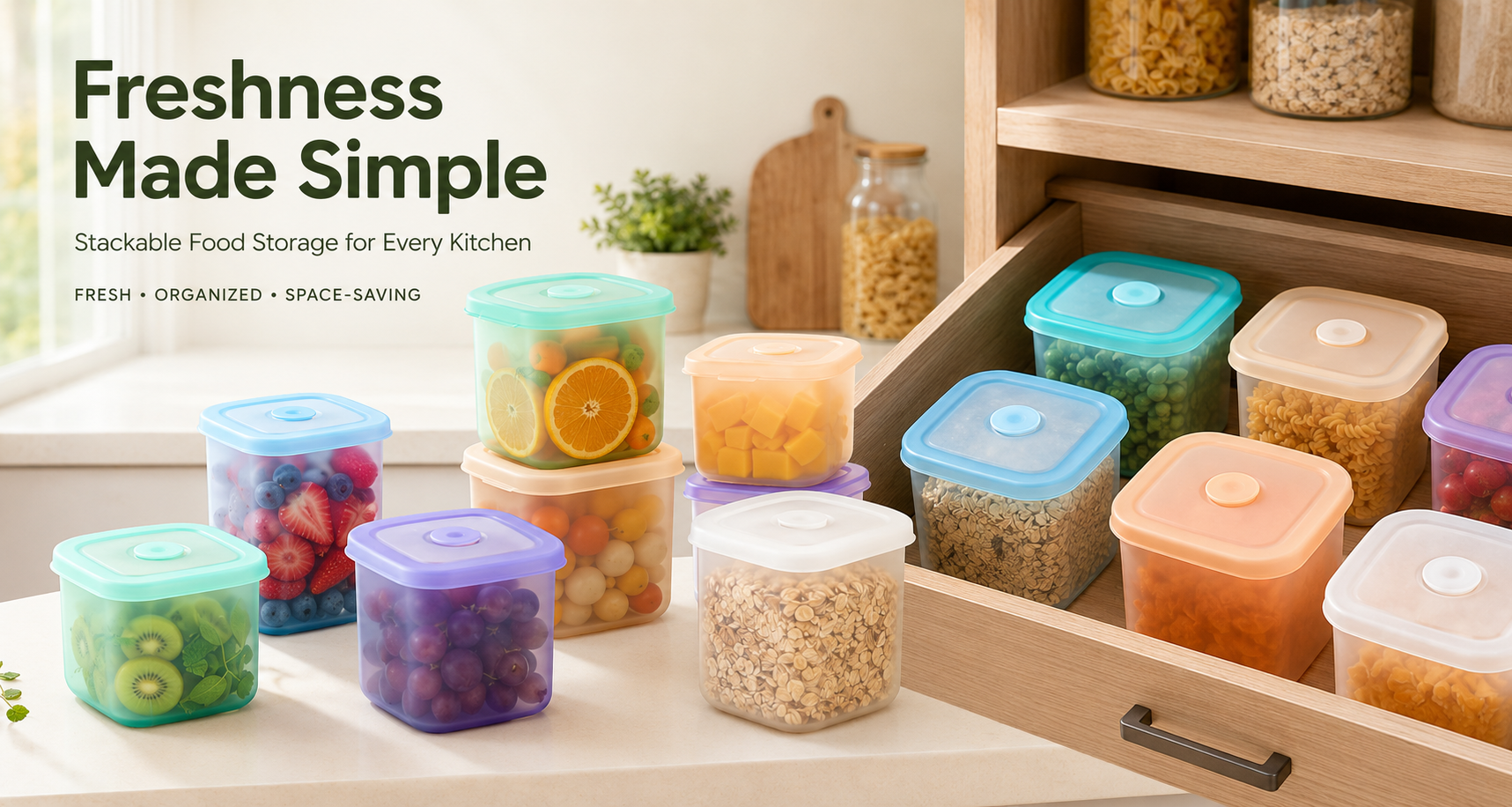
Silicone vs. Plastic Storage Containers
| Характеристика | Silicone Containers | Plastic Containers |
|---|---|---|
| Flexibility | Flexible and suitable for collapsible designs | Usually rigid or semi-rigid |
| Storage Space | Can collapse, fold, roll, or nest | Usually maintains its original volume |
| Temperature Performance | Often suitable for a broad range when specified | Varies significantly by plastic type |
| Impact Resistance | Flexible and resistant to everyday drops | May crack if brittle, aged, or damaged |
| Вес | Lightweight, but sometimes heavier than thin plastic | Often very lightweight |
| Initial Price | Generally higher for quality products | Often lower for basic products |
| Useful Applications | Home, lunch, freezer, travel, camping, and meal preparation | General storage, takeaway, and lightweight organization |
Are There Any Disadvantages to Silicone Containers?
Silicone is not the best material for every situation. Quality silicone containers may have a higher initial price than basic plastic options. Very soft containers can also require two hands when carrying liquids or heavy food. A reinforced rim, stable base, or compatible tray can improve handling.
Silicone surfaces may attract lint or dust when stored near textiles. Certain foods can leave odors or discoloration if the container is not cleaned promptly. In addition, a silicone body does not guarantee that the complete product is oven-safe or microwave-safe because lids and accessories may use different materials.
Consumers should select products based on their actual needs rather than assuming that silicone is universally superior. Rigid plastic may remain suitable when low weight, a clear view of the contents, and a low purchase price are the main priorities. Silicone is particularly valuable when flexibility, compact storage, durability, and temperature versatility matter more.
How to Select High-Quality Silicone Storage Containers
✓ Review the material information: Choose products made from silicone intended for food-contact applications.
✓ Check the complete construction: Identify the materials used for the body, lid, frame, seal, and valve.
✓ Confirm temperature limits: Follow separate instructions for freezing, reheating, oven use, and dishwasher cleaning.
✓ Inspect the sealing system: Look for an accurately fitted lid and a removable, cleanable sealing ring when applicable.
✓ Consider stability: The container should remain sufficiently stable when filled with the intended food.
✓ Choose the right capacity: Matching the container size to normal portions helps improve convenience and storage efficiency.
What B2B Buyers Should Ask a Silicone Manufacturer
For brands, wholesalers, importers, and retailers, product quality begins with supplier qualification. A professional silicone storage container manufacturer should be able to explain its molding process, raw material controls, quality procedures, sample approval process, production capacity, and product testing options.
Material and Compliance Requirements
The buyer should specify the destination market and intended product use. Testing requirements may differ for food-contact products sold in the United States, European Union, United Kingdom, or other regions. Reports should apply to the relevant product, material, color, and test conditions rather than an unrelated sample.
Custom Design and Tooling
Silicone storage containers can be customized in capacity, shape, wall structure, hardness, color, logo, lid design, valve position, surface texture, and packaging. Before creating tooling, manufacturers should review collapsible sections, demolding angles, sealing surfaces, wall thickness, and resistance to deformation.
Контроль качества
Important inspection points may include dimensions, weight, hardness, odor, appearance, lid fit, sealing performance, collapse cycles, color tolerance, logo durability, and packaging. All acceptance standards should be documented before mass production, using an approved sample as the primary visual and functional reference.
OEM and Private-Label Options
Businesses can develop coordinated product collections using custom Pantone colors, molded logos, printed branding, sleeves, retail boxes, instruction cards, and shipping cartons. A manufacturer with in-house engineering and mold development capabilities can also help improve product usability while controlling production costs.
Conclusion
Silicone storage containers provide several practical advantages over conventional plastic containers. They are flexible, durable, comfortable to handle, and suitable for innovative collapsible designs. Properly specified products may also support freezing, reheating, dishwashing, and other everyday food storage activities.
Their ability to collapse or fold makes them particularly useful for compact kitchens, meal preparation, school or office lunches, travel, and outdoor activities. Reusable silicone products may also help households reduce their dependence on disposable food storage items when used consistently over a long period.
The best choice depends on product quality and intended use. Consumers should review material information, temperature limits, care instructions, and sealing design. Commercial buyers should work with an experienced silicone manufacturer, establish clear specifications, approve samples, and verify relevant compliance before mass production.
Frequently Asked Questions
1. Are silicone storage containers safer than plastic containers?
Both silicone and plastic can be suitable for food storage when they are manufactured from compliant food-contact materials and used correctly. Quality silicone offers excellent flexibility and temperature performance, but buyers should still verify product documentation and follow the manufacturer’s usage instructions.
2. Can silicone containers go in the microwave?
Many silicone containers are designed for microwave use, but not every lid, valve, frame, or accessory is microwave-safe. Check the product instructions, release pressure by opening the valve or lid when directed, and never exceed the specified temperature or heating time.
3. Can silicone storage containers be used in the freezer?
Many food-grade silicone containers are suitable for freezing. Leave enough space for food or liquid to expand and confirm the product’s minimum temperature rating. Avoid forcing a frozen lid or folding the container until its contents have softened sufficiently.
4. Do silicone containers absorb food odors?
Strongly flavored or oily foods may leave temporary odors on some silicone surfaces. Washing the container promptly with suitable detergent and allowing it to dry thoroughly can help. Always follow the brand’s cleaning instructions and avoid unapproved chemicals or abrasive tools.
5. Are silicone storage containers environmentally friendly?
Durable silicone containers can replace some disposable food bags and containers, especially when they are reused frequently for years. However, environmental performance depends on manufacturing, lifespan, usage, and available end-of-life options. Choosing a durable design and using it consistently provides the greatest practical benefit.