English
  French
  German
  Spanish
  Russian
  Polish
  Chinese
  Japanese
  Korean
Contents
When to Choose Silicone or TPU for OEM and Product Manufacturing
Introduction
Choosing the correct elastomer material is a critical step in product development. Silicone and TPU are often compared because they overlap in certain applications, such as phone cases and wearable accessories. However, their behavior under heat, stress, and long-term use differs greatly. This article focuses on practical decision-making for OEM and ODM manufacturing.
When Silicone Is the Better Choice
Silicone is recommended for applications that demand safety, hygiene, and resistance to extreme conditions. Its silicon-oxygen molecular structure provides outstanding thermal and environmental stability.
Silicone should be selected when:
High-temperature or boiling resistance is required
Products need to withstand UV, ozone, or outdoor exposure
Medical or baby products require strict safety standards
Chemical corrosion resistance is critical
Soft, skin-contact comfort is a priority
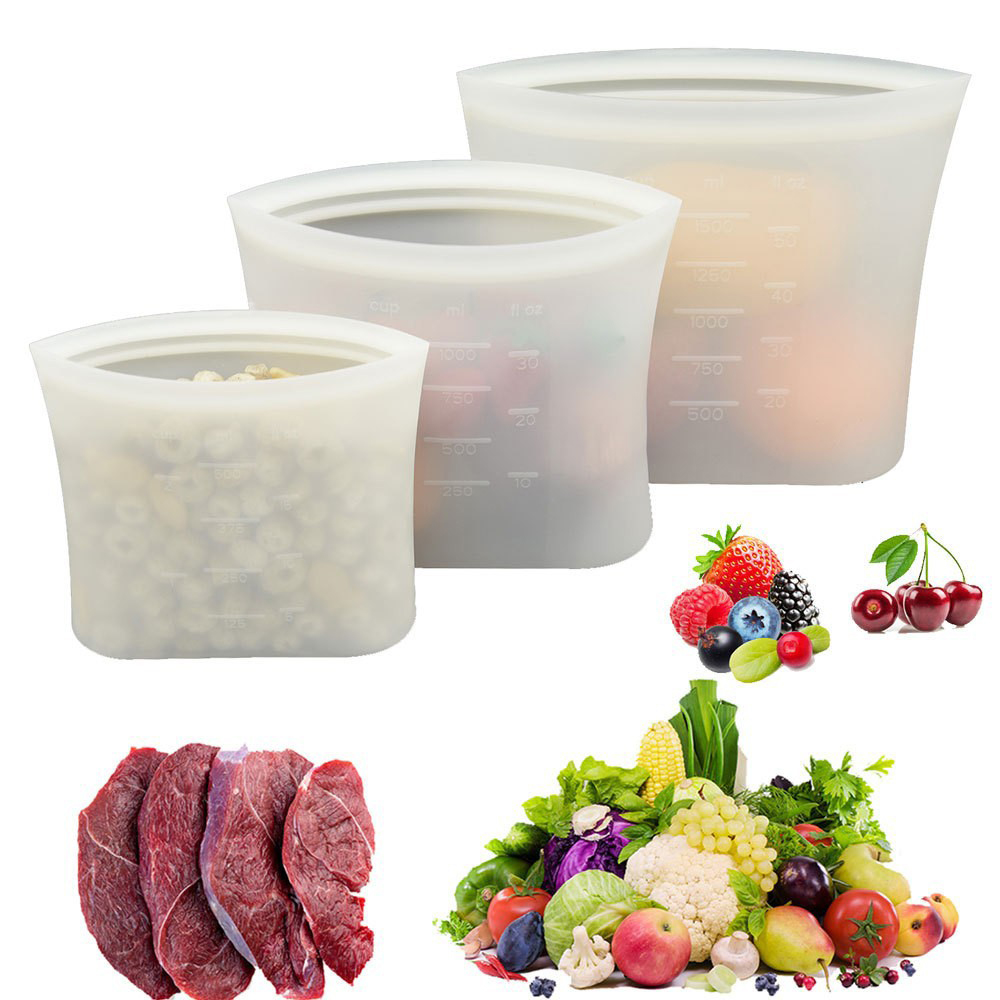
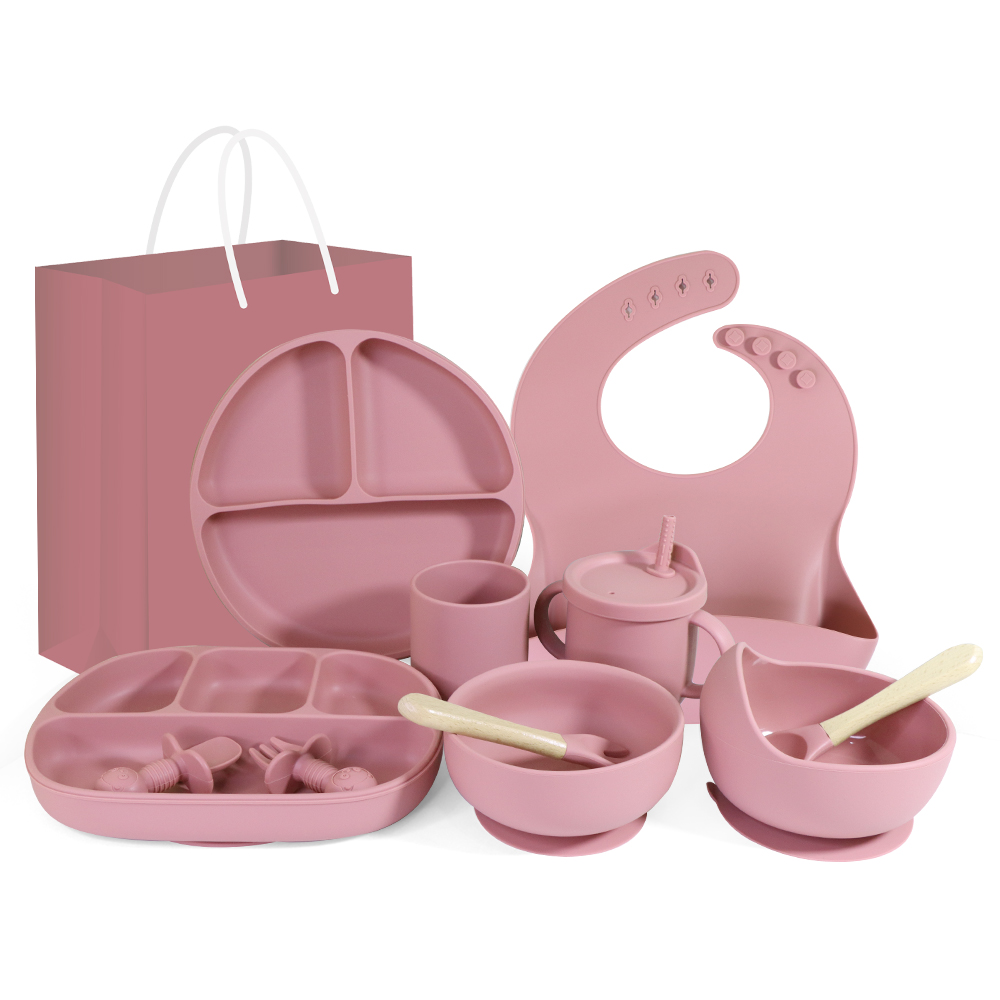
Typical silicone applications include baby feeding products, pacifiers, medical tubing, kitchen accessories, electronic seals, and insulation components.
When TPU Is the Better Choice
TPU is ideal for products that require strong mechanical performance and cost efficiency. Its elastomeric structure allows flexibility while maintaining excellent abrasion and impact resistance.
TPU is suitable when:
Drop resistance and wear resistance are essential
Oil and grease exposure is common
Structural protection is required
Production cost and efficiency are key concerns
High-temperature exposure is not involved
Common TPU applications include sports equipment, mobile phone cases, footwear, cable protection, and automotive components.
Manufacturing Considerations for Silicone Products
Silicone products are typically manufactured using compression molding or injection molding. Solid silicone compression molding is ideal for high-precision parts such as seals, buttons, and medical components.
The process involves material mixing, mold preheating, precise loading, high-pressure vulcanization, and strict post-processing. Compared to TPU, silicone production requires tighter temperature control and longer curing cycles but delivers superior performance in demanding environments.
Balancing Cost and Performance
For OEM and ODM projects, material choice should balance cost, functionality, and regulatory requirements. TPU offers flexibility in hardness and lower production costs, while silicone delivers long-term stability and compliance with food-grade and medical standards.
Conclusion
Silicone and TPU are both valuable elastomers, but they are not interchangeable in all scenarios. Silicone is best for high-temperature, medical, and safety-focused applications, while TPU is ideal for wear-resistant, impact-resistant, and cost-sensitive products. A clear understanding of product requirements will lead to the most effective material decision.