硅胶奶瓶如何生产才能符合 FDA 和 LFGB 标准?

硅胶奶瓶因其耐用性、灵活性和环保性而广受欢迎。但这些多功能容器是如何制造出来的呢?本文将深入探讨硅胶奶瓶的生产过程,重点关注是否符合 FDA 和 LFGB 国际安全标准。

设计阶段:塑造硅胶瓶

一个 硅胶瓶 从产品设计开始。我们的硅胶工厂首先要了解客户的要求和水瓶的功能需求,包括形状、尺寸和用途。我们使用 CAD 或 PRO/E 等先进软件进行详细设计,以满足这些规格要求。

模具制作:硅胶瓶的基础

设计阶段结束后,我们开始制作模具。根据最终确定的图纸,我们的模具设计师对数控机床进行编程,雕刻出最初的大致形状。然后,我们使用放电加工机(EDM)和精密雕刻机进行精细加工。最后一步是对模具进行表面处理,包括抛光、电镀和蚀刻,以确保模具表面能完美地生产出高质量的硅胶瓶。
Hydroforming

材料选择与合规性

我们使用高浓度橡胶(HCR)来生产硅胶瓶。HCR 是一种具有优异机械和物理性能的硅胶材料,是制造高质量硅胶瓶的理想材料。与气相法二氧化硅和沉淀法二氧化硅不同的是,气相法二氧化硅和沉淀法二氧化硅是用作填充剂以改善硅橡胶的物理性能,而 HCR 则是一种含有二氧化硅填充剂的高分子量聚合物,这种材料具有独特的特性。

混合与着色一致性的艺术

硅胶瓶制造工艺的下一步是混合和着色。我们将 HCR 材料与特定的添加剂混合,以达到定制硅胶瓶所需的颜色和性能。这一混合过程对于获得均匀的混合物至关重要,而均匀的混合物对于稳定的固化和最终产品质量至关重要。
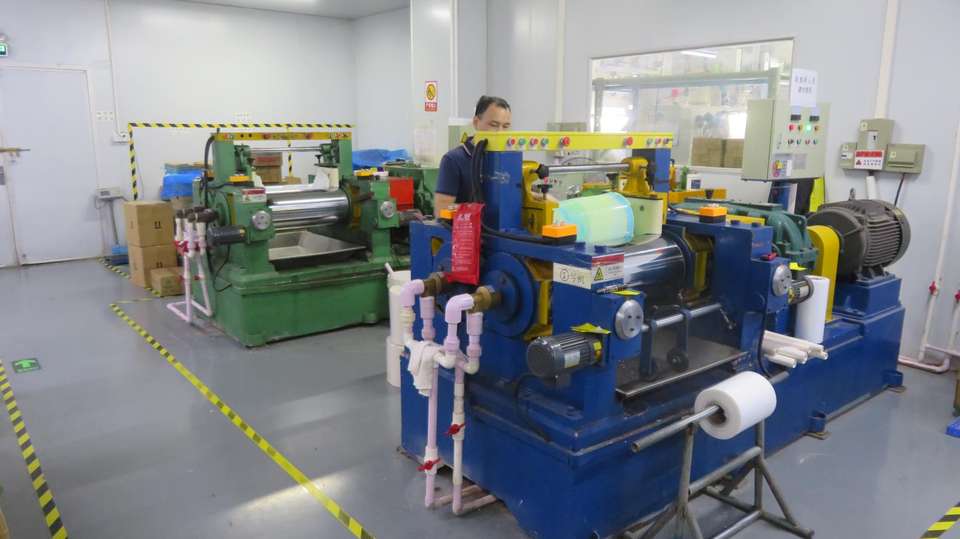
Mixing and cutting materials

成型和固化:成型和加固

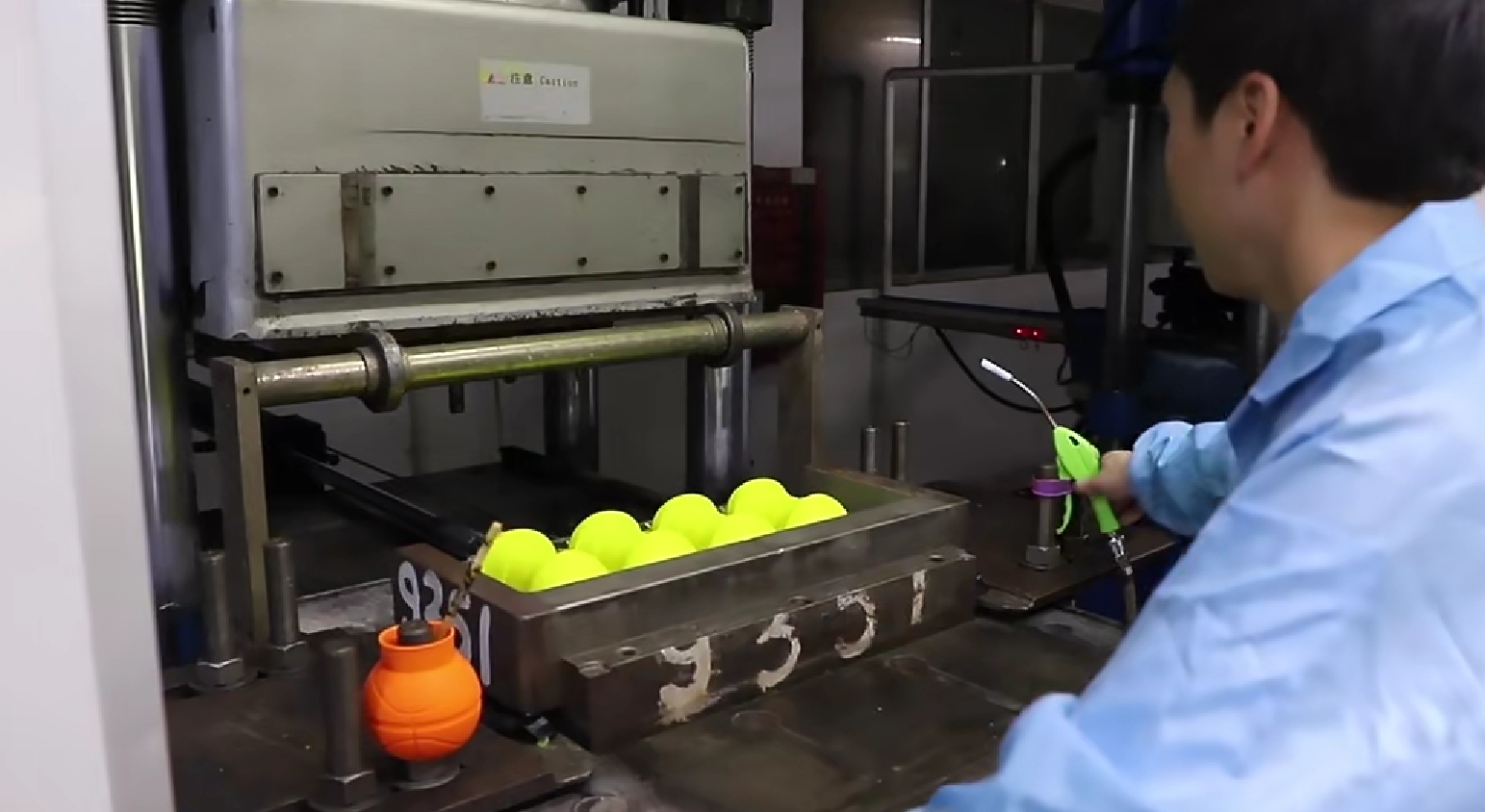
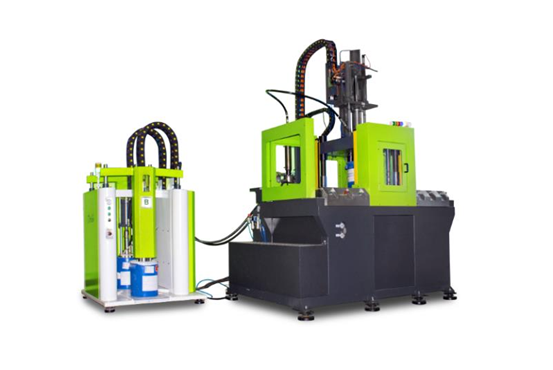
在混合和着色过程之后,HCR 混合物就可以进行成型了。HCR 被倒入精密模具中,通过加热和加压使其形成模具形状。这一过程对于确定硅胶瓶的物理特性(如弹性、拉伸强度和耐高低温性)至关重要。


固化过程:确保结构完整性和质量

固化过程是 HCR 呈现最终特性的地方。对于符合 FDA 标准的产品,过氧化物固化就足够了,而且成本效益更高;而铂金固化则是高纯度应用的首选,适用于生产需要符合 LFGB 标准的产品。铂金固化硅胶因其卓越的纯度而广受认可,常用于与食品直接和长期接触的产品,以确保其通过这两种标准所要求的严格测试。


后固化:消除残留,确保安全

后硫化也称为二次硫化,对于消除所有潜在残留物和确保硅胶瓶的使用安全至关重要。为符合 LFGB 标准,常见的后硫化条件包括在 200°C (392°F)下加热 4 小时。这一过程可确保硅胶产品不含任何可能迁移到食品中的物质,使其在欧洲市场上使用安全。为了符合 FDA 标准,后固化可以在较低温度或较短时间内有效,在 150°C (302°F)下加热 2-4 小时即可。
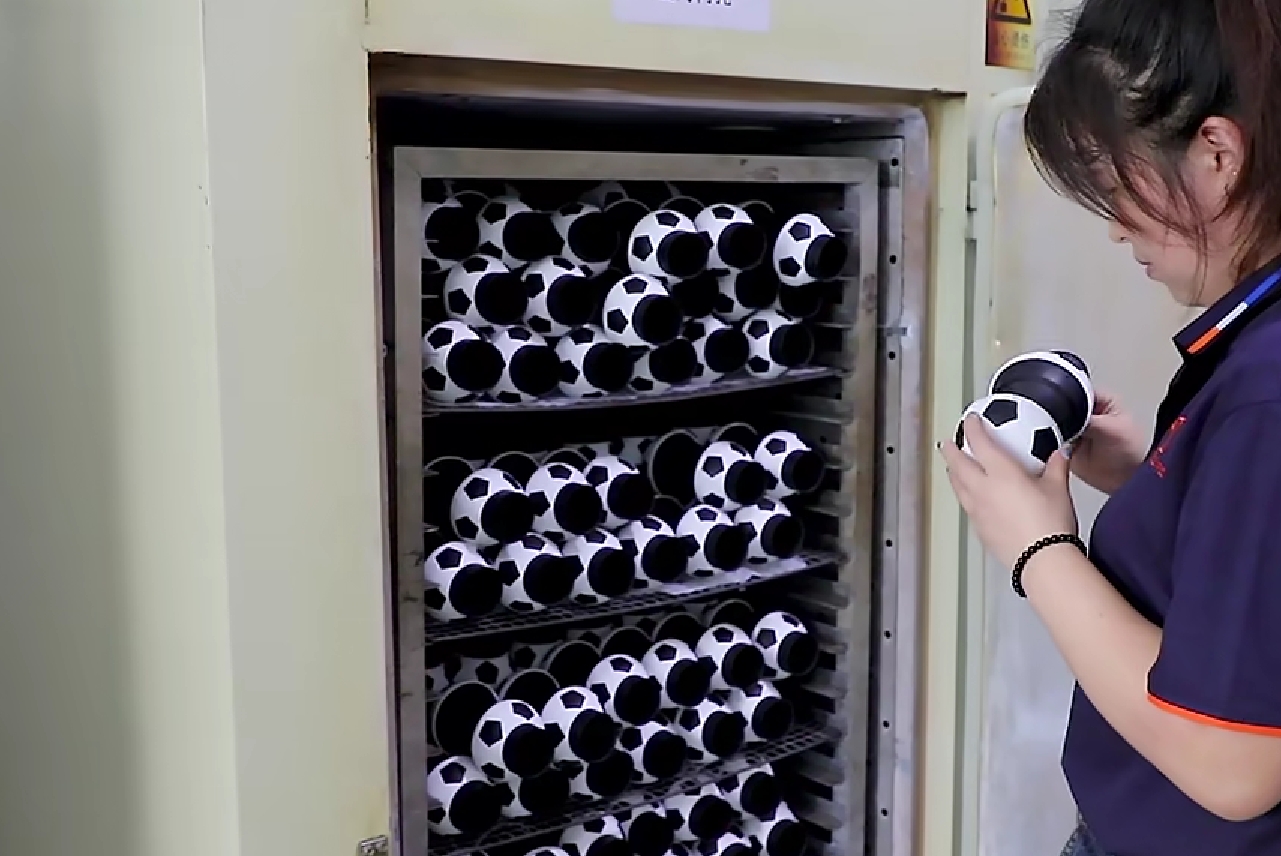
High temperature baking

质量控制和检查

质量是硅胶瓶制造的重中之重。我们的硅胶工厂采用严格的质量控制系统,其中包括多个检测点。每一批定制硅胶瓶都要经过彻底检查,以确保在形状、颜色和材料完整性方面没有任何缺陷。我们确保只有最高质量的产品才能到达我们的批发客户手中。
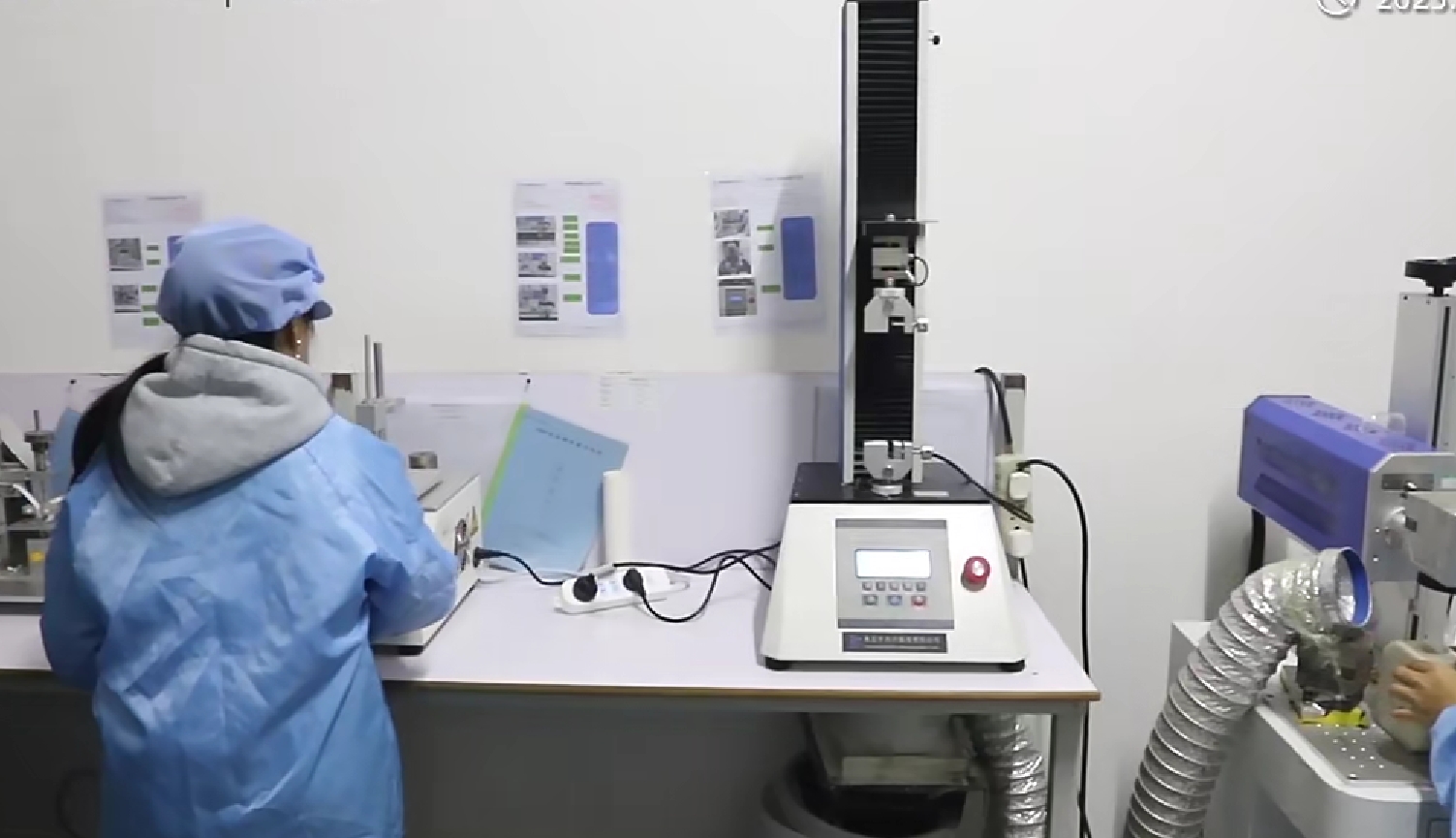
Quality inspection

定制硅胶瓶:满足批发需求。

作为一家硅胶工厂,我们专门为批发客户定制硅胶瓶。我们的专长是 定制 这使我们能够满足每个客户的独特要求,确保他们的产品在市场上脱颖而出。无论是户外运动爱好者、健身爱好者,还是日常用品,我们都能为您量身定制硅胶水壶,满足您的任何要求。

批发包装和装运

一旦硅胶瓶通过了我们严格的质量检查,我们就会对它们进行精心包装,确保它们完好无损地送达客户手中。我们的硅胶厂专门从事批量包装,为批发分销量身定制。我们了解批发业务中涉及的物流问题,并确保我们的包装和运输流程高效且符合成本效益。
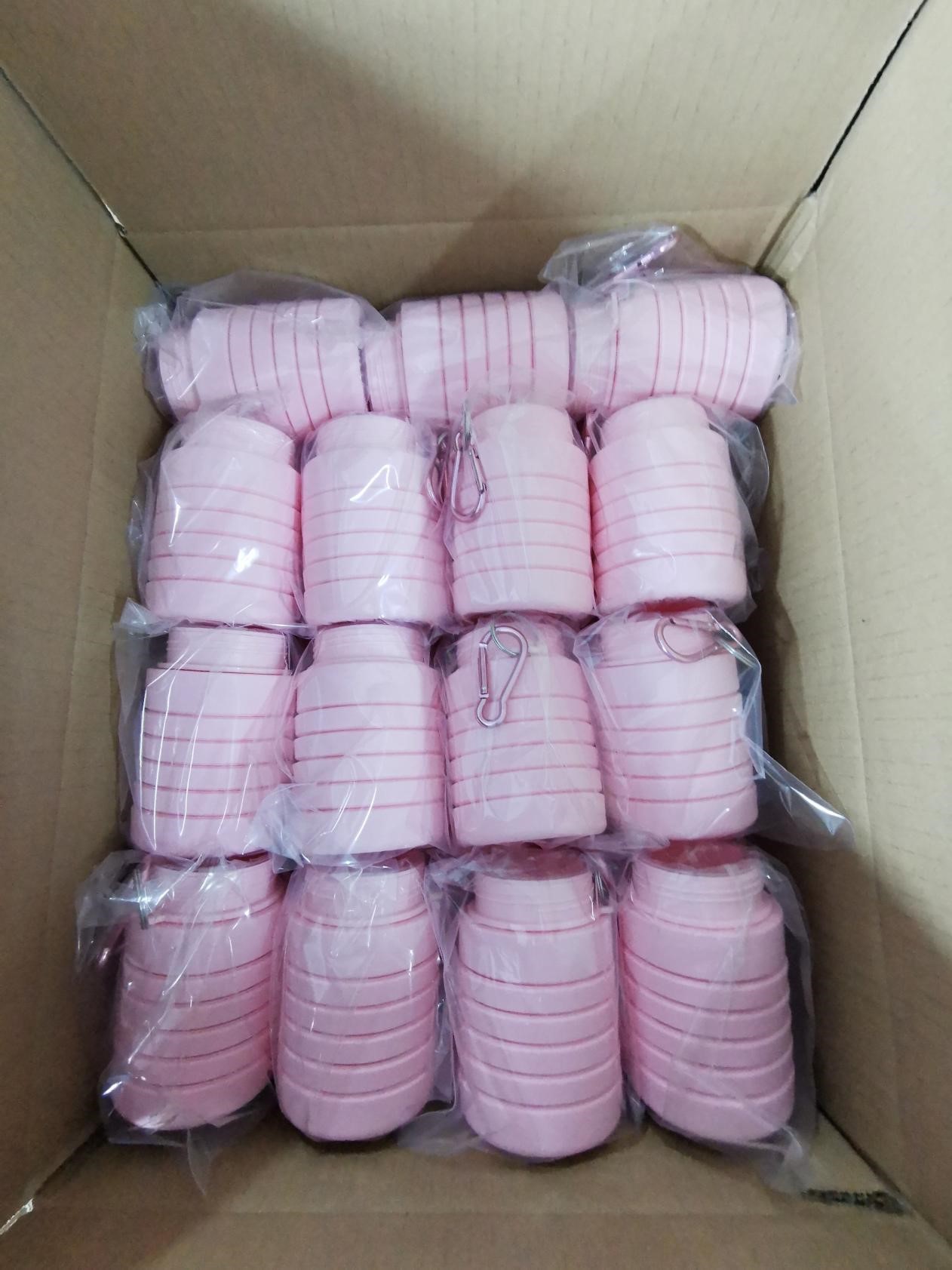
Silicone Bottles2

总结:硅胶奶瓶制造背后的专业知识

硅胶瓶生产是一个复杂的过程,需要精确度、专业知识和对质量的承诺。作为一家硅胶厂,我们为自己能够生产出符合批发客户严格标准的定制硅胶瓶而感到自豪。我们对定制、质量控制和高效生产的重视,使我们成为企业在市场上提供硅胶瓶的首选合作伙伴。如果您有定制硅胶瓶的需求,请选择我们,体验专业技术和敬业精神带来的与众不同。
相关职位

Silicone product
Silicone Baby Teether Toy Set
Introduction to Silicone Manufacturing Silicone manufacturing is a specialized industry that requires a deep understanding of material science, chemical engineering, and environmental management. As a leading silicone factory, we pride ourselves on our ability to create custom silicone products tailored to the unique needs of our wholesale clients. This article delves into the manufacturing process, health and safety considerations, and the management strategies that ensure the highest standards of quality and compliance. 1. The Manufacturing Process of Silicone 1.1 Overview of the Manufacturing Process The silicone manufacturing process involves the transformation of raw silicone materials into finished products through curing and vulcanization. Curing refers to the process where silicone compounds harden through the addition of heat or moisture, while vulcanization involves the use of catalysts to speed up the hardening process. Over the years, we have perfected these processes to ensure the production of durable and high-quality silicone products. Curing with Peroxides During the vulcanization process employing peroxides, peroxides are incorporated into the silicone compound, which triggers a reaction leading to material solidification. This approach is renowned for its dependability and its capability to attain broad hardness levels in the end products. It is applicable for general silicone rubber goods, like those used in wires and cables, and also for oil-resistant and solvent-resistant silicone rubbers. Vulcanization with Platinum Catalysts On the other hand, vulcanization using a platinum catalyst is a more specialized process that allows for exceptional control of the reaction and produces items with superior purity and performance. This method is particularly suited for manufacturing custom silicone products that require high precision and consistency. It is ideal for products where environmental protection and hygiene conditions are of higher concern, such as food-grade silicone products and medical devices. 1.2 Chemical Composition and Volatile Emissions The chemical composition of silicone materials includes base polymers, fillers, and additives. Additives play a crucial role in enhancing the properties of silicone products, such as flexibility, heat resistance, and UV stability. Curing agents and catalysts are essential for initiating and controlling the polymerization reactions that lead to the formation of the silicone product. 1.3 Common Volatiles in Silicone Manufacturing During the manufacturing process, various volatile organic compounds (VOCs) can be emitted, including methyl siloxanes and other siloxane oligomers. These emissions can have environmental and health implications, which is why our silicone factory has implemented stringent measures to minimize their release. 2. Health, Safety, and Environmental Impact 2.1 Health and Safety Risks in the Manufacturing Environment The health and safety of our workers is paramount. In the silicone manufacturing environment, exposure to uncured silicone, catalysts, and other chemicals can pose risks. Therefore, we have established safety measures and protocols that include the use of personal protective equipment (PPE) and regular health check-ups for our employees. 2.2 Impact of Volatiles on the Environment The release of volatiles into the environment can contribute to air pollution and have long-term effects on ecosystems. As a responsible silicone factory, we are committed to reducing our environmental footprint by adopting advanced technologies that minimize VOC emissions and by recycling waste materials whenever possible. 2.3 Regulatory Compliance and Standards Adherence to regulations is a cornerstone of our operations. Both national and international standards, such as those set by the European Union's REACH regulations and the United States' EPA guidelines, dictate the allowable levels of VOC emissions and the safety measures that must be in place. Our silicone factory is fully compliant with these standards, ensuring that our operations are both safe and environmentally responsible. 3. Management Strategies 3.1 Implementing Safety Measures and Protocols To safeguard our workers and the environment, we have implemented a range of safety measures and protocols. These include the use of closed-loop systems to capture and treat emissions, regular equipment maintenance to prevent leaks, and comprehensive training programs for our staff. 3.2 Advancements in Process and Material Technology Innovation is at the heart of our silicone manufacturing process. We continuously invest in research and development to improve our manufacturing processes and material technologies. This includes exploring new catalysts that reduce VOC emissions and developing silicone compounds with enhanced properties for applications like silicone lunch boxes and water bottles. 3.3 Regulatory Compliance and Environmental Management Our commitment to regulatory compliance extends beyond mere adherence to standards. We actively engage with regulatory bodies to ensure that our practices are not only compliant but also contribute to the development of more stringent environmental protections. Our environmental management system is certified to ISO 14001, demonstrating our dedication to sustainable practices. 4. Conclusion Silicone manufacturing is a complex process that requires a delicate balance between product quality, worker safety, and environmental responsibility. As a silicone factory specializing in custom silicone products, we are committed to maintaining the highest standards across all aspects of our operations. By investing in advanced technologies, adhering to strict safety protocols, and prioritizing environmental stewardship, we ensure that our silicone products meet the needs of our wholesale clients while also protecting the health of our workers and the planet.
Alibaba-online-business-activities
滚动至顶部

联系我们