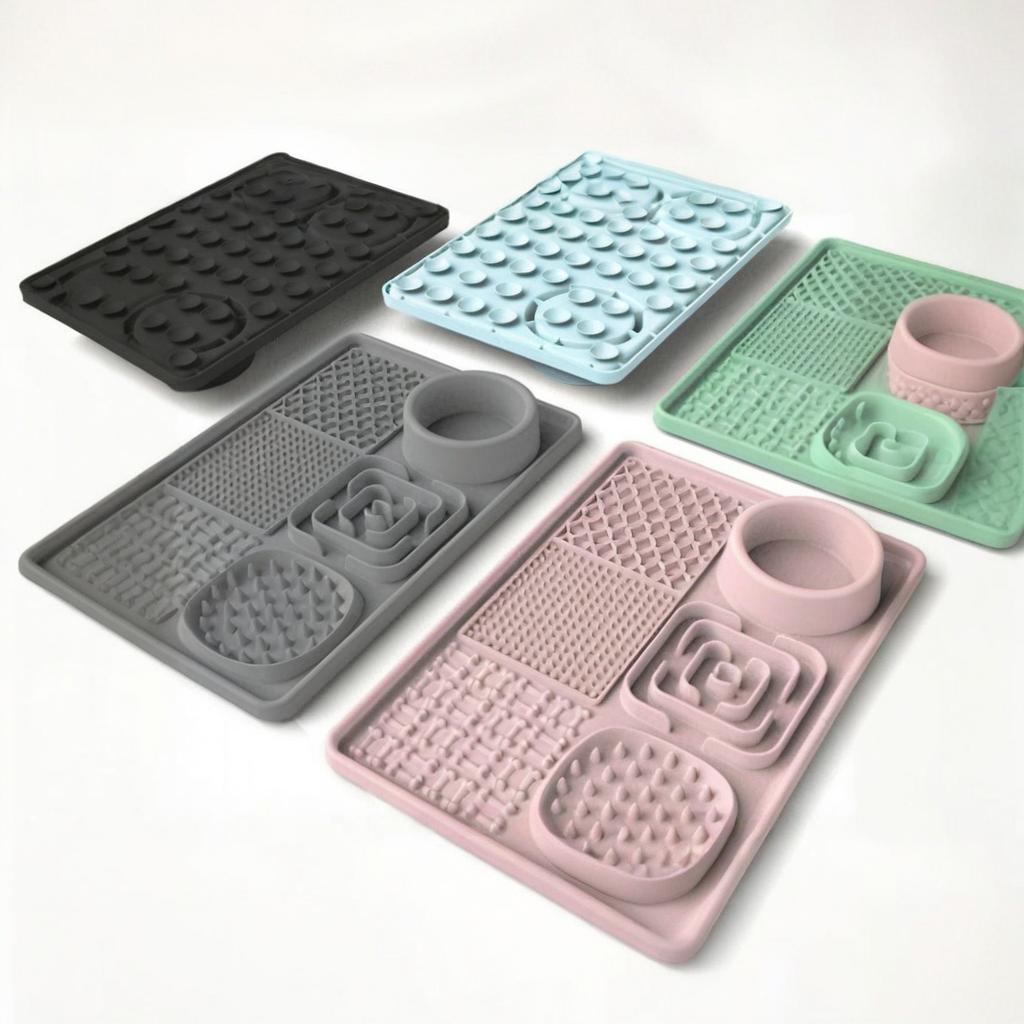
硅胶水瓶如何彻底改变你的饮水体验?

随着人们环保意识的增强和对健康生活方式的追求,硅胶水瓶作为一种新型的饮水容器,正在悄然改变着家庭和儿童的饮水习惯。硅胶水瓶凭借其独特的材料特性、设计灵活性和对可持续生活的贡献,不仅提升了人们的饮水体验,还成为许多地区家庭和儿童的理想伴侣。

环境保护的实践者

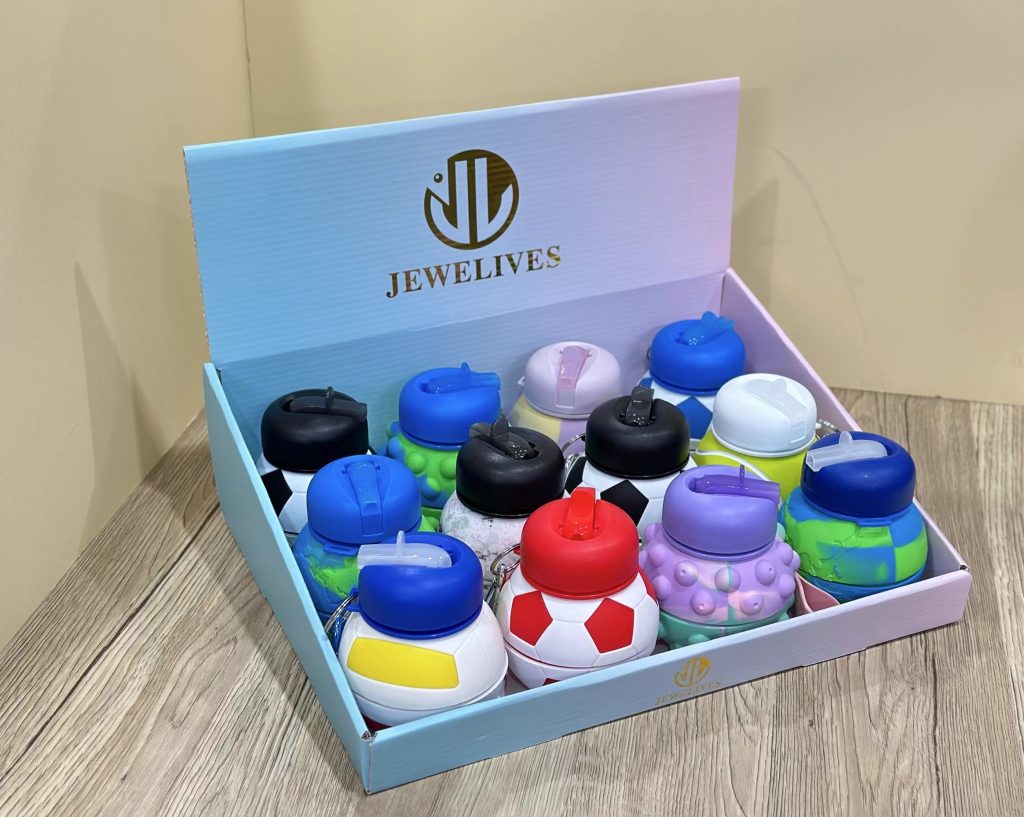
如今,环保已深入人心,日常生活用品的选择往往也体现了这一价值观。硅胶水瓶作为塑料瓶的环保替代品,其主要优点有

1、可重复使用:一次性塑料水瓶的大量消耗给环境造成严重负担。硅胶水瓶经久耐用,易于清洗,可以反复使用,大大减少了塑料垃圾。

2、材质无害:硅胶水壶采用食品级硅胶制成,不含双酚A等有害物质,确保饮水安全。同时,硅胶在自然环境中可降解,比塑料更环保。

3、轻巧易携带:硅胶水壶重量轻,大部分都是可折叠的,折叠后体积小,便于携带,无论是外出旅行、健身锻炼还是上学上班,都可以轻松放进包里,鼓励人们养成随身携带水杯的习惯,减少对外购瓶装水的依赖。
Silicone water bottle

家庭生活的亲密伙伴

在家庭生活中,硅胶水瓶扮演着多种角色,以适应不同场景的需要:

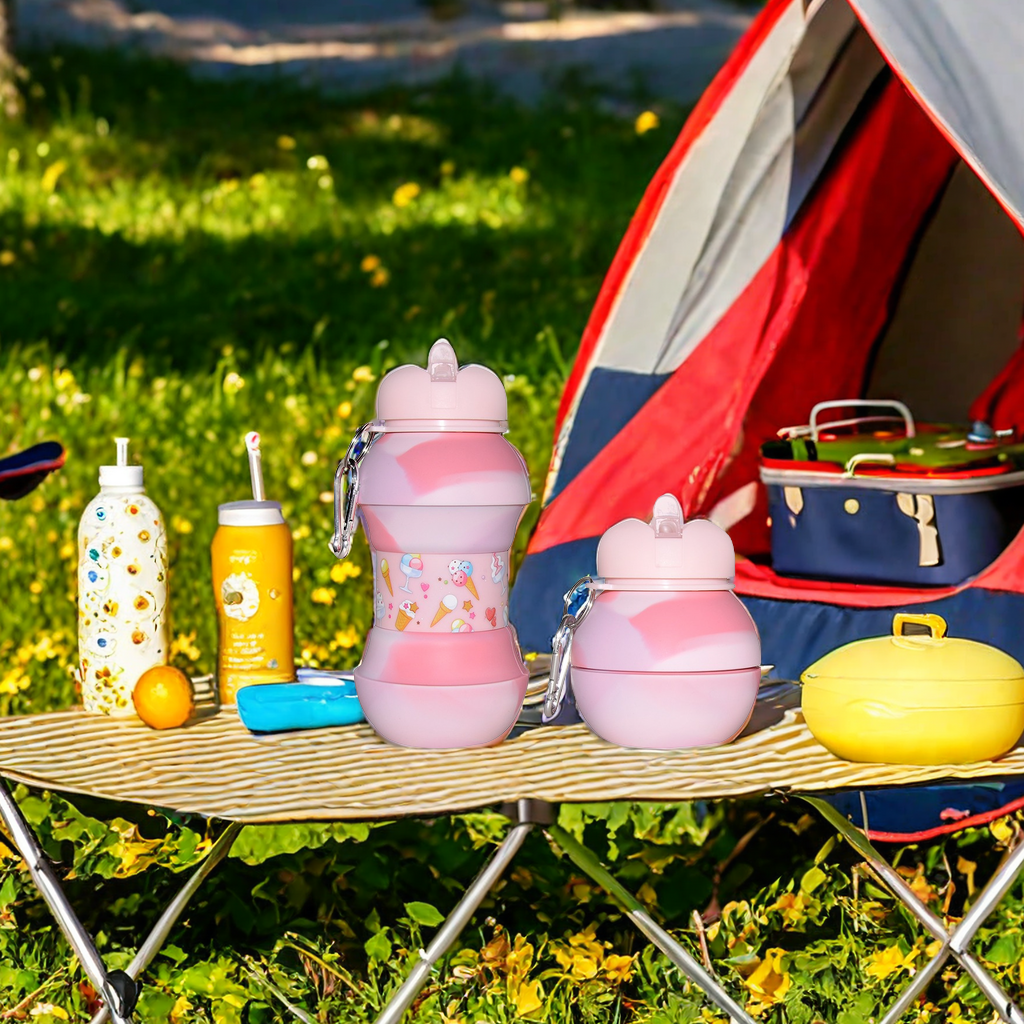
1、户外活动伴侣:无论是公园野餐、徒步旅行还是海滩度假,硅胶水壶以其出色的抗摔性和密封性,确保在各种户外活动中保持水源供给,避免液体泄漏带来的不便。
Silicone water bottle

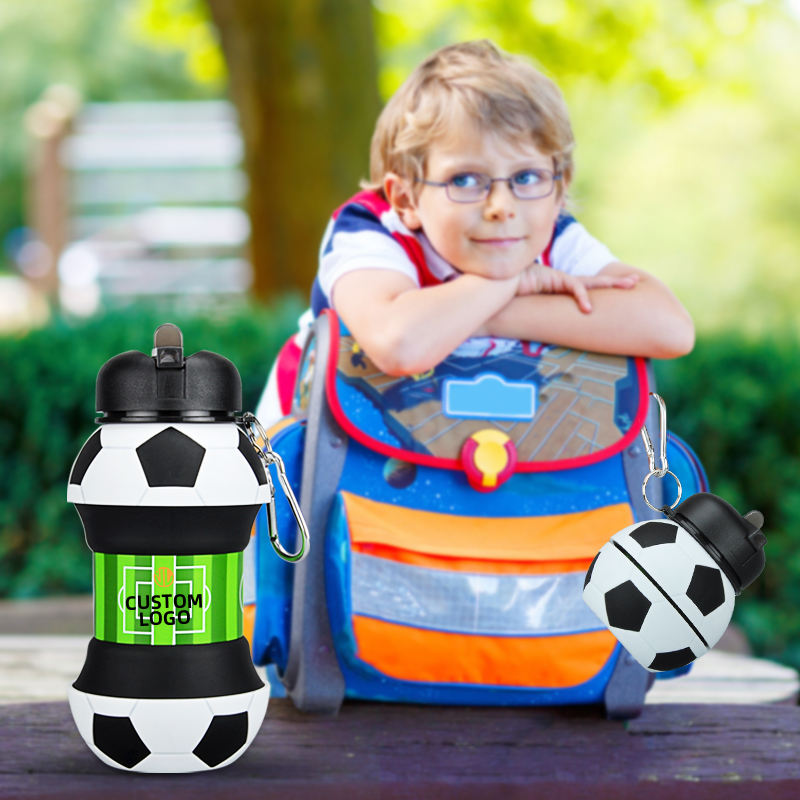
2、儿童专属饮水机:专为儿童设计的硅胶水壶通常色彩鲜艳、造型可爱,带有防漏吸嘴或鸭嘴盖,既符合儿童的审美喜好,又能防止溢出。有些产品还配有刻度,方便家长监督孩子每天的饮水量。

儿童教育和成长的助推器

在北美的幼儿园和北欧的托儿所,硅胶水瓶已成为孩子们的标配。除了环保特性和实用功能外,硅胶水瓶还在儿童教育和成长中发挥着重要作用:

1、培养环保意识:让孩子从小使用硅胶水瓶,帮助他们了解和实践减少塑料垃圾的重要性,培养良好的环保行为习惯。

促进健康饮水:硅胶水瓶的便携性鼓励孩子们随时补充水分,尤其是在学校或户外活动时,这有助于防止脱水和保持身体健康。
Silicone water bottle
  • 增强自理能力:硅胶水壶轻巧、易开易关的设计使儿童易于操作,有助于他们在日常生活中学会独立喝水,增强自理能力。


创新设计改善饮用体验

硅胶水瓶的创新设计进一步提升了用户的饮水体验:


1、人体工学设计:符合手握曲线的瓶身设计,使其握持舒适,不易滑落。
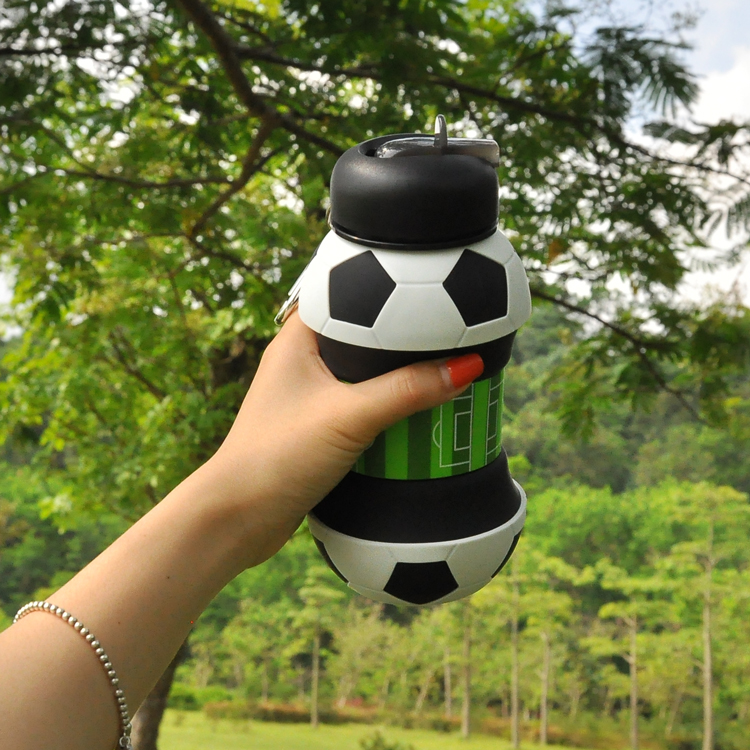
Silicone water bottle

2、防滑底座:有些硅胶水壶底部配有防滑硅胶垫,放置稳定,避免桌面滑动。


3、一键开/关:方便的一键开关设计,让喝水变得简单快捷,特别适合运动时单手操作。


4、可调节流量:有些儿童硅胶水壶配有可调节流量的喷嘴,可根据孩子的年龄和饮水习惯进行调节,避免呛水或饮水过快。


总之,硅胶水瓶凭借其环保属性、人性化设计和广泛的应用场景,成功地革新了家庭和儿童的饮水体验。它不仅是实现绿色生活的重要工具,也是陪伴孩子成长、提高生活质量的理想选择。随着人们对环保和健康的不断关注,硅胶水壶有望在更多家庭中得到普及,并继续引领饮水方式变革的潮流。
相关职位

Introduction to Silicone Manufacturing Silicone manufacturing is a specialized industry that requires a deep understanding of material science, chemical engineering, and environmental management. As a leading silicone factory, we pride ourselves on our ability to create custom silicone products tailored to the unique needs of our wholesale clients. This article delves into the manufacturing process, health and safety considerations, and the management strategies that ensure the highest standards of quality and compliance. 1. The Manufacturing Process of Silicone 1.1 Overview of the Manufacturing Process The silicone manufacturing process involves the transformation of raw silicone materials into finished products through curing and vulcanization. Curing refers to the process where silicone compounds harden through the addition of heat or moisture, while vulcanization involves the use of catalysts to speed up the hardening process. Over the years, we have perfected these processes to ensure the production of durable and high-quality silicone products. Curing with Peroxides During the vulcanization process employing peroxides, peroxides are incorporated into the silicone compound, which triggers a reaction leading to material solidification. This approach is renowned for its dependability and its capability to attain broad hardness levels in the end products. It is applicable for general silicone rubber goods, like those used in wires and cables, and also for oil-resistant and solvent-resistant silicone rubbers. Vulcanization with Platinum Catalysts On the other hand, vulcanization using a platinum catalyst is a more specialized process that allows for exceptional control of the reaction and produces items with superior purity and performance. This method is particularly suited for manufacturing custom silicone products that require high precision and consistency. It is ideal for products where environmental protection and hygiene conditions are of higher concern, such as food-grade silicone products and medical devices. 1.2 Chemical Composition and Volatile Emissions The chemical composition of silicone materials includes base polymers, fillers, and additives. Additives play a crucial role in enhancing the properties of silicone products, such as flexibility, heat resistance, and UV stability. Curing agents and catalysts are essential for initiating and controlling the polymerization reactions that lead to the formation of the silicone product. 1.3 Common Volatiles in Silicone Manufacturing During the manufacturing process, various volatile organic compounds (VOCs) can be emitted, including methyl siloxanes and other siloxane oligomers. These emissions can have environmental and health implications, which is why our silicone factory has implemented stringent measures to minimize their release. 2. Health, Safety, and Environmental Impact 2.1 Health and Safety Risks in the Manufacturing Environment The health and safety of our workers is paramount. In the silicone manufacturing environment, exposure to uncured silicone, catalysts, and other chemicals can pose risks. Therefore, we have established safety measures and protocols that include the use of personal protective equipment (PPE) and regular health check-ups for our employees. 2.2 Impact of Volatiles on the Environment The release of volatiles into the environment can contribute to air pollution and have long-term effects on ecosystems. As a responsible silicone factory, we are committed to reducing our environmental footprint by adopting advanced technologies that minimize VOC emissions and by recycling waste materials whenever possible. 2.3 Regulatory Compliance and Standards Adherence to regulations is a cornerstone of our operations. Both national and international standards, such as those set by the European Union's REACH regulations and the United States' EPA guidelines, dictate the allowable levels of VOC emissions and the safety measures that must be in place. Our silicone factory is fully compliant with these standards, ensuring that our operations are both safe and environmentally responsible. 3. Management Strategies 3.1 Implementing Safety Measures and Protocols To safeguard our workers and the environment, we have implemented a range of safety measures and protocols. These include the use of closed-loop systems to capture and treat emissions, regular equipment maintenance to prevent leaks, and comprehensive training programs for our staff. 3.2 Advancements in Process and Material Technology Innovation is at the heart of our silicone manufacturing process. We continuously invest in research and development to improve our manufacturing processes and material technologies. This includes exploring new catalysts that reduce VOC emissions and developing silicone compounds with enhanced properties for applications like silicone lunch boxes and water bottles. 3.3 Regulatory Compliance and Environmental Management Our commitment to regulatory compliance extends beyond mere adherence to standards. We actively engage with regulatory bodies to ensure that our practices are not only compliant but also contribute to the development of more stringent environmental protections. Our environmental management system is certified to ISO 14001, demonstrating our dedication to sustainable practices. 4. Conclusion Silicone manufacturing is a complex process that requires a delicate balance between product quality, worker safety, and environmental responsibility. As a silicone factory specializing in custom silicone products, we are committed to maintaining the highest standards across all aspects of our operations. By investing in advanced technologies, adhering to strict safety protocols, and prioritizing environmental stewardship, we ensure that our silicone products meet the needs of our wholesale clients while also protecting the health of our workers and the planet.
collapsible silicone water bottle
silicone rubber
Workshop
滚动至顶部

联系我们