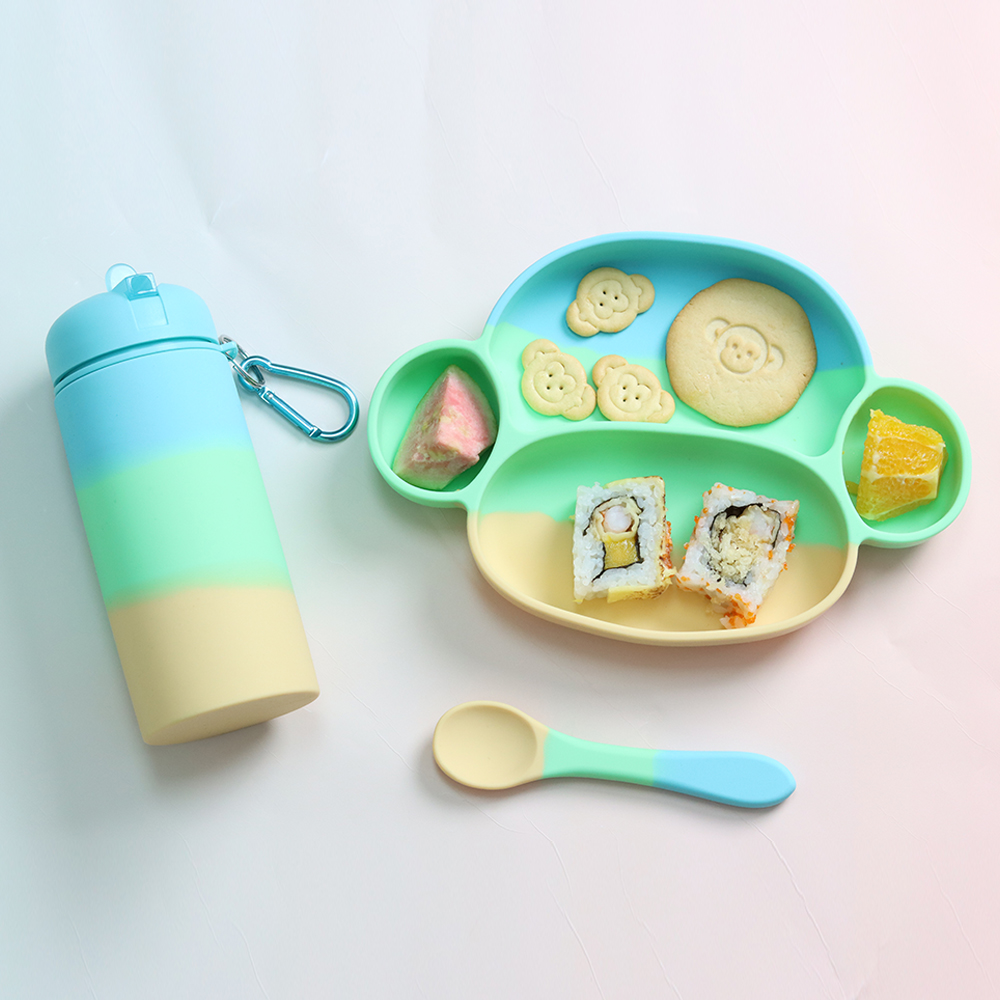
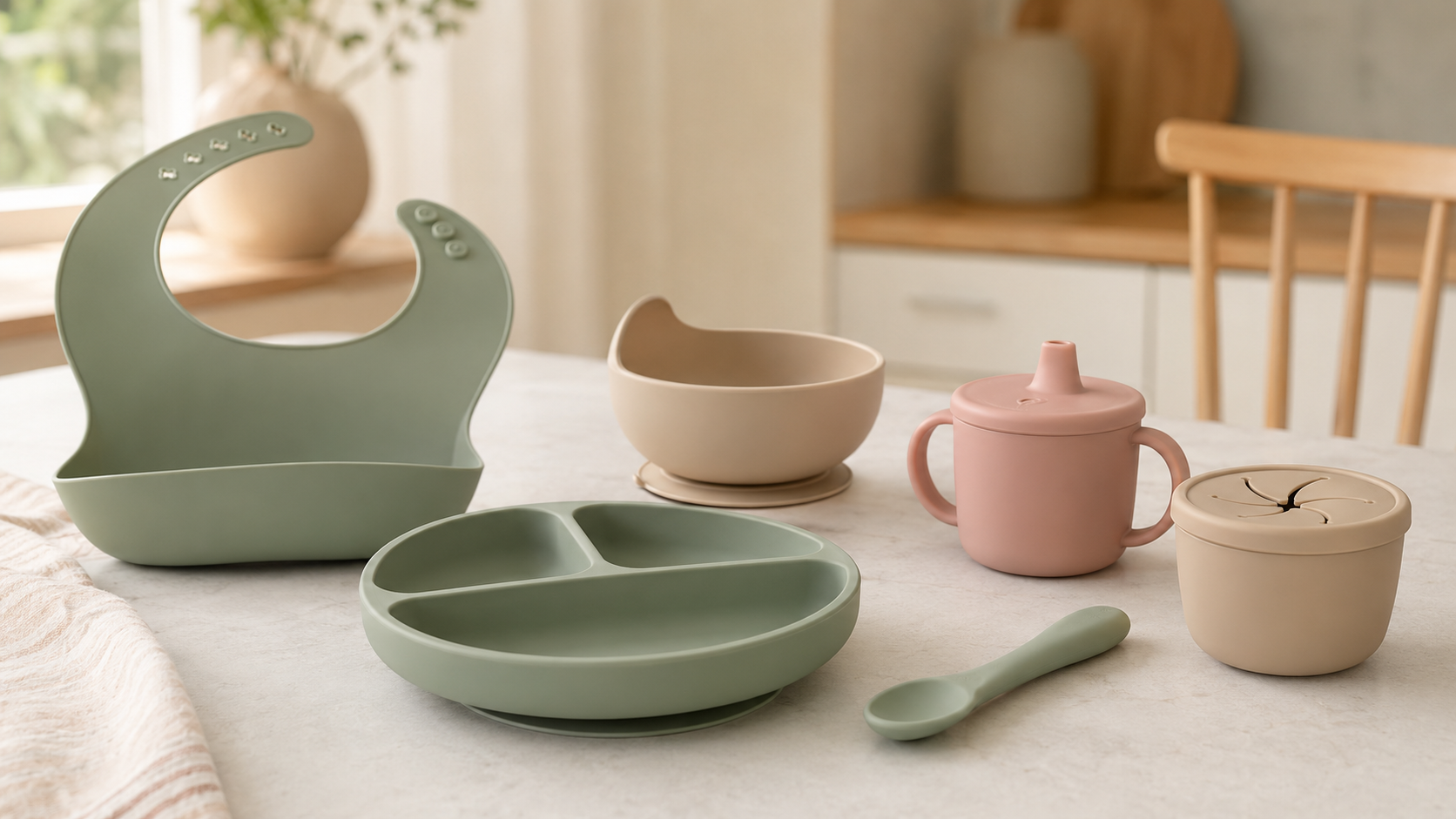
How to Clean Silicone Baby Toys Safely

How to Clean Silicone Baby Toys Properly: A Complete Guide for Parents

Silicone baby products such as teething toys, feeding accessories, and play mats are widely chosen by parents for their safety, durability, and flexibility. Food-grade silicone is non-toxic, BPA-free, and resistant to heat and cold, making it ideal for infant use.

However, even the safest materials require proper and regular cleaning. Babies frequently put toys and feeding items into their mouths, which makes hygiene essential. Whether it’s a silicone teether or a reusable silicone coloring mat, maintaining cleanliness helps protect your baby’s health and extends the product’s lifespan.


Why Proper Cleaning of Silicone Baby Products Matters

Protecting Infant Health and Safety

Babies have developing immune systems and tend to mouth everything they touch. Without regular cleaning, silicone baby items can harbor bacteria, food residue, or mold, increasing the risk of infections.

Extending the Lifespan of 硅胶产品

Routine cleaning helps prevent:

  • Odor buildup

  • Surface discoloration

  • Sticky residue

  • Premature wear

Well-maintained silicone products remain soft, flexible, and safe for long-term use.


How to Clean Silicone Baby Toys and Accessories

Daily Cleaning Routine

For everyday maintenance:

  • Wash silicone items with warm water and mild dish soap after each use

  • Rinse thoroughly to remove soap residue

  • Allow items to air dry completely before storage

This simple routine is sufficient for bottles, teethers, and feeding utensils used daily.


Deep Cleaning for Stains and Residue

When stains or odors appear:

  • Soak the silicone item in warm water mixed with baking soda for 20–30 minutes

  • Use a soft-bristled brush to gently scrub textured areas

  • Rinse thoroughly and air dry

Avoid abrasive pads or metal brushes, as they can damage the silicone surface.


Sterilization Methods for Silicone Baby Products

Boiling Water Sterilization

  • Submerge silicone items in boiling water for about 5 minutes

  • Remove carefully using clean tongs

  • Place on a clean towel to air dry

This method is effective for teethers, pacifiers, and feeding accessories.


Steam Sterilization

Many silicone baby bottles and pacifiers are compatible with steam sterilizers.

  • Follow the temperature and time instructions provided by the manufacturer

  • Ensure the product is labeled as steam-safe before use
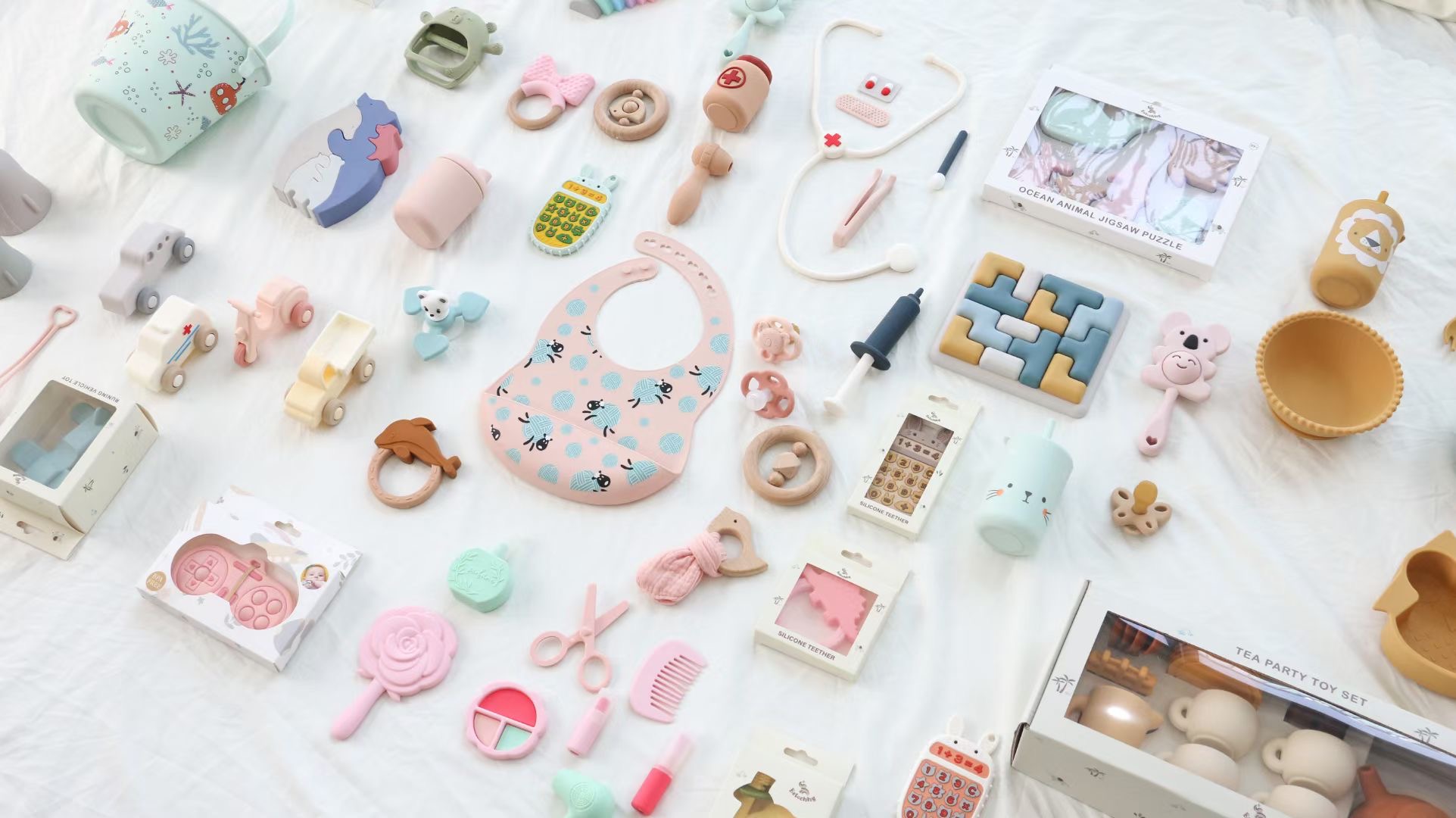
teether.
teether.

UV Sterilization

UV sterilizers offer a chemical-free option for disinfecting small silicone items.

This method is suitable for:


Cleaning Dos and Don’ts for Silicone Baby Products

Safe Cleaning Agents

  • Mild dish soap

  • Baking soda

  • Diluted white vinegar

What to Avoid

  • Bleach

  • Alcohol-based cleaners

  • Harsh chemical detergents

These substances may degrade silicone over time and affect safety.


Proper Storage and Maintenance Tips

Storage Best Practices

  • Store silicone baby products in a clean, dry place

  • Keep away from direct sunlight

  • Use breathable containers to prevent moisture buildup

Inspect Regularly for Wear

  • Check for cracks, tears, or changes in texture

  • Replace damaged items immediately to ensure baby safety


结论

Keeping silicone baby toys and feeding accessories clean is essential for both hygiene and durability. With simple daily washing, periodic deep cleaning, and proper sterilization, silicone products can remain safe, odor-free, and long-lasting. Proper care ensures that your baby enjoys a healthy and hygienic experience during playtime and meals.


Frequently Asked Questions (FAQ)

How often should silicone baby products be sanitized?

Feeding accessories should be sanitized at least once a week, while teething toys and frequently handled items are best sanitized two times per week.


Can silicone baby toys be cleaned in a dishwasher?

Most food-grade silicone baby products are dishwasher safe. Always check the manufacturer’s instructions to confirm temperature limits.


How do I remove stubborn stains from silicone baby items?

Soak the item in warm water mixed with baking soda for about 30 minutes, then gently scrub and rinse.


Do silicone baby products absorb odors?

Silicone may retain odors if not cleaned regularly. Soaking items in a diluted vinegar and water solution followed by washing can effectively remove smells.
相关职位

Custom Silicone Products
Introduction to Silicone Manufacturing Silicone manufacturing is a specialized industry that requires a deep understanding of material science, chemical engineering, and environmental management. As a leading silicone factory, we pride ourselves on our ability to create custom silicone products tailored to the unique needs of our wholesale clients. This article delves into the manufacturing process, health and safety considerations, and the management strategies that ensure the highest standards of quality and compliance. 1. The Manufacturing Process of Silicone 1.1 Overview of the Manufacturing Process The silicone manufacturing process involves the transformation of raw silicone materials into finished products through curing and vulcanization. Curing refers to the process where silicone compounds harden through the addition of heat or moisture, while vulcanization involves the use of catalysts to speed up the hardening process. Over the years, we have perfected these processes to ensure the production of durable and high-quality silicone products. Curing with Peroxides During the vulcanization process employing peroxides, peroxides are incorporated into the silicone compound, which triggers a reaction leading to material solidification. This approach is renowned for its dependability and its capability to attain broad hardness levels in the end products. It is applicable for general silicone rubber goods, like those used in wires and cables, and also for oil-resistant and solvent-resistant silicone rubbers. Vulcanization with Platinum Catalysts On the other hand, vulcanization using a platinum catalyst is a more specialized process that allows for exceptional control of the reaction and produces items with superior purity and performance. This method is particularly suited for manufacturing custom silicone products that require high precision and consistency. It is ideal for products where environmental protection and hygiene conditions are of higher concern, such as food-grade silicone products and medical devices. 1.2 Chemical Composition and Volatile Emissions The chemical composition of silicone materials includes base polymers, fillers, and additives. Additives play a crucial role in enhancing the properties of silicone products, such as flexibility, heat resistance, and UV stability. Curing agents and catalysts are essential for initiating and controlling the polymerization reactions that lead to the formation of the silicone product. 1.3 Common Volatiles in Silicone Manufacturing During the manufacturing process, various volatile organic compounds (VOCs) can be emitted, including methyl siloxanes and other siloxane oligomers. These emissions can have environmental and health implications, which is why our silicone factory has implemented stringent measures to minimize their release. 2. Health, Safety, and Environmental Impact 2.1 Health and Safety Risks in the Manufacturing Environment The health and safety of our workers is paramount. In the silicone manufacturing environment, exposure to uncured silicone, catalysts, and other chemicals can pose risks. Therefore, we have established safety measures and protocols that include the use of personal protective equipment (PPE) and regular health check-ups for our employees. 2.2 Impact of Volatiles on the Environment The release of volatiles into the environment can contribute to air pollution and have long-term effects on ecosystems. As a responsible silicone factory, we are committed to reducing our environmental footprint by adopting advanced technologies that minimize VOC emissions and by recycling waste materials whenever possible. 2.3 Regulatory Compliance and Standards Adherence to regulations is a cornerstone of our operations. Both national and international standards, such as those set by the European Union's REACH regulations and the United States' EPA guidelines, dictate the allowable levels of VOC emissions and the safety measures that must be in place. Our silicone factory is fully compliant with these standards, ensuring that our operations are both safe and environmentally responsible. 3. Management Strategies 3.1 Implementing Safety Measures and Protocols To safeguard our workers and the environment, we have implemented a range of safety measures and protocols. These include the use of closed-loop systems to capture and treat emissions, regular equipment maintenance to prevent leaks, and comprehensive training programs for our staff. 3.2 Advancements in Process and Material Technology Innovation is at the heart of our silicone manufacturing process. We continuously invest in research and development to improve our manufacturing processes and material technologies. This includes exploring new catalysts that reduce VOC emissions and developing silicone compounds with enhanced properties for applications like silicone lunch boxes and water bottles. 3.3 Regulatory Compliance and Environmental Management Our commitment to regulatory compliance extends beyond mere adherence to standards. We actively engage with regulatory bodies to ensure that our practices are not only compliant but also contribute to the development of more stringent environmental protections. Our environmental management system is certified to ISO 14001, demonstrating our dedication to sustainable practices. 4. Conclusion Silicone manufacturing is a complex process that requires a delicate balance between product quality, worker safety, and environmental responsibility. As a silicone factory specializing in custom silicone products, we are committed to maintaining the highest standards across all aspects of our operations. By investing in advanced technologies, adhering to strict safety protocols, and prioritizing environmental stewardship, we ensure that our silicone products meet the needs of our wholesale clients while also protecting the health of our workers and the planet.
Cute Carton Shape Baby Feeding Set
Silicone Kids Plate
滚动至顶部

联系我们