如何正确清洁硅胶牙胶?

As parents, one of the most crucial aspects of caring for a baby is ensuring that all their essentials are clean and safe. From bottles and pacifiers to teethers, these items come into direct contact with a baby’s mouth, making it vital to maintain high standards of hygiene. Among these, the silicone teether stands out as an indispensable tool during the teething phase, providing comfort and relief to little ones. However, knowing how to properly clean and sanitize a silicone teether can be a bit of a mystery for many. In this article, we will explore the best practices for keeping your baby’s silicone teether in pristine condition, ensuring it remains a safe and comforting companion.

What is a Teething Pacifier?

A teething pacifier, often referred to as a teether, is an essential item designed to provide relief to babies during the uncomfortable phase of teething. These items are typically made from materials that are safe for infants to chew on, such as rubber, plastic, or silicone. A silicone teether, in particular, has become increasingly popular due to its non-toxic nature, durability, and ease of maintenance.

Types of Silicone Teethers Available

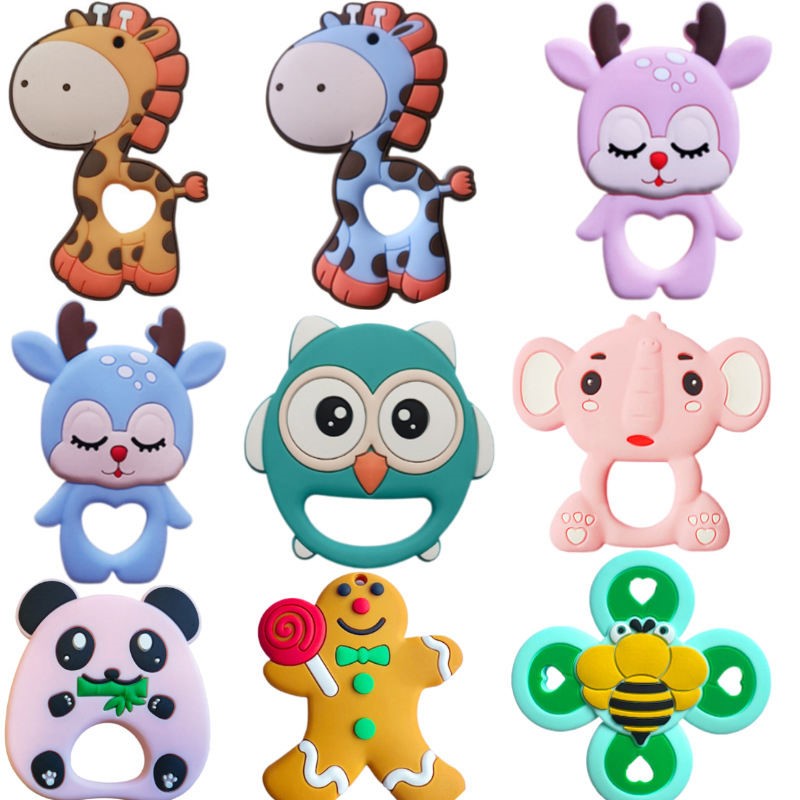
Silicone teethers come in a variety of designs, shapes, and sizes, each suitable for different teething stages and personal preferences. Some common types include textured rings, animal shapes, glove shapes, car shapes, and even custom silicone teethers that can be personalized. As a silicone factory, we offer unique and attractive options to our customers.
Silicone Teether

Can You Put a Silicone Teether in the Microwave?

It is generally not recommended to put a silicone teether in the microwave. Although the conventional temperature resistance of silicone is between 220-240 degrees Celsius, it is not a problem to enter the microwave oven, but microwave heating may cause uneven heating, which may damage the structure of the teether. In addition, if there are certain parts, such as handles or accessories, they may not be suitable for microwave use. To better maintain and extend the life of the product, it is best to use other cleaning and disinfection methods.

How Long Should You Boil a Silicone Teether to Sanitize It?

Boiling is one of the most effective ways to sanitize a silicone teether. To do this, place the teether in a pot of water, ensuring it is fully submerged. Bring the water to a rolling boil and let it boil for about 3-5 minutes. This process will kill most bacteria and germs. After boiling, remove the teether with tongs, allow it to cool down, and then dry it thoroughly before giving it back to the baby.

Is It Safe to Use a Sterilizer for Newborn Teethers?

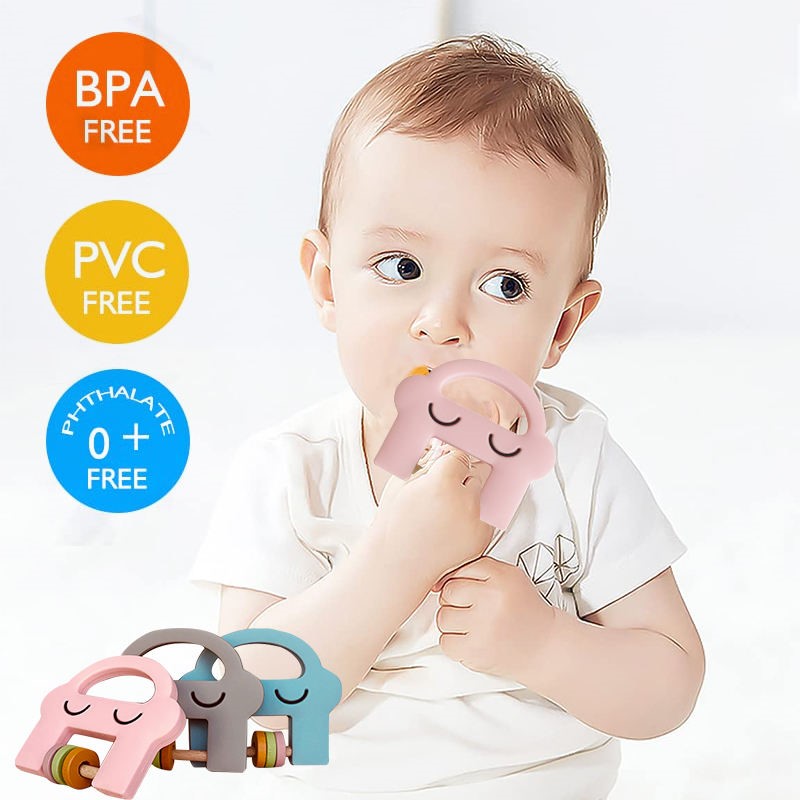
Yes, using a sterilizer is a safe and convenient method for cleaning newborn teethers. Many parents prefer this option because it’s quick and efficient. Just adhere to the instructions provided by the manufacturer for your specific model. Most sterilizers will have a cycle that includes steam sterilization, which effectively eliminates harmful pathogens without the need for harsh chemicals. This is especially useful for those who want to maintain a high level of hygiene with minimal effort.
Silicone Teether

When Do Babies Need a Silicone Teether?

Babies usually start teething around 6 months of age, although this can vary. During this time, they may show signs of discomfort, such as increased drooling, irritability, and a desire to chew on objects. Introducing a silicone teether at this stage can help soothe their gums and provide a safe outlet for their natural chewing instincts. It’s important to choose a teether that is easy for them to hold and manipulate, ensuring it is also free from small parts that could pose a choking hazard.

Silicone Teether

When it comes to wholesale supplies, selecting the right manufacturer is crucial. At JEWELIVES, we specialize in providing high-quality, customizable silicone teethers that meet all safety standards. Our commitment to excellence and customer satisfaction makes us the ideal partner for businesses looking to offer top-tier products. 联系我们 today to explore our range and discover how we can support your business with premium, safe, and attractive silicone teethers.
相关职位

Folding Water Bottle
Introduction to Silicone Manufacturing Silicone manufacturing is a specialized industry that requires a deep understanding of material science, chemical engineering, and environmental management. As a leading silicone factory, we pride ourselves on our ability to create custom silicone products tailored to the unique needs of our wholesale clients. This article delves into the manufacturing process, health and safety considerations, and the management strategies that ensure the highest standards of quality and compliance. 1. The Manufacturing Process of Silicone 1.1 Overview of the Manufacturing Process The silicone manufacturing process involves the transformation of raw silicone materials into finished products through curing and vulcanization. Curing refers to the process where silicone compounds harden through the addition of heat or moisture, while vulcanization involves the use of catalysts to speed up the hardening process. Over the years, we have perfected these processes to ensure the production of durable and high-quality silicone products. Curing with Peroxides During the vulcanization process employing peroxides, peroxides are incorporated into the silicone compound, which triggers a reaction leading to material solidification. This approach is renowned for its dependability and its capability to attain broad hardness levels in the end products. It is applicable for general silicone rubber goods, like those used in wires and cables, and also for oil-resistant and solvent-resistant silicone rubbers. Vulcanization with Platinum Catalysts On the other hand, vulcanization using a platinum catalyst is a more specialized process that allows for exceptional control of the reaction and produces items with superior purity and performance. This method is particularly suited for manufacturing custom silicone products that require high precision and consistency. It is ideal for products where environmental protection and hygiene conditions are of higher concern, such as food-grade silicone products and medical devices. 1.2 Chemical Composition and Volatile Emissions The chemical composition of silicone materials includes base polymers, fillers, and additives. Additives play a crucial role in enhancing the properties of silicone products, such as flexibility, heat resistance, and UV stability. Curing agents and catalysts are essential for initiating and controlling the polymerization reactions that lead to the formation of the silicone product. 1.3 Common Volatiles in Silicone Manufacturing During the manufacturing process, various volatile organic compounds (VOCs) can be emitted, including methyl siloxanes and other siloxane oligomers. These emissions can have environmental and health implications, which is why our silicone factory has implemented stringent measures to minimize their release. 2. Health, Safety, and Environmental Impact 2.1 Health and Safety Risks in the Manufacturing Environment The health and safety of our workers is paramount. In the silicone manufacturing environment, exposure to uncured silicone, catalysts, and other chemicals can pose risks. Therefore, we have established safety measures and protocols that include the use of personal protective equipment (PPE) and regular health check-ups for our employees. 2.2 Impact of Volatiles on the Environment The release of volatiles into the environment can contribute to air pollution and have long-term effects on ecosystems. As a responsible silicone factory, we are committed to reducing our environmental footprint by adopting advanced technologies that minimize VOC emissions and by recycling waste materials whenever possible. 2.3 Regulatory Compliance and Standards Adherence to regulations is a cornerstone of our operations. Both national and international standards, such as those set by the European Union's REACH regulations and the United States' EPA guidelines, dictate the allowable levels of VOC emissions and the safety measures that must be in place. Our silicone factory is fully compliant with these standards, ensuring that our operations are both safe and environmentally responsible. 3. Management Strategies 3.1 Implementing Safety Measures and Protocols To safeguard our workers and the environment, we have implemented a range of safety measures and protocols. These include the use of closed-loop systems to capture and treat emissions, regular equipment maintenance to prevent leaks, and comprehensive training programs for our staff. 3.2 Advancements in Process and Material Technology Innovation is at the heart of our silicone manufacturing process. We continuously invest in research and development to improve our manufacturing processes and material technologies. This includes exploring new catalysts that reduce VOC emissions and developing silicone compounds with enhanced properties for applications like silicone lunch boxes and water bottles. 3.3 Regulatory Compliance and Environmental Management Our commitment to regulatory compliance extends beyond mere adherence to standards. We actively engage with regulatory bodies to ensure that our practices are not only compliant but also contribute to the development of more stringent environmental protections. Our environmental management system is certified to ISO 14001, demonstrating our dedication to sustainable practices. 4. Conclusion Silicone manufacturing is a complex process that requires a delicate balance between product quality, worker safety, and environmental responsibility. As a silicone factory specializing in custom silicone products, we are committed to maintaining the highest standards across all aspects of our operations. By investing in advanced technologies, adhering to strict safety protocols, and prioritizing environmental stewardship, we ensure that our silicone products meet the needs of our wholesale clients while also protecting the health of our workers and the planet.
Lantern Festival
滚动至顶部

联系我们