How to Put Logo or Patterns on Silicone Cases?

How to Put Logo or Patterns on Silicone Cases?

Silicone cases are one of the most popular protective accessories for smartphones and portable electronics. Their soft-touch feel, durability, and customizable design make them ideal for daily protection and brand promotion. From iPhone silicone cases to smartwatch and tablet covers, silicone shells have become essential personal and promotional items.


What Are Silicone Cases and What Are They Used For?

Silicone cases are made from soft, flexible silicone rubber that fits closely around a device to prevent scratches, bumps, and accidental drops. High-quality silicone cases are made from food-grade, non-toxic silicone that is BPA-free, PVC-free, latex-free, and safe even for sensitive skin.

These cases provide a sleek texture and comfortable grip, making them ideal for smartphones, earbuds, tablets, and consumer electronics.


Core Benefits of Silicone Cases

Benefit说明
Water-resistant & shock-absorbentProtects devices from drops and splashes
Improved gripSoft-touch finish reduces slipping
Durable & long-lastingResistant to wear, tear, and deformation
Dust-proof & dirt-proofPrevents debris from entering device edges
Slim & lightweightAdds protection without bulk
Affordable customizationA cost-effective option for branding & gifting

Because silicone is flexible and impact-absorbing, it provides 360° full-body protection—especially around corners, screen edges, and camera bumps.


Why Add Logos or Patterns to Silicone Cases?

For businesses, brands, and retailers, silicone phone cases are not just protection—they are marketing tools. Adding a logo or custom graphic turns a standard accessory into a branded product.

Boost brand visibility
Create premium promotional gifts
Increase resale value
Support OEM/ODM customization
Strengthen customer loyalty
Ideal for corporate gifts, events, resellers, and e-commerce brands

Whether used for giveaways, brand merchandise, retail, or influencer collaborations, custom silicone cases are cost-effective and high-impact.
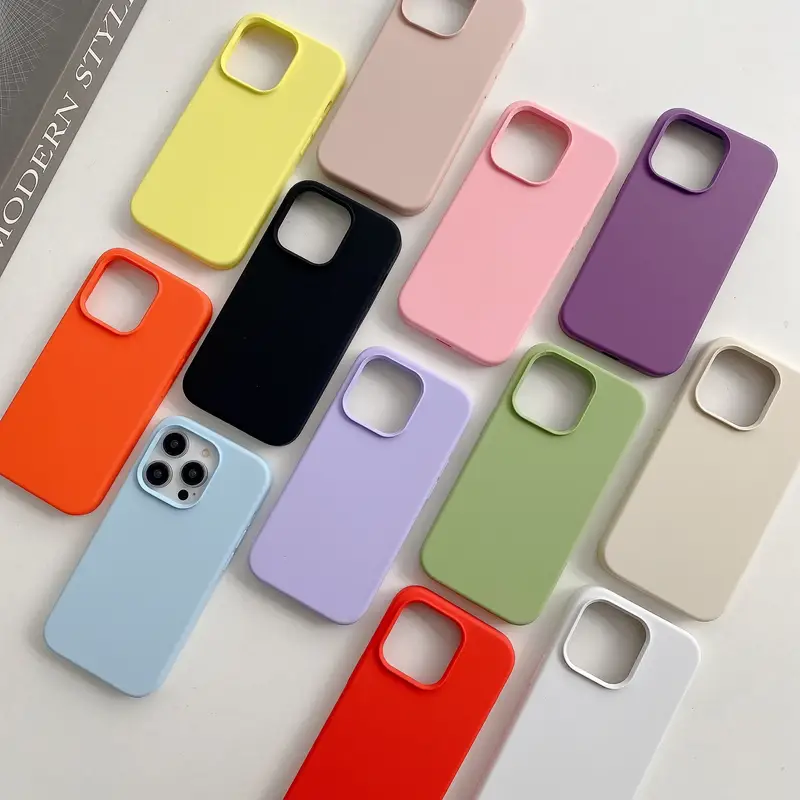
Phone Case For Ihone 16 (1)

How to Add Logos or Patterns to Silicone Cases (Manufacturing Methods)

Silicone can be customized through multiple printing and molding techniques. Below are the most commonly used professional methods:


1. CNC Mold Engraving (Embossed / Debossed Logo)

During tooling production, the logo is engraved directly into the mold.
🔹 Embossed: logo is raised on the surface
🔹 Debossed: logo is recessed into the silicone

优势

  • Permanent, cannot be removed or faded

  • Excellent tactile feel

  • Ideal for luxury branding

  • No extra printing cost on each unit

  • Suitable for mass production

Best for: premium brands, phone cases for retail, high-durability products


2. Epoxy Dripping Logo

The epoxy dripping process creates colorful raised graphics without traditional printing.
Multi-color
High gloss
3D appearance
Durable and scratch-resistant

Best for: fun, decorative, multi-color patterns


3. Laser Engraving

Laser removes a thin layer of silicone, creating a clean, permanent mark.
Wear-proof and waterproof
High precision detail
Never peels or fades

Best for: logos, QR codes, serial numbers, minimalist design


4. Screen Printing

Ink is pressed through a mesh stencil onto the silicone surface.

Cost-effective
Ideal for simple shapes or small designs
Works on flat surfaces

Best for: logos with solid colors and basic graphics


5. Heat Transfer Printing

A printed film transfers the design to the silicone case using heat and pressure.

Allows multi-color, gradient, and photo-style images
Bright and high-resolution
Water-resistant and durable

Best for: fashion cases, custom artwork, vibrant graphics


6. Water Transfer Printing

Used for complex surface graphics and full-wrap designs.

Can apply patterns to curved surfaces
Realistic textures (wood grain, carbon fiber, marble, camouflage)
Ideal for large production runs

Best for: special-effect designs, outdoor camo, premium texture looks


7. In-Mold Decoration (IMD / IML)

Graphics are printed on a special film that bonds permanently during molding.

Ultra-durable
Scratch-resistant
Does not peel or fade
Allows high-resolution color

Best for: high-end retail cases and long-lasting graphics


结论

Customizing silicone cases with logos or patterns is one of the most effective ways to enhance product value, strengthen branding, and attract customers. With multiple printing and molding options—such as laser engraving, epoxy dripping, heat transfer printing, and CNC engraving—brands can achieve durable, stylish, and unique visual results.

Whether you are a retailer, distributor, promotional supplier, or startup brand, customized silicone phone cases offer affordable production, strong market demand, and excellent branding potential.


FAQ: How to Put Logo or Patterns on Silicone Cases?

1. What is the most durable way to add a logo to a silicone case?
CNC engraved embossed/debossed logos and laser engraving are the most durable—they never fade or peel.

2. Can full-color artwork be added to silicone cases?
Yes. Heat transfer printing and water transfer printing allow multi-color, gradient, or photo-style designs.

3. Is printing costly for small orders?
Simple screen printing is cost-friendly for small batches, while CNC engraving is better for large mass production.

4. Can logos be added to curved or textured silicone cases?
Yes. Water transfer printing and pad printing can be applied to curved surfaces.

5. Which method is best for luxury branding?
Embossed, debossed, and laser engraving provide premium visual and tactile effects.
相关职位

Liquid Silicone Phone Case
Introduction to Silicone Manufacturing Silicone manufacturing is a specialized industry that requires a deep understanding of material science, chemical engineering, and environmental management. As a leading silicone factory, we pride ourselves on our ability to create custom silicone products tailored to the unique needs of our wholesale clients. This article delves into the manufacturing process, health and safety considerations, and the management strategies that ensure the highest standards of quality and compliance. 1. The Manufacturing Process of Silicone 1.1 Overview of the Manufacturing Process The silicone manufacturing process involves the transformation of raw silicone materials into finished products through curing and vulcanization. Curing refers to the process where silicone compounds harden through the addition of heat or moisture, while vulcanization involves the use of catalysts to speed up the hardening process. Over the years, we have perfected these processes to ensure the production of durable and high-quality silicone products. Curing with Peroxides During the vulcanization process employing peroxides, peroxides are incorporated into the silicone compound, which triggers a reaction leading to material solidification. This approach is renowned for its dependability and its capability to attain broad hardness levels in the end products. It is applicable for general silicone rubber goods, like those used in wires and cables, and also for oil-resistant and solvent-resistant silicone rubbers. Vulcanization with Platinum Catalysts On the other hand, vulcanization using a platinum catalyst is a more specialized process that allows for exceptional control of the reaction and produces items with superior purity and performance. This method is particularly suited for manufacturing custom silicone products that require high precision and consistency. It is ideal for products where environmental protection and hygiene conditions are of higher concern, such as food-grade silicone products and medical devices. 1.2 Chemical Composition and Volatile Emissions The chemical composition of silicone materials includes base polymers, fillers, and additives. Additives play a crucial role in enhancing the properties of silicone products, such as flexibility, heat resistance, and UV stability. Curing agents and catalysts are essential for initiating and controlling the polymerization reactions that lead to the formation of the silicone product. 1.3 Common Volatiles in Silicone Manufacturing During the manufacturing process, various volatile organic compounds (VOCs) can be emitted, including methyl siloxanes and other siloxane oligomers. These emissions can have environmental and health implications, which is why our silicone factory has implemented stringent measures to minimize their release. 2. Health, Safety, and Environmental Impact 2.1 Health and Safety Risks in the Manufacturing Environment The health and safety of our workers is paramount. In the silicone manufacturing environment, exposure to uncured silicone, catalysts, and other chemicals can pose risks. Therefore, we have established safety measures and protocols that include the use of personal protective equipment (PPE) and regular health check-ups for our employees. 2.2 Impact of Volatiles on the Environment The release of volatiles into the environment can contribute to air pollution and have long-term effects on ecosystems. As a responsible silicone factory, we are committed to reducing our environmental footprint by adopting advanced technologies that minimize VOC emissions and by recycling waste materials whenever possible. 2.3 Regulatory Compliance and Standards Adherence to regulations is a cornerstone of our operations. Both national and international standards, such as those set by the European Union's REACH regulations and the United States' EPA guidelines, dictate the allowable levels of VOC emissions and the safety measures that must be in place. Our silicone factory is fully compliant with these standards, ensuring that our operations are both safe and environmentally responsible. 3. Management Strategies 3.1 Implementing Safety Measures and Protocols To safeguard our workers and the environment, we have implemented a range of safety measures and protocols. These include the use of closed-loop systems to capture and treat emissions, regular equipment maintenance to prevent leaks, and comprehensive training programs for our staff. 3.2 Advancements in Process and Material Technology Innovation is at the heart of our silicone manufacturing process. We continuously invest in research and development to improve our manufacturing processes and material technologies. This includes exploring new catalysts that reduce VOC emissions and developing silicone compounds with enhanced properties for applications like silicone lunch boxes and water bottles. 3.3 Regulatory Compliance and Environmental Management Our commitment to regulatory compliance extends beyond mere adherence to standards. We actively engage with regulatory bodies to ensure that our practices are not only compliant but also contribute to the development of more stringent environmental protections. Our environmental management system is certified to ISO 14001, demonstrating our dedication to sustainable practices. 4. Conclusion Silicone manufacturing is a complex process that requires a delicate balance between product quality, worker safety, and environmental responsibility. As a silicone factory specializing in custom silicone products, we are committed to maintaining the highest standards across all aspects of our operations. By investing in advanced technologies, adhering to strict safety protocols, and prioritizing environmental stewardship, we ensure that our silicone products meet the needs of our wholesale clients while also protecting the health of our workers and the planet.
Silicone Materials
Silicone Cake Molds
滚动至顶部

联系我们