Chinese
  English
  French
  German
  Spanish
  Russian
  Polish
  Japanese
  Korean
目录
Silicone vs TPU: Material Differences, Performance, and Best Use Scenarios
导言
硅胶 and TPU (thermoplastic polyurethane) are two of the most commonly used elastic materials in consumer electronics, baby products, medical devices, and industrial components. Although both offer flexibility and durability, their material structures, performance limits, and application suitability are significantly different. Understanding these differences is essential for product designers, OEM buyers, and brand owners.
What Is Silicone Material?
Silicone is a polymer-based elastomer primarily composed of polydimethylsiloxane with a silicon-oxygen backbone. This structure gives silicone exceptional thermal stability and resistance to environmental aging. Unlike many organic polymers, silicone maintains flexibility and performance under extreme heat, UV exposure, ozone, and radiation.
Key characteristics of silicone include:
Wide temperature resistance from -60°C to 230°C
Excellent chemical and weather resistance
Soft, smooth, and skin-friendly surface
Non-toxic, odorless, and suitable for FDA and LFGB standards
Because of these properties, silicone is widely used in medical devices, kitchenware, baby products, seals, and high-temperature environments.
What Is TPU Material?
TPU is a segmented thermoplastic elastomer composed of soft and hard molecular segments. It combines rubber-like elasticity with plastic-like processability. TPU materials offer a broad hardness range, typically from Shore A 60 to Shore D 80, allowing engineers to adjust flexibility and strength based on application needs.
Main advantages of TPU include:
High abrasion and wear resistance
Excellent mechanical strength and tear resistance
Oil and impact resistance
Easy processing by injection molding and extrusion
TPU is commonly used in mobile phone cases, footwear soles, sports equipment, automotive parts, and protective components.
Silicone vs TPU: Performance Comparison
| Property | 硅胶 | TPU |
|---|---|---|
| 耐温性 | -60°C to 230°C | Limited high-temperature resistance |
| Wear Resistance | Moderate | Excellent |
| Chemical Stability | Very High | Good |
| Skin Comfort | Excellent | Moderate |
| UV & Weather Resistance | Excellent | Moderate |
| Cost Sensitivity | Higher | More cost-efficient |
Application-Based Material Selection
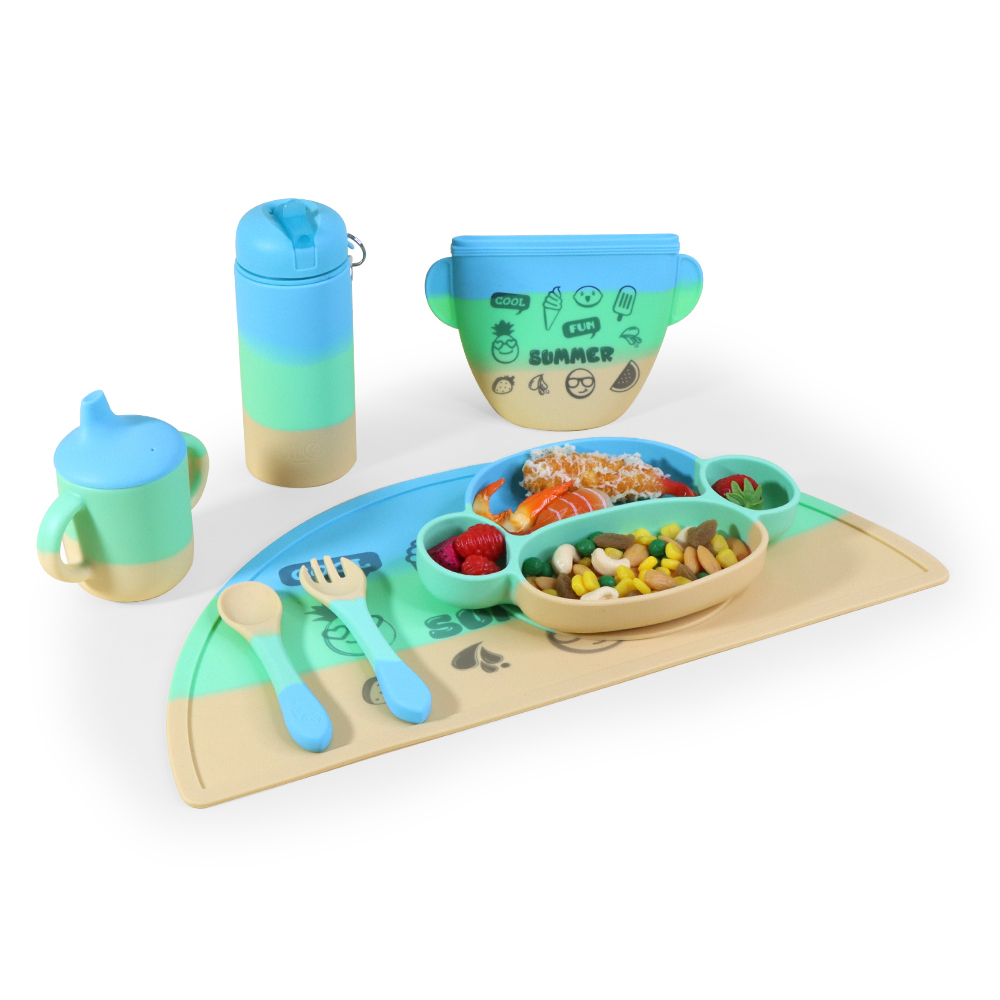
Silicone is the preferred material when products must withstand high temperatures, boiling, sterilization, UV exposure, or chemical corrosion. It is widely used in medical, maternal, baby, and food-contact applications.
TPU is more suitable for products requiring impact resistance, drop protection, oil resistance, and structural strength. It performs well in cost-sensitive projects that do not involve extreme heat.
结论
Silicone and TPU serve different functional priorities. Silicone excels in thermal stability, safety, and comfort, while TPU offers superior wear resistance and mechanical strength. Selecting the right material depends on application environment, regulatory requirements, and product positioning.