Chinese
  English
  French
  German
  Spanish
  Russian
  Polish
  Japanese
  Korean
目录
Ordering custom silicone bibs is more than selecting a color and adding a logo. For baby product brands, wholesalers, importers, retailers, and e-commerce sellers, every decision made before production directly affects product quality, manufacturing efficiency, customer satisfaction, and long-term brand reputation. From choosing the right food-grade silicone material to confirming packaging details and quality standards, careful planning helps avoid costly production delays and ensures the finished products meet market expectations.
Whether you are placing your first OEM order or expanding an existing baby product collection, understanding the complete customization process will help you communicate more effectively with manufacturers and reduce sourcing risks. This guide covers the key factors every buyer should evaluate before ordering custom silicone bibs, including materials, certifications, design, mold development, pricing, quality control, packaging, and supplier selection.
Understand Your Target Market Before Customization
Every successful product begins with a clear understanding of the target customer. Before requesting quotations, buyers should identify where the products will be sold and what features parents in those markets value most. Retail stores, online marketplaces, supermarkets, and premium baby boutiques often require different product positioning and packaging styles.
★ Questions to Define Before Ordering
• Which countries will the products be sold in?
• What age group is the bib designed for?
• Is the product positioned as premium or value-priced?
• Will it be sold individually or as part of a feeding set?
• Which certifications are required by your market?
• What packaging style best fits your brand?
A clearly defined product strategy enables manufacturers to recommend suitable production methods, materials, and packaging solutions.
Choose High-Quality Food-Grade Silicone
Material quality is one of the most important factors when producing baby feeding products. Premium silicone bibs should be manufactured using food-grade silicone that is soft, odorless, durable, and safe for direct contact with food and a baby’s skin.
High-quality silicone maintains flexibility after repeated use, resists cracking, and performs well under both hot and cold conditions. It is also easy to clean and suitable for daily family use.
Important: Always request confirmation that the silicone material is BPA-free, non-toxic, and compliant with applicable food-contact regulations before production begins.
Verify Product Safety Certifications
Different markets require different compliance standards. Buyers should verify both product testing reports and factory certifications before placing large production orders.
✔ Common Certifications
• FDA Food Contact Compliance
• LFGB Food Safety Testing
• REACH Compliance
• BPA-Free Verification
• CPSIA Requirements
• EN Safety Standards
Professional manufacturers may also maintain factory certifications such as ISO 9001, ISO 14001, BSCI, Sedex, GMP, and Disney FAMA, demonstrating established quality management and responsible manufacturing practices.
Define Product Specifications Clearly
Providing complete product specifications before production helps reduce misunderstandings and minimizes costly revisions later in the project.
Typical Product Specifications
- Bib dimensions
- Silicone thickness
- Neck adjustment positions
- Pocket depth
- Surface finish
- Logo location
- Color requirements
- Packaging details
📋 Preparation Checklist
Prepare drawings, reference samples, Pantone color numbers, logo files, packaging artwork, and quantity forecasts before requesting quotations.
Understand Logo Customization Options
Brand identity plays an important role in private-label products. Silicone bib manufacturers usually offer several logo application methods depending on design preferences and production requirements.
- Embossed logos
- Debossed logos
- Laser engraving
- Food-safe printed graphics
Embossed and debossed logos are especially popular because they become part of the molded silicone, creating long-lasting branding without affecting product durability.
Select Colors That Match Your Brand
Professional manufacturers can match nearly any Pantone color, allowing brands to maintain a consistent visual identity across their entire baby feeding collection.
Popular Color Collections
- Earth-tone collections
- Neutral beige series
- Soft pastel colors
- Minimalist Scandinavian-inspired palettes
- Seasonal promotional colors
Request color samples before mass production to verify that finished products accurately match your brand standards.
Evaluate Packaging Options
Packaging influences purchasing decisions, especially in retail environments and online marketplaces. Attractive packaging enhances perceived product quality while strengthening brand recognition.
📦 Packaging Choices
• Retail boxes
• Gift packaging
• Eco-friendly cartons
• Paper sleeves
• Kraft packaging
• Barcode labels
• Instruction manuals
• Shipping cartons
Well-designed packaging protects products during transportation while creating a positive first impression for customers.
Know When Custom Mold Development Is Necessary
Brands seeking exclusive products often invest in custom mold development. A dedicated mold enables unique bib shapes, innovative pocket structures, proprietary decorative patterns, and improved ergonomic features that distinguish products from standard market offerings.
Custom Mold Benefits
• Exclusive product designs
• Stronger brand protection
• Better product differentiation
• Greater flexibility for future product updates
Understand Minimum Order Quantities
Minimum order quantities vary depending on customization requirements, mold development, color selection, and packaging complexity. Fully customized products generally require higher production volumes than standard ODM products because of tooling and setup costs.
Discuss minimum order quantities with your manufacturer during the quotation stage to ensure they align with your inventory strategy and budget.
Request Samples Before Mass Production
Pre-production samples provide an opportunity to confirm every product detail before manufacturing begins. Careful sample evaluation reduces production risks and prevents expensive corrections after mass production.
Sample Inspection Checklist
- Material softness
- Surface appearance
- Logo accuracy
- Color consistency
- Pocket functionality
- Button performance
- Packaging quality
- Overall workmanship
Recommendation: Test the sample under normal daily use, including repeated washing and folding, before approving production.
Review Quality Control Procedures
Reliable silicone factories inspect products throughout every stage of manufacturing instead of relying solely on final inspections. This systematic quality management approach ensures greater consistency across every production batch.
- Incoming material inspection
- Color verification
- Mold inspection
- Dimension measurement
- Appearance inspection
- Function testing
- Packaging inspection
- Final quality audit
Evaluate Manufacturing Capacity
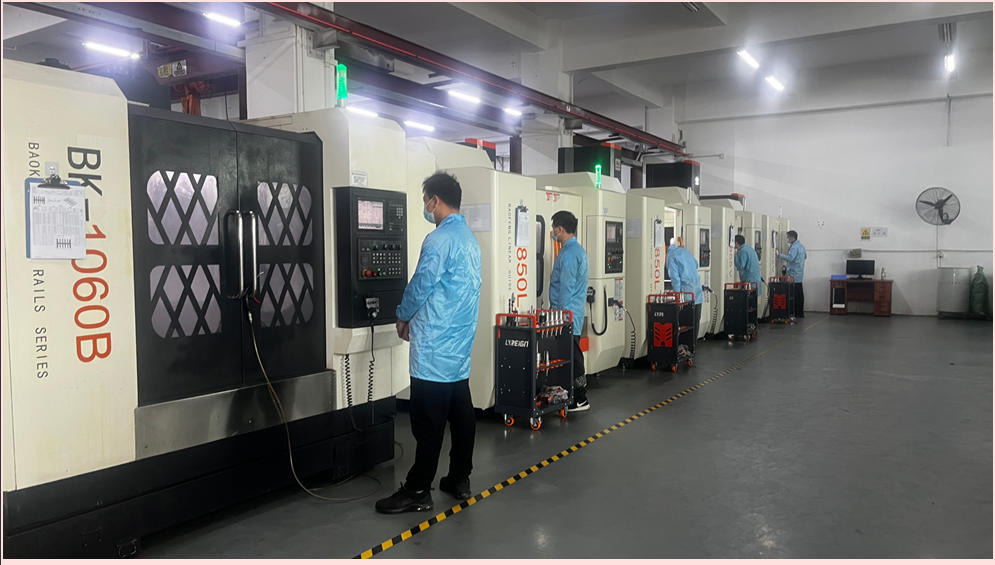
A manufacturer’s production capacity directly influences delivery schedules and long-term supply reliability. Ask about available production equipment, monthly output, engineering resources, quality laboratories, and lead times before committing to large-volume orders.
🏭 A Professional Manufacturer Should Offer
• Stable production capacity
• Experienced engineering team
• Modern molding equipment
• Strict quality management
• Responsive customer support
• Flexible OEM and ODM services
Build a Long-Term Partnership
Rather than treating suppliers as short-term vendors, successful brands develop long-term manufacturing partnerships. Reliable manufacturers can support future product launches, optimize production efficiency, maintain consistent quality, and provide valuable engineering recommendations as your product line grows.
Establishing long-term cooperation also improves communication, simplifies future customization projects, and creates a more stable supply chain for expanding businesses.
Frequently Asked Questions
1. What information should I prepare before requesting a quotation?
Prepare product dimensions, Pantone colors, logo artwork, packaging requirements, target quantity, certification requirements, and reference images whenever possible.
2. Is it necessary to order a sample before mass production?
Yes. Pre-production samples help verify product quality, colors, logo placement, packaging, and functionality before full-scale manufacturing begins.
3. Can I customize both the silicone bib and its packaging?
Yes. Most OEM manufacturers provide complete customization services, including logos, colors, retail packaging, gift boxes, instruction manuals, and shipping cartons.
4. What certifications should a silicone bib supplier provide?
Depending on your market, suppliers may provide FDA, LFGB, REACH, BPA-Free testing reports, along with factory certifications such as ISO 9001, BSCI, and Sedex.
5. How do I choose a reliable silicone bib manufacturer?
Evaluate manufacturing experience, engineering capabilities, product quality, certifications, production capacity, quality control procedures, communication efficiency, and customization services before making your final decision.