Spanish
  English
  French
  German
  Russian
  Polish
  Chinese
  Japanese
  Korean
Contenido
Silicone Cases: Applications, Benefits, and Custom Manufacturing Guide
Silicone cases have become a preferred protective solution across consumer electronics, baby products, medical devices, and industrial equipment. Thanks to their flexibility, shock absorption, and wide temperature tolerance, silicone cases deliver both functional protection and design freedom.
This article explains what silicone cases are, where they are used, their core advantages, and how custom silicone cases are manufactured, helping brands and product developers make informed decisions.
What Is a Silicone Case?
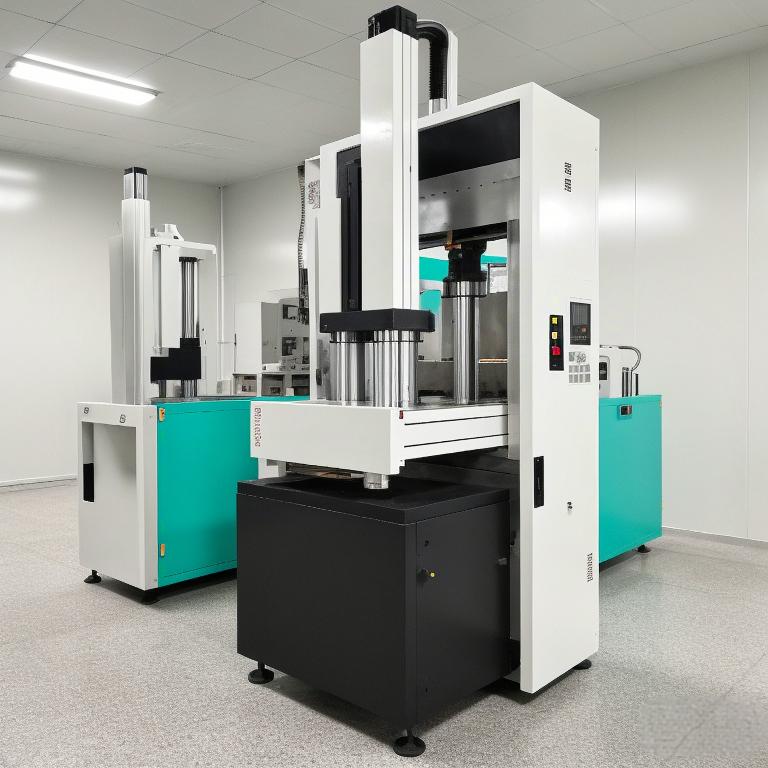
A silicone case is a protective shell made from silicone rubber, typically produced through compression molding, liquid silicone rubber (LSR) injection molding, or drip molding.
Silicone material is known for being:
Flexible and impact-absorbing
Non-toxic and odorless
Resistant to heat and cold (−40°C to 230°C)
Easy to clean and environmentally friendly
Because of these properties, silicone cases are widely used to protect devices from drops, scratches, dust, and moisture while maintaining a soft and comfortable touch.
Key Applications of Silicone Cases
Consumer Electronics Protection
Silicone cases are commonly used for:
Smartphones and tablets: Shock absorption, anti-slip grip, and full-edge protection
Smartwatches and wearables: Scratch protection and skin-friendly comfort
Earbuds and charging cases: Prevent impact damage and improve portability
Laptops and accessories: Lightweight surface protection against daily wear

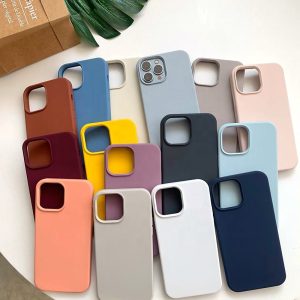
Phone Case For Iphone 16
E-Cigarettes and Portable Devices
Silicone covers reduce damage from accidental drops, improve grip, and help protect internal components.
Industrial and Electronic Components
Silicone protective covers are used for:
Buttons and keypads
Interfaces and connectors
Batteries, antennas, and casings
Radiators and displays
They provide dust resistance, water resistance, and extended service life.
Maternal and Baby Products
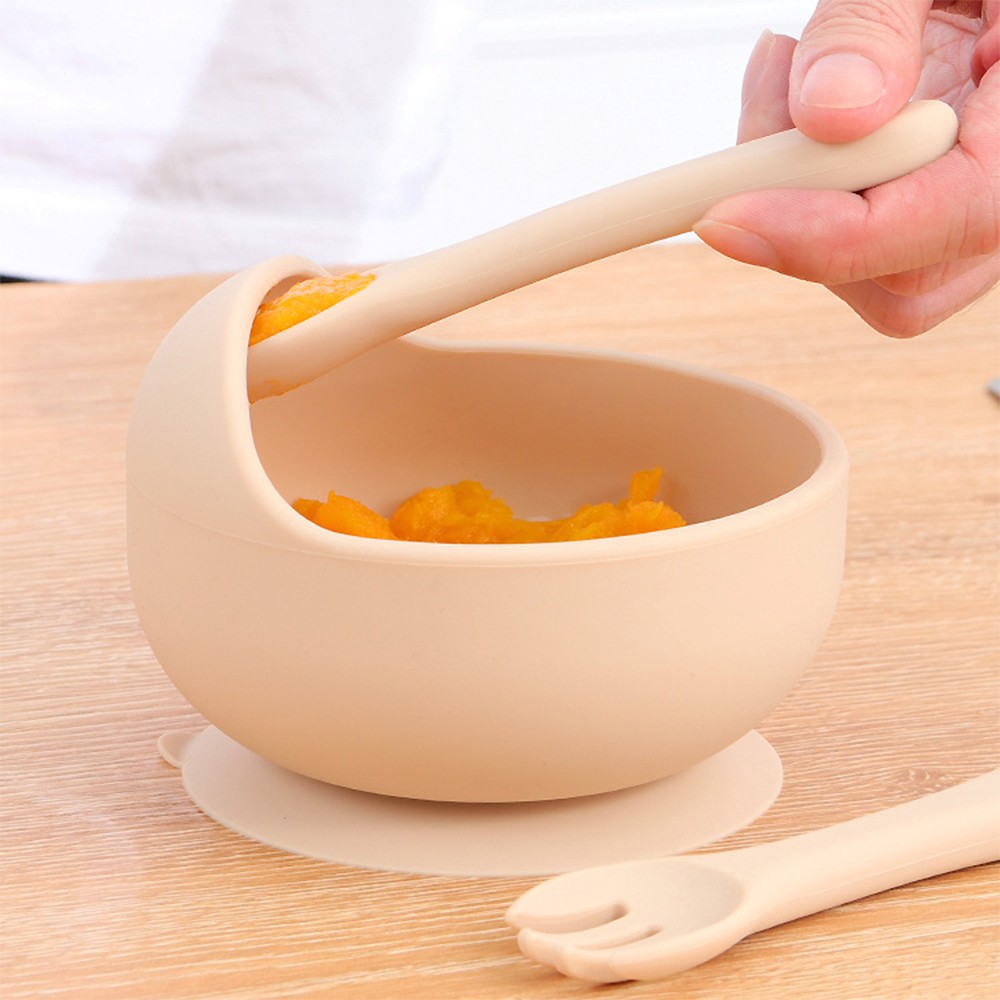
Due to its softness and safety, silicone is widely used in:
Pacifier covers
Bottle sleeves
Food-grade and medical-grade silicone ensures safe daily contact for infants.

Main Advantages of Silicone Cases
Excellent Drop Protection
Silicone’s elasticity absorbs impact energy, reducing damage caused by accidental drops.
Anti-Slip Performance
The naturally grippy surface improves handling and reduces the risk of slipping.
Heat and Cold Resistance
Silicone remains stable across extreme temperatures, making it suitable for indoor and outdoor use.
Waterproof and Dust-Resistant Options
Sealed designs can provide effective protection against moisture and fine particles.
Durable and Long-Lasting
Silicone resists aging, UV exposure, and deformation, maintaining performance over time.
Design and Customization Flexibility
Silicone cases can be produced in:
Multiple colors and Pantone-matched shades
Creative shapes and textures
Matte, glossy, or translucent finishes
Silicone Case Manufacturing Methods
Depending on product requirements, silicone cases can be produced using different processes:
Compression Molding – Ideal for solid silicone cases with strong structure
LSR Injection Molding – High precision, suitable for medical and electronics applications
Drip Molding – Used for decorative or layered silicone designs
Extrusion and Calendaring – Applied for specific profiles or sheets
Each process requires specific tooling, materials, and curing conditions to ensure consistent quality.
Custom Silicone Case Options
Brands can customize silicone cases in multiple dimensions:
Appearance
Shape: standard or fully custom designs
Color: single color, marble, dual-color, or multi-color
Surface: smooth, textured, or patterned
Material Selection
HTV or LSR silicone
Hardness range: 5–80 Shore A
Food-grade, medical-grade, or industrial-grade
Logo & Branding
Molded-in embossed or debossed logos
Screen printing
Laser engraving
Heat transfer printing
Packaging Solutions
Polybags or zip bags
PET boxes with back cards
Custom color boxes and retail packaging
Logistics
Express shipping, air freight, or sea freight options
Silicone Case Custom Development Process
Create a 3D design based on product requirements
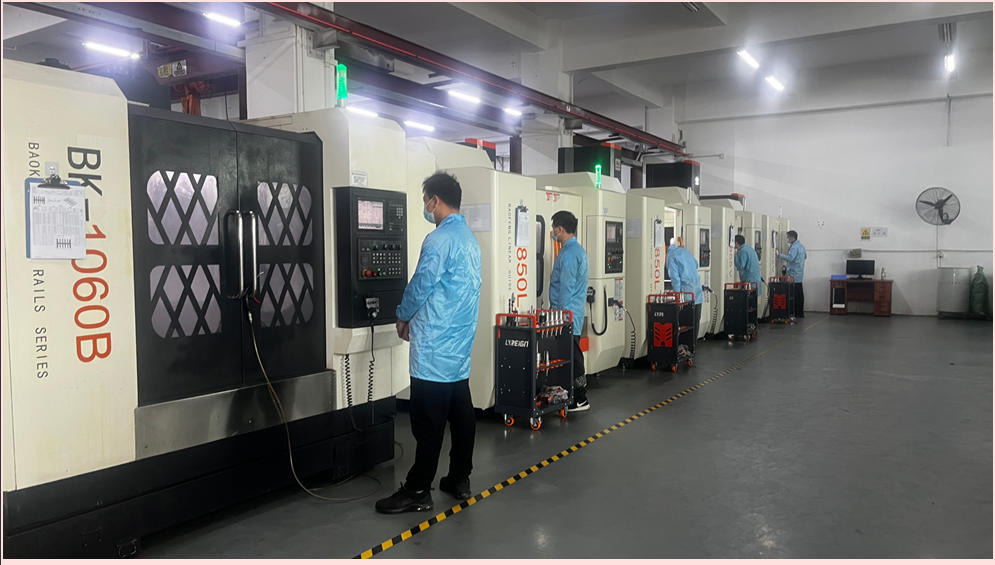
Develop tooling using steel, aluminum, or copper molds
Select and color-match silicone raw materials (Pantone-based)
Feed material into molds via chosen molding method
Heat and cure under controlled temperature and pressure
Demold and inspect the silicone case
Trim, polish, or finish surfaces if required
Perform secondary vulcanization to remove residual odor
Apply logos or patterns if needed
Conduct final quality inspection
Package and prepare for shipment
This standardized workflow ensures dimensional accuracy, durability, and compliance with FDA or LFGB standards.
Conclusion
Silicone cases combine protection, safety, and design versatility, making them ideal for electronics, baby products, medical equipment, and promotional items. With flexible customization options and advanced molding technologies, silicone cases help brands differentiate products while ensuring long-term performance.
Whether you are launching a new device accessory or expanding a private-label product line, custom silicone cases offer a reliable and scalable solution.
Frequently Asked Questions (FAQ)
Q1: Are silicone cases safe for long-term daily use?
Yes. High-quality silicone is non-toxic, odorless, and resistant to aging, making it suitable for continuous daily use.
Q2: Can silicone cases protect devices from serious drops?
Silicone provides excellent shock absorption and significantly reduces damage from accidental drops, though extreme impacts may still affect internal components.
Q3: Are silicone cases waterproof?
Many silicone cases offer water resistance. Fully sealed designs can provide enhanced protection against moisture and dust.
Q4: Can I customize the color and logo of a silicone case?
Yes. Silicone cases support Pantone color matching and multiple logo methods, including molded logos, printing, and laser engraving.
Q5: What industries commonly use silicone cases?
Silicone cases are widely used in consumer electronics, baby products, medical devices, industrial equipment, and promotional merchandise.
Q6: Do silicone cases require special maintenance?
No. Silicone cases are easy to clean with water or mild detergent and do not require special care.