How Silicone Water Bottles Revolutionize Your Drinking Experience?

As people become more environmentally conscious and pursue a healthy lifestyle, silicone water bottles, as a new type of drinking container, are quietly changing the drinking habits of families and children. With its unique material properties, design flexibility and contribution to sustainable living, the silicone water bottle not only enhances the drinking experience, but also becomes an ideal companion for families and children in many regions.

A Practitioner of Environmental Protection

Nowadays, environmental protection is deeply rooted in people’s hearts, and the choice of daily household products often reflects this value. Silicone water bottles as an environmentally friendly alternative to plastic bottles, its main advantages are:

1, reusable: a large number of disposable plastic water bottles consume a serious burden on the environment. Silicone water bottles are durable and easy to clean, and can be used over and over again, significantly reducing plastic waste.

2, harmless material: silicone water bottles are made of food-grade silicone, which does not contain BPA and other harmful substances, ensuring the safety of drinking water. At the same time, silicone is biodegradable in the natural environment, which is more environmentally friendly than plastic.

3, lightweight and easy to carry: silicone water bottles are lightweight, most of them are collapsible, folded volume is small, easy to carry, whether it is traveling, fitness exercise or go to school and work, can be easily put into the bag, to encourage people to develop the habit of carrying a cup of water, reduce the dependence on purchased bottled water.
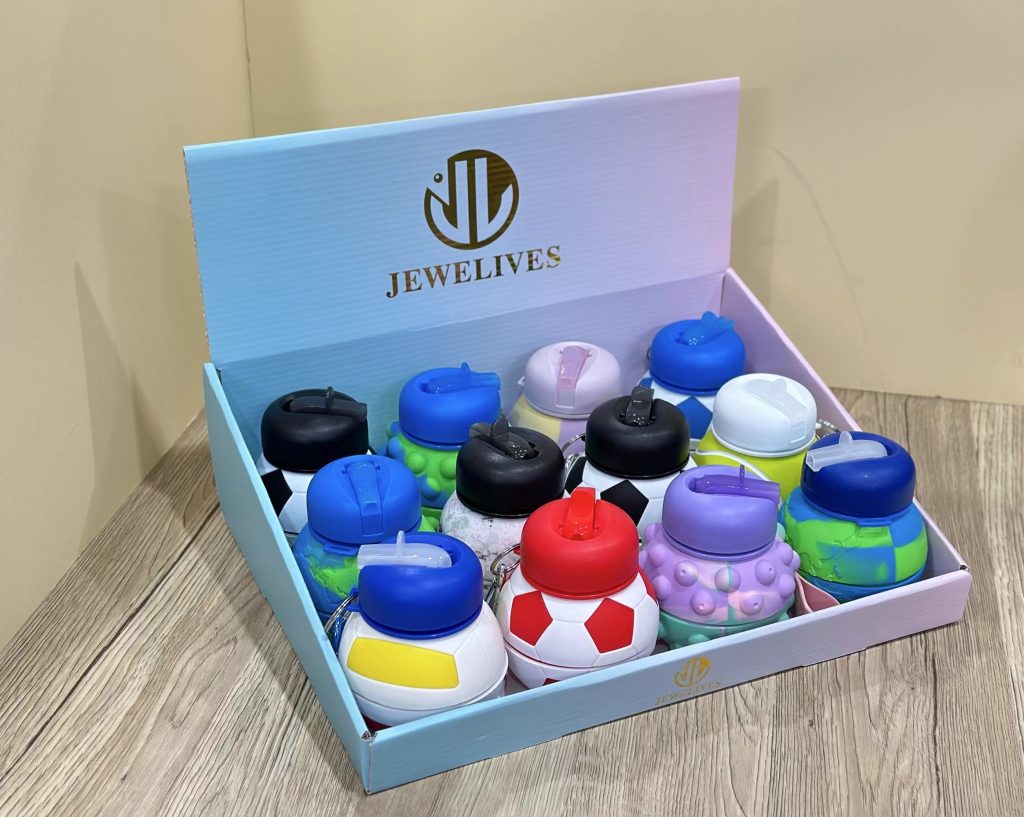
Silicone water bottle

The intimate partner of family life

In family life, silicone water bottles play a variety of roles to adapt to the needs of different scenes:

1, outdoor activities companion: whether it is a picnic in the park, hiking or beach vacation, the silicone water bottle with its excellent drop resistance and sealing, to ensure that in a variety of outdoor activities to maintain water supply, to avoid the inconvenience of liquid leakage.
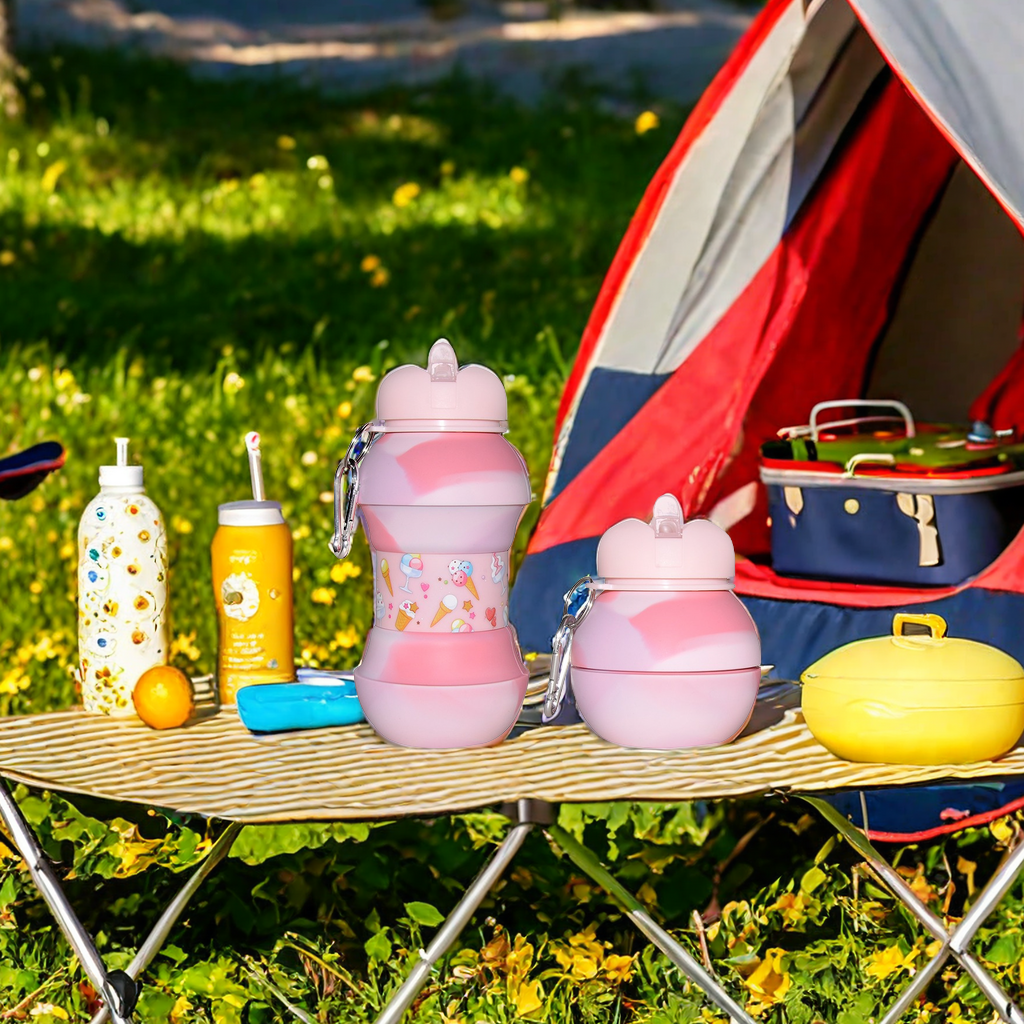
Silicone water bottle

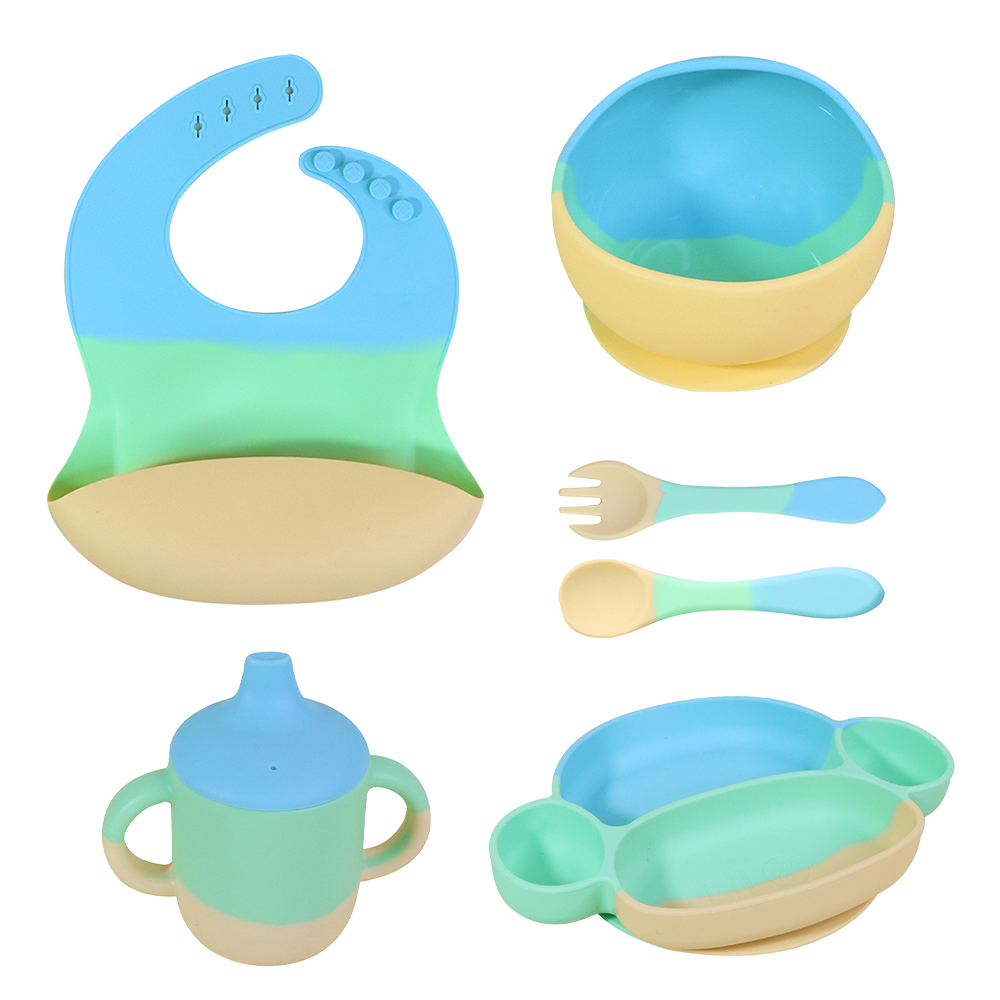
2, children’s exclusive water dispenser: designed for children’s silicone water bottles are usually brightly colored, lovely shape, with leak-proof suction nozzle or duckbill cap, not only in line with the children’s aesthetic preferences, but also to prevent spills. Some products are also equipped with a scale, making it easy for parents to monitor the amount of water their children drink daily.

A booster for children’s education and growth

In kindergartens in North America and nurseries in Northern Europe, silicone water bottles have become the standard for children. In addition to its environmental characteristics and practical functions, silicone water bottles also play an important role in children’s education and growth:

1, cultivate environmental awareness: let children use silicone water bottles from childhood, help them understand and practice the importance of reducing plastic waste, cultivate good environmental behavior habits.

Promote healthy drinking: The portability of silicone water bottles encourages kids to hydrate at any time, especially at school or during outdoor activities, which helps prevent dehydration and maintain good health.
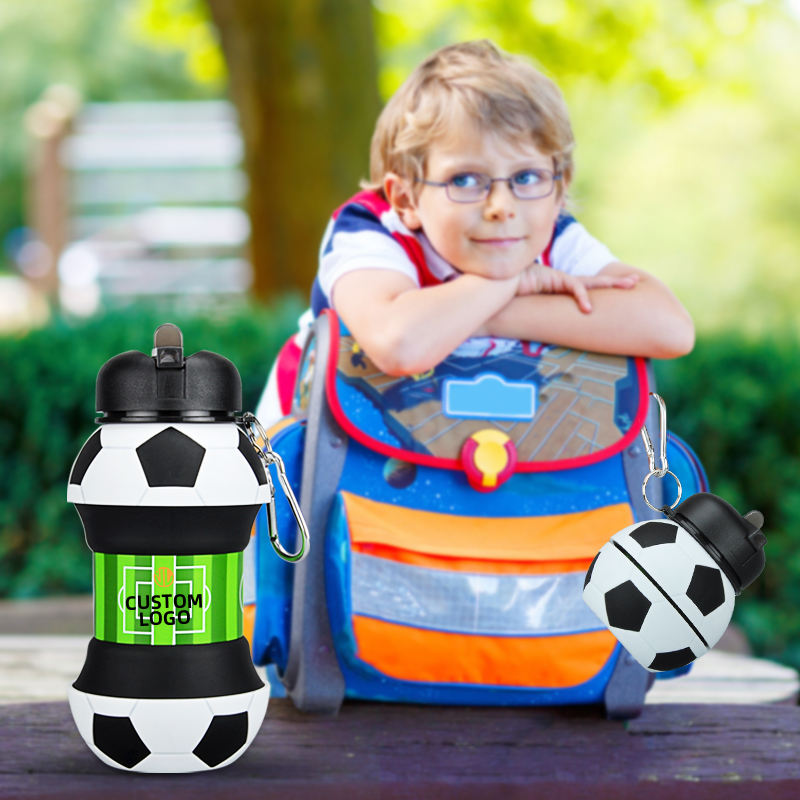
Silicone water bottle
  • Enhance self-care ability: The lightweight and easy to open and close design makes the silicone water bottle easy for children to operate, which helps them learn to drink independently in their daily life and enhance their self-care ability.


Innovative design improves drinking experience

The innovative design of the silicone water bottle further enhances the user’s drinking experience:


1, ergonomic design: in line with the hand grip curve of the bottle design, making it comfortable to hold, not easy to slip.
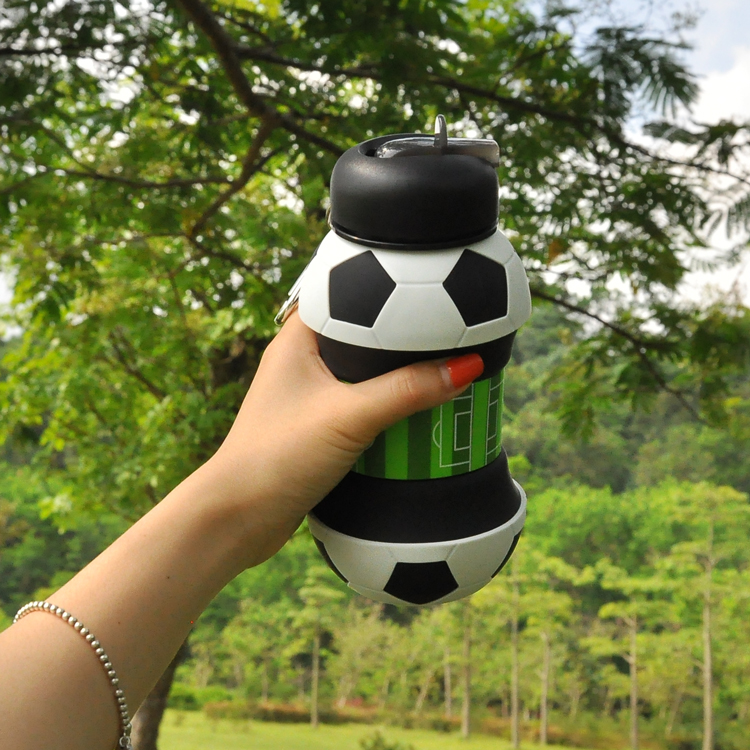
Silicone water bottle

2, non-slip base: some silicone water bottles are equipped with non-slip silicone pads at the bottom, placing stability and avoiding desktop sliding.


3, a key to open / close: convenient one-button switch design, so that drinking water becomes simple and fast, especially suitable for one-handed operation during exercise.


4, adjustable flow: some children’s silicone water bottles are equipped with adjustable flow rate nozzles, which can be adjusted according to the child’s age and drinking habits, to avoid choking or drinking too fast.


In summary, silicone water bottles have successfully revolutionized the drinking experience of families and children by virtue of their environmentally friendly attributes, humanized design and wide range of application scenarios. It is not only an important tool for realizing green life, but also an ideal choice for accompanying children’s growth and improving the quality of life. As people continue to pay attention to environmental protection and health, silicone water bottles are expected to be popularized in more families and continue to lead the trend of change in the way of drinking water.
Related post

Silicone Body Scrubber
Silicone Lunch Box
Introduction to Silicone Manufacturing Silicone manufacturing is a specialized industry that requires a deep understanding of material science, chemical engineering, and environmental management. As a leading silicone factory, we pride ourselves on our ability to create custom silicone products tailored to the unique needs of our wholesale clients. This article delves into the manufacturing process, health and safety considerations, and the management strategies that ensure the highest standards of quality and compliance. 1. The Manufacturing Process of Silicone 1.1 Overview of the Manufacturing Process The silicone manufacturing process involves the transformation of raw silicone materials into finished products through curing and vulcanization. Curing refers to the process where silicone compounds harden through the addition of heat or moisture, while vulcanization involves the use of catalysts to speed up the hardening process. Over the years, we have perfected these processes to ensure the production of durable and high-quality silicone products. Curing with Peroxides During the vulcanization process employing peroxides, peroxides are incorporated into the silicone compound, which triggers a reaction leading to material solidification. This approach is renowned for its dependability and its capability to attain broad hardness levels in the end products. It is applicable for general silicone rubber goods, like those used in wires and cables, and also for oil-resistant and solvent-resistant silicone rubbers. Vulcanization with Platinum Catalysts On the other hand, vulcanization using a platinum catalyst is a more specialized process that allows for exceptional control of the reaction and produces items with superior purity and performance. This method is particularly suited for manufacturing custom silicone products that require high precision and consistency. It is ideal for products where environmental protection and hygiene conditions are of higher concern, such as food-grade silicone products and medical devices. 1.2 Chemical Composition and Volatile Emissions The chemical composition of silicone materials includes base polymers, fillers, and additives. Additives play a crucial role in enhancing the properties of silicone products, such as flexibility, heat resistance, and UV stability. Curing agents and catalysts are essential for initiating and controlling the polymerization reactions that lead to the formation of the silicone product. 1.3 Common Volatiles in Silicone Manufacturing During the manufacturing process, various volatile organic compounds (VOCs) can be emitted, including methyl siloxanes and other siloxane oligomers. These emissions can have environmental and health implications, which is why our silicone factory has implemented stringent measures to minimize their release. 2. Health, Safety, and Environmental Impact 2.1 Health and Safety Risks in the Manufacturing Environment The health and safety of our workers is paramount. In the silicone manufacturing environment, exposure to uncured silicone, catalysts, and other chemicals can pose risks. Therefore, we have established safety measures and protocols that include the use of personal protective equipment (PPE) and regular health check-ups for our employees. 2.2 Impact of Volatiles on the Environment The release of volatiles into the environment can contribute to air pollution and have long-term effects on ecosystems. As a responsible silicone factory, we are committed to reducing our environmental footprint by adopting advanced technologies that minimize VOC emissions and by recycling waste materials whenever possible. 2.3 Regulatory Compliance and Standards Adherence to regulations is a cornerstone of our operations. Both national and international standards, such as those set by the European Union's REACH regulations and the United States' EPA guidelines, dictate the allowable levels of VOC emissions and the safety measures that must be in place. Our silicone factory is fully compliant with these standards, ensuring that our operations are both safe and environmentally responsible. 3. Management Strategies 3.1 Implementing Safety Measures and Protocols To safeguard our workers and the environment, we have implemented a range of safety measures and protocols. These include the use of closed-loop systems to capture and treat emissions, regular equipment maintenance to prevent leaks, and comprehensive training programs for our staff. 3.2 Advancements in Process and Material Technology Innovation is at the heart of our silicone manufacturing process. We continuously invest in research and development to improve our manufacturing processes and material technologies. This includes exploring new catalysts that reduce VOC emissions and developing silicone compounds with enhanced properties for applications like silicone lunch boxes and water bottles. 3.3 Regulatory Compliance and Environmental Management Our commitment to regulatory compliance extends beyond mere adherence to standards. We actively engage with regulatory bodies to ensure that our practices are not only compliant but also contribute to the development of more stringent environmental protections. Our environmental management system is certified to ISO 14001, demonstrating our dedication to sustainable practices. 4. Conclusion Silicone manufacturing is a complex process that requires a delicate balance between product quality, worker safety, and environmental responsibility. As a silicone factory specializing in custom silicone products, we are committed to maintaining the highest standards across all aspects of our operations. By investing in advanced technologies, adhering to strict safety protocols, and prioritizing environmental stewardship, we ensure that our silicone products meet the needs of our wholesale clients while also protecting the health of our workers and the planet.
Scroll to Top

Contact Us