German
  English
  French
  Spanish
  Russian
  Polish
  Chinese
  Japanese
  Korean
Inhalt
How to Start a Phone Case Business: The 2026 Professional Manufacturer’s Guide
The global smartphone accessories market is projected to reach unprecedented heights by 2026. As mobile devices become more expensive and central to daily life, the demand for high-quality protection that reflects personal style is at an all-time high. Modern consumers are no longer satisfied with generic plastic shells; they demand a silicone phone case that offers a premium tactile feel, superior shock absorption, and unique aesthetic flair.
Starting a phone case brand in today’s landscape is a high-reward venture for those who prioritize quality and supply chain integrity. This guide dives deep into the technical and strategic nuances of the silicone-specific market—leveraging 23 years of manufacturing expertise to help you build a professional, sustainable business from the ground up.
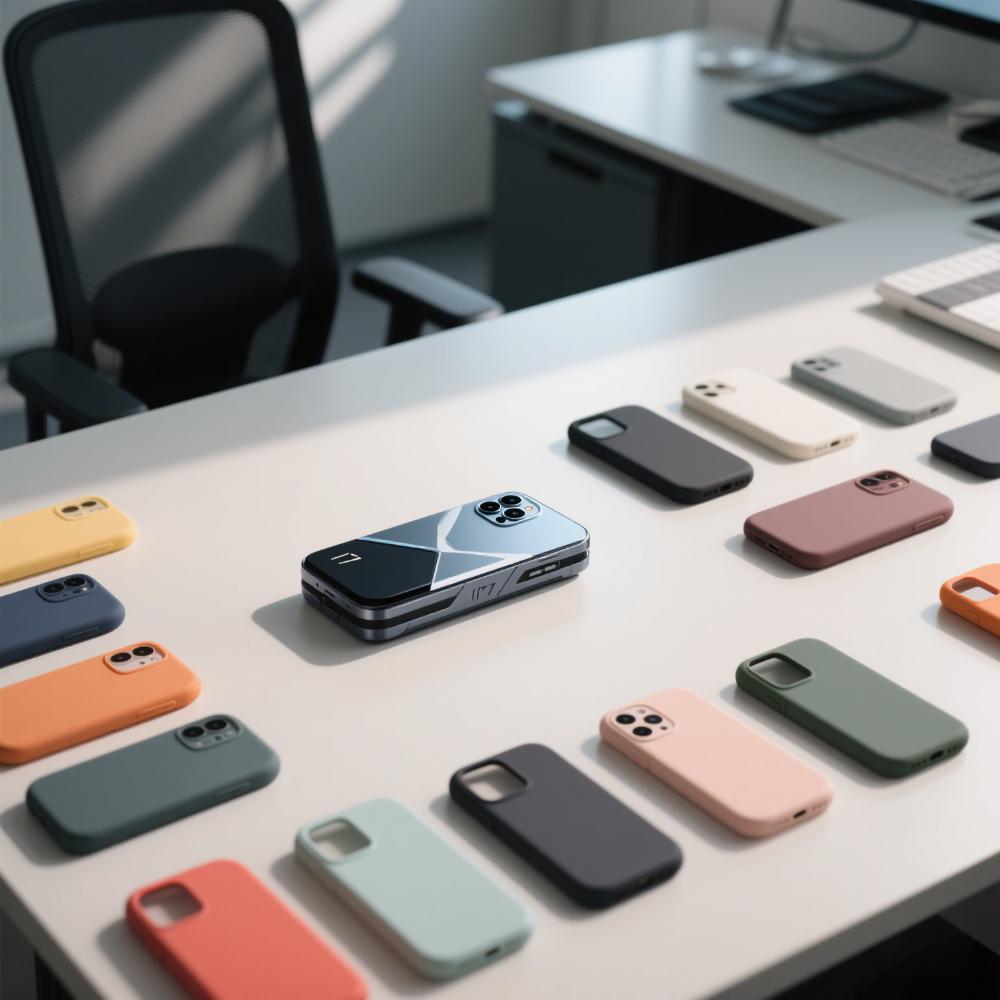
1. Market Research: Identifying Your High-Value Niche
In 2026, the “mass market” is oversaturated. To succeed, your phone case brand must dominate a specific high-value segment.
iOS vs. Android Dynamics
While iPhones often command the most attention in Western markets, the global Android flagship market (Samsung S-series, Google Pixel, and Xiaomi) is vast and underserved. Brands that offer a high-quality custom silicone phone case for top-tier Android devices often face lower competition and higher customer loyalty.
Lifestyle and Functional Niches
-
The Rugged Professional: Target outdoor enthusiasts or construction professionals who need military-grade drop protection without the bulk of traditional rugged cases.
-
The Minimalist Aesthetic: Focus on ultra-thin silicone phone case designs with muted earth tones and “soft-touch” finishes that resist fingerprints and dust.
-
The Content Creator: Design cases with integrated MagSafe-compatible rings for Android and iOS alike, allowing for easy attachment to tripods and lights.
2. Developing Profitable Design Ideas
Your design is your brand’s competitive moat. In a sea of generic options, your design ideas must solve a functional problem or evoke a specific lifestyle.
-
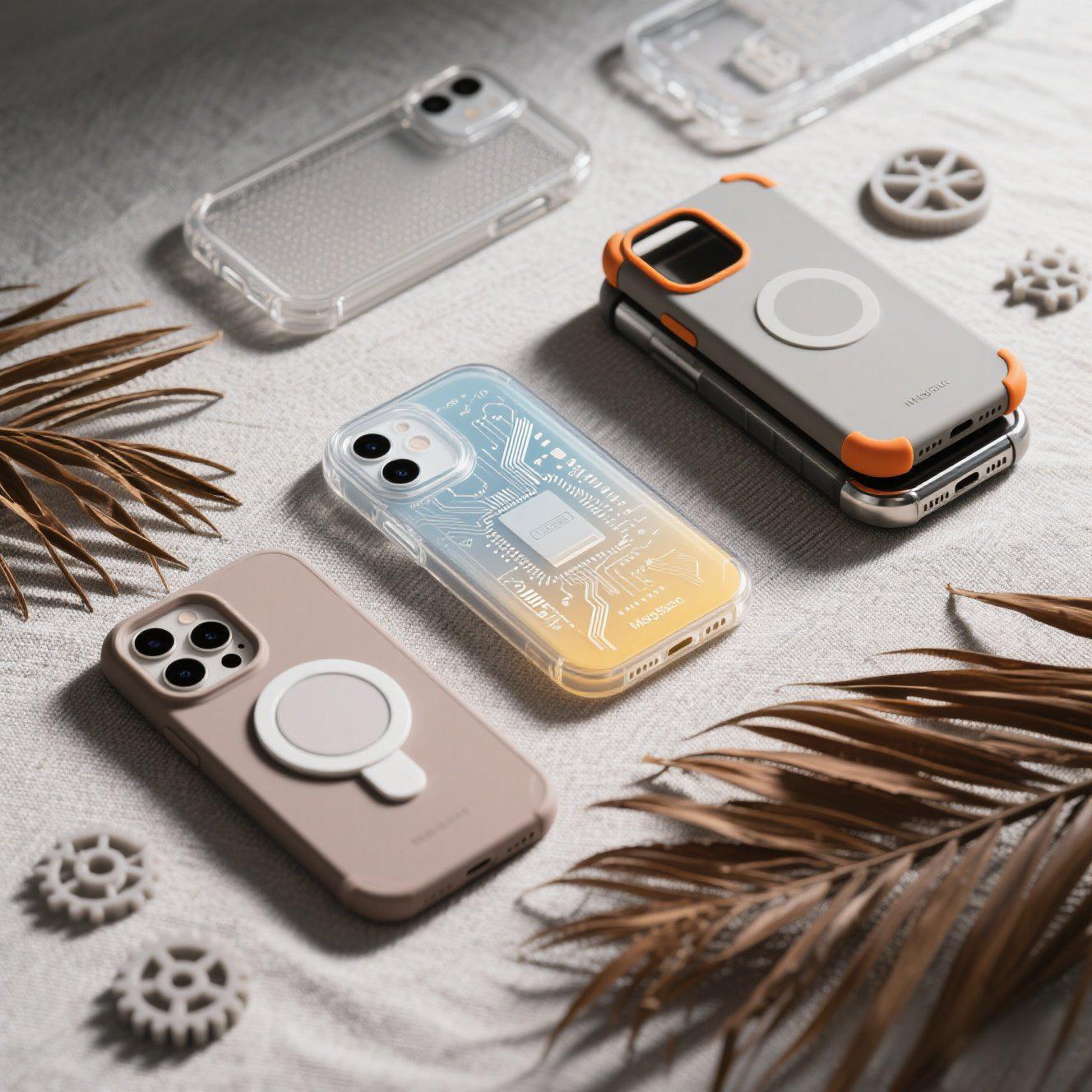
Textural Innovation: Silicone allows for unique 3D textures. Think “puffer” style cases, ribbed side grips for better handling, or embossed patterns that provide a luxury feel.
-
Modular Add-ons: Consider cases with built-in card slots, integrated kickstands, or crossbody strap attachments.
-
Seasonal and Limited Drops: Treat your releases like fashion collections. Launching limited-edition colors or artist collaborations creates “FOMO” (Fear Of Missing Out) and drives repeat purchases.

3. The Business Model: Bulk Manufacturing vs. Dropshipping
To build a serious phone case brand, you must choose a model that protects your margins and your reputation.
Why Bulk Manufacturing Wins in 2026
While dropshipping offers low entry costs, it provides zero control over quality. For a professional brand, purchasing in bulk from a dedicated manufacturer is the only way to scale.
-
Superior Margins: Buying in bulk significantly reduces the per-unit cost, often by 60-70% compared to middleman services.
-
Quality Control: You can dictate the purity of the silicone, the precision of the mold, and the quality of the packaging.
-
Customization: Only direct manufacturing allows for custom silicone phone case molds that are unique to your brand, preventing “copycat” competitors from selling the exact same product.
4. Finding a Reliable Phone Case Supplier and Manufacturer
The success of your business depends entirely on your supplier. When vetting a manufacturer, you must look for industrial-grade capabilities.
-
Direct Factory Access: Avoid trading companies. A direct custom phone case manufacturer like Juwelen offers 23 years of R&D experience and holds over 500 patents. This ensures you are getting the latest in material science, not outdated stock.
-
LSR (Liquid Silicone Rubber) Technology: For a premium custom silicone phone case, look for factories using LSR injection. LSR provides a more precise fit, a smoother finish, and better durability than traditional compression molding.
-
Zertifizierungen: Ensure the factory is audited for social responsibility (BSCI, Sedex) and quality management (ISO 9001). This protects your brand from ethical scandals and high defect rates.


5. Technical Specifications: The Anatomy of a Perfect Case
A phone case that is even 0.1mm off will lead to customer complaints. Your manufacturer must adhere to strict technical standards.
-
Precision Fit: Ensure the factory uses the latest CAD files provided by device manufacturers (Apple, Samsung, etc.).
-
Tactile Response: Silicone can sometimes make buttons feel “mushy.” Professional designs include internal structural reinforcements to ensure a satisfying “click” for volume and power buttons.
-
Protective Geometry: Look for a “raised bezel” design. A 1.2mm lip around the screen and a 0.8mm lip around the camera module are the 2026 industry standards for preventing impact damage.
6. Strategic Sales Channels: Amazon, Etsy, and Beyond
Diversifying where you sell is key to mitigating risk.
Selling on Amazon
Amazon is the world’s largest search engine for products. It is the best place to move bulk inventory quickly.
-
Strategy: Use Amazon FBA (Fulfillment by Amazon) to offer Prime shipping. Focus on high-volume, functional keywords like “protective Android silicone case.”
-
Note: Competition is high; your listing must have high-fidelity lifestyle images and verified reviews to stand out.
Selling on Etsy
Etsy is the premier platform for artistic and personalized design ideas.
-
Strategy: Position your cases as “custom-designed” or “limited edition.” Etsy buyers are willing to pay a premium for unique textures and artisanal branding.
-
Note: Your packaging must feel “gift-ready” to succeed on this platform.
Independent Brand Portals (DTC)
Building your own independent web presence allows you to own your customer data and avoid platform fees.
-
Strategy: Use social media to drive traffic to your own site. This is where you tell your brand story and offer exclusive bulk bundles or subscription models.
7. Marketing Your Phone Case Brand in 2026
In a visual-first economy, your marketing must be as high-quality as your product.
-
Short-Form Video (TikTok/Reels/Shorts): Create “stress test” videos, ASMR unboxing, and “OOTD” (Outfit of the Day) styling clips. A video of a silicone phone case surviving a 10-foot drop is viral gold.
-
Influencer Partnerships: Senden Sie bulk samples to micro-influencers in specific tech or fashion niches. Their authentic endorsement carries more weight than traditional ads.
-
UGC (User-Generated Content): Reward customers for posting photos of their cases. In 2026, “social proof” is the most powerful driver of conversion.
8. Logistics, Packaging, and Scaling
The “unboxing experience” is a critical part of your marketing funnel.
-
Sustainable Packaging: Use FSC-certified paper or reusable silicone pouches. This aligns with the eco-conscious values of the 2026 consumer.
-
Inventory Management: Track your sales by device model. For example, if your Android cases are outselling your iOS cases in a specific region, shift your bulk reordering strategy accordingly.
-
Customer Support: Maintain a high “Net Promoter Score” (NPS) by offering a lifetime warranty on material defects—a standard that professional manufacturers like Juwelen can easily support due to their high production quality.
FAQ: Starting a Phone Case Business
Q1: How much capital do I need to start a professional phone case brand? To launch with bulk inventory and professional branding, a starting budget of $3,000–$7,000 is recommended. This covers custom silicone mold costs, initial stock, and basic marketing.
Q2: How do I differentiate my brand from cheap competitors? Focus on material quality (platinum-cured silicone), specialized design ideas (functional add-ons), and verified safety certifications. A “Medical Grade” silicone label is a powerful differentiator.
Q3: Is it better to focus on iPhone or Android? In 2026, a balanced approach is best. Use iPhone for high-volume sales and Android flagships to capture a loyal, underserved niche market.
Q4: How long does it take to get products from the manufacturer? Typically, custom silicone phone case mold development takes 20–30 days, followed by 15–20 days for mass production. Including shipping, plan for a 2-month lead time.
Q5: Can I customize the packaging with my own logo? Yes. Professional manufacturers like Juwelen offer full OEM services, including custom printing on the case and fully branded retail packaging.