Spanish
  English
  French
  German
  Russian
  Polish
  Chinese
  Japanese
  Korean
Contenido
Advantages of Silicone Protectors: Features and Manufacturing Insights
Silicone protectors are widely used to safeguard electronic devices, baby products, bottles, and industrial components. Thanks to their elasticity, durability, and safety properties, they have become a preferred protective solution across multiple industries.
Understanding the benefits and production process of silicone protectors helps brands and buyers make informed sourcing decisions.
What Are Silicone Protectors?
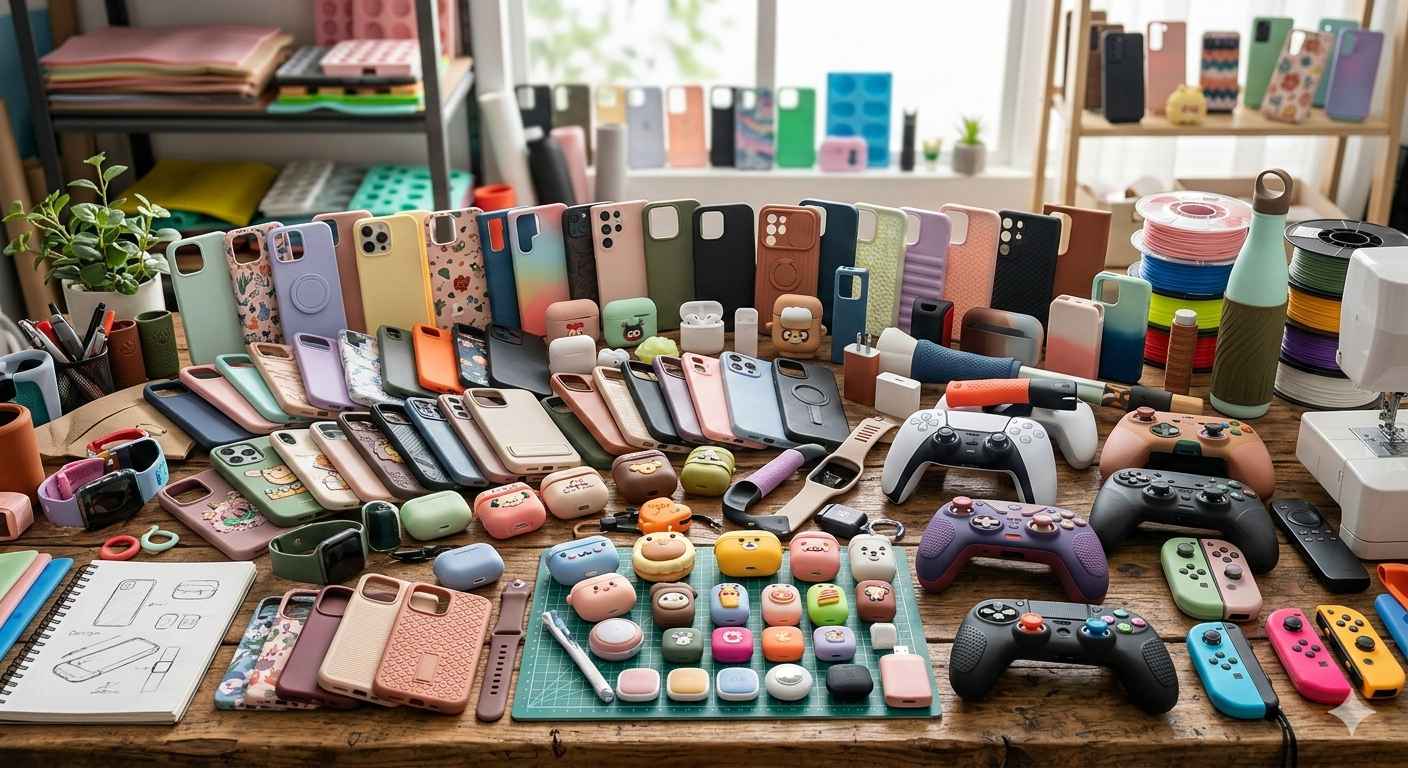
A silicone protector is a protective cover or sleeve made from solid silicone rubber (HTV) or liquid silicone rubber (LSR). It is designed to absorb shock, prevent scratches, and enhance grip while maintaining product aesthetics.
Depending on application, silicone protectors can be used for:
Electronic devices and accessories
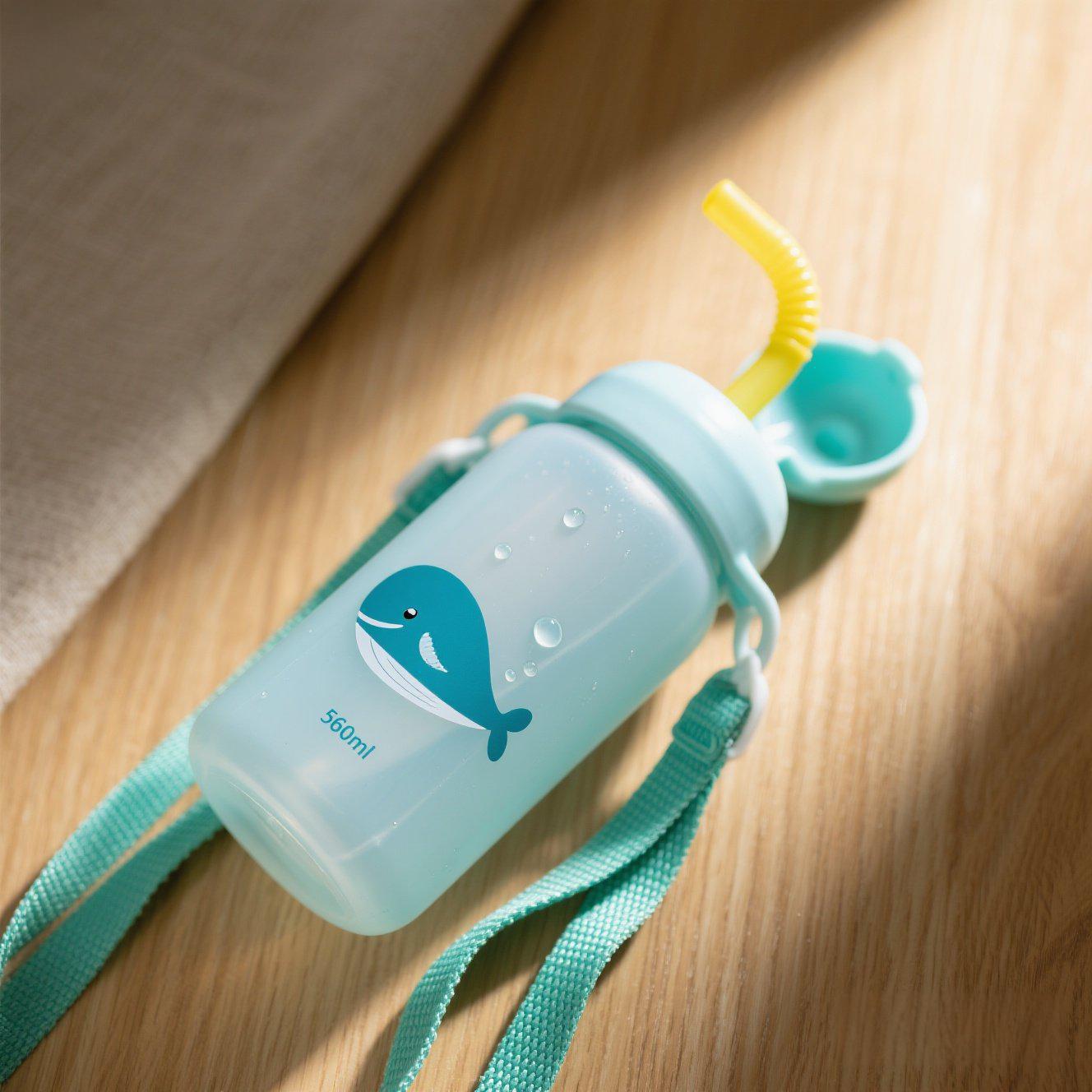
Baby bottles and feeding products
Glass containers
Industrial equipment parts
Smart wearable devices

Key Advantages of Silicone Protectors
1. Safe and Environmentally Friendly
High-quality silicone protectors are made from food-grade or medical-grade silicone. When properly cured, they are:
Non-toxic and odorless
BPA-free
Chemically stable under normal use
Compliant with standards such as FDA, LFGB, RoHS, and SGS
Silicone undergoes high-temperature vulcanization during production, reducing the risk of harmful substance release.
2. Impact and Drop Protection
Silicone has natural elasticity and cushioning performance. It can absorb and disperse external force during impact, helping protect devices from accidental drops or collisions.
This makes silicone protectors ideal for smartphones, glass bottles, and electronic accessories.
3. Scratch and Wear Resistance
The smooth yet durable surface reduces abrasion and helps maintain the appearance of the protected product. Silicone does not easily crack or peel like some plastic materials.
4. Anti-Slip Performance
Silicone offers natural grip. Its friction coefficient helps prevent devices from slipping out of hands or sliding on smooth surfaces.
5. Dust and Water Resistance
While not always fully waterproof, many silicone protectors provide a protective barrier that reduces dust entry and minor splash exposure.
6. Comfortable Touch and Ergonomics
Soft-touch silicone improves user experience. The flexible material conforms closely to the hand, making devices easier and more comfortable to hold.
7. Easy to Clean and Maintain
Silicone surfaces resist oil and stains. Most protectors can be cleaned with water or mild detergent without degrading material performance.
8. Wide Design Flexibility
Silicone protectors can be customized with:
Solid or transparent finishes
Matte or frosted textures
Multi-color or marble effects
Custom patterns and branding
This makes them suitable for both functional protection and brand identity enhancement.
Silicone Protector Manufacturing Methods
Professional silicone protectors are produced using several molding technologies depending on design complexity and performance requirements.
Common Molding Processes
HTV Compression Molding
Suitable for structured or thicker designs
Cost-efficient for medium to large volumes
LSR Injection Molding
High precision and automation
Consistent quality for large production runs
Ideal for baby and medical products
Drip / Overmolding Process
Used for multi-material or layered designs
Enhances grip zones and decorative elements
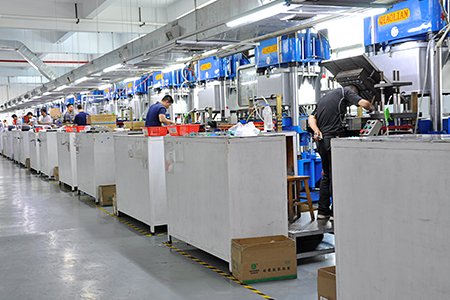
En Jewelives, silicone protectors are manufactured using advanced compression and injection systems, ensuring stable quality and repeatable mass production.
Custom Silicone Protector Development Process
For brands looking to develop private-label silicone protectors, the process typically includes:
1. Product Design and 3D Modeling
Designers create a detailed structure based on device dimensions, drop-test requirements, and ergonomic considerations.
2. Tooling Development
Molds are manufactured using steel, aluminum, or copper depending on expected production volume and durability needs.
Jewelives operates an in-house tooling workshop equipped with CNC and EDM machines, enabling faster mold development and modification.
3. Raw Material Selection
High-quality fumed silicone rubber is selected for long-term durability. Color matching is done using Pantone references to ensure brand consistency.
Material properties can be customized, including:
Hardness range: 5–80 Shore A
Transparency: translucent to highly transparent
Safety level: food-grade or medical-grade
4. Molding and Curing
Silicone is molded under controlled temperature and pressure conditions to achieve precise dimensions and structural integrity.
5. Secondary Vulcanization
For HTV silicone products, a post-curing process (2–4 hours in an oven) removes residual catalysts and minimizes odor, ensuring compliance with FDA or LFGB standards.
LSR products may not require secondary curing.
6. Logo and Branding Application
Branding options include:
Molded-in logos
Screen printing
Laser engraving
Heat transfer printing
7. Quality Control and Final Inspection
Each batch undergoes dimensional checks, surface inspection, and functional testing before packaging.
Why Choose Jewelives for Silicone Protector OEM/ODM?
With over 21 years of silicone manufacturing experience, Jewelives provides end-to-end OEM and ODM services for global brands.
Key capabilities include:
50+ molding machines for stable mass production
Dedicated R&D team supporting product optimization
In-house tooling workshop for faster development cycles
Certifications including ISO 9001, ISO 14001, BSCI, Sedex, GMP, and Disney FAMA
Custom packaging and global shipping support
By managing tooling, molding, curing, and quality control internally, Jewelives helps reduce lead times and improve product consistency.
FAQ: Silicone Protectors
Are silicone protectors safe for baby products?
Yes, when made from certified food-grade or medical-grade silicone and properly cured.
What is the difference between HTV and LSR silicone protectors?
HTV is cost-efficient for structured designs, while LSR offers higher automation and precision.
Can silicone protectors be fully waterproof?
They can provide splash resistance and dust protection, but full waterproofing depends on product design.
Can I customize colors and logo?
Yes, colors can be Pantone-matched and logos can be molded, printed, or engraved.