Spanish
  English
  French
  German
  Russian
  Polish
  Chinese
  Japanese
  Korean
Contenido
Mastering Silicone Bakeware: A Professional Manual for Success in the Modern Kitchen
The landscape of the contemporary kitchen has transformed as we navigate 2026. While traditional metal and glass pans still hold a place in the pantry, high-performance silicone has become the standard for professional pastry chefs and home enthusiasts. This shift is driven by a combination of durability, flexibility, and the ability to produce artistic shapes that were previously impossible to achieve.
However, despite its widespread adoption, many users still encounter challenges when optimizing their experience with flexible molds. Whether you are curious about batter adhesion or considering repurposing a mold for a resin project, understanding the technical specifications of the material is essential. As a manufacturer with 23 years of experience, Jewelives is at the forefront of this industry, providing the manufacturing backbone for global brands that prioritize quality and safety.
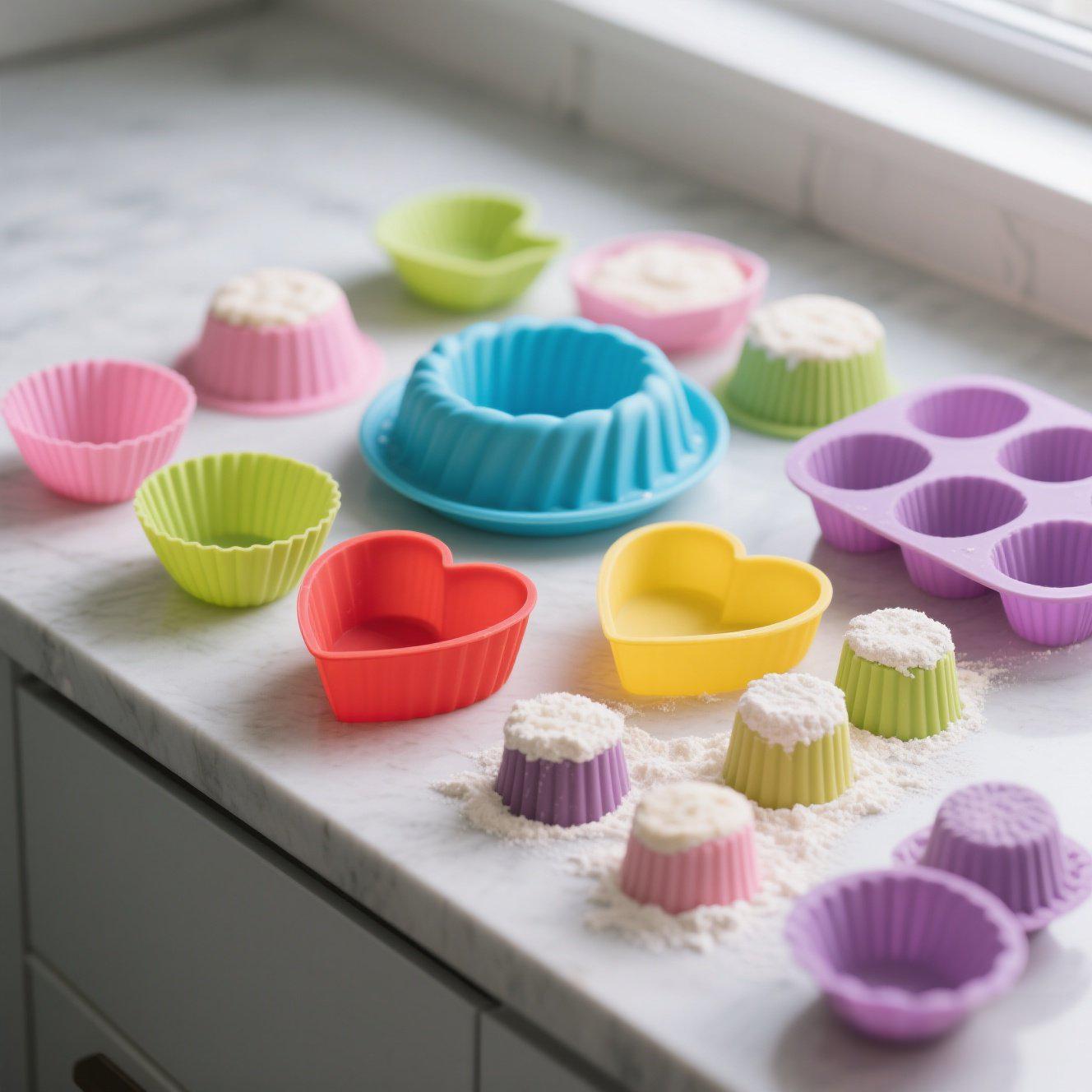
Foundations of Use: How to Handle Silicone Cake Molds
If you are transitioning from rigid bakeware, your first inquiry is likely: how do you use silicone cake molds? The process differs from using tin or steel, but the results are far more consistent once you master the nuances.
The primary rule of silicone baking is physical support. Because silicone is inherently flexible, it cannot be placed directly on an oven rack while filled with liquid batter. This would result in spills and uneven baking. You must always place your silicone mold on a flat baking sheet or a sturdy cooling rack before filling it. This ensures easy transport into and out of the oven without deforming the shape of your cake.
When baking, silicone acts as an excellent insulator. it distributes heat evenly, which helps prevent the burnt edges common in dark metal pans. However, because it does not reflect heat like metal, cakes may occasionally require a few extra minutes to reach the desired internal temperature. Always use a toothpick to verify the center of your bake rather than relying solely on a timer.
Technical Steps: How to Bake a Cake in a Silicone Mold
To achieve professional-grade results, follow these specific steps for how do you bake a cake in a silicone mold:
-
Initial Sanitation: Even if a mold appears clean, wash it with warm, soapy water to remove microscopic dust or shipping residue. Ensure it is completely dry before use.
-
Structural Support: Place the empty mold onto a metal baking tray.
-
Preparation (Greasing): While silicone is often marketed as “non-stick,” a light coating of butter or professional baking spray ensures a clean release, particularly for intricate designs.
-
Filling: Pour your batter into the mold, filling it approximately two-thirds of the way to allow for the natural rise of the cake.
-
Bubble Removal: Gently tap the baking tray on the counter to release trapped air bubbles that can cause surface pits.
-
The Cooling Requirement: This is a critical stage. Never attempt to remove a cake while it is hot. As the cake cools, its structure stabilizes. Wait at least 20 minutes before peeling the mold away.
Addressing Adhesion: Does Cake Batter Stick to Silicone Molds?
A frequent concern for bakers is: does cake batter stick to silicone molds? The answer depends on the purity of the silicone and the specific recipe.
High-purity, food grade material is naturally hydrophobic, meaning it repels moisture. This creates a semi-non-stick surface. However, recipes high in sugar or extremely low in fat are prone to sticking. Sugar can caramelize and bond with the microscopic pores of the material.
This leads to the question: do I need to spray silicone cake molds? In 2026, professional advice suggests a light spray for the first several uses. Over time, high-quality silicone can develop a slight “seasoning,” but to ensure a perfect release—especially if using a custom mold with a specific Logotipo or texture—a light grease is the best insurance. Avoid heavy flouring, as it can leave a white, cloudy residue on the finished cake.
Specialized Applications: How to Use Silicone Cake Pop Molds
Cake pops present a unique challenge due to their spherical shape. How do you use silicone cake pop molds compared to standard pans?
Most cake pop molds utilize a two-part interlocking system. To use them effectively, fill the bottom half (the one without holes) slightly above the brim. When you lock the top half into place, the batter expands into the upper hemisphere during the baking process. The small holes in the top allow steam to escape, which prevents the spheres from cracking or becoming misshapen.
After cooling, you can insert sticks through these holes while the pops are still inside the mold. This helps the cake grip the stick firmly, making the subsequent dipping process much easier.
Thermal Limits: Do Silicone Molds Melt?
A common safety concern regarding synthetic rubber is: does silicone molds melt?
Silicone is not a plastic; it is a synthetic rubber derived from silica. It does not melt into a liquid puddle in the way a plastic container would. Instead, if exposed to temperatures far beyond its limit—typically exceeding 260℃(500℉)—it becomes brittle and eventually begins to degrade or char.
For standard baking temperatures, which usually range from 180℃ to 220℃, silicone is exceptionally stable. It remains flexible and does not leach chemicals into food. This thermal stability is why Jewelives prioritizes BPA-free production, ensuring our manufacturer standards meet both FDA and LFGB requirements.
Creative Repurposing: Can You Use Silicone Cake Molds for Resin?
The maker community often asks: can you use silicone cake molds for resin?
Technically, silicone is the ideal material for resin casting because resin does not bond to it. The flexibility of a cake mold makes it simple to de-mold resin art or functional pieces.
However, there is a critical safety protocol: Never use the same mold for both food and resin. Resin is a chemical compound that can leave toxic residues in the silicone. If you choose to use a Jewelives silicone mold for a craft project, mark it clearly and keep it out of the kitchen permanently. While we offer custom sizing and Logotipo options for artists, we strictly advise against cross-contamination.
Correcting Misconceptions: Does Silicone Caulking Mold?
Homeowners often confuse different types of silicone, leading to the question: does silicone caulking mold?
It is important to differentiate between the silicone material and the biological growth of mold (fungus). Pure silicone does not provide the organic nutrients required for mold to grow. In a bathroom, mold grows on soap scum, skin cells, and moisture trapped on the surface of the caulk.
In a kitchen setting, if a silicone cake mold develops dark spots, it is usually due to improper drying before storage. If a mold is put away damp, surface mold can develop. Fortunately, because high-quality silicone is non-porous and dishwasher safe, a deep clean usually resolves the issue.
The Manufacturing Standard: Why Jewelives is the Preferred Source
In a market saturated with low-grade alternatives, the quality of your bakeware is determined by the expertise of the manufacturer. Jewelives offers 23 years of specialized production knowledge. We do not simply produce molds; we engineer them for high-performance environments.
A professional silicone factory like Jewelives understands the material science required for consistent baking. Our facility is equipped with 50 hydraulic presses, 50 injection moulding machines, and 3 CNC machine tools. This allows us to ensure consistent wall thickness, preventing hot spots and ensuring the mold is durable enough to withstand thousands of uses.
We offer comprehensive custom services tailored to brands and retailers. Whether you need a custom Logo, a specific talla, or specialized custom packaging, our team of 20 R&D specialists can manage the project from concept to mass production. Our factories in Shenzhen and Vietnam provide the logistical flexibility needed for international trade while maintaining certifications like BSCI, Sedex, ISO 9001, ISO 14001, Disney Fama, and GMP.
Final Analysis: Investing in Quality Tools
Silicone molds are a technological advancement that provides solutions to traditional baking obstacles. By understanding the proper techniques for support, greasing, and maintenance, you can unlock a level of creative freedom that metal pans cannot match.
Whether you are a home baker producing a family birthday cake or a global retailer sourcing a new product line, the quality of the silicone is the foundation of the outcome. Jewelives remains committed to providing the global market with silicone products that embody safety, functionality, and innovative design.
FAQ: Essential Questions for Silicone Users
Q1: How do I remove a stubborn “new” scent from a silicone mold?
New silicone may have a residual scent from the manufacturing process. Wash the mold in warm, soapy water or run it through a dishwasher cycle. For persistent odors, “bake” the empty mold at 180℃ for 20 minutes in a ventilated kitchen to dissipate any residues.
Q2: Is it safe to use a knife inside a silicone mold?
No. Metal blades will easily slice through silicone. Always de-mold your cake onto a cutting board or serving plate before slicing.
Q3: How should silicone molds be stored?
Silicone is flexible and can be stacked or compressed. However, to prevent dust accumulation due to its slight static charge, it is best to store them in a clean bin or their original custom packaging.
Q4: Can silicone transition directly from the freezer to the oven?
Yes. High-quality silicone is resistant to thermal shock. You can take a frozen dessert mold and place it directly into a preheated oven without the risk of the material cracking or failing.
Q5: Why is my silicone mold turning white?
A white, chalky residue is usually a buildup of minerals from hard water or a film from certain dish soaps. It is not a sign of material degradation. Wiping the mold with a cloth dipped in white vinegar will restore its original finish.