El viaje de la alimentación del bebé: Del recién nacido a la dentición

El viaje de criar a un bebé está lleno de alegrías y retos, sobre todo en lo que respecta a su alimentación. Unas prácticas de alimentación adecuadas no sólo garantizan que el bebé reciba una nutrición adecuada, sino que también favorecen un crecimiento y un desarrollo sanos. En este artículo analizamos el uso de una serie de productos de silicona para ayudar a la alimentación del bebé durante el periodo de dentición de los recién nacidos.


Del recién nacido a los seis meses: Lactancia materna o artificial

Durante la etapa neonatal, la lactancia materna es la mejor opción. La leche materna aporta todos los nutrientes necesarios y contiene anticuerpos que ayudan a proteger al bebé de las enfermedades. Sin embargo, cuando la lactancia materna no es posible, nuestros biberones de silicona se convierten en una alternativa ideal para la alimentación del bebé. Estos biberones están fabricados en silicona alimentaria, no contienen BPA y presentan un diseño de tetina que simula la forma natural del pecho, lo que facilita a su bebé la transición entre la lactancia materna y el biberón.
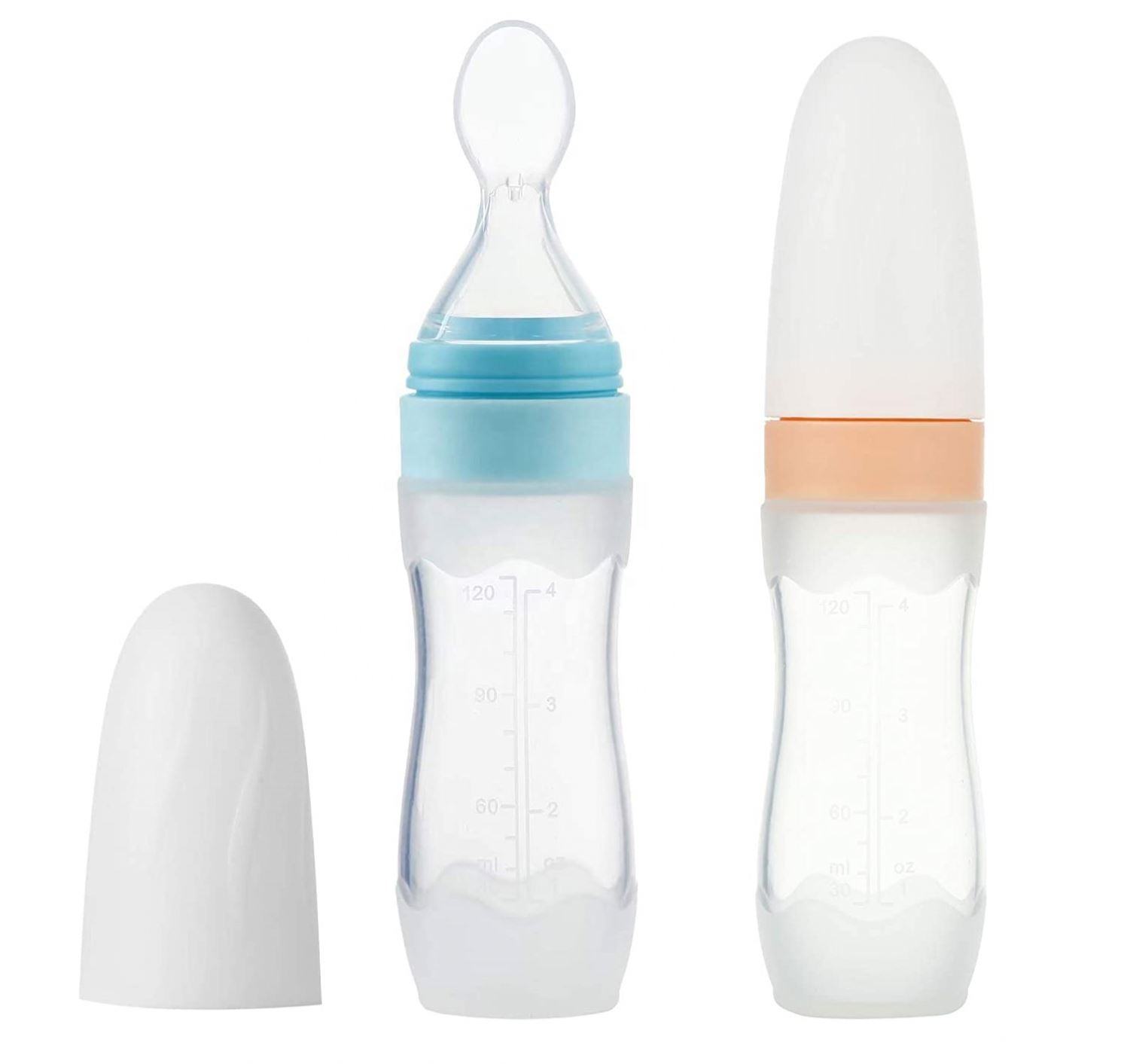
Baby Feeding Bottle (1)

Consejos de alimentación:

- Alimentar a demanda, normalmente entre 8 y 12 veces al día.
- Mantenga limpios el biberón y sus componentes para evitar infecciones.


De seis meses a un año: Introducción de alimentos sólidos

Cuando tu bebé tenga unos seis meses, será el momento de empezar a introducir alimentos sólidos. Para garantizar la salud y seguridad de su bebé, le ofrecemos una gama de juegos de silicona para la alimentación, que incluye platos, cuencos y baberos de silicona. Estos artículos son fáciles de limpiar, aptos para el lavavajillas y el microondas, y están fabricados con una silicona suave que no daña la delicada piel del bebé. En la transición a los alimentos sólidos, la alimentación del bebé se vuelve más interactiva, y el uso de las herramientas adecuadas puede hacer que la experiencia sea agradable y menos sucia.


Consejos de alimentación:

- Empieza haciendo purés de un solo ingrediente en cuencos de silicona de alta calidad que ayudan a mantener la comida caliente a la vez que son seguros y fáciles de limpiar. Añade gradualmente más alimentos a medida que tu bebé se acostumbre a los distintos sabores y texturas.
- Evita el azúcar y la sal añadidos en las comidas de tu bebé. Utiliza una cuchara de silicona para que cada bocado tenga el tamaño adecuado y no contenga aditivos innecesarios.
- Introduce nuevos alimentos de uno en uno y observa cómo reacciona tu bebé ante ellos. Nuestros baberos de silicona son perfectos para mantener limpio a tu bebé durante las exploraciones a la hora de comer y son fáciles de limpiar o de meter en el lavavajillas.

silicone weaning set (2)


Etapa de dentición: Calmar las encías doloridas

Cuando tu bebé empieza a mamar, sus encías pueden volverse muy sensibles y doloridas. En esta etapa, un buen mordedor de silicona o un collar de dentición de silicona pueden ser muy útiles para la alimentación del bebé. Nuestros productos están hechos de silicona alimentaria, no son tóxicos y calman eficazmente las encías doloridas. Además, vienen en divertidas formas y colores que atraen la atención de tu bebé.


Consejos para la dentición:

- Comprueba regularmente el desgaste de los juguetes de dentición.
- Limpia los juguetes de dentición antes y después de usarlos para mantener la higiene.


Ventajas de la fabricación a medida

Como fabricante especializado en productos de silicona, contamos con modernas instalaciones de producción y estrictos sistemas de control de calidad. Todos nuestros productos están certificados según normas internacionales, lo que garantiza la máxima calidad. También ofrecemos servicios de personalización, lo que nos permite adaptar nuestros productos a las necesidades específicas de los clientes, ya sean colores, diseños o formas únicos.

Tanto si se trata de alimentar a un recién nacido como de cuidar a un niño al que le están saliendo los dientes, la elección de los productos adecuados es fundamental. set de alimentación para bebés es esencial para la salud y la felicidad de su bebé. Nos comprometemos a ofrecer sets de alimentación de silicona de alta calidad que ayuden a las familias de todo el mundo a criar bebés felices y sanos.

Puestos relacionados

Silicone Toys
Alibaba-online-business-activities
Jewelives Comoany
Introduction to Silicone Manufacturing Silicone manufacturing is a specialized industry that requires a deep understanding of material science, chemical engineering, and environmental management. As a leading silicone factory, we pride ourselves on our ability to create custom silicone products tailored to the unique needs of our wholesale clients. This article delves into the manufacturing process, health and safety considerations, and the management strategies that ensure the highest standards of quality and compliance. 1. The Manufacturing Process of Silicone 1.1 Overview of the Manufacturing Process The silicone manufacturing process involves the transformation of raw silicone materials into finished products through curing and vulcanization. Curing refers to the process where silicone compounds harden through the addition of heat or moisture, while vulcanization involves the use of catalysts to speed up the hardening process. Over the years, we have perfected these processes to ensure the production of durable and high-quality silicone products. Curing with Peroxides During the vulcanization process employing peroxides, peroxides are incorporated into the silicone compound, which triggers a reaction leading to material solidification. This approach is renowned for its dependability and its capability to attain broad hardness levels in the end products. It is applicable for general silicone rubber goods, like those used in wires and cables, and also for oil-resistant and solvent-resistant silicone rubbers. Vulcanization with Platinum Catalysts On the other hand, vulcanization using a platinum catalyst is a more specialized process that allows for exceptional control of the reaction and produces items with superior purity and performance. This method is particularly suited for manufacturing custom silicone products that require high precision and consistency. It is ideal for products where environmental protection and hygiene conditions are of higher concern, such as food-grade silicone products and medical devices. 1.2 Chemical Composition and Volatile Emissions The chemical composition of silicone materials includes base polymers, fillers, and additives. Additives play a crucial role in enhancing the properties of silicone products, such as flexibility, heat resistance, and UV stability. Curing agents and catalysts are essential for initiating and controlling the polymerization reactions that lead to the formation of the silicone product. 1.3 Common Volatiles in Silicone Manufacturing During the manufacturing process, various volatile organic compounds (VOCs) can be emitted, including methyl siloxanes and other siloxane oligomers. These emissions can have environmental and health implications, which is why our silicone factory has implemented stringent measures to minimize their release. 2. Health, Safety, and Environmental Impact 2.1 Health and Safety Risks in the Manufacturing Environment The health and safety of our workers is paramount. In the silicone manufacturing environment, exposure to uncured silicone, catalysts, and other chemicals can pose risks. Therefore, we have established safety measures and protocols that include the use of personal protective equipment (PPE) and regular health check-ups for our employees. 2.2 Impact of Volatiles on the Environment The release of volatiles into the environment can contribute to air pollution and have long-term effects on ecosystems. As a responsible silicone factory, we are committed to reducing our environmental footprint by adopting advanced technologies that minimize VOC emissions and by recycling waste materials whenever possible. 2.3 Regulatory Compliance and Standards Adherence to regulations is a cornerstone of our operations. Both national and international standards, such as those set by the European Union's REACH regulations and the United States' EPA guidelines, dictate the allowable levels of VOC emissions and the safety measures that must be in place. Our silicone factory is fully compliant with these standards, ensuring that our operations are both safe and environmentally responsible. 3. Management Strategies 3.1 Implementing Safety Measures and Protocols To safeguard our workers and the environment, we have implemented a range of safety measures and protocols. These include the use of closed-loop systems to capture and treat emissions, regular equipment maintenance to prevent leaks, and comprehensive training programs for our staff. 3.2 Advancements in Process and Material Technology Innovation is at the heart of our silicone manufacturing process. We continuously invest in research and development to improve our manufacturing processes and material technologies. This includes exploring new catalysts that reduce VOC emissions and developing silicone compounds with enhanced properties for applications like silicone lunch boxes and water bottles. 3.3 Regulatory Compliance and Environmental Management Our commitment to regulatory compliance extends beyond mere adherence to standards. We actively engage with regulatory bodies to ensure that our practices are not only compliant but also contribute to the development of more stringent environmental protections. Our environmental management system is certified to ISO 14001, demonstrating our dedication to sustainable practices. 4. Conclusion Silicone manufacturing is a complex process that requires a delicate balance between product quality, worker safety, and environmental responsibility. As a silicone factory specializing in custom silicone products, we are committed to maintaining the highest standards across all aspects of our operations. By investing in advanced technologies, adhering to strict safety protocols, and prioritizing environmental stewardship, we ensure that our silicone products meet the needs of our wholesale clients while also protecting the health of our workers and the planet.
Ir arriba

Póngase en contacto con nosotros