Spanish
  English
  French
  German
  Russian
  Polish
  Chinese
  Japanese
  Korean
Contenido
The Ultimate Guide to Silicone Popsicle Molds: Everything You Need to Know
As summer temperatures rise in 2026, the demand for healthy, homemade frozen treats has reached an all-time high. Families and health-conscious consumers are moving away from store-bought popsicles filled with artificial dyes and high-fructose corn syrup, opting instead for DIY creations. At the heart of this movement is the silicone popsicle mold. Whether you are a parent looking to sneak more fruit into your child’s diet or an entrepreneur looking to stock the next viral kitchen gadget, understanding the nuances of silicone molds is essential.
Jewelives, a premier manufacturer of silicone ice and popsicle molds with 23 years of experience, has seen the evolution of this industry firsthand. As a source supplier for global houseware brands and top-tier Amazon sellers, we understand what makes a mold “perfect.” In this comprehensive guide, we will address the most common questions about using, cleaning, and sourcing these essential kitchen tools.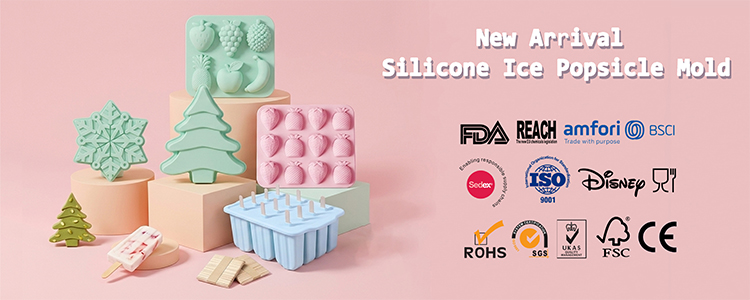
Why Silicone is the Superior Choice for Frozen Treats
When people ask “where to buy silicone popsicle molds,” they are usually looking for a product that balances durability with ease of use. Silicone has largely replaced traditional plastic and metal molds for several reasons. First, food-grade silicone is naturally BPA-free and non-toxic, meeting strict FDA and LFGB standards. Unlike plastic, which can leach chemicals when exposed to different temperatures, silicone remains stable from freezing cold to boiling heat.
Furthermore, the flexibility of silicone is its “superpower.” If you have ever struggled with a rigid plastic mold, you know the frustration of a popsicle stick pulling out while the frozen treat remains stuck inside. Silicone’s elastic nature allows you to peel the mold away from the popsicle, ensuring a perfect release every time. This is especially important for the intricate fruit-shaped designs that Jewelives specializes in, where detail is key to the aesthetic appeal.
How to Use Silicone Popsicle Molds for Perfect Results
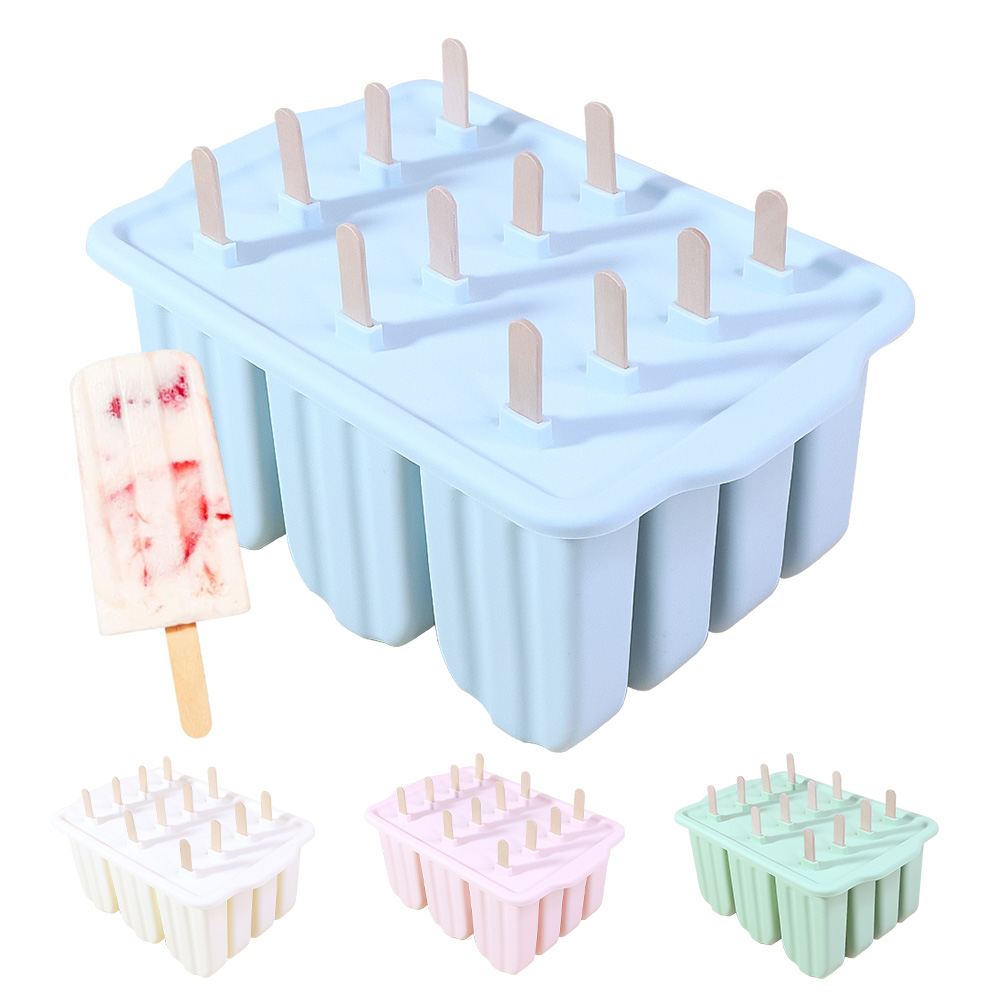
Learning how to use silicone popsicle molds is straightforward, but a few professional tips can elevate your results from “good” to “gourmet.”
Preparation is the first step. Before you pour your mixture, ensure your molds are clean and dry. If you are using a flat-lay mold, place it on a baking sheet or a steady tray before filling. This provides stability when you transfer the liquid mixture to the freezer. Silicone is flexible, which is great for de-molding but can make carrying a liquid-filled mold challenging without a support base.
When considering how to make popsicles with silicone molds, the ingredients matter. You can use anything from fresh fruit purées and Greek yogurt to cold-brew coffee or electrolyte drinks. Leave about a quarter-inch (approx. 0.6 cm) of space at the top of each cavity. Liquids expand as they freeze, and leaving this “headspace” prevents the mixture from overflowing and creating a sticky mess in your freezer. Once filled, insert the sticks. Many Jewelives designs feature secure stick-slots that keep the handle centered during the freezing process.
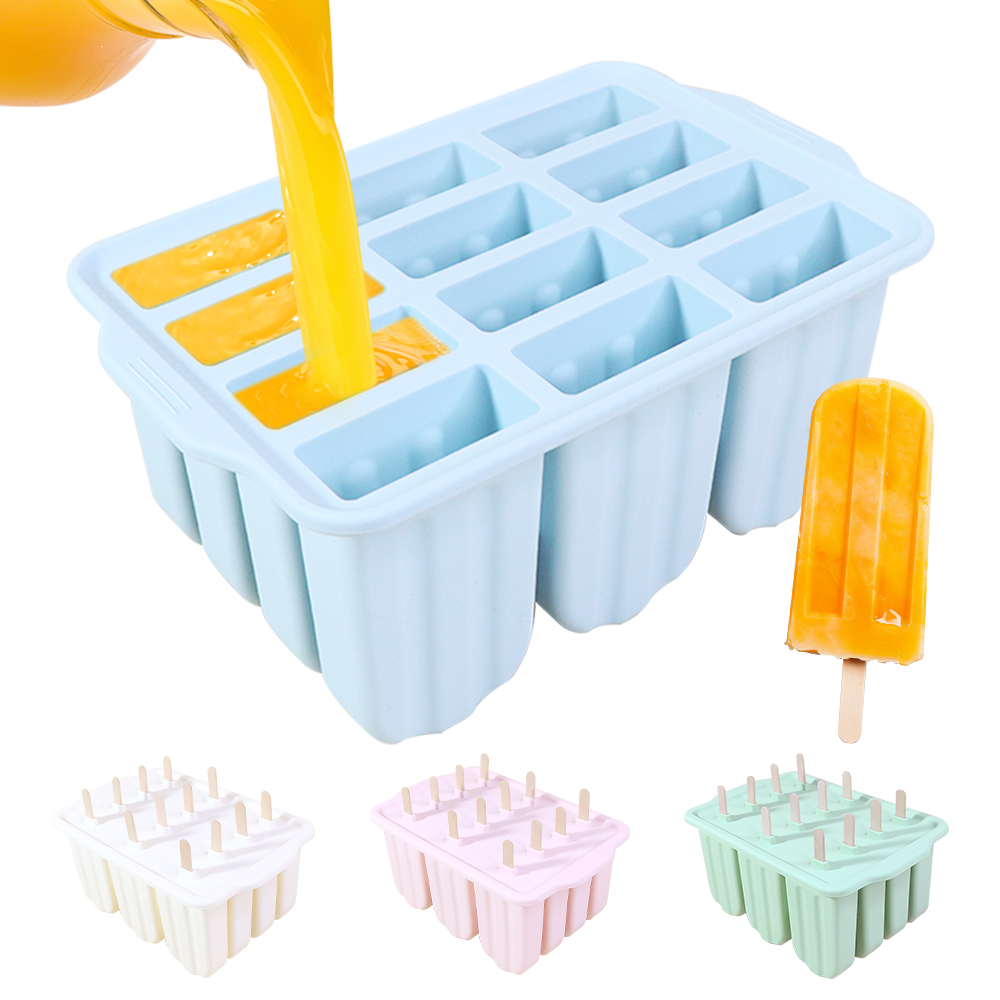
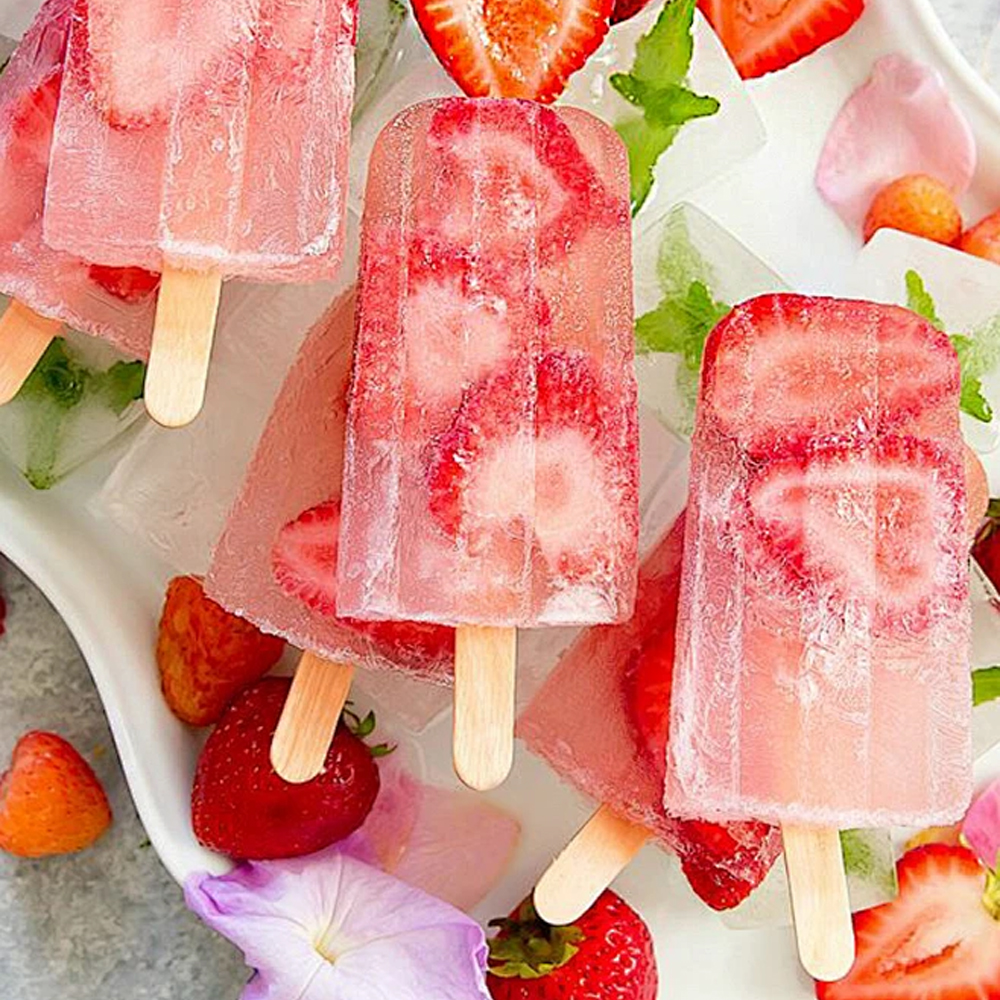
How to Get Popsicles Out of Silicone Molds Without Breaking Them
The most frequent question we receive from end-users is “how to get popsicle out of silicone mold.” While silicone is flexible, a deep-frozen treat can still be stubborn.
The “Wait and Peel” Method: After removing the mold from the freezer, let it sit at room temperature for 1 to 2 minutes. This slight thaw creates a microscopic layer of moisture between the popsicle and the silicone wall, acting as a natural lubricant.
The Warm Water Rinse: If you are in a hurry, run the bottom or outside of the mold under lukewarm water for 5 to 10 seconds. Be careful not to get water on the top of the popsicle itself.
The Gentle Pressure: Once the bond is loosened, push from the bottom of the mold upward. Because silicone is soft, you can literally turn the cavity partially inside out to release the treat. This ensures that even complex shapes, like our signature strawberry or pineapple fruit molds, come out with their textured details intact.
Hygiene and Maintenance: How to Clean Silicone Popsicle Molds
To maintain the longevity of your kitchenware, you must know how to clean silicone popsicle molds properly. Silicone is non-porous, meaning it won’t harbor bacteria easily, but residue from sugary juices or oily dairy bases can build up if not washed correctly.
For routine cleaning, warm soapy water is usually sufficient. Use a soft sponge to reach into the corners of the mold. For deeper cleaning, especially if you’ve used a strong-smelling ingredient like ginger or citrus, you can soak the molds in a mixture of warm water and white vinegar.
A common question is: “can silicone popsicle molds go in the dishwasher?” The answer is a resounding yes. High-quality silicone produced by a reputable manufacturer like Jewelives is designed to withstand the high temperatures and high-pressure sprays of a modern dishwasher. We recommend placing them on the top rack to keep them away from the direct heating element at the bottom, which extends the life of the material’s elasticity.
Sourcing the Best: Where to Buy Silicone Popsicle Molds
If you are a consumer, you will find our products under various premium brand names on major e-commerce platforms. However, if you are a business owner or a professional buyer, you are likely asking “where to buy silicone popsicle molds” in bulk with customization options.
This is where the role of the manufacturer becomes vital. Jewelives operates state-of-the-art facilities in Shenzhen and Vietnam, equipped with 50 injection molding machines and 50 hydraulic presses. This infrastructure allows us to supply top Amazon sellers who require consistent quality and high-volume fulfillment. When sourcing, always look for a factory that holds certifications such as BSCI, Sedex, Disney Fama, and ISO 9001. These aren’t just badges; they are proof that the manufacturer adheres to global safety and ethical labor standards.
The Design Advantage: Fruit Shapes and Aesthetics
In 2026, the “Instagrammability” of a product is a major sales driver. Plain rectangular popsicles are functional, but fruit-shaped molds—strawberries, watermelons, and mangoes—create an emotional connection with the consumer. These designs make healthy eating fun for children and provide a premium “artisan” feel for boutique dessert shops.
Jewelives’ team of 20 R&D specialists focuses on creating these high-fidelity designs. By holding over 500 patents, we ensure that our partners have access to unique shapes that aren’t easily replicated by low-quality competitors. Our fruit-shaped molds are engineered with specific wall thicknesses to ensure they are easy to fill, easy to freeze, and, most importantly, easy to de-mold.
Conclusion: Investing in Quality Silicone
Whether you are making a single batch of yogurt pops for your kids or managing a global supply chain for kitchenware, the quality of the silicone mold is the foundation of success. By following the proper usage and cleaning protocols, these tools can last for years, providing a sustainable and healthy way to enjoy frozen treats.
As the industry continues to grow, Jewelives remains committed to innovative design and manufacturing excellence. We invite you to explore the possibilities of silicone—a material that combines safety, functionality, and endless creative potential.
FAQ: Professional Tips for Silicone Popsicle Molds
Q1: Why does my silicone mold have a white residue after washing?
This is often caused by “hard water” mineral deposits. It is not a defect in the silicone. To remove it, wipe the mold with a cloth soaked in white vinegar or lemon juice, then rinse with fresh water.
Q2: How long does it take for popsicles to freeze in silicone?
Typically, it takes 6 to 8 hours for a standard 100ml popsicle to freeze solid. For best results, we recommend freezing them overnight.
Q3: Can I use silicone popsicle molds for baking?
Yes, most food-grade silicone is oven-safe up to 230°C. However, always check the specific manufacturer guidelines for your mold before placing it in the oven.
Q4: My popsicle stick is crooked. How do I fix this?
Wait until the mixture is “slushy” (about 1.5 to 2 hours in the freezer) before inserting the sticks. This gives the liquid enough density to hold the stick perfectly upright.
Q5: Are silicone molds environmentally friendly?
Silicone is much more durable than single-use plastic and lasts longer than many rigid plastic alternatives. By choosing reusable molds, you are significantly reducing plastic waste in your household.