English
  French
  German
  Spanish
  Russian
  Polish
  Chinese
  Japanese
  Korean
Contents
How to Clean and Sterilize Silicone Baby Toys Safely: A Complete Parent Guide
Silicone baby toys have become one of the most popular choices for modern parents. From silicone teethers and stacking toys to sensory toys and feeding accessories, silicone products are widely used because they are soft, durable, and easy to clean.
However, many parents still ask important questions before using them daily:
- How to clean silicone baby toys?
- How to sterilize silicone baby toys?
- How to sanitize silicone baby toys?
- Is silicone safe for baby toys?
- Is silicone better than plastic for baby toys?
- Can silicone baby toys be disinfected properly?
As babies constantly place toys in their mouths, proper cleaning and safe material selection are extremely important. This guide explains how to safely clean and maintain silicone baby toys while helping parents understand why food-grade silicone is becoming a preferred alternative to traditional plastic toys.
What Are Silicone Baby Toys?
Silicone baby toys are products made from food-grade or medical-grade silicone rubber. They are commonly used for:
- Silicone teethers
- Sensory toys
- Baby stacking toys
- Silicone rattles
- Bath toys
- Silicone feeding accessories
- Montessori toys
- Baby chewing toys
Silicone is popular because it is:
- Soft and flexible
- BPA-free
- Durable
- Heat resistant
- Easy to sterilize
- Odor resistant
- Non-toxic when properly manufactured
Unlike some plastic materials, high-quality silicone does not easily crack or release harmful substances during daily use.
Is Silicone Safe for Baby Toys?
Yes. High-quality food-grade silicone is considered one of the safest materials for baby toys.
Food-grade silicone is widely used in:
- Baby feeding products
- Pacifiers
- Medical devices
- Kitchen utensils
- Baking tools
Why Silicone Is Considered Safe
Premium silicone baby toys are usually:
- BPA-free
- Phthalate-free
- PVC-free
- Lead-free
- Latex-free
Food-grade silicone is chemically stable and resistant to high and low temperatures, making it suitable for babies who chew on toys frequently.
High-quality silicone also does not absorb odors or bacteria easily when cleaned correctly.
However, parents should always choose certified products from reliable manufacturers because low-quality silicone may contain fillers or unsafe additives.
Is Silicone Better Than Plastic for Baby Toys?
Many parents today prefer silicone over plastic for baby products.
Advantages of Silicone Baby Toys
Softer and More Flexible
Silicone is softer than many hard plastic materials, making it gentler on babies’ gums and teeth.
Better Heat Resistance
Silicone can withstand boiling, steaming, and sterilization better than many plastic toys.
More Durable
Food-grade silicone resists cracking, peeling, and breaking.
Easier to Sterilize
Parents can safely sanitize silicone toys using boiling water, steam sterilizers, or dishwashers.
Lower Risk of Harmful Chemicals
Premium silicone does not contain BPA or many chemicals commonly associated with low-quality plastics.
Advantages of Plastic Baby Toys
Plastic toys are often:
- Lower cost
- Lightweight
- Available in complex designs
However, some plastic toys may degrade over time or become difficult to sanitize completely if scratched.
For products that babies chew frequently, many parents prefer food-grade silicone because of its softer texture and easier cleaning.
How to Clean Silicone Baby Toys
Regular cleaning helps remove saliva, food residue, dust, and bacteria from baby toys.
Daily Cleaning Method
For daily cleaning:
- Rinse the toy with warm water
- Use mild baby-safe dish soap
- Gently scrub textured areas with a soft brush
- Rinse thoroughly
- Air dry completely before storage
This method works well for:
- Silicone teethers
- Sensory toys
- Bath toys
- Feeding accessories
Dishwasher Cleaning
Many silicone baby toys are dishwasher safe.
Tips for dishwasher cleaning:
- Place toys on the top rack
- Use mild detergent
- Avoid extremely high drying temperatures if not recommended
Always check manufacturer instructions first.
How to Sterilize Silicone Baby Toys
Parents often sterilize toys during early infancy or after illness.
Boiling Water Sterilization
One of the easiest methods is boiling.
Steps:
- Bring water to a boil
- Place silicone toys in boiling water for 3–5 minutes
- Remove carefully with clean tongs
- Allow toys to air dry
Food-grade silicone handles heat well, making this method highly effective.
Steam Sterilization
Electric steam sterilizers designed for baby bottles also work for many silicone toys.
Steam sterilization helps kill bacteria without chemicals.
UV Sterilization
UV sterilizers use ultraviolet light to reduce bacteria and germs.
This method is becoming increasingly popular among parents because it is:
- Chemical-free
- Convenient
- Gentle on materials
How to Sanitize Silicone Baby Toys
Sanitizing helps reduce germs between deep cleanings.
Vinegar and Water Solution
A diluted white vinegar solution can help sanitize silicone safely.
Mix:
- 1 part white vinegar
- 4 parts warm water
Soak briefly, rinse thoroughly, and air dry.
Baby-Safe Sanitizing Sprays
Some parents use baby-safe sanitizing sprays specifically designed for infant products.
Avoid products containing:
- Harsh bleach concentrations
- Strong alcohol solutions
- Industrial disinfectants
How to Disinfect Silicone Baby Toys
Disinfecting is often recommended after illness or exposure to contaminated surfaces.
Best Disinfection Methods
The safest methods include:
- Boiling
- Steam sterilization
- UV sterilization
These methods effectively reduce bacteria without leaving harmful residues.
Avoid Harsh Chemicals
Avoid prolonged use of:
- Strong bleach
- Abrasive cleaners
- Industrial disinfectants
Harsh chemicals may damage the silicone surface over time.
Can Silicone Baby Toys Be Used With Organic Baby Oil?
Some parents use organic baby oil to maintain certain baby products or soothe skin irritation.
Is Silicone Compatible With Organic Baby Oil?
Generally, small amounts of organic baby oil are not harmful to food-grade silicone.
However:
- Excess oil may leave residue
- Oily buildup can attract dust
- Toys should be cleaned regularly after contact with oils
If using baby oil during teething or massage routines, wash toys afterward to maintain hygiene.
Signs of High-Quality Silicone Baby Toys
Not all silicone toys are manufactured equally.
Look for These Features
Food-Grade Certification
Reliable products may comply with:
- FDA standards
- LFGB standards
- CPSIA regulations
- EN71 toy safety standards
No Strong Odor
Premium silicone should have little to no smell.
Smooth Surface
The material should feel soft and smooth without stickiness.
Durable Construction
Quality silicone should resist tearing and cracking.
How Silicone Baby Toys Are Made
The manufacturing process directly affects product safety and quality.
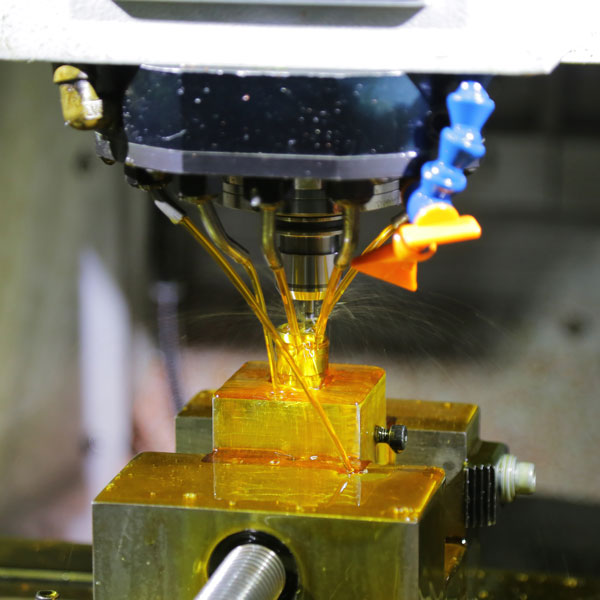
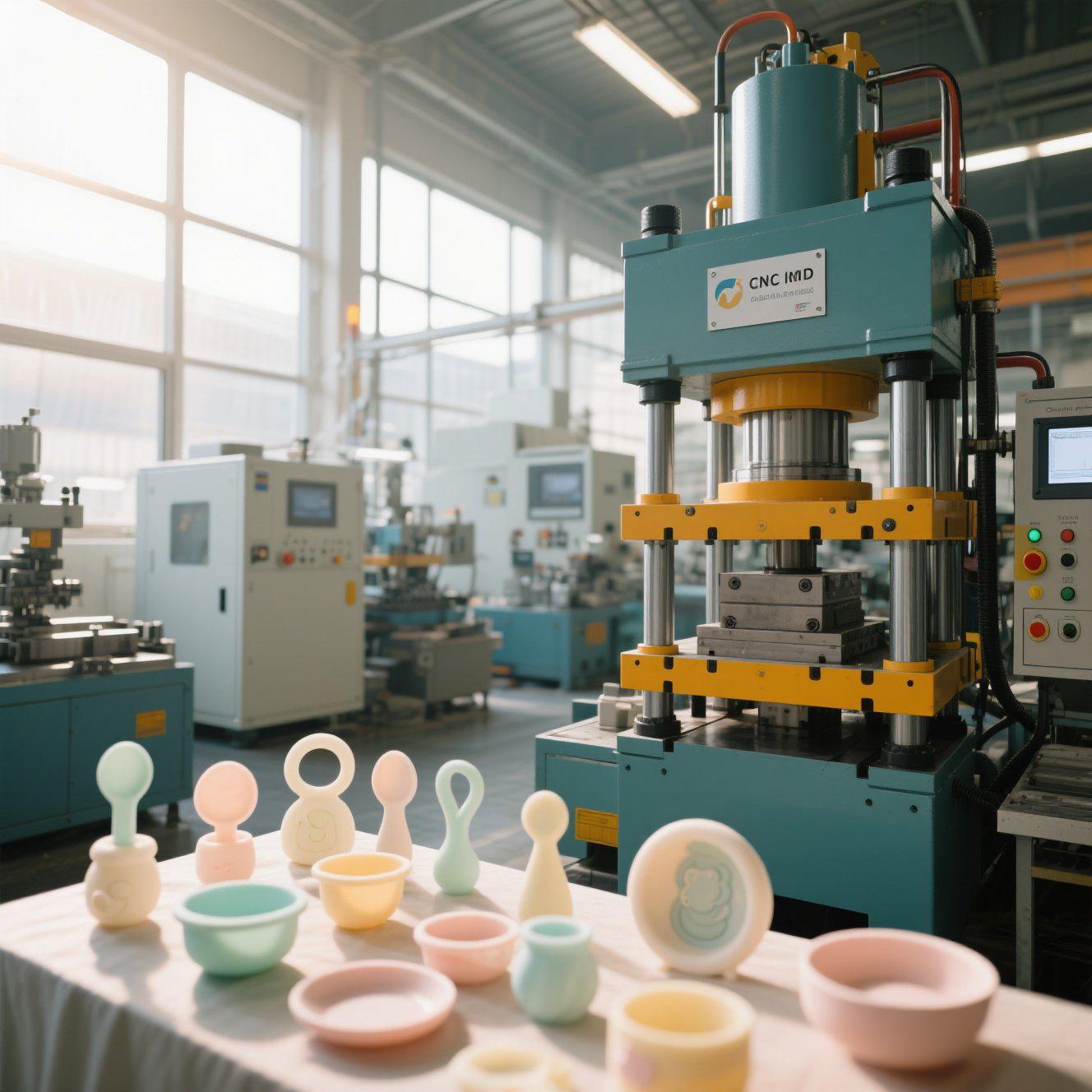
High-quality silicone baby toys are typically produced using:
- Compression molding
- Liquid silicone rubber injection molding (LSR)
- Platinum-cured silicone processes
The best manufacturers also perform:
- Secondary vulcanization
- Safety testing
- Material inspections
- Color consistency checks
Why Brands Choose Jewelives for Silicone Baby Toys
Jewelives is a professional silicone baby product manufacturer specializing in custom silicone teething products and baby accessories.
With years of silicone manufacturing experience, Jewelives supports global baby brands, wholesalers, and retailers with OEM and ODM services.
Jewelives Custom Silicone Services
Jewelives provides:
- Custom silicone teether manufacturing
- Custom logo printing
- Custom sizes and shapes
- Pantone color matching
- Custom packaging solutions
- OEM and ODM product development
- FDA and LFGB compliant materials
The company manufactures a wide range of silicone products, including:
- Silicone teethers
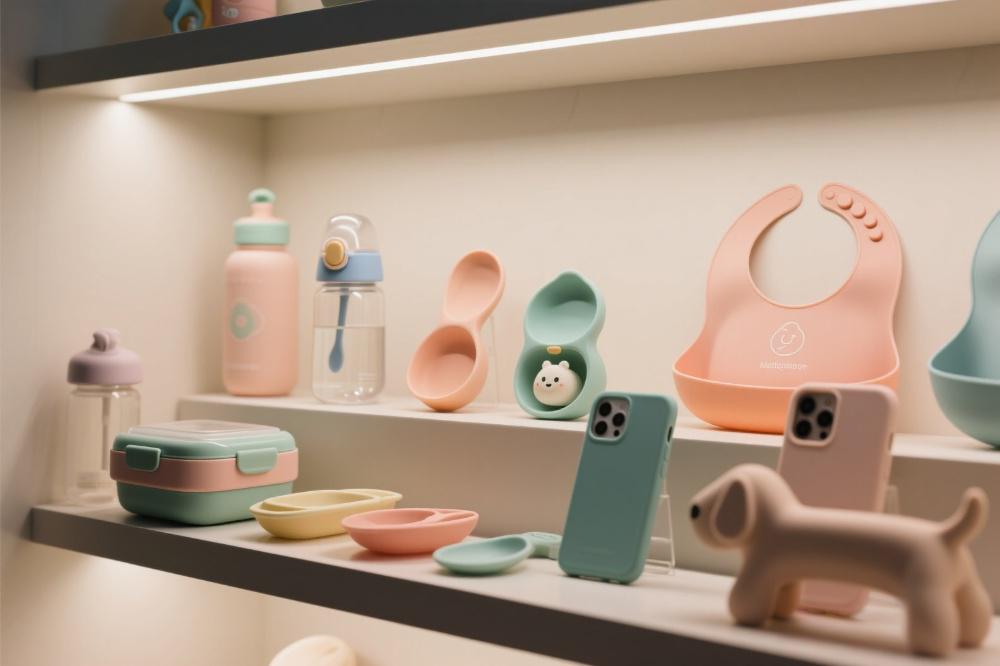
- Silicone baby bibs
- Silicone feeding sets
- Silicone baby spoons
- Silicone sensory toys
- Silicone kitchen products
Jewelives focuses on product safety, quality consistency, and customized solutions for global brands.
Final Thoughts
Silicone baby toys are widely considered safe, durable, and practical for modern parenting when made from certified food-grade silicone.
Parents should focus on:
- Choosing high-quality silicone products
- Cleaning toys regularly
- Sterilizing when needed
- Avoiding low-quality materials
- Replacing damaged toys promptly
Compared with many traditional plastic products, silicone baby toys offer better flexibility, easier sterilization, and improved durability.
By selecting reliable products and following proper cleaning methods, parents can safely use silicone baby toys throughout the teething and developmental stages.
FAQ
How often should silicone baby toys be cleaned?
Silicone baby toys should ideally be cleaned daily, especially if babies frequently chew on them.
Can you boil silicone baby toys?
Yes. Most food-grade silicone toys can safely be boiled for sterilization.
Are silicone baby toys dishwasher safe?
Many are dishwasher safe, but always follow manufacturer instructions.
How do you remove odors from silicone baby toys?
Soaking toys in warm water with diluted white vinegar may help remove odors.
Can silicone baby toys grow mold?
Silicone itself resists moisture well, but improper drying may allow mold buildup in hidden areas or hollow toys.
Are silicone baby toys BPA free?
High-quality food-grade silicone toys are usually BPA-free.
Is silicone safer than plastic for baby toys?
Many parents prefer silicone because it is softer, easier to sterilize, and generally free from BPA and phthalates.
How long do silicone baby toys last?
With proper cleaning and storage, high-quality silicone baby toys can last for years.