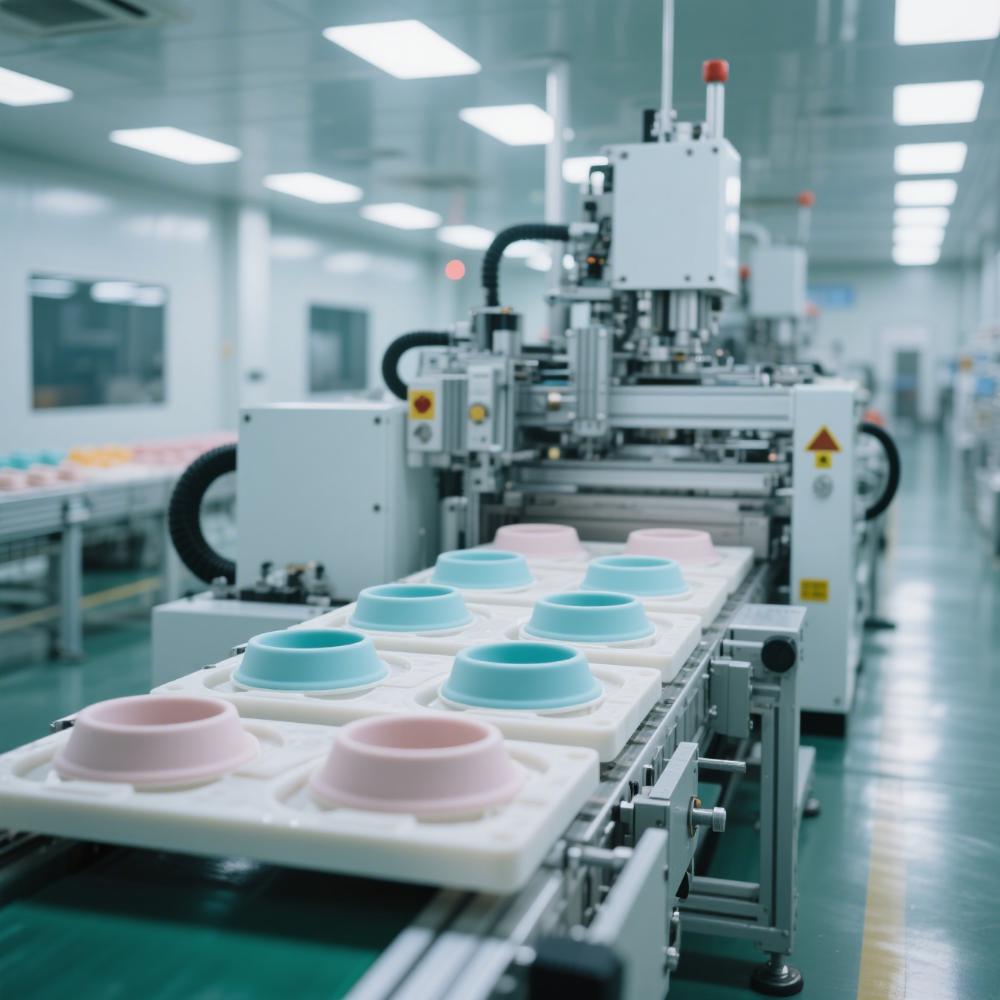
5 Key Criteria to Choose High-Quality Silicone Containers for Bulk Orders

1. Material Certification: The Foundation of Safety in Silicone Food Storage Containers

When sourcing silicone containers for bulk or custom orders, the first step is verifying material certification. High-quality silicone must meet FDA/ISO 10993 standards for food contact safety and ROHS compliance for chemical restrictions. For businesses targeting global markets, ensure the material is BPA-free and non-toxic, with no odor or discoloration after repeated use.

A practical test: Heat a sample container to 220°C and observe if it releases any volatile organic compounds (VOCs). If it does, the material likely contains low-grade fillers. For large-volume orders, request third-party lab reports to confirm compliance with LFGB (EU) or GB 4806 (China) standards.


Silicone Containers 32. Temperature Resistance: Why It Matters for Silicone Food Containers

Silicone containers must withstand extreme temperatures to suit diverse applications. For example, microwave-safe food storage containers require a minimum heat resistance of 180°C, while freezer-safe options must remain flexible at -40°C.
A common oversight is assuming all silicone materials are equal. To avoid this, specify the temperature range in your custom order (e.g., -40°C to 230°C). This ensures compatibility with oven baking, steam cooking, or refrigeration without warping or cracking.


Silicone Containers 23. Structural Design: Customizing Soft Shell Food Containers for Practicality

The design of soft-shell food containers directly impacts usability and durability. Key considerations include:

  • Wall thickness: 2-3mm is optimal for balancing flexibility and rigidity.
  • Lid sealing mechanism: A dual-layer silicone seal prevents leaks during transport.
  • Foldable structure: For compact storage, ensure the container can flatten without losing shape.

For businesses offering reusable sandwich containers, prioritize ergonomic handles and stackable bases to enhance the user experience. Custom designs can integrate branded logos or special compartments for niche markets like meal kits or catering services.

4. Durability Testing: Ensuring Long-Term Performance

Durability is critical for reusable food storage containers, especially in bulk orders. Request samples to perform these tests:

  • Tensile strength: A quality container should withstand 10,000+ flex cycles without tearing.
  • UV resistance: Expose samples to sunlight for 72 hours; premium silicone shows minimal yellowing.
  • Impact resistance: Drop the container from 1 meter onto a hard surface 10 times; no cracks or deformations.

For industrial clients (e.g., restaurant supply chains), specify anti-microbial additives to meet hygiene standards.

5. Customization Scope: Tailoring Foldable Food Containers for Niche Markets

Customization is where silicone containers truly shine. Unlike rigid plastics, silicone allows for:

  • Mold complexity: Deep-draw molds for foldable food containers with intricate shapes.
  • Color consistency: Pantone color matching for branding.
  • Functional features: Leak-proof lids, measuring scales, or microwave-safe labels.

For example, a bulk order for reusable sandwich containers could include child-safe locks for school lunches or spill-proof spouts for smoothie brands. Collaborate with manufacturers offering tooling design support to optimize cost and functionality.

Conclusion: Balancing Quality, Functionality, and Customization

Selecting the right silicone containers requires balancing material integrity, performance, and adaptability. By prioritizing certifications, temperature resistance, structural design, durability, and customization, businesses can deliver products that meet both regulatory and market demands. For large-volume orders, partnering with a manufacturer experienced in deep-mold customization ensures solutions that align with your brand’s unique needs.
Powiązany post

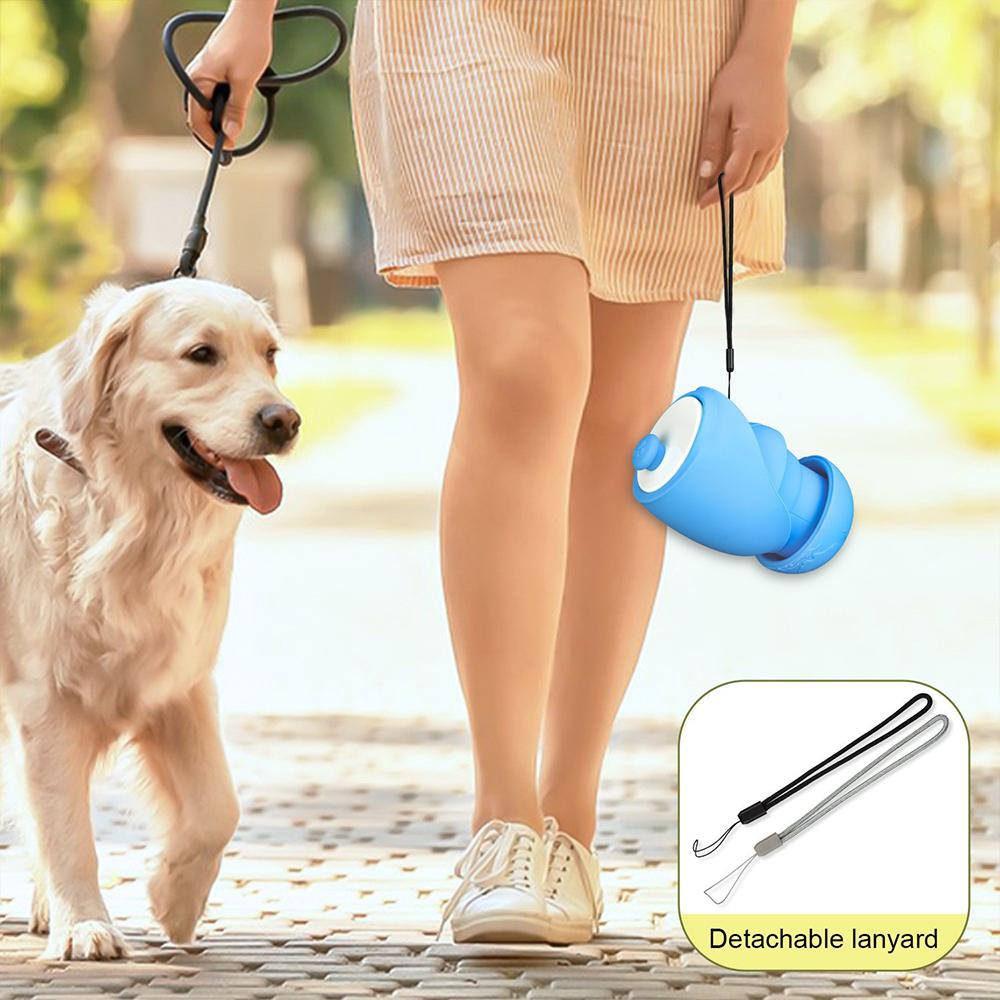
Dog Travel Water Bottles 2
Introduction to Silicone Manufacturing Silicone manufacturing is a specialized industry that requires a deep understanding of material science, chemical engineering, and environmental management. As a leading silicone factory, we pride ourselves on our ability to create custom silicone products tailored to the unique needs of our wholesale clients. This article delves into the manufacturing process, health and safety considerations, and the management strategies that ensure the highest standards of quality and compliance. 1. The Manufacturing Process of Silicone 1.1 Overview of the Manufacturing Process The silicone manufacturing process involves the transformation of raw silicone materials into finished products through curing and vulcanization. Curing refers to the process where silicone compounds harden through the addition of heat or moisture, while vulcanization involves the use of catalysts to speed up the hardening process. Over the years, we have perfected these processes to ensure the production of durable and high-quality silicone products. Curing with Peroxides During the vulcanization process employing peroxides, peroxides are incorporated into the silicone compound, which triggers a reaction leading to material solidification. This approach is renowned for its dependability and its capability to attain broad hardness levels in the end products. It is applicable for general silicone rubber goods, like those used in wires and cables, and also for oil-resistant and solvent-resistant silicone rubbers. Vulcanization with Platinum Catalysts On the other hand, vulcanization using a platinum catalyst is a more specialized process that allows for exceptional control of the reaction and produces items with superior purity and performance. This method is particularly suited for manufacturing custom silicone products that require high precision and consistency. It is ideal for products where environmental protection and hygiene conditions are of higher concern, such as food-grade silicone products and medical devices. 1.2 Chemical Composition and Volatile Emissions The chemical composition of silicone materials includes base polymers, fillers, and additives. Additives play a crucial role in enhancing the properties of silicone products, such as flexibility, heat resistance, and UV stability. Curing agents and catalysts are essential for initiating and controlling the polymerization reactions that lead to the formation of the silicone product. 1.3 Common Volatiles in Silicone Manufacturing During the manufacturing process, various volatile organic compounds (VOCs) can be emitted, including methyl siloxanes and other siloxane oligomers. These emissions can have environmental and health implications, which is why our silicone factory has implemented stringent measures to minimize their release. 2. Health, Safety, and Environmental Impact 2.1 Health and Safety Risks in the Manufacturing Environment The health and safety of our workers is paramount. In the silicone manufacturing environment, exposure to uncured silicone, catalysts, and other chemicals can pose risks. Therefore, we have established safety measures and protocols that include the use of personal protective equipment (PPE) and regular health check-ups for our employees. 2.2 Impact of Volatiles on the Environment The release of volatiles into the environment can contribute to air pollution and have long-term effects on ecosystems. As a responsible silicone factory, we are committed to reducing our environmental footprint by adopting advanced technologies that minimize VOC emissions and by recycling waste materials whenever possible. 2.3 Regulatory Compliance and Standards Adherence to regulations is a cornerstone of our operations. Both national and international standards, such as those set by the European Union's REACH regulations and the United States' EPA guidelines, dictate the allowable levels of VOC emissions and the safety measures that must be in place. Our silicone factory is fully compliant with these standards, ensuring that our operations are both safe and environmentally responsible. 3. Management Strategies 3.1 Implementing Safety Measures and Protocols To safeguard our workers and the environment, we have implemented a range of safety measures and protocols. These include the use of closed-loop systems to capture and treat emissions, regular equipment maintenance to prevent leaks, and comprehensive training programs for our staff. 3.2 Advancements in Process and Material Technology Innovation is at the heart of our silicone manufacturing process. We continuously invest in research and development to improve our manufacturing processes and material technologies. This includes exploring new catalysts that reduce VOC emissions and developing silicone compounds with enhanced properties for applications like silicone lunch boxes and water bottles. 3.3 Regulatory Compliance and Environmental Management Our commitment to regulatory compliance extends beyond mere adherence to standards. We actively engage with regulatory bodies to ensure that our practices are not only compliant but also contribute to the development of more stringent environmental protections. Our environmental management system is certified to ISO 14001, demonstrating our dedication to sustainable practices. 4. Conclusion Silicone manufacturing is a complex process that requires a delicate balance between product quality, worker safety, and environmental responsibility. As a silicone factory specializing in custom silicone products, we are committed to maintaining the highest standards across all aspects of our operations. By investing in advanced technologies, adhering to strict safety protocols, and prioritizing environmental stewardship, we ensure that our silicone products meet the needs of our wholesale clients while also protecting the health of our workers and the planet.
Silicone Pet Supplies 2
15 Silicon
Przewiń do góry

Kontakt