How To Make Silicone Plates?

How To Make Silicone Plates? A Complete Guide

Wprowadzenie

Silicone plates have become one of the most practical innovations in modern dining and childcare. Unlike fragile glass or chemical-leaching plastics, silicone plates are flexible, safe, and eco-friendly. Parents especially love them as part of silikonowe zestawy do karmienia niemowląt, often combined with silicone suction bowls, silicone bibs, and complete weaning kits.

But have you ever wondered how silicone plates are actually made? Let’s walk through the process step by step.


Why Silicone Plates Are So Popular

Silicone has unique advantages over traditional materials:

  • Bezpieczeństwo przede wszystkim: 100% food-grade, free from BPA, phthalates, PVC, and harmful toxins.

  • Heat & Cold Resistant: Suitable for microwaves, dishwashers, freezers, and even boiling water.

  • Durability: Does not crack, shatter, or break like plastic or glass.

  • Przyjazny dla środowiska: Reusable for years, reducing single-use waste.

  • Baby-Friendly: Soft texture protects delicate gums, making it ideal for silicone suction baby feeding sets.

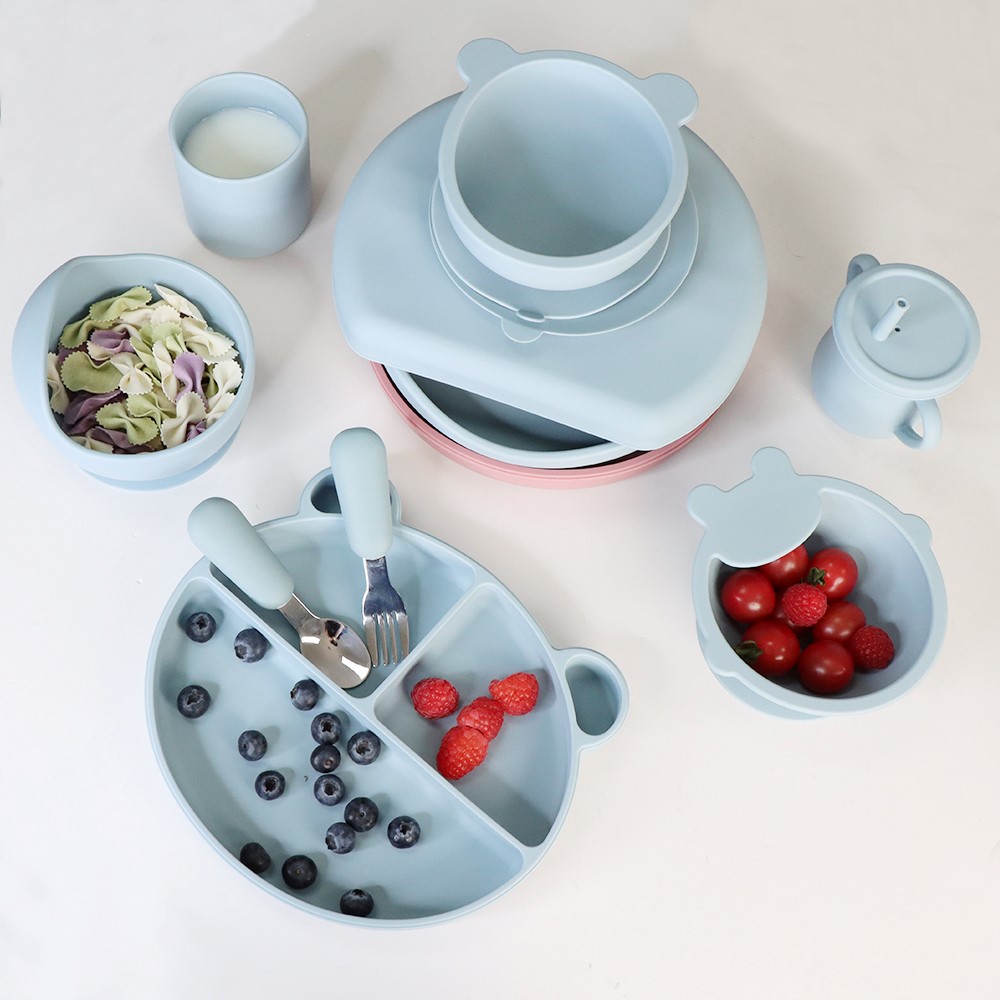
    silicone baby weaning set
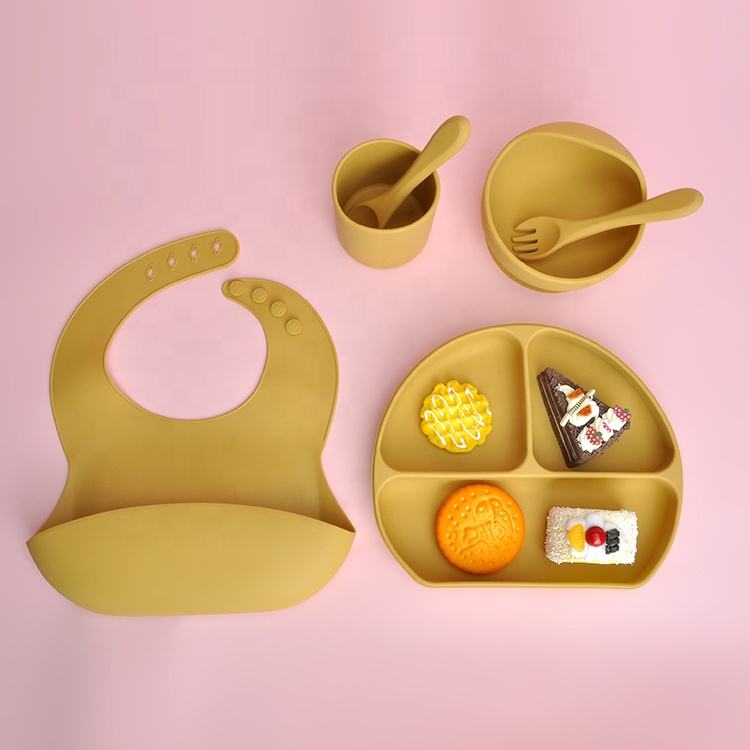
    silicone baby weaning set

How Silicone Plates Are Made

1. Material Preparation

The process begins with carefully selecting food-grade or medical-grade silicone, which complies with global certifications such as FDA, LFGB, and SGS. Pigments are added for color customization, ensuring plates are both safe and visually appealing.

2. Molding Techniques

Silicone can be shaped using different molding processes:

  • Compression Molding – Pre-measured silicone blocks are pressed into heated molds, creating simple yet durable shapes.

  • Liquid Silicone Rubber (LSR) Injection Molding – Liquid silicone is injected into steel molds under high pressure, ideal for precision products like divided plates or silicone suction bowls.

  • Multi-color & 3D Molding – Enables creative designs, patterns, and playful shapes, popular for children’s tableware.

3. Curing & Demolding

The molded silicone is heated and cured, which strengthens its flexibility and durability. Once set, the product is carefully demolded to maintain its final shape.

4. Post-Processing

Products are then polished, edges trimmed, and branding can be applied through laser engraving or screen printing. This step also ensures smooth surfaces that are safe for babies to handle and chew on.

5. Secondary Vulcanization

To eliminate any remaining odor and ensure complete safety, plates undergo a high-temperature baking process. This step is critical for baby products, guaranteeing compliance with global safety standards.

6. Quality Inspection

Each plate is tested for elasticity, stain resistance, and suction power (for silicone suction feeding sets). Only products that pass strict quality checks are approved for packaging.


Customization and Design Options

Modern consumers expect more than function—they want style and individuality. That’s why many manufacturers offer:

  • Divided plate sections for baby-led weaning

  • Fun shapes like animals, cars, or sports themes (e.g., soccer or basketball plates)

  • Matching silicone bibs, spoons, and suction bowls

  • OEM/ODM services for brand personalization

This makes silicone weaning sets not only practical but also visually engaging for babies.
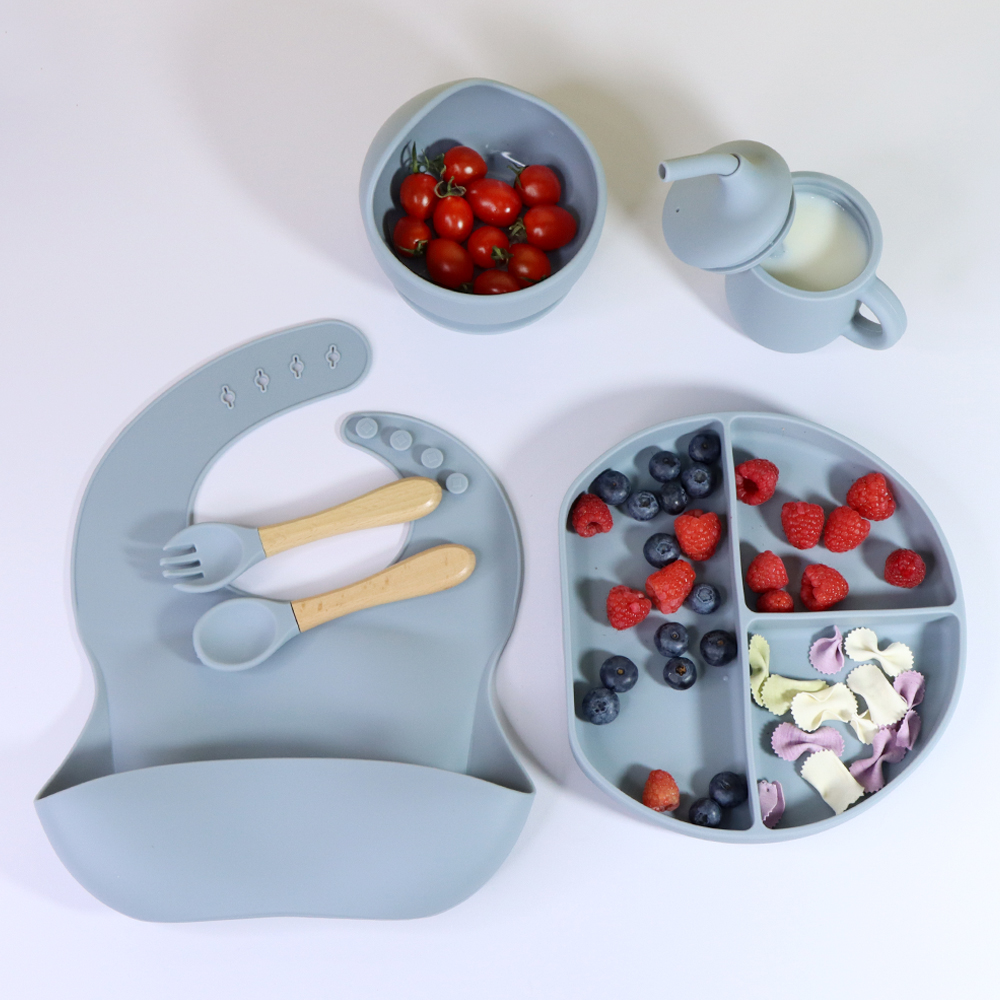
silicone weaning set

Applications of Silicone Plates

  • Karmienie niemowląt: The most common use, paired with suction bowls and bibs to prevent spills.

  • Travel & Outdoor: Lightweight and foldable silicone plates are perfect for picnics or camping.

  • Daily Family Dining: Durable enough for adults while safe for toddlers.


How Silicone Plates Compare to Other Materials

  • Tworzywo sztuczne: Cheap but prone to chemical leaching and microplastic pollution.

  • Glass: Natural and hygienic but heavy and breakable, unsafe for babies.

  • Stal nierdzewna: Durable but less baby-friendly due to hardness and weight.

  • Silikon: The perfect balance—safe, flexible, durable, and eco-friendly.


Wnioski

The process of making silicone plates involves advanced molding technology, strict sterilization, and thorough quality control. The result is durable, non-toxic, and baby-friendly tableware that has quickly become the gold standard for modern families.

Parents worldwide are switching to silicone suction baby feeding sets, complete with plates, bowls, and bibs, for a safer and stress-free mealtime experience.


About Jewelives – Your Reliable Silicone Tableware Manufacturer

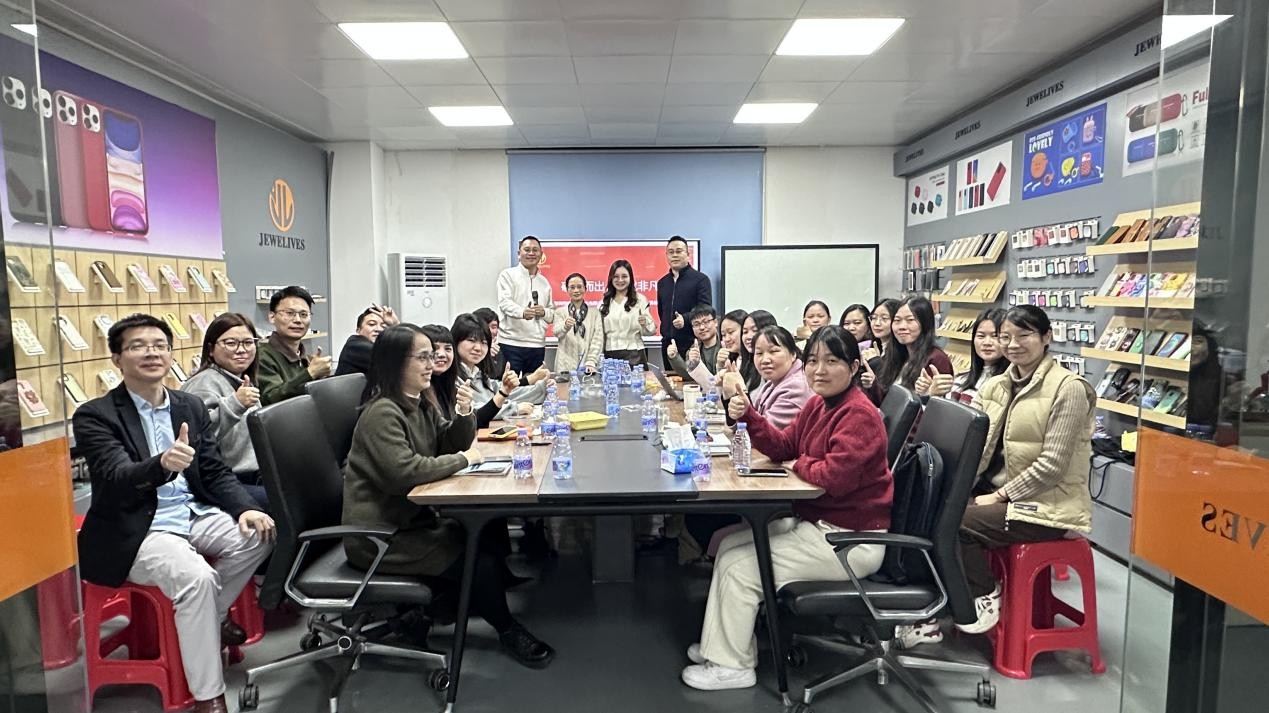
Przy Jewelives, we have over 21 years of experience in producing premium silicone products. Our factory is certified by BSCI, Sedex, ISO 9001, Disney FAMA, and GMP, ensuring the highest international standards.

We specialize in:

  • Silicone suction bowls, baby feeding sets, weaning plates, and bibs

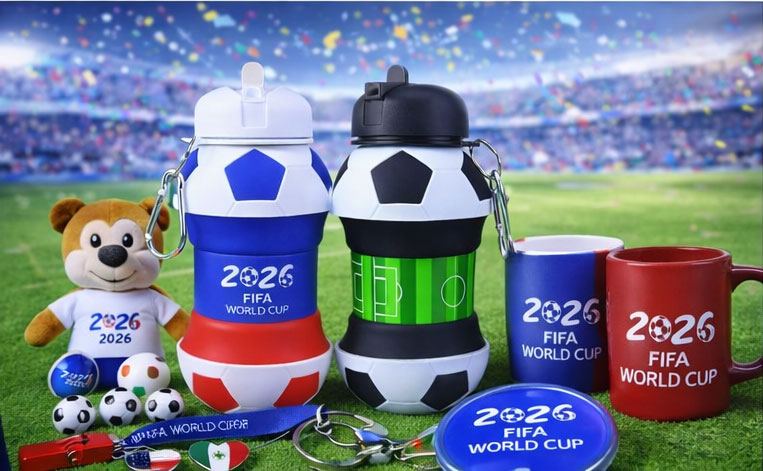
  • Over 500 patented designs annually, including fun shapes like soccer and basketball plates

  • OEM & ODM services for global brands seeking unique and certified silicone solutions

  • Strict quality inspection with FDA & LFGB certified food-grade silicone

Contact Jewelives today to request our catalog or customize your own silicone baby feeding collection. Together, we can create safe, stylish, and innovative solutions for your market.
Powiązany post

Platinum Cured Silicone Vs Peroxide Curing Silicone
Silicone glass
Custom Silicone Molding
Introduction to Silicone Manufacturing Silicone manufacturing is a specialized industry that requires a deep understanding of material science, chemical engineering, and environmental management. As a leading silicone factory, we pride ourselves on our ability to create custom silicone products tailored to the unique needs of our wholesale clients. This article delves into the manufacturing process, health and safety considerations, and the management strategies that ensure the highest standards of quality and compliance. 1. The Manufacturing Process of Silicone 1.1 Overview of the Manufacturing Process The silicone manufacturing process involves the transformation of raw silicone materials into finished products through curing and vulcanization. Curing refers to the process where silicone compounds harden through the addition of heat or moisture, while vulcanization involves the use of catalysts to speed up the hardening process. Over the years, we have perfected these processes to ensure the production of durable and high-quality silicone products. Curing with Peroxides During the vulcanization process employing peroxides, peroxides are incorporated into the silicone compound, which triggers a reaction leading to material solidification. This approach is renowned for its dependability and its capability to attain broad hardness levels in the end products. It is applicable for general silicone rubber goods, like those used in wires and cables, and also for oil-resistant and solvent-resistant silicone rubbers. Vulcanization with Platinum Catalysts On the other hand, vulcanization using a platinum catalyst is a more specialized process that allows for exceptional control of the reaction and produces items with superior purity and performance. This method is particularly suited for manufacturing custom silicone products that require high precision and consistency. It is ideal for products where environmental protection and hygiene conditions are of higher concern, such as food-grade silicone products and medical devices. 1.2 Chemical Composition and Volatile Emissions The chemical composition of silicone materials includes base polymers, fillers, and additives. Additives play a crucial role in enhancing the properties of silicone products, such as flexibility, heat resistance, and UV stability. Curing agents and catalysts are essential for initiating and controlling the polymerization reactions that lead to the formation of the silicone product. 1.3 Common Volatiles in Silicone Manufacturing During the manufacturing process, various volatile organic compounds (VOCs) can be emitted, including methyl siloxanes and other siloxane oligomers. These emissions can have environmental and health implications, which is why our silicone factory has implemented stringent measures to minimize their release. 2. Health, Safety, and Environmental Impact 2.1 Health and Safety Risks in the Manufacturing Environment The health and safety of our workers is paramount. In the silicone manufacturing environment, exposure to uncured silicone, catalysts, and other chemicals can pose risks. Therefore, we have established safety measures and protocols that include the use of personal protective equipment (PPE) and regular health check-ups for our employees. 2.2 Impact of Volatiles on the Environment The release of volatiles into the environment can contribute to air pollution and have long-term effects on ecosystems. As a responsible silicone factory, we are committed to reducing our environmental footprint by adopting advanced technologies that minimize VOC emissions and by recycling waste materials whenever possible. 2.3 Regulatory Compliance and Standards Adherence to regulations is a cornerstone of our operations. Both national and international standards, such as those set by the European Union's REACH regulations and the United States' EPA guidelines, dictate the allowable levels of VOC emissions and the safety measures that must be in place. Our silicone factory is fully compliant with these standards, ensuring that our operations are both safe and environmentally responsible. 3. Management Strategies 3.1 Implementing Safety Measures and Protocols To safeguard our workers and the environment, we have implemented a range of safety measures and protocols. These include the use of closed-loop systems to capture and treat emissions, regular equipment maintenance to prevent leaks, and comprehensive training programs for our staff. 3.2 Advancements in Process and Material Technology Innovation is at the heart of our silicone manufacturing process. We continuously invest in research and development to improve our manufacturing processes and material technologies. This includes exploring new catalysts that reduce VOC emissions and developing silicone compounds with enhanced properties for applications like silicone lunch boxes and water bottles. 3.3 Regulatory Compliance and Environmental Management Our commitment to regulatory compliance extends beyond mere adherence to standards. We actively engage with regulatory bodies to ensure that our practices are not only compliant but also contribute to the development of more stringent environmental protections. Our environmental management system is certified to ISO 14001, demonstrating our dedication to sustainable practices. 4. Conclusion Silicone manufacturing is a complex process that requires a delicate balance between product quality, worker safety, and environmental responsibility. As a silicone factory specializing in custom silicone products, we are committed to maintaining the highest standards across all aspects of our operations. By investing in advanced technologies, adhering to strict safety protocols, and prioritizing environmental stewardship, we ensure that our silicone products meet the needs of our wholesale clients while also protecting the health of our workers and the planet.
Przewiń do góry

Kontakt