Materiały silikonowe ujawnione: Czy naprawdę znasz swoje produkty silikonowe?

Silikon, pozornie prozaiczny materiał o niezliczonych możliwościach w życiu codziennym, po cichu zmienia sposób, w jaki żyjemy dzięki swojemu wyjątkowemu urokowi. Od gadżetów kuchennych po precyzyjne komponenty w sektorze zaawansowanych technologii, silikon dotarł do niemal każdego zakątka. Ale czy naprawdę rozumiesz wszechstronność tego niesamowitego materiału? Dziś rozwikłamy tajemnicę silikonu i przedstawimy rodzaje materiałów silikonowych, ich właściwości i ekscytujące zastosowania w naszych produktach.

Rodzaje materiałów silikonowych: od podstawowych do wysokiej klasy

1. Silikon spożywczy

Silikon spożywczy to rodzaj silikonu przeznaczony do kontaktu z żywnością. Jest nietoksyczny, bezwonny i nieporowaty oraz jest w stanie wytrzymać ekstremalne zmiany temperatury, od niskich temperatur w lodówce po wysokie temperatury w piekarniku. Czystość i bezpieczeństwo tego silikonu sprawiają, że idealnie nadaje się on do produkcji silikonowych butelek na wodę, zapewniając, że każda kropla wody jest czysta i niezanieczyszczona. Odpowiednie certyfikaty produktu obejmują: LFGB, JIS, AS, CFIA itp.


Food-grade silicone

2. Silikon klasy medycznej

Silikon klasy medycznej idzie o krok dalej pod względem czystości, ponieważ musi spełniać bardziej rygorystyczne normy, takie jak FDA i ISO 10993. Ten gatunek silikonu jest wysoce biokompatybilny i jest powszechnie stosowany w urządzeniach medycznych, takich jak wszczepialne urządzenia medyczne i jednorazowe materiały medyczne. Jego wysokie bezpieczeństwo zapewnia, że jest bezpieczny w kontakcie z ludźmi.


Medical Grade Silicone

3. Silikon klasy przemysłowej

Silikon klasy przemysłowej jest często stosowany w środowiskach wymagających wysokich właściwości fizycznych i stabilności chemicznej, takich jak przemysł motoryzacyjny, lotniczy i elektroniczny. Silikon ten można dostosować pod względem twardości i koloru do różnych potrzeb przemysłowych. Odporność na oleje, rozpuszczalniki i starzenie sprawia, że jest to preferowany wybór do szerokiej gamy zastosowań przemysłowych.


Industrial Grade Silicone
4. Płynna guma silikonowa (LSR)

Płynna guma silikonowa (LSR) to dwuskładnikowy system silikonowy, który może być utwardzany w temperaturze pokojowej lub podgrzewany w celu przyspieszenia utwardzania. LSR sprawdza się w produkcji precyzyjnych części, takich jak plomby do telefonów komórkowych i złączy słuchawkowych ze względu na doskonałą płynność i możliwości formowania.

Liquid Silicone Rubber (LSR)


Właściwości materiałów silikonowych: Dlaczego jest tak wyjątkowy?

Odporność na temperaturę: Silikon może pozostać stabilny w zakresie temperatur od -60°C do 250°C, a niektóre jego rodzaje mogą nawet wytrzymać wyższe temperatury.
Odporność chemiczna: Większość silikonów ma dobrą odporność na wodę, kwasy, zasady i wiele chemikaliów.

Biokompatybilność: Silikon spożywczy i medyczny nie powoduje reakcji alergicznych i jest przyjazny dla skóry.

Elastyczność i trwałość: Silikon jest elastyczny, niełatwy do zużycia i pozostaje w dobrym stanie przez długi czas.

Przezroczystość i kolor: Silikon może być przezroczysty lub w różnych kolorach, piękny i hojny.

Produkty silikonowe: Jak poprawić jakość życia?

Silikonowa butelka na wodę: Lekka, szczelna, łatwa do czyszczenia, odpowiednia do uprawiania sportów na świeżym powietrzu i codziennego użytku. Jego miękka tekstura ułatwia przenoszenie i jest nietłukąca, co czyni go doskonałą alternatywą dla tradycyjnych szklanych lub metalowych butelek na wodę.

Silikon Cube Mold: Elastyczne silikonowe przegródki na lód umożliwiają łatwe wyjmowanie kostek lodu, bez konieczności uderzania lub naciskania. Kreatywna konstrukcja pozwala również na tworzenie kostek lodu w różnych kształtach, co dodatkowo urozmaica letnie drinki.

Silikon Pobudowa hone: Wykonane z silikonu klasy przemysłowej etui nie tylko zapewnia doskonałą ochronę przed wstrząsami, ale także jest odporne na codzienne zużycie. Jego unikalny wygląd i design sprawiają, że telefon wyróżnia się z tłumu etui.

Dzięki doskonałej wydajności i szerokiemu zakresowi zastosowań silikon stał się ważną częścią współczesnego życia. Od bezpiecznych i zdrowych silikonowych butelek na wodę o jakości spożywczej, przez kreatywne silikonowe formy do kostek, po wszechstronnie ochronne silikonowe etui na telefony komórkowe - każdy produkt ilustruje wszechstronność i innowacyjnego ducha silikonu. Wybór produktów silikonowych to wybór zdrowszego, bardziej przyjaznego dla środowiska i wygodniejszego stylu życia.
Powiązany post

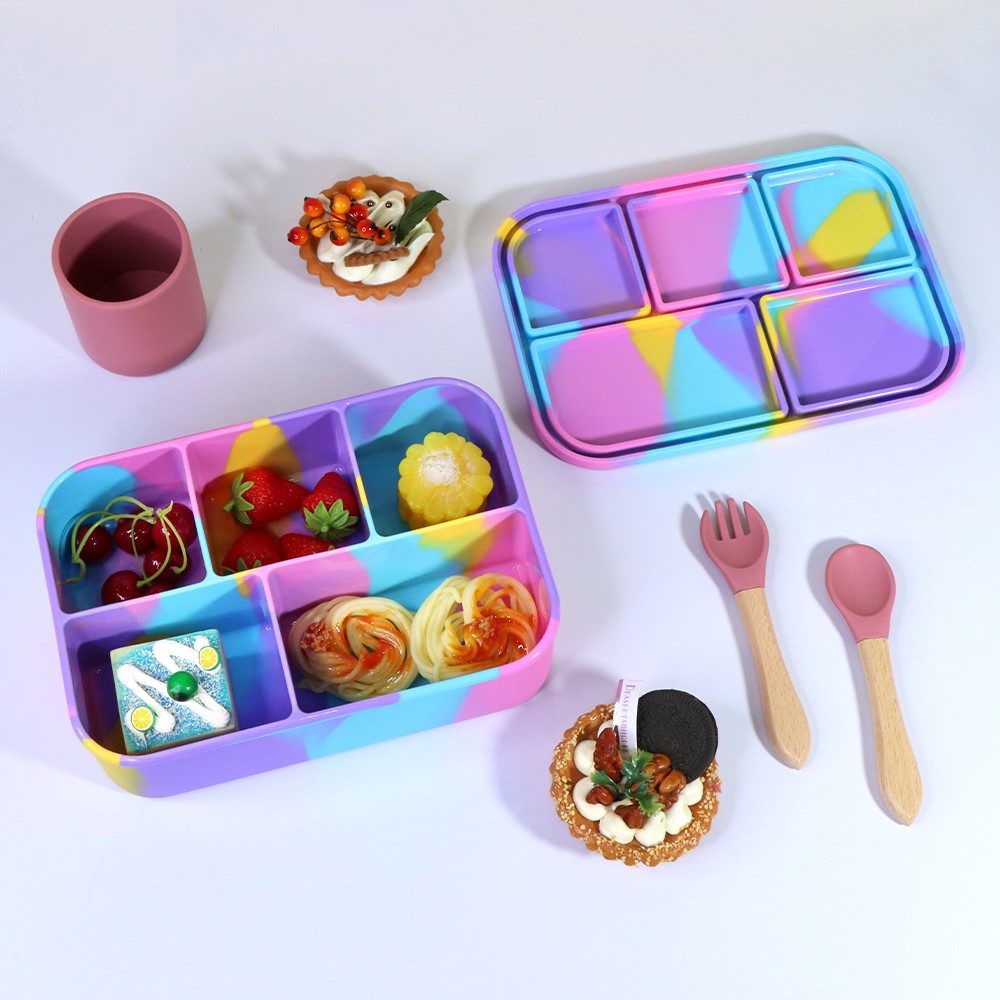
Silicone Bento Lunch Box
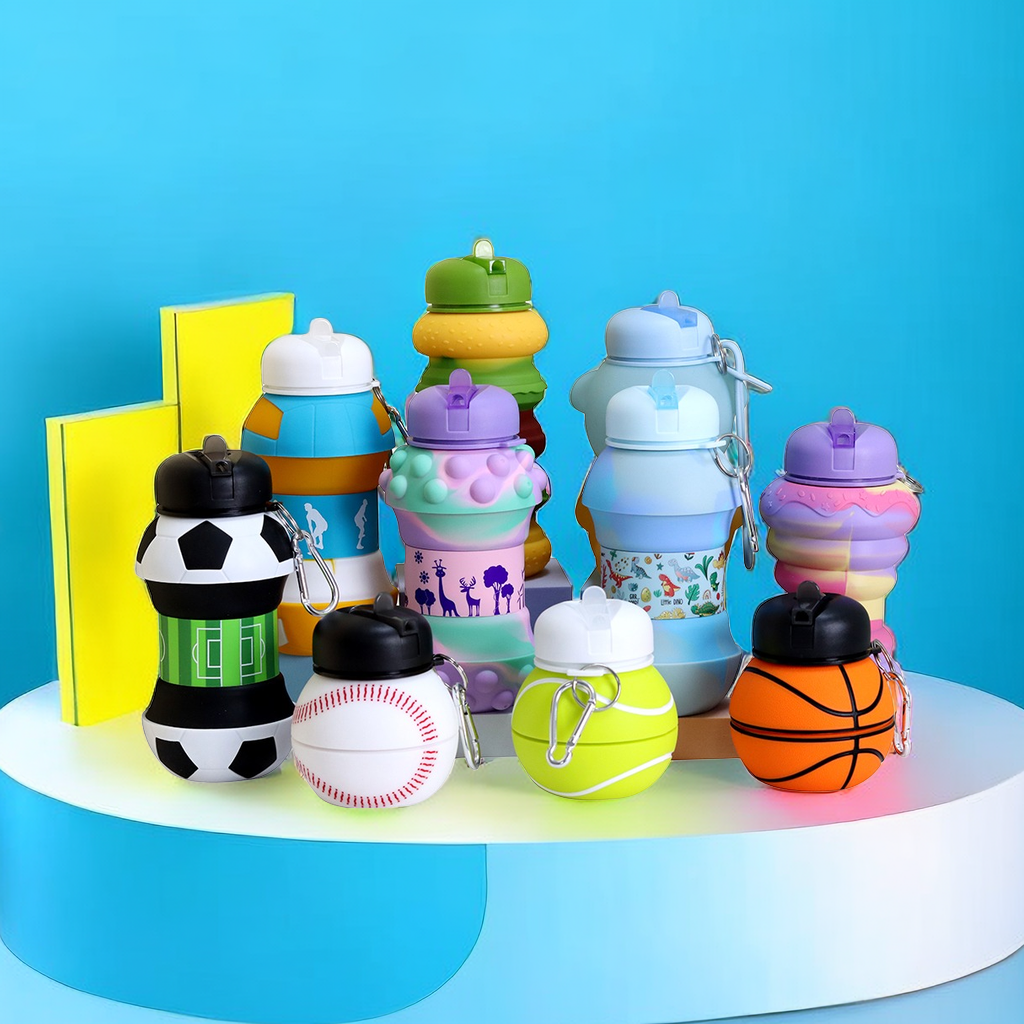
Collapsible water bottle
Introduction to Silicone Manufacturing Silicone manufacturing is a specialized industry that requires a deep understanding of material science, chemical engineering, and environmental management. As a leading silicone factory, we pride ourselves on our ability to create custom silicone products tailored to the unique needs of our wholesale clients. This article delves into the manufacturing process, health and safety considerations, and the management strategies that ensure the highest standards of quality and compliance. 1. The Manufacturing Process of Silicone 1.1 Overview of the Manufacturing Process The silicone manufacturing process involves the transformation of raw silicone materials into finished products through curing and vulcanization. Curing refers to the process where silicone compounds harden through the addition of heat or moisture, while vulcanization involves the use of catalysts to speed up the hardening process. Over the years, we have perfected these processes to ensure the production of durable and high-quality silicone products. Curing with Peroxides During the vulcanization process employing peroxides, peroxides are incorporated into the silicone compound, which triggers a reaction leading to material solidification. This approach is renowned for its dependability and its capability to attain broad hardness levels in the end products. It is applicable for general silicone rubber goods, like those used in wires and cables, and also for oil-resistant and solvent-resistant silicone rubbers. Vulcanization with Platinum Catalysts On the other hand, vulcanization using a platinum catalyst is a more specialized process that allows for exceptional control of the reaction and produces items with superior purity and performance. This method is particularly suited for manufacturing custom silicone products that require high precision and consistency. It is ideal for products where environmental protection and hygiene conditions are of higher concern, such as food-grade silicone products and medical devices. 1.2 Chemical Composition and Volatile Emissions The chemical composition of silicone materials includes base polymers, fillers, and additives. Additives play a crucial role in enhancing the properties of silicone products, such as flexibility, heat resistance, and UV stability. Curing agents and catalysts are essential for initiating and controlling the polymerization reactions that lead to the formation of the silicone product. 1.3 Common Volatiles in Silicone Manufacturing During the manufacturing process, various volatile organic compounds (VOCs) can be emitted, including methyl siloxanes and other siloxane oligomers. These emissions can have environmental and health implications, which is why our silicone factory has implemented stringent measures to minimize their release. 2. Health, Safety, and Environmental Impact 2.1 Health and Safety Risks in the Manufacturing Environment The health and safety of our workers is paramount. In the silicone manufacturing environment, exposure to uncured silicone, catalysts, and other chemicals can pose risks. Therefore, we have established safety measures and protocols that include the use of personal protective equipment (PPE) and regular health check-ups for our employees. 2.2 Impact of Volatiles on the Environment The release of volatiles into the environment can contribute to air pollution and have long-term effects on ecosystems. As a responsible silicone factory, we are committed to reducing our environmental footprint by adopting advanced technologies that minimize VOC emissions and by recycling waste materials whenever possible. 2.3 Regulatory Compliance and Standards Adherence to regulations is a cornerstone of our operations. Both national and international standards, such as those set by the European Union's REACH regulations and the United States' EPA guidelines, dictate the allowable levels of VOC emissions and the safety measures that must be in place. Our silicone factory is fully compliant with these standards, ensuring that our operations are both safe and environmentally responsible. 3. Management Strategies 3.1 Implementing Safety Measures and Protocols To safeguard our workers and the environment, we have implemented a range of safety measures and protocols. These include the use of closed-loop systems to capture and treat emissions, regular equipment maintenance to prevent leaks, and comprehensive training programs for our staff. 3.2 Advancements in Process and Material Technology Innovation is at the heart of our silicone manufacturing process. We continuously invest in research and development to improve our manufacturing processes and material technologies. This includes exploring new catalysts that reduce VOC emissions and developing silicone compounds with enhanced properties for applications like silicone lunch boxes and water bottles. 3.3 Regulatory Compliance and Environmental Management Our commitment to regulatory compliance extends beyond mere adherence to standards. We actively engage with regulatory bodies to ensure that our practices are not only compliant but also contribute to the development of more stringent environmental protections. Our environmental management system is certified to ISO 14001, demonstrating our dedication to sustainable practices. 4. Conclusion Silicone manufacturing is a complex process that requires a delicate balance between product quality, worker safety, and environmental responsibility. As a silicone factory specializing in custom silicone products, we are committed to maintaining the highest standards across all aspects of our operations. By investing in advanced technologies, adhering to strict safety protocols, and prioritizing environmental stewardship, we ensure that our silicone products meet the needs of our wholesale clients while also protecting the health of our workers and the planet.
Cute Carton Shape Baby Feeding Set
Przewiń do góry

Kontakt