Polish
 English
 French
 German
 Spanish
 Russian
 Chinese
 Japanese
 Korean

Zawartość
UV Resistant Silicone Rubber Products
Wprowadzenie
In modern manufacturing and daily applications, silicone rubber has become one of the most versatile and reliable materials. Among its many advantages, its UV resistance makes it an outstanding choice for products exposed to sunlight and outdoor environments. From automotive seals to silicone baking molds, and from medical components to baby feeding products, UV-resistant silicone rubber ensures long-term performance, safety, and durability.
This article explores how silicone rubber reacts to UV radiation, why UV resistance matters, real-world product applications, and the future trends shaping this innovative material.
1. Understanding UV Radiation and Its Effects
Ultraviolet (UV) radiation is a type of electromagnetic energy with wavelengths between 100–400 nanometers. While essential for some natural processes, prolonged UV exposure can damage many materials—including traditional rubbers and plastics—by breaking down their molecular structure.
Common signs of UV degradation in rubber materials include:
-
Cracking and surface hardening
-
Color fading and discoloration
-
Loss of elasticity and flexibility
-
Structural weakening and brittleness
Silicone rubber, however, stands out because of its inherent resistance to UV rays. The silicon-oxygen (Si–O) backbone of silicone molecules provides extraordinary stability, preventing the typical chain reactions that cause degradation in other polymers.
2. Why Silicone Rubber Resists UV Light
Unlike natural rubber or certain synthetic rubbers, silicone rubber is inorganic in nature. Its molecular backbone consists of alternating silicon and oxygen atoms—similar to glass—giving it remarkable resistance to oxidation and photodegradation.
Key advantages include:
-
Stable Molecular Structure: UV light has little effect on Si–O bonds, which are much stronger than C–C bonds found in organic rubbers.
-
High Temperature Stability: Silicone maintains flexibility across a wide temperature range (-55°C to 230°C).
-
Chemical Inertness: It does not react with ozone, oxygen, or other atmospheric chemicals that contribute to aging.
As a result, UV-resistant silicone rubber maintains its elasticity, mechanical strength, and color even under direct sunlight for extended periods.
3. Common Applications of UV-Resistant Silicone Rubber Products
1) Outdoor and Industrial Applications
UV-resistant silicone is commonly used in outdoor environments, where long-term sun exposure is inevitable:
-
Silicone Seals & Gaskets — Used in solar panels, construction joints, and outdoor lighting fixtures to ensure airtight and watertight performance.
-
Automotive Components — Perfect for door seals, wiring covers, and engine parts that face intense sunlight and heat.
-
Electrical Insulators — Used in power transmission lines and high-voltage applications due to their UV and weather resistance.
2) Household & Kitchen Products
In consumer goods, UV resistance ensures product longevity and safety:
-
Silicone Baking Molds and Cake Trays — Maintain flexibility and shape even under intense oven heat and repeated use.
-
Ice Cube Trays and Food Storage Containers — Withstand both freezing and UV exposure without cracking or discoloration.
-
Silicone Collapsible Cups & Bowls — Perfect for camping, picnics, and outdoor kitchens, offering long-lasting usability.
3) Baby & Medical Products
-
Silicone Baby Bibs, Pacifiers, and Suction Feeding Sets — Made with medical-grade silicone that is both UV-resistant and safe for sterilization.
-
Medical Tubing, Masks, and Gaskets — Silicone’s resistance to UV sterilization processes makes it ideal for reusable healthcare equipment.
4. Benefits of UV-Resistant Silicone Rubber
| Property | Benefit |
|---|---|
| UV & Ozone Resistance | Maintains elasticity and color outdoors without cracking or fading. |
| Durability | Long service life reduces replacement costs. |
| Thermal Stability | Performs well in both extreme heat and cold environments. |
| Non-Toxic & Eco-Friendly | Safe for food and medical contact; free from BPA, PVC, and phthalates. |
| Easy to Clean | Dishwasher-safe and resistant to bacterial growth. |
These properties make silicone rubber one of the most reliable materials for sustainable, high-performance manufacturing.
5. Case Studies: Popular UV-Resistant Silicone Products
-
Silicone Ice Cube Trays – Stay odor-free, flexible, and color-stable even after long use in outdoor bars or cafés.
-
Silicone Candle Molds – Withstand repeated UV curing and high-heat candle pouring.
-
Outdoor Lighting Seals – Maintain elasticity and prevent leaks in LED fixtures.
-
Silicone Roof Flashing and Insulators – Extend the lifespan of buildings by resisting sunlight and weathering.
6. The Future of UV-Resistant Silicone Rubber
The demand for UV-resistant silicone rubber is projected to grow rapidly in the coming decade. Driven by global sustainability goals and increased outdoor product usage, manufacturers are investing in:
-
Advanced Compounds — New formulations combining UV resistance with flame retardancy or antibacterial properties.
-
Recyclable Silicone Materials — Development of eco-friendly and partially recyclable silicones for reduced carbon footprint.
-
Smart Silicone Products — Integration with electronics (e.g., flexible solar seals and wearable devices) that can endure UV exposure without degradation.
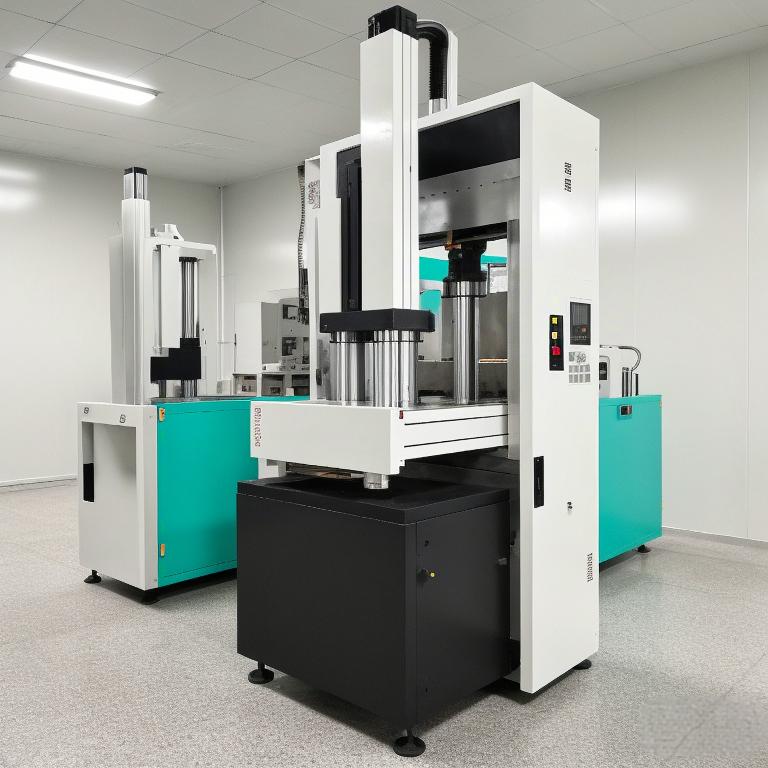
Additionally, liquid silicone injection molding (LSR) technology will continue to dominate precision manufacturing for UV-resistant silicone components, enabling high-efficiency production of customized seals, molds, and consumer products.
7. Conclusion
UV-resistant silicone rubber is one of the most advanced materials for modern applications requiring durability, flexibility, and long-term stability. Whether it’s for industrial sealing, outdoor electronics, or kitchenware, silicone’s resilience against sunlight, ozone, and heat ensures unmatched performance and sustainability.
Przy Jewelives, we specialize in manufacturing high-quality custom silicone products including UV-resistant seals, kitchenware, and baby feeding items, all certified to FDA and LFGB standards. Our products are safe, sustainable, and built to last — making them the trusted choice for global brands seeking both quality and innovation.
Contact us today to learn more about our OEM & ODM solutions for UV-resistant silicone rubber products.