Russian
  English
  French
  German
  Spanish
  Polish
  Chinese
  Japanese
  Korean
Содержание
The global homeware market in 2026 has transitioned from “disposable convenience” to “sustainable durability.” At the heart of this shift is a versatile material that has redefined the modern kitchen: silicone. Whether you are an interior designer looking to launch a signature line or an entrepreneur entering the booming “clean-living” niche, creating private silicone placemats is one of the most strategic moves you can make this year.
Unlike traditional fabric or plastic mats, silicone offers a unique intersection of medical-grade safety and high-fashion aesthetics. However, moving from a creative sketch to a physical product sitting on a customer’s table requires a deep understanding of the manufacturing landscape. This guide will walk you through the essential steps to creating your own brand of private silicone placemats, ensuring your products are as resilient as they are beautiful.
1. Understanding the Material: Why Silicone Reigns Supreme in 2026
Before you contact a manufacturer, you must understand why silicone has become the gold standard for tabletop accessories. In 2026, consumers are more educated than ever about chemical leaching and environmental impact.
Technical Resilience and Safety
Silicone placemats are crafted from 100% food-grade silicone, making them inherently chemically stable. They are free from BPA, PVC, BPS, lead, and phthalates. One of their most significant technical advantages is their extreme temperature resistance. A high-quality silicone mat can withstand a range from -40°C and 230°C. This makes them oven-safe, dishwasher-safe, and capable of protecting expensive stone or wooden tabletops from scorching hot cookware.
The “Tension and Flexibility” Factor
High-quality silicone possesses remarkable tensile strength. It can be folded, rolled, or stretched without losing its original shape or developing creases. This portability is a major selling point for the 2026 “on-the-go” parent or the digital nomad who wants a clean dining surface while traveling.
2. Market Versatility: Beyond the Dining Room
When creating your private label, think beyond the traditional dinner plate. The production logic used for placemats can be pivoted into lucrative sub-niches.
The Culinary Expert: If your brand focuses on the kitchen, your technology can easily adapt to create a high-performance baking mat. These require the same heat-resistant properties but often demand a thinner, more fiberglass-reinforced structure.
The Modern Pet Parent: The animal care sector is a multi-billion dollar industry. By adjusting your mold to include textures or ridges, you can create a specialized pet lick mat. These are used to calm anxious pets or slow down fast eaters, utilizing the same non-toxic, food-grade silicone as your premium placemats.
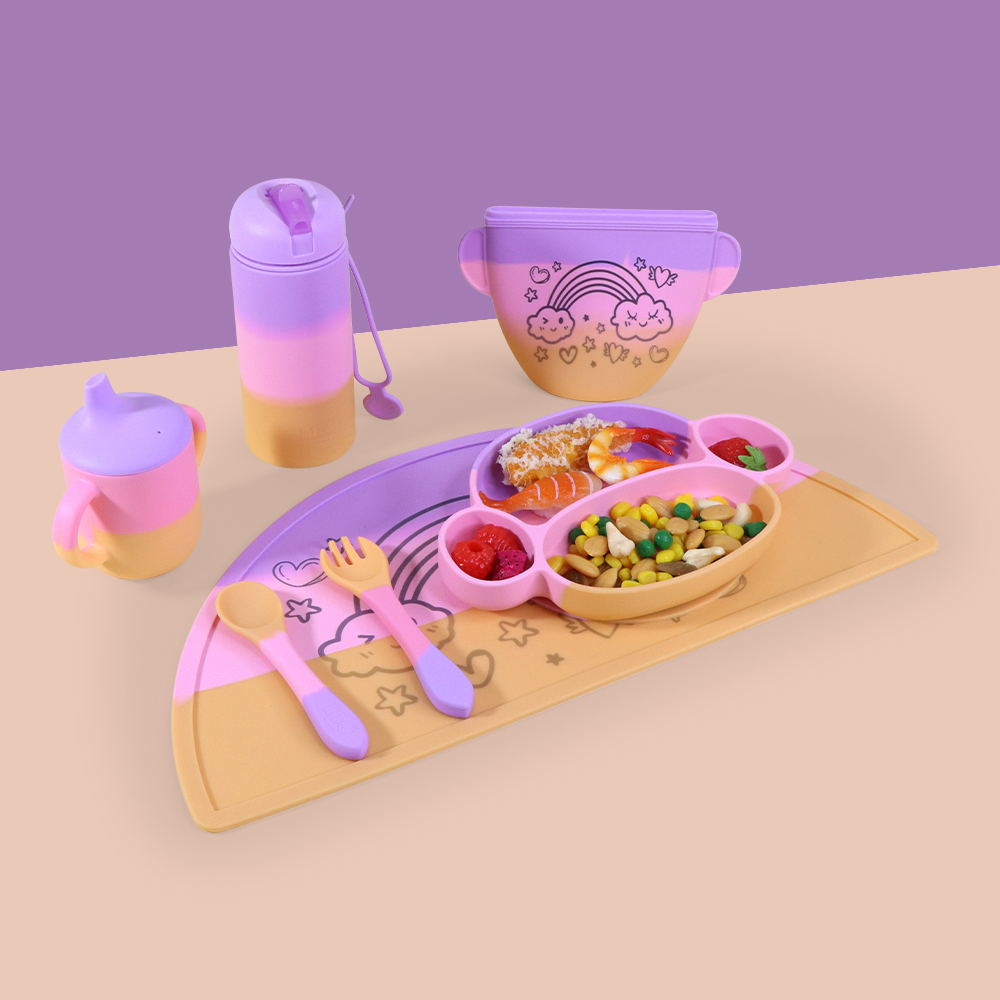
The Nursery Essential: Baby-led weaning is a massive trend. Small, grippy, and easy-to-clean placemats that stick to high-chair trays are essential for parents who prioritize hygiene and safety.
3. Designing Your Private Brand: From Sketch to CAD
The design phase is where your brand identity is born. You aren’t just creating a mat; you are creating a “vibe.”
Shape and Aesthetic Innovation
While round and square are the industry standards, 2026 is the year of “organic shapes.” Think asymmetrical curves, pebble shapes, or even modular mats that fit together like a puzzle. Using new tooling, your manufacturer can realize almost any creative geometry you imagine.
Color and Texture
Don’t settle for basic colors. In the current market, “Marble” effects, “Double-colored” gradients, and “Translucent” finishes are trending. You can use the Pantone Matching System (PMS) to ensure your brand colors are consistent across your entire product line.
Engineering the CAD Drawing
Once you have your sketches, engineers will convert them into CAD (Computer-Aided Design) files. This is where the technicalities of the “Shore A Hardness” come into play. For a placemat, you generally want a hardness between 40 and 60 Shore A—soft enough to be flexible, but firm enough to provide a stable surface for glassware.
4. The Manufacturing Process: LSR vs. HTV
When you partner with a manufacturer like Jewelives, you need to decide which molding method fits your budget and quality requirements.
HTV (High-Temperature Vulcanization) Compression Molding
This is the most common method for placemats. It involves placing a piece of solid silicone “gum” into a heated mold.
Pros: Lower tooling costs, ideal for standard shapes, and cost-effective for large bulk orders.
Cons: Higher chance of “flash” (excess material) that needs manual trimming.
LSR (Liquid Silicone Rubber) Injection Molding
LSR is a high-precision process where liquid silicone is injected into a closed mold.
Pros: Exceptional precision, no human contact (hygienic), and perfect for complex, high-detail designs. This is often used for medical-grade or premium baby products.
Cons: Higher initial tooling/mold investment.
5. Tooling and Mold Selection
The “mold” or “tooling” is the most significant upfront investment in your private label journey. You have three primary choices for materials:
Steel Molds: The gold standard for mass production. They are durable and provide a consistent finish for hundreds of thousands of cycles.
Copper Molds: Better for intricate textures but less durable than steel.
Aluminum Molds: Often used for prototyping or short runs, though less common in high-volume silicone production.
At Jewelives, we help you choose the right mold type based on your projected volume and the complexity of your custom silicone products.
6. Branding and Customization Techniques
Your logo is the mark of your private brand. How you apply it matters for both aesthetics and durability.
Logo on Tooling (Debossed/Embossed): This is the most “premium” look. The logo is carved into the mold itself, so it is part of the physical silicone structure. It will never fade or peel.
Silkscreen Printing: Best for intricate, multi-colored logos. However, for silicone, you must use specialized silicone-based inks that “bond” with the surface to ensure they are dishwasher-safe.
Laser Engraving: A modern, clean approach. It’s perfect for adding serial numbers or subtle branding without the use of inks.
Full-Color Heat Transfer: If your design involves a complex photographic pattern, this is the way to go.
7. Quality Control and Compliance
In 2026, a “cheap” product is a liability. Your private label must stand up to rigorous testing.
Anti-Slip and Heat Insulation
A true silicone placemat must provide a “vacuum effect” on smooth surfaces like glass or polished wood to prevent tableware from sliding. During the QC (Quality Control) phase, mats should be tested for thermal conductivity to ensure they protect surfaces from heat damage up to $230^\circ\text{C}$.
Chemical Stability
Ensure your manufacturer provides certification for:
LFGB (European Standard): Generally considered stricter than the FDA.
FDA (US Standard): Mandatory for the North American market.
BPA-Free / Lead-Free: Critical for the baby and homeware sectors.
8. Starting Your Business: The Jewelives Partnership
Creating a brand is easier when you have a vertically integrated partner. Here is how the workflow typically looks when you work with a professional manufacturer:
NDA (Non-Disclosure Agreement): Protect your designs from copycats before the first drawing is even made.
Sketch to 3D: Our engineers take your “napkin sketch” and turn it into a 3D structural model.
Prototyping: We create a sample to test the “hand-feel” and color.
Mass Production: Once the prototype is approved, we move to high-volume molding.
Custom Packaging: Whether it’s a sleek PET box for a boutique or a eco-friendly zip bag for Amazon FBA, the packaging is the final touch of your private brand.
9. Conclusion: The Future of Tabletop Branding
The opportunity to create private silicone placemats has never been more accessible. By focusing on niche applications—whether it’s a heat-resistant baking mat for professionals, a textured pet lick mat for the animal market, or an aesthetic nursery placemat—you can carve out a unique space in the 2026 economy.
Success lies in the details: the “Shore A” hardness, the precision of the mold, and the purity of the food-grade silicone. With a dedicated team of R&D specialists and state-of-the-art equipment, your vision of a premium silicone brand can move from a concept to a global reality.
FAQ: Creating Private Silicone Placemats
Q1: What is the minimum order quantity (MOQ) for custom placemats?
MOQs typically depend on the complexity of the design and the color. For standard shapes with custom colors, MOQs usually start around 500–1,000 units. If you are using a stock mold from a manufacturer and only adding a logo, the MOQ may be lower.
Q2: How do I know if my placemats are truly “Food Grade”?
You should always request a third-party test report (SGS or TUV). Additionally, you can perform the “Pinch Test.” If you twist or pinch the silicone and white “fillers” appear in the stretch, it is likely not 100% pure silicone. Pure silicone stays the same color throughout.
Q3: Can I create a placemat that doubles as a baking mat?
Yes, but you must specify this during the material selection. Standard placemats are often thicker for cushioning, while a baking mat needs to be thinner and potentially reinforced with a fiberglass core for even heat distribution in the oven.
Q4: How long does the tooling process take?
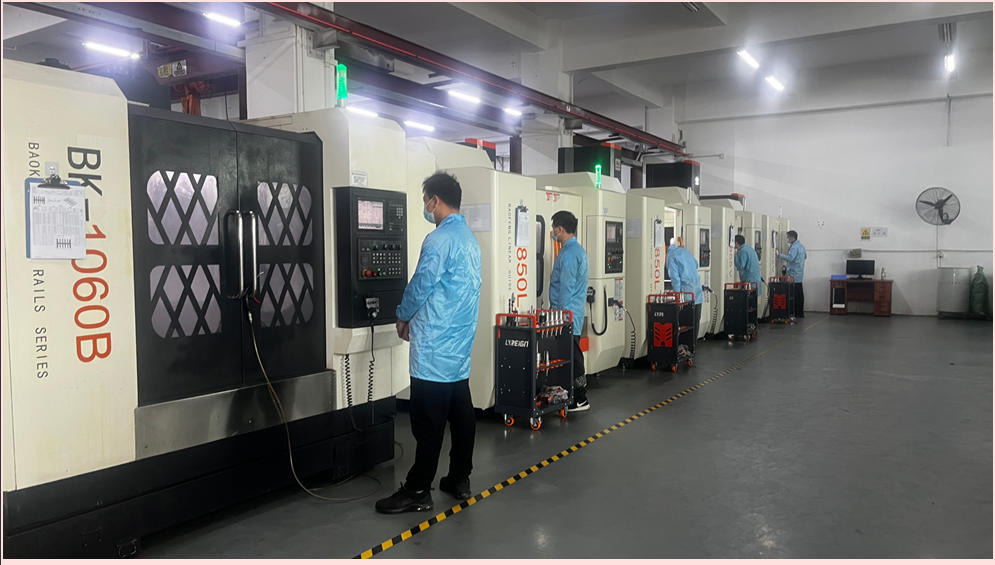
For a custom steel mold, the timeline is generally 25 to 35 days. This includes the design phase, CNC machining of the mold, and the production of the first “T1” samples for your approval.
Q5: What are the best cleaning instructions for customers?
Silicone is non-porous and crease-free. Stains can usually be wiped away with a damp rag. For deeper cleans, they are 100% dishwasher safe. Unlike traditional mats, they do not harbor bacteria or odors.
Q6: Can I use multiple colors in one placemat?
Absolutely. In 2026, “double-colored” or “multi-colored” molding is very popular. This can be achieved through over-molding or specialized dripping molding techniques to create vibrant, multi-element designs.
Q7: Is it possible to add a “Pet Lick Mat” texture to a standard placemat?
Yes! This is a great way to create a multi-functional “Lifestyle Mat.” You can design one side to be a smooth dining surface and the other side with suction cups and textures to serve as a pet lick mat.