Japanese
  English
  French
  German
  Spanish
  Russian
  Polish
  Chinese
  Korean
内容
Silicone bibs have become one of the most popular products in the global baby feeding market. As parents increasingly prioritize safety, convenience, and sustainability, demand for premium silicone baby bibs continues to grow across online marketplaces, retail stores, baby boutiques, and private-label brands. For businesses planning to launch or expand a baby product collection, understanding the complete custom silicone bib manufacturing process is essential for creating products that meet international safety standards while standing out in a competitive market.
This guide explains everything baby product brands need to know about custom silicone bib manufacturing, including material selection, product design, mold development, OEM and ODM services, quality control, certifications, customization options, and tips for choosing a reliable silicone manufacturer. Whether you are building a new baby brand or expanding an existing product line, this article will help you make informed sourcing decisions and improve your long-term product strategy.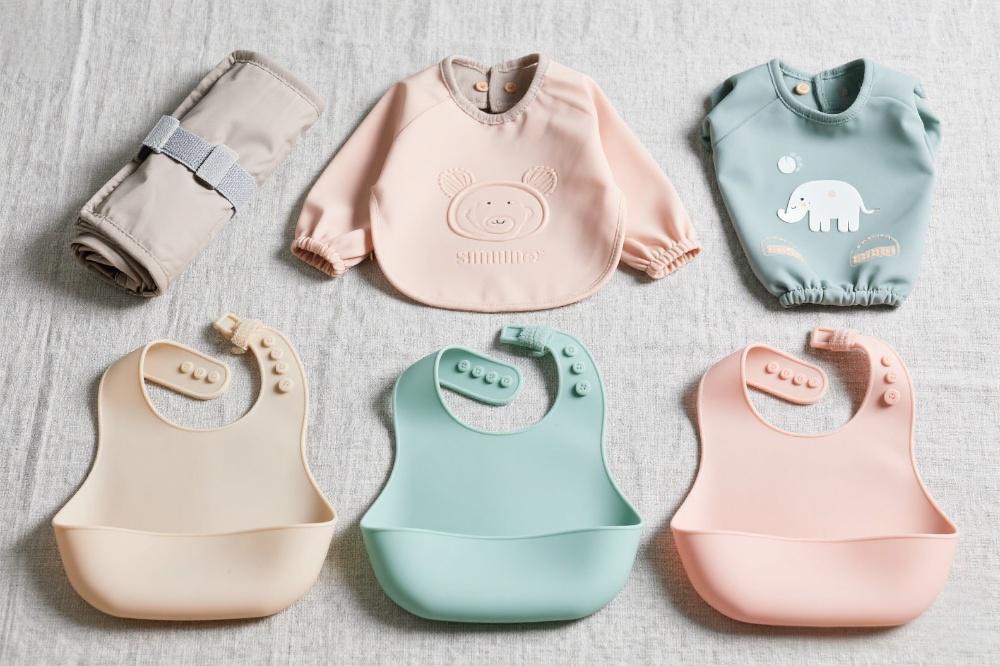
Why Silicone Bibs Are Popular Worldwide
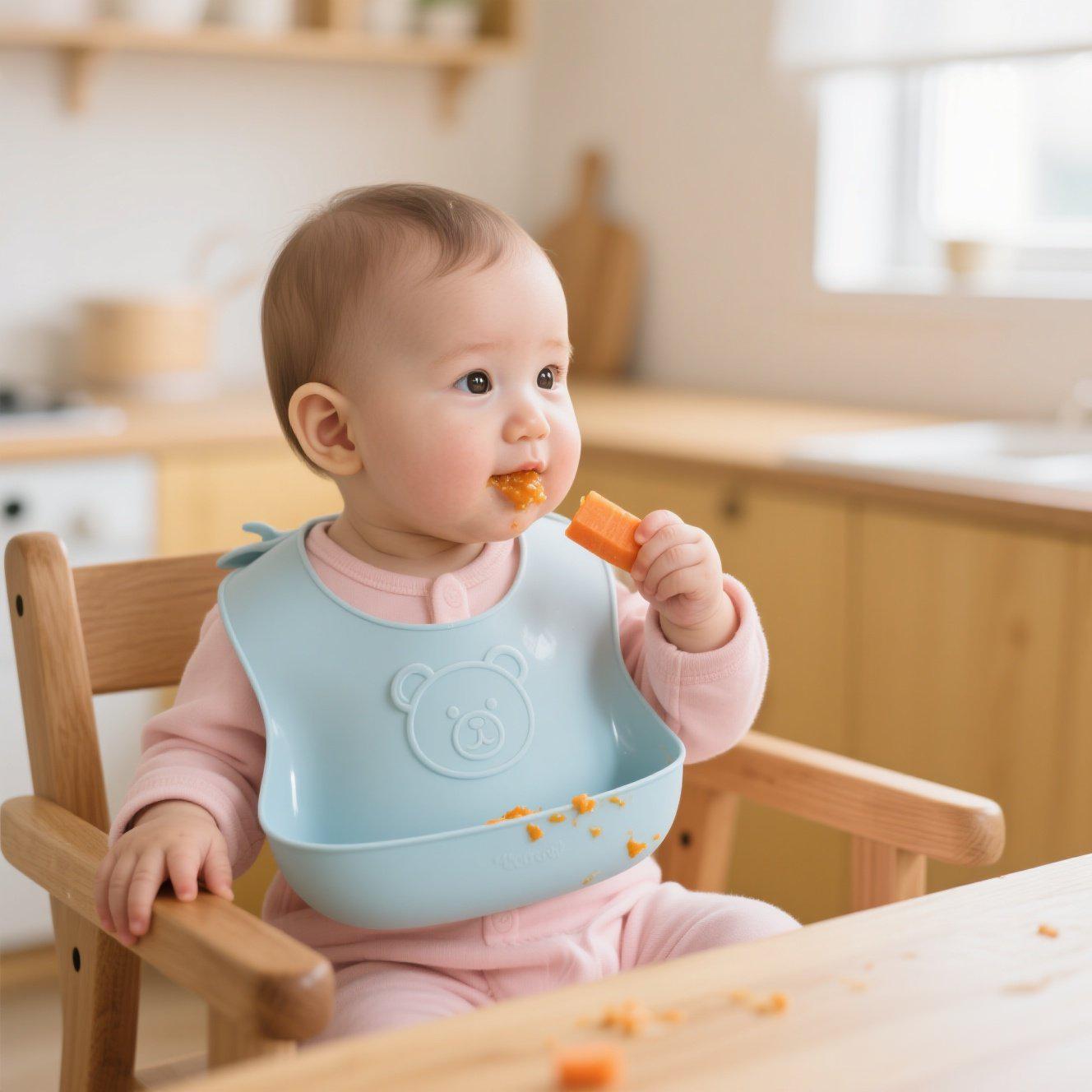
Modern parents look for baby products that are safe, durable, easy to clean, and comfortable for everyday use. Silicone bibs meet these requirements while offering practical features such as adjustable neck closures, deep food-catching pockets, waterproof surfaces, and long service life.
★ Key Benefits of Silicone Baby Bibs
• Made from food-grade silicone
• BPA-free and non-toxic
• Waterproof and stain-resistant
• Soft and comfortable for babies
• Adjustable neck fastening for different ages
• Built-in crumb catcher reduces food waste
• Dishwasher-safe and easy to clean
• Reusable and environmentally friendly
Compared with fabric bibs, silicone bibs dry quickly, resist odors, and require minimal maintenance, making them a preferred choice for busy families.
Understanding Food-Grade Silicone Materials
Material quality is the foundation of every premium silicone bib. Professional manufacturers use food-grade silicone produced from high-purity silica. This material provides excellent flexibility, durability, and safety for direct contact with children’s skin and food.
Unlike many conventional plastics, premium silicone contains no BPA, PVC, phthalates, or latex. It remains stable across a wide temperature range and maintains its flexibility after repeated use.
Important: High-quality food-grade silicone should be odorless, smooth, flexible, and resistant to cracking, discoloration, and deformation after long-term use.
Characteristics of Premium Silicone
- Food-contact safe
- Excellent flexibility
- High tear resistance
- Heat and cold resistant
- Easy to sterilize
- Long-lasting color stability
- Soft texture suitable for babies
- Excellent durability for daily use
Essential Safety Standards for Silicone Bibs
Baby feeding accessories are subject to strict international regulations. Reputable manufacturers test their products to ensure compliance with food-contact and child safety requirements before export.
✔ Common Certifications and Compliance Standards
• FDA Food Contact Compliance
• LFGB Food Safety Standard
• CPSIA Requirements
• REACH Compliance
• BPA-Free Verification
• EN Standards for Baby Feeding Products
In addition to product certifications, experienced silicone factories often maintain ISO 9001, ISO 14001, BSCI, Sedex, GMP, and other internationally recognized quality management certifications.
Design Considerations for Custom Silicone Bibs
Successful baby brands understand that product design directly influences customer satisfaction. A well-designed silicone bib should balance functionality, comfort, durability, and aesthetics.
Key Design Elements
- Ergonomic neck opening
- Multiple adjustable button positions
- Deep and stable food-catching pocket
- Rounded, child-friendly edges
- Soft and lightweight construction
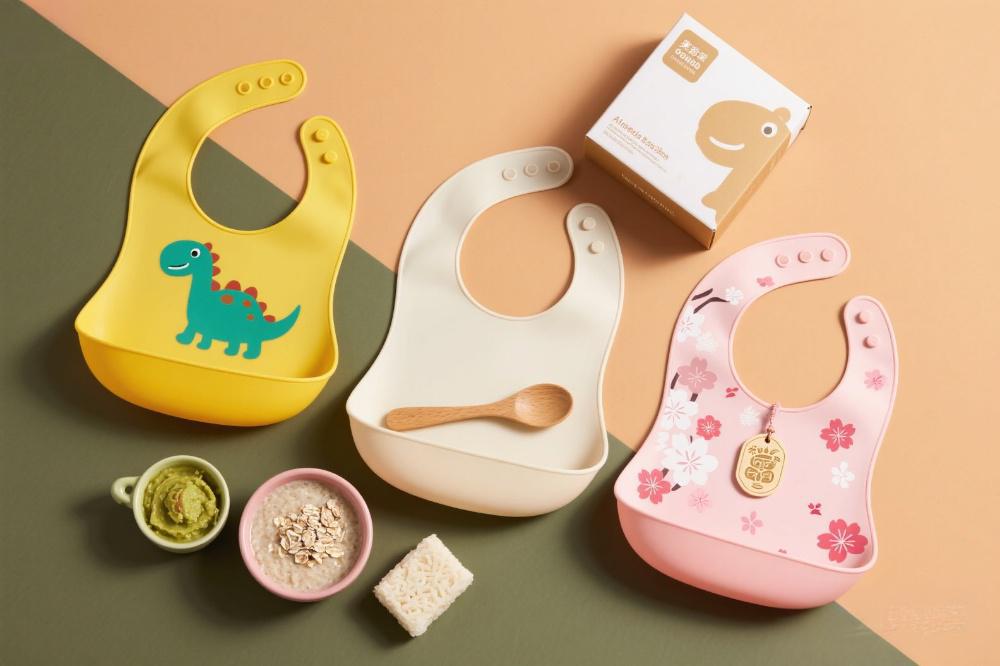
- Modern color combinations
- Easy folding for travel
- Brand logo integration
Design Tip
Choose neutral and earthy color palettes alongside classic pastel colors to appeal to a broader range of parents and complement modern nursery styles.
The Silicone Bib Manufacturing Process
Professional silicone factories follow standardized manufacturing procedures to ensure product consistency and quality throughout every production batch.
1. Raw Material Inspection
Every batch of food-grade silicone is inspected before production to verify purity, color consistency, and compliance with customer specifications.
2. Silicone Mixing
Silicone compounds are mixed with food-safe pigments and curing agents using precision equipment to achieve consistent mechanical properties and color accuracy.
3. Mold Development
Engineers manufacture precision molds using CNC machining equipment to ensure consistent dimensions, smooth edges, and reliable production efficiency.
4. Compression Molding
The silicone material is molded under carefully controlled temperature and pressure, producing bibs with consistent thickness and excellent structural integrity.
5. Trimming and Finishing
Excess material is removed, surfaces are inspected, and logos or decorative details are applied where required.
6. Post-Curing
Premium silicone bibs often undergo post-curing to eliminate residual odors and improve long-term product stability.
7. Quality Inspection
Finished products are inspected for dimensions, appearance, flexibility, fastening performance, color consistency, and packaging quality before shipment.
Manufacturing Priorities
✓ Consistent product dimensions
✓ Smooth edges without burrs
✓ Secure adjustable buttons
✓ Uniform color across production batches
✓ Stable food-catching pocket structure
OEM vs. ODM Silicone Bib Manufacturing
Professional silicone factories generally provide both OEM and ODM manufacturing services to accommodate different business models.
OEM Manufacturing
OEM services enable brands to develop completely customized silicone bibs with exclusive molds, unique shapes, proprietary branding, personalized packaging, and tailored product specifications.
ODM Manufacturing
ODM manufacturing allows businesses to select existing bib designs while customizing logos, colors, packaging, and accessories. This approach reduces development costs and shortens product launch timelines.
OEM Is Ideal For
• Established baby brands
• Exclusive product development
• Patent protection strategies
• Premium product positioning
ODM Is Ideal For
• New businesses
• Fast product launches
• Lower initial investment
• Expanding product portfolios
Customization Options for Private Label Brands
Customization helps brands build stronger market recognition and differentiate themselves from competitors. Experienced silicone manufacturers provide extensive OEM and ODM customization services.
- Custom Pantone colors
- Embossed logos
- Debossed logos
- Laser engraving
- Printed gift boxes
- Retail-ready packaging
- Instruction manuals
- Barcode labeling
- Custom accessory combinations
How to Choose a Reliable Silicone Bib Manufacturer
Selecting the right manufacturing partner is one of the most important decisions for baby product brands. Beyond competitive pricing, manufacturers should demonstrate strong engineering capabilities, reliable production capacity, and consistent quality management.
Questions to Ask Potential Manufacturers
• How many years of silicone manufacturing experience do you have?
• Which international certifications do you maintain?
• Do you offer OEM and ODM services?
• Can you support mold development?
• What is your monthly production capacity?
• How is quality controlled during production?
• Can customized packaging be provided?
• Are product samples available before mass production?
Quality Control Throughout Production
Reliable factories inspect every production stage instead of relying solely on final inspections. This systematic approach minimizes defects while ensuring consistent product quality.
Typical Quality Inspection Process
- Incoming raw material inspection
- Silicone mixing verification
- Mold inspection
- Dimension measurement
- Appearance inspection
- Button fastening tests
- Packaging inspection
- Pre-shipment quality audits
Current Market Trends in Silicone Baby Bibs
As consumer preferences evolve, manufacturers continue introducing innovative designs that improve functionality and strengthen brand appeal.
📈 Emerging Trends
• Earth-tone and neutral color collections
• Minimalist Scandinavian-inspired designs
• Lightweight foldable bibs for travel
• Gift-ready premium packaging
• Matching feeding set collections
• Eco-friendly manufacturing and packaging solutions
結論
Custom silicone bibs continue to be one of the most attractive product categories for baby brands seeking long-term growth in the global market. By selecting premium food-grade silicone, complying with international safety standards, implementing thoughtful product design, and partnering with an experienced OEM or ODM manufacturer, businesses can develop high-quality feeding products that meet the expectations of modern parents. A reliable manufacturing partner not only ensures consistent production quality but also supports product innovation, customization, and efficient supply chain management, creating a strong foundation for sustainable brand success.
Frequently Asked Questions
1. What material is best for baby silicone bibs?
Food-grade silicone is the preferred material because it is BPA-free, soft, waterproof, durable, easy to clean, and safe for direct contact with food and a baby’s skin.
2. What is the difference between OEM and ODM silicone bib manufacturing?
OEM manufacturing creates completely customized products based on your specifications, while ODM manufacturing customizes existing designs with your logo, colors, and packaging.
3. Which certifications should a silicone bib manufacturer have?
Look for manufacturers with certifications such as ISO 9001, ISO 14001, BSCI, Sedex, FDA, LFGB, and other compliance documents relevant to your target market.
4. Can silicone bibs be cleaned in a dishwasher?
Yes. Most high-quality food-grade silicone bibs are dishwasher-safe and can also be washed with warm water and mild detergent after each use.
5. How can I choose a reliable silicone bib supplier?
Evaluate the supplier’s manufacturing experience, production equipment, engineering capabilities, certifications, quality control procedures, customization services, and sample availability before placing a production order.
Meta Description: Learn everything about custom silicone bib manufacturing for baby product brands. Discover food-grade materials, safety standards, OEM & ODM services, customization options, quality control, and expert tips for choosing a reliable silicone bib manufacturer.