Polish
  English
  French
  German
  Spanish
  Russian
  Chinese
  Japanese
  Korean
Zawartość
Silicone Cooking Utensils – Benefits, Safety, and Care Guide
Best Material for Cooking Utensils: Silicone vs Stainless Steel vs Wood
Silicone has become one of the most popular materials for modern kitchen tools, offering a safe, versatile, and durable solution for cooking and baking. Whether it’s a silicone spatula, whisk, spoon, or baking mat, these utensils protect your cookware, resist high heat, and are easy to clean.
But with so many materials available—like stainless steel and wood—how do you choose the best cooking utensils for your kitchen? This guide will explain the advantages of silicone tools, compare them with other materials, and explore current market trends and future opportunities.
What Are Silicone Cooking Utensils?
Silicone cooking utensils are made from food-grade silicone, a flexible, non-porous material derived from silica (sand) and oxygen. This composition makes them BPA-free, non-reactive with food, and resistant to odors or stains. Premium silicone products meet FDA and LFGB safety standards, ensuring they’re safe for both home and professional use.
Key Advantages of Silicone Kitchen Tools
1. High Heat Resistance
Most food-grade silicone can handle temperatures between -40°C and 230°C (-40°F to 446°F), with some rated up to 315°C (600°F). This makes them safe for stirring hot soups, flipping pancakes, or handling oven-baked goods without melting.
2. Cookware Protection
Silicone is gentle on non-stick coatings and will not scratch pots or pans, making it ideal for use with Teflon or ceramic cookware.
3. Durable and Non-Reactive
Silicone doesn’t rust, corrode, or react with acidic foods like tomatoes or citrus. It’s also more resistant to wear compared to plastic.
4. Easy Cleaning
Non-porous surfaces make silicone utensils stain- and odor-resistant. They can be hand-washed or placed on the top rack of a dishwasher.
Best Material for Cooking Utensils – Comparison Chart
When deciding on the best cooking utensils, it’s helpful to compare silicone with other common options:
| Cecha | Naczynia silikonowe | Stainless Steel Utensils | Wooden Utensils |
|---|---|---|---|
| Heat Resistance | Excellent – up to 230°C / 446°F (some up to 315°C / 600°F) | Excellent – handles very high heat | Good – may scorch or crack |
| Cookware Safety | Safe for non-stick surfaces | Can scratch non-stick coatings | Safe for non-stick cookware |
| Durability | Flexible and long-lasting | Extremely durable and rust-resistant | Sturdy but can crack or splinter |
| Weight & Handling | Lightweight, easy to maneuver | Heavier, solid feel | Light, but balance varies |
| Cleaning & Maintenance | Dishwasher safe; resists stains | Dishwasher safe; low maintenance | Hand wash only; absorbs odors |
| Bacterial Resistance | Non-porous, hygienic | Non-porous, hygienic | Porous; may harbor bacteria |
| Przyjazność dla środowiska | Reusable; not biodegradable | Recyclable | Natural and biodegradable |
| Price Range | Affordable to mid-range | Often more expensive | Usually affordable |
| Best Use | Baking, stirring sauces, scraping bowls | Searing, grilling, heavy-duty cooking | Mixing, serving, rustic style |
Pros and Cons of Silicone Bakeware
Zalety:
-
No greasing needed; easy food release
-
Oven, microwave, and freezer safe
-
Lightweight and shatter-proof
-
Even heat distribution for consistent baking
Wady:
-
Not suitable for direct flames or induction cooktops
-
Less rigid than metal bakeware (may need a tray underneath)
-
Quality varies—choose certified food-grade silicone only
Safety and Certifications
Both Health Canada and the U.S. Food and Drug Administration confirm that food-grade silicone is safe when used within recommended temperature limits. It’s a stable, inert material that won’t leach harmful chemicals into food.
Market Trends and Future Outlook for Silicone Kitchen Utensils
The global silicone kitchenware market has been growing steadily, driven by the shift towards non-toxic, eco-friendly, and reusable products. According to recent industry reports, the market is projected to grow at a CAGR of over 5% between 2024 and 2030, with Asia-Pacific and North America being the fastest-growing regions.
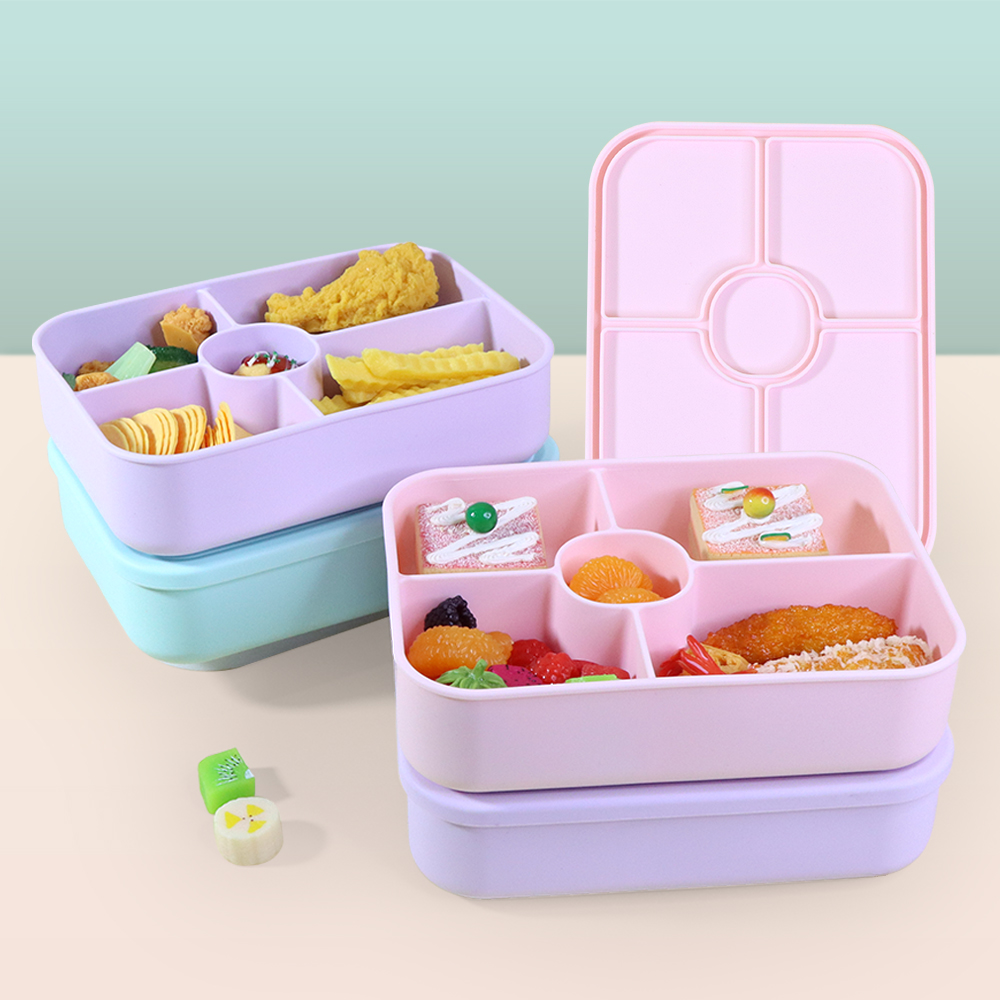
Key growth drivers include:
-
Increasing consumer awareness about BPA-free and food-safe materials
-
Rising adoption of sustainable kitchenware as part of eco-conscious lifestyles
-
The growing popularity of colorful, stylish kitchen designs that match modern interiors
-
E-commerce platforms expanding access to customized silicone utensils and bakeware
Future development directions:
-
Smart Kitchen Integration – Silicone utensils with heat sensors or temperature indicators.
-
Recycled Silicone Products – Using post-consumer silicone to reduce environmental impact.
-
Hybrid Designs – Combining silicone heads with stainless-steel reinforced handles for durability.
-
Specialized Baking Tools – Expanding beyond standard spatulas to include molds for artisanal bread, pastries, and unique food shapes.
As sustainability becomes a global priority, silicone’s long lifespan and reusability will likely make it a mainstream choice for both household and commercial kitchens.
Care Tips for Longer-Lasting Silicone Utensils
-
Hand wash when possible to extend lifespan
-
Avoid cutting or slicing directly on silicone surfaces
-
Remove odors by soaking in vinegar-water or baking at low heat
-
Store in a dry, cool place
Silicone cooking utensils provide a unique combination of heat resistance, non-stick safety, and ease of cleaning, making them one of the best choices for modern kitchens. While stainless steel remains unmatched for heavy-duty cooking, and wood offers rustic charm, silicone stands out for its versatility and cookware protection.
With the market expected to expand and new innovations on the horizon, silicone utensils are not just a current trend—they’re shaping the future of kitchenware.